Home-Style Dishes
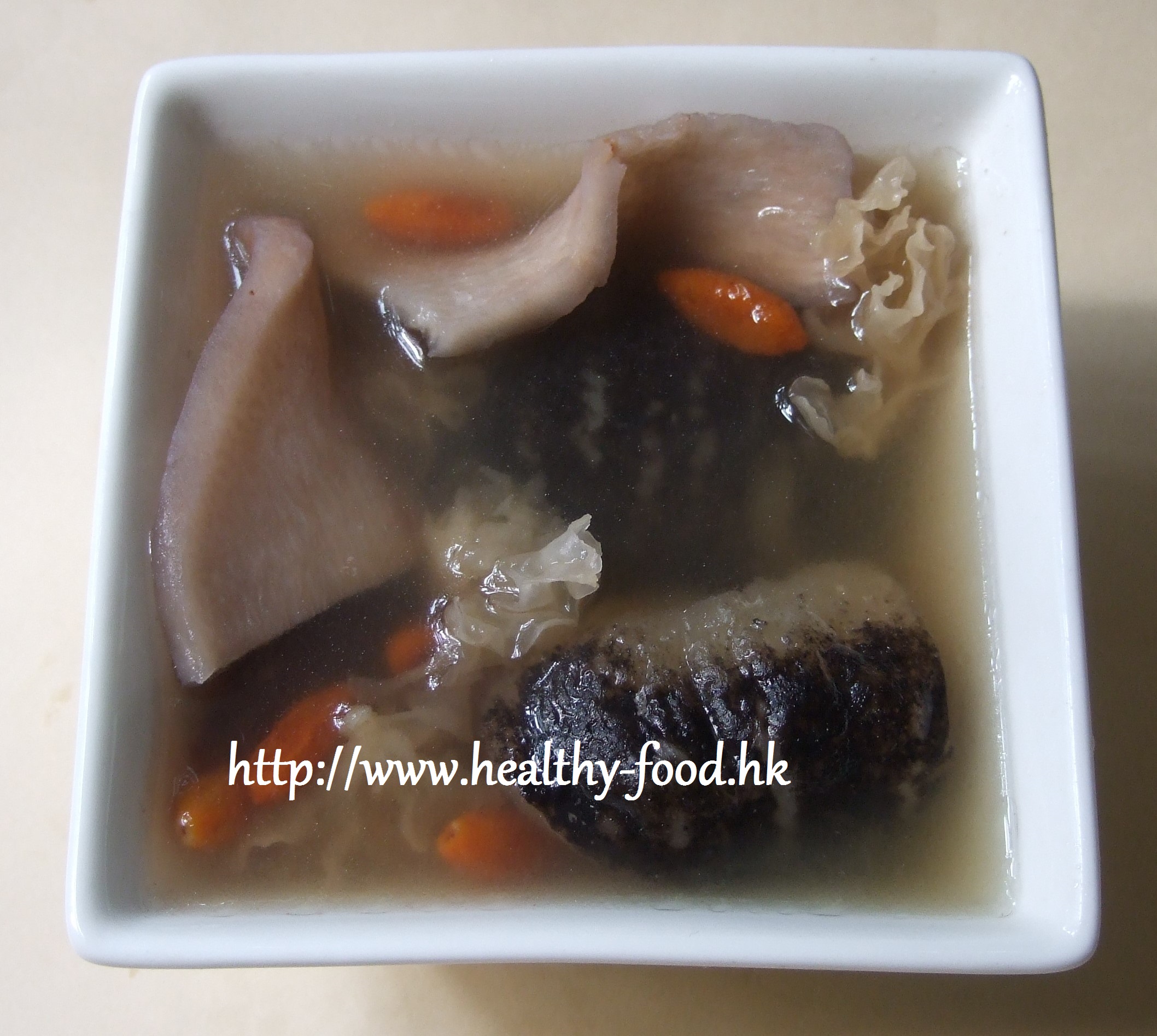
Huai Shan, Goji Berry, Snow Fungus & Sea Cucumber Double-Steamed Stew
supports kidney nourishment and general vitality; traditionally associated with easing a persistent salty sensation in the mouth linked to kidney deficiency
Why people make this stew
A persistent salty sensation in the mouth — without having eaten salty food — is something many people overlook. In traditional food therapy it is associated with kidney function, because salt is considered the flavour of the kidneys. Conditions such as overwork, chronic illness, advancing age, or insufficient rest are all thought to place a burden on the kidneys over time. This double-steamed stew is one of the more refined dishes in the food-therapy repertoire — slow, gentle cooking preserves the nutrients and creates a rich, silky broth that is genuinely satisfying to eat.
Who it suits / who should be cautious
- Suitable for adults and elderly people experiencing persistent salty mouth, frequent night urination, lower back discomfort, or general fatigue from overwork
- Appropriate whether the underlying pattern leans toward yin deficiency (feeling warm, dry mouth, thin build) or yang deficiency (feeling cold, pale complexion, low energy)
- Suitable for those receiving cancer treatment as a supportive food — sea cucumber in particular has a long tradition in this role
- Generally suitable for most people; those who are unsure how to rehydrate sea cucumber can follow Bro Niu’s soaking method below
Why these ingredients (the food-therapy logic)
- Chinese yam (huai shan): One of the most widely used tonic foods in Chinese cooking; associated with gently nourishing the spleen, lungs, and kidneys simultaneously, without being heating or cooling.
- Goji berries (gou qi zi): A classic blood and yin tonic; particularly associated with nourishing the liver and kidneys and supporting healthy vision.
- Snow fungus / white tremella (xue er): A plant-based yin tonic used in Chinese food medicine for centuries; thought to nourish the lungs and skin, and to support the body’s production of fluids.
- Sea cucumber (hai shen): One of the premier kidney-supporting foods in Cantonese cooking; traditionally associated with tonifying both kidney yin and yang, making it uniquely versatile. Also widely regarded as supportive for people recovering from illness.
- Pork shank (zhu zhan): Provides protein and collagen to make the stew satisfying and nourishing.
- Ginger (sheng jiang): A small amount balances the dish and supports digestion.
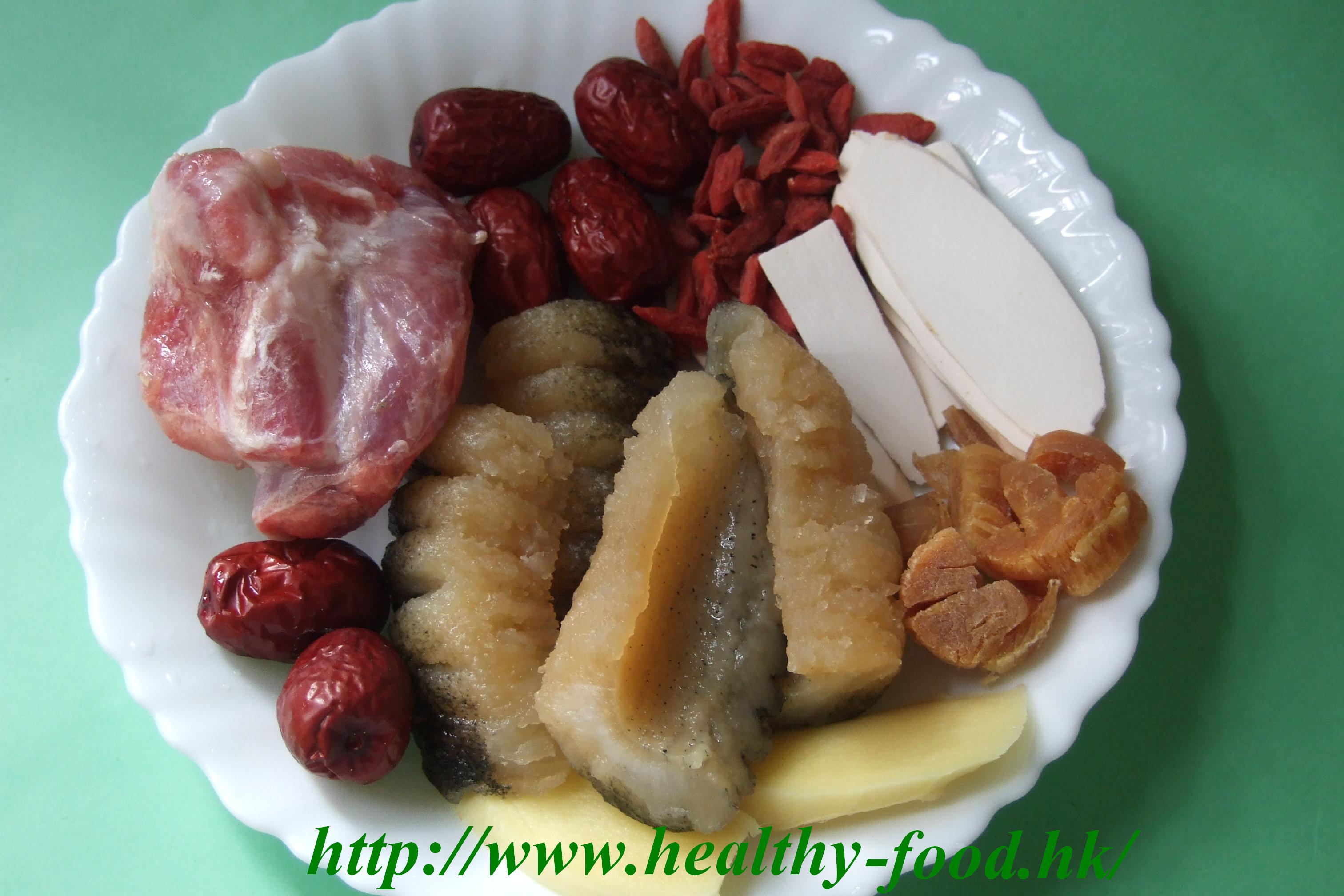
Ingredients (1 pot / 2–3 servings)
| Ingredient | Amount | Notes |
|---|---|---|
| Chinese yam (huai shan) | ~40 g | Soaked and rinsed |
| Goji berries | ~9 g | Soaked and rinsed |
| Snow fungus | ~9 g | Soaked, trimmed of the hard base |
| Pork shank | 1 piece | Cut into chunks; blanched |
| Fresh ginger | 2 slices | |
| Rehydrated sea cucumber | 1–2 pieces | Cut into chunks; blanched |
| Boiling water | sufficient to cover | Added to the steaming pot |
Method
- Soak the huai shan, goji berries, and snow fungus separately in water until softened; trim the hard base from the snow fungus.
- Cut the pork shank into chunks. Blanch the pork shank and sea cucumber together in boiling water for a few minutes; drain and set aside.
- Place all ingredients into a steaming pot (dun zhong).
- Add enough boiling water to cover the ingredients.
- Place the steaming pot into a larger pot or steamer; steam over simmering water for 3 hours.
- Serve the stew directly from the steaming pot.
Bro Niu’s tips
This is a rich, silky stew that is suitable for the whole family, young and old. Bro Niu considers it especially beneficial for those who regularly work late nights or are under heavy physical or mental strain. For cancer patients, it can be consumed regularly as a supportive food alongside medical treatment.
To rehydrate dried sea cucumber at home: soak in water for half a day, then boil in water for 20 minutes, turn off the heat and leave to soak for 2 hours. Change the water and soak overnight. The next day, open the sea cucumber, clean the inner cavity, and brush off any sand. Boil again for 20 minutes, turn off the heat, soak for 2 hours, then change the water and soak for another night. By day three, test with a chopstick — if it slides through easily, the sea cucumber is ready. Portion and freeze for future use.
Community questions answered (selected)
-
Q (Amy): How do you rehydrate dried sea cucumber at home? I have found so many different methods online. Bro Niu: My method: soak for half a day, boil 20 minutes, turn off heat and rest 2 hours, then change water and soak overnight. Day two: open and clean the inside, brush off sand. Boil again 20 minutes, rest 2 hours, soak overnight. Day three: if a chopstick passes through easily, it is ready. Portion into bags and freeze. If there is a lot of white residue, add a little pu-erh tea to the water while boiling — the residue dissolves quickly.
-
Q (anonymous): What should be consumed to support the body during the postpartum sitting-in period? Bro Niu: I would recommend picking up my book on postpartum recovery — it covers the full month of food therapy in detail. Published by Hoi Bin Books, authored by Cheung Pui Fong; it is in its eighth edition.
Published August 12, 2018 · Adapted and translated for Nourilo from a traditional home-kitchen recipe. Approx. 4 min read.