Home-Style Dishes
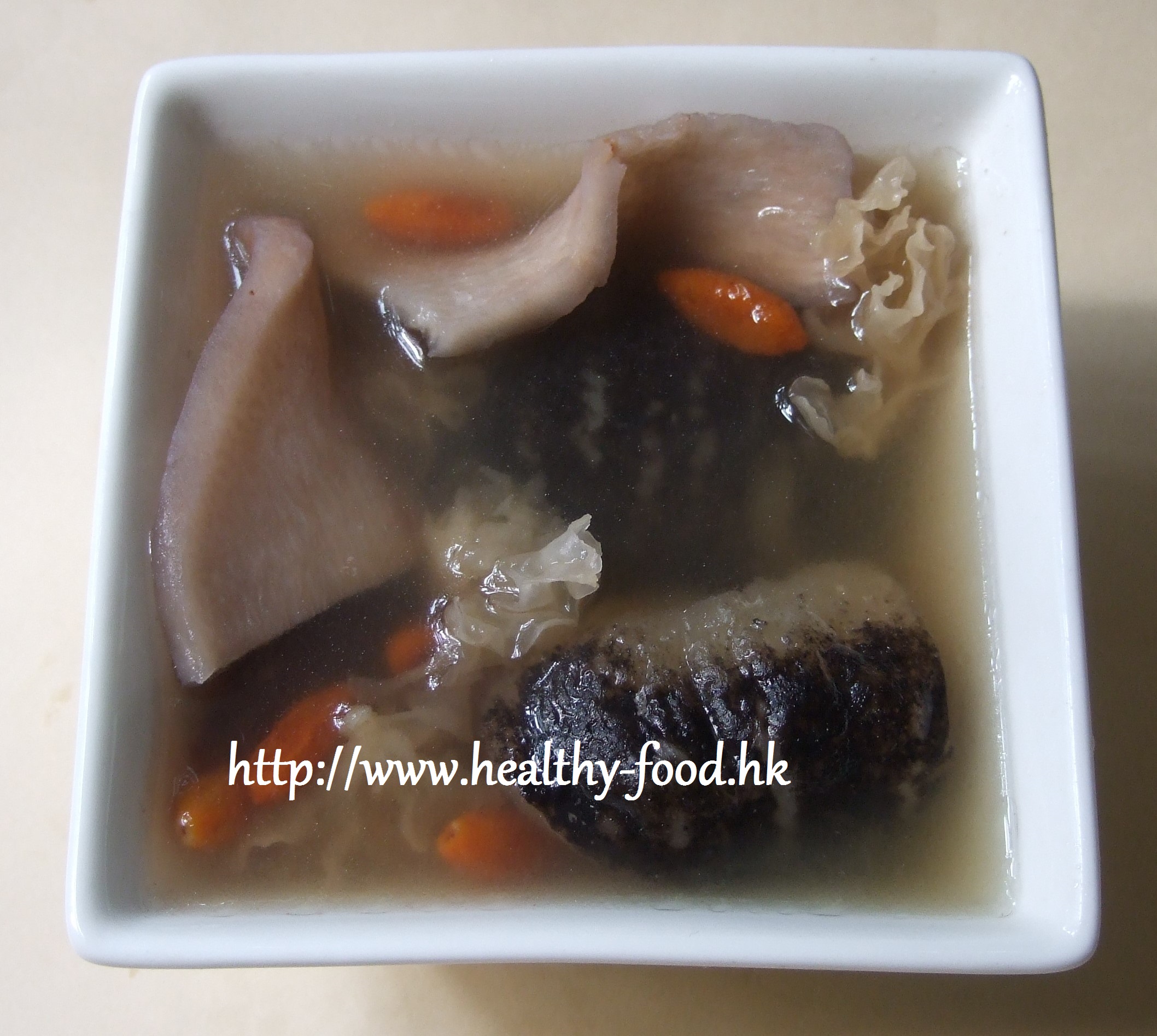
Braised Shiitake Mushroom and Sea Cucumber (Hua Gu Men Hai Shen)
traditionally associated with nourishing the kidneys, supporting immunity, and aiding recovery before or after surgery
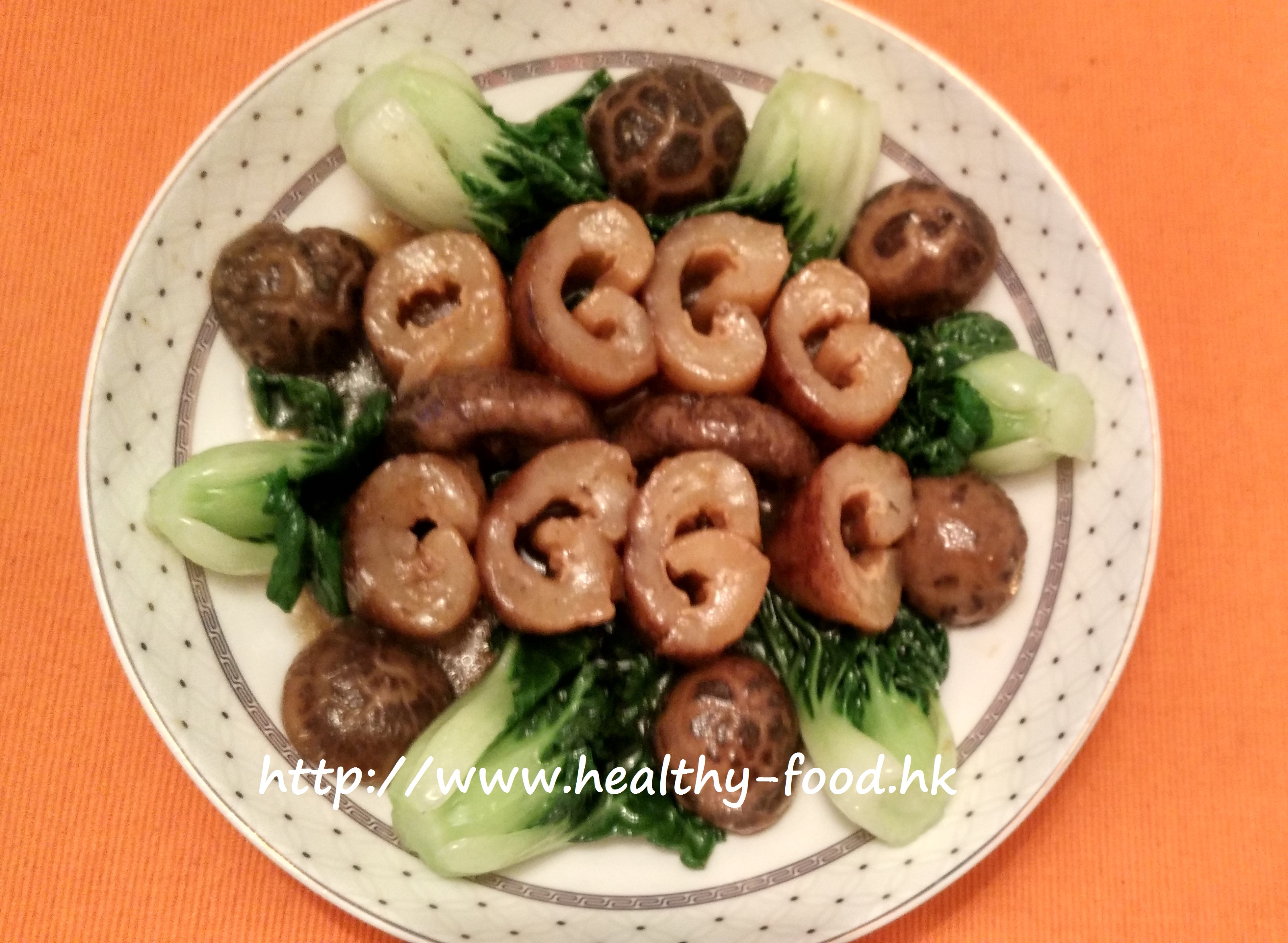
Why people make this dish
Sea cucumber has one of the most detailed food-therapy profiles in Chinese medicine. Classical texts describe it as both nourishing yin and supporting yang — the kind of ingredient considered able to nourish without destabilising the body’s internal balance. It is traditionally associated with supporting kidney and jing (essence) deficiency, nourishing the blood, relieving dryness and supporting haemostasis.
More recently, research has begun investigating the bioactive compounds in sea cucumber — including sea cucumber saponins, fucoidan and various minerals such as selenium, zinc and manganese — for their effects on immune function, cellular regulation and vascular health. While the clinical evidence is still developing, the traditional case for sea cucumber is strong.
When shiitake mushroom (hua gu) — itself a widely studied source of polysaccharides with immune-supporting properties — is braised together with sea cucumber in a flavourful stock, the resulting dish is fragrant, silky and genuinely delicious.
Who it suits / who should be cautious
- Suitable for most adults and children; particularly valued before or after surgery, for those recovering from a serious illness, and for those with high blood pressure, high cholesterol or tuberculosis
- Sea cucumber is rich and deeply nourishing; eat in moderate portions — do not eat too much at one sitting as it can be heavy on digestion
- Those with active phlegm-damp accumulation, loose stools, diarrhoea or active gout should avoid sea cucumber
- Gout sufferers should also avoid shiitake mushrooms, which are high in purines
Why these ingredients (the food-therapy logic)
- Sea cucumber (hai shen): Classically described as sweet and salty, neutral to warm in temperature. Associated with tonifying the kidneys, nourishing jing and blood, relieving dryness and constipation, and supporting haemostasis. The sea cucumber saponins it contains have been studied for potential anti-tumour activity.
- Shiitake mushroom (hua gu / Lentinula edodes): Rich in lentinan, a beta-glucan polysaccharide extensively studied for its immune-modulating properties. A classic ingredient in Cantonese cooking, adding both deep savoury flavour and wellness value.
- Bok choy (bai cai): A light, easily digestible green that contrasts with the richness of the sea cucumber and provides fibre and micronutrients.
Ingredients (2–3 servings)
| Ingredient | Amount | Notes |
|---|---|---|
| Small dried shiitake mushrooms (hua gu) | 6–8 pieces | Soak until soft; remove stems |
| Rehydrated sea cucumber (shui fa hai shen) | 2 whole pieces | Cut into chunks; blanch in boiling water to firm up |
| Bok choy (bai cai) | 3–4 stalks | Blanch in boiling water; arrange on a serving plate |
| Fresh ginger | 2 slices | |
| Superior stock or broth | approx. 200 ml | Homemade or low-sodium broth |
| Oyster sauce, soy sauce, Shaoxing rice wine | to taste | |
| Neutral cooking oil | for stir-frying |
Method
- Soak the dried shiitake mushrooms until soft. Remove stems and set aside.
- Cut the rehydrated sea cucumber into bite-sized chunks. Briefly blanch in boiling water.
- Blanch the bok choy in boiling water until just cooked. Arrange on a serving plate.
- Heat a little oil in a wok over medium-high heat. Fry the ginger slices until fragrant.
- Add the mushrooms and sea cucumber to the wok. Splash in the rice wine, then add the stock and seasoning.
- Braise over medium heat, stirring occasionally, until the sea cucumber is tender and silky and the sauce has reduced slightly.
- Spoon the mushrooms and sea cucumber over the bok choy on the plate. Drizzle the remaining sauce over everything and serve.
Bro Niu’s tips
This dish is fragrant, silky and flavourful. It is suitable before and after surgery to support the body’s strength, and all ages can enjoy it. For best results when rehydrating sea cucumber, soak it yourself in cold water rather than buying pre-soaked sea cucumber — commercially pre-soaked varieties may sometimes have been treated with chemicals. To keep it fresh before soaking, sea cucumber can be stored with 4–5 star anise (ba jiao) nearby, which helps repel insects and prevent moisture without any harmful effects.
Community questions answered (selected)
-
Q (hena): My father just had major bowel cancer surgery and will start chemotherapy next week. Can he eat sea cucumber? Bro Niu: If he has an appetite, you can give him a little sea cucumber, braised with Chinese yam (huai shan), goji berries (gou qi zi) and lean pork. Sea cucumber has a traditional reputation as a cancer-supportive food. Do not give too much at once as it can be heavy on digestion — small amounts are better.
-
Q (gigi): After breast cancer surgery, waiting for chemotherapy — what can I eat? Bro Niu: In the morning, try turmeric powder (jiang huang jing) dissolved in water — it is available at Chinese or Asian grocers, health food shops, or online. At lunch, simmer 3 qian of agaricus mushroom (ji song rong) with goji berries and roll them with lean pork slices for a quick soup. In the evening, take a spirulina supplement (luo xuan zao wang). You can also braise a small amount of sea cucumber or fish maw as an occasional treat. Avoid sugar, high-fat foods and cow’s milk.
-
Q (D): For bowel cancer Stage 4 — can I eat sea cucumber with white wood ear mushrooms? Bro Niu: You can use 2 pieces of black wood ear mushroom (hei mu er), 2 qian of white snow fungus (xue er), 4 dried figs and lean pork (or broth) to double-braise with sea cucumber. All these ingredients have a traditional reputation for supporting the body against cancer. This combination can be eaten daily if tolerated.
Published November 29, 2017 · Adapted and translated for Nourilo from a traditional home-kitchen recipe. Approx. 4 min read.