Soups
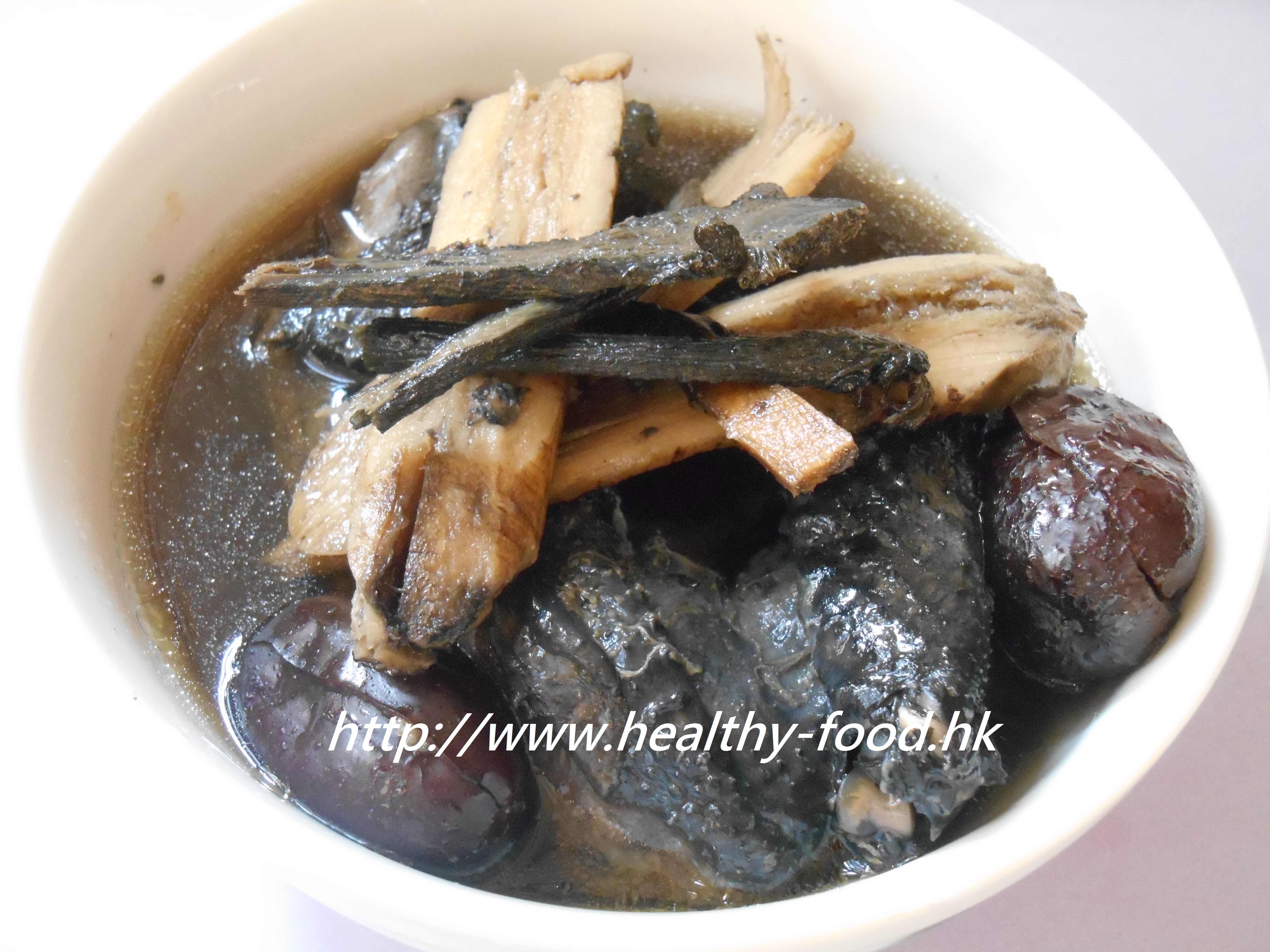
Astragalus, Rice Paper Plant Pith & Black Bean Soup
supports postpartum milk production; traditionally associated with replenishing qi and blood to encourage lactation
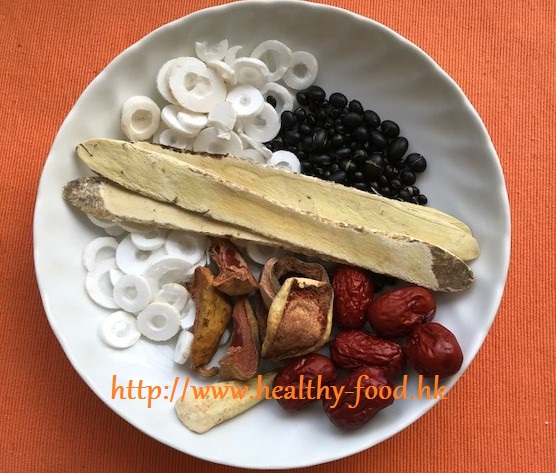
Why people make this soup
Inadequate milk supply after delivery is more common than many people realise, and it can be distressing for mothers who want to breastfeed. Traditional food therapy attributes postpartum milk shortage to two main patterns: blood and qi deficiency (often from blood loss during delivery, or a generally weak constitution), and emotional stagnation (stress, anxiety, and low mood can inhibit the free flow of milk). This soup targets the first pattern — it is a nourishing, relatively simple broth designed to replenish qi and blood and gently encourage milk production and flow. It can be made more substantial and nutritious by adding pork shin or fresh fish to the pot.
Bro Niu also notes that good preparation before delivery makes a difference: from around 5 months of pregnancy, regular breast massage and, from 7–8 months onwards, washing the nipples with warm soapy water can help condition the skin and prepare the breast for nursing.
Who it suits / who should be cautious
- Suitable for new mothers from around day 3 after delivery — natural and caesarean births alike
- Suitable for mothers experiencing low milk supply due to qi and blood deficiency after birth
- The whole family can benefit from this soup as a nourishing everyday broth
- Those who are not postpartum should be aware that tong cao and wang bu liu xing are primarily used for specific postpartum purposes and are not needed in everyday cooking
Why these ingredients (the food-therapy logic)
- Astragalus root (bei qi): The principal qi-tonifying herb in traditional food medicine; associated with strengthening the spleen, lungs, and overall vitality, and with supporting the generation of blood and breast milk.
- Rice paper plant pith (tong cao): A light, mild herb traditionally used in postpartum food therapy to encourage the free flow of milk through the milk ducts. Note: once cooked, the soft white pith does not need to be eaten — rinse it out and discard after cooking.
- Vaccaria seeds (wang bu liu xing): A traditional galactagogue herb (one that supports milk production and flow); often paired with tong cao in Cantonese postpartum food therapy.
- Black soybeans (hei dou): Provide plant protein and are traditionally associated with nourishing kidney yin and promoting healthy blood.
- Red dates (hong zao): Tonify the blood and calm the spirit; a gentle addition that makes the broth more pleasant to drink.
Ingredients (2 bowls)
| Ingredient | Amount | Notes |
|---|---|---|
| Astragalus root (bei qi) | ~15 g | Rinsed |
| Rice paper plant pith (tong cao) | ~9 g | Rinsed; discard after cooking |
| Vaccaria seeds (wang bu liu xing) | ~9 g | Rinsed |
| Black soybeans | ~40 g | Soaked and rinsed |
| Red dates | 6 pieces | |
| Water | 7 bowls (~1.4 L) |
Method
- Rinse all ingredients. Soak the black soybeans in water for 30 minutes.
- Place all ingredients into a pot with 7 bowls of water.
- Bring to a boil, then simmer over medium-low heat for about 1 hour 30 minutes until the liquid reduces to 2 bowls.
- Drink the soup. The tong cao (soft white pith) does not need to be eaten — discard it.
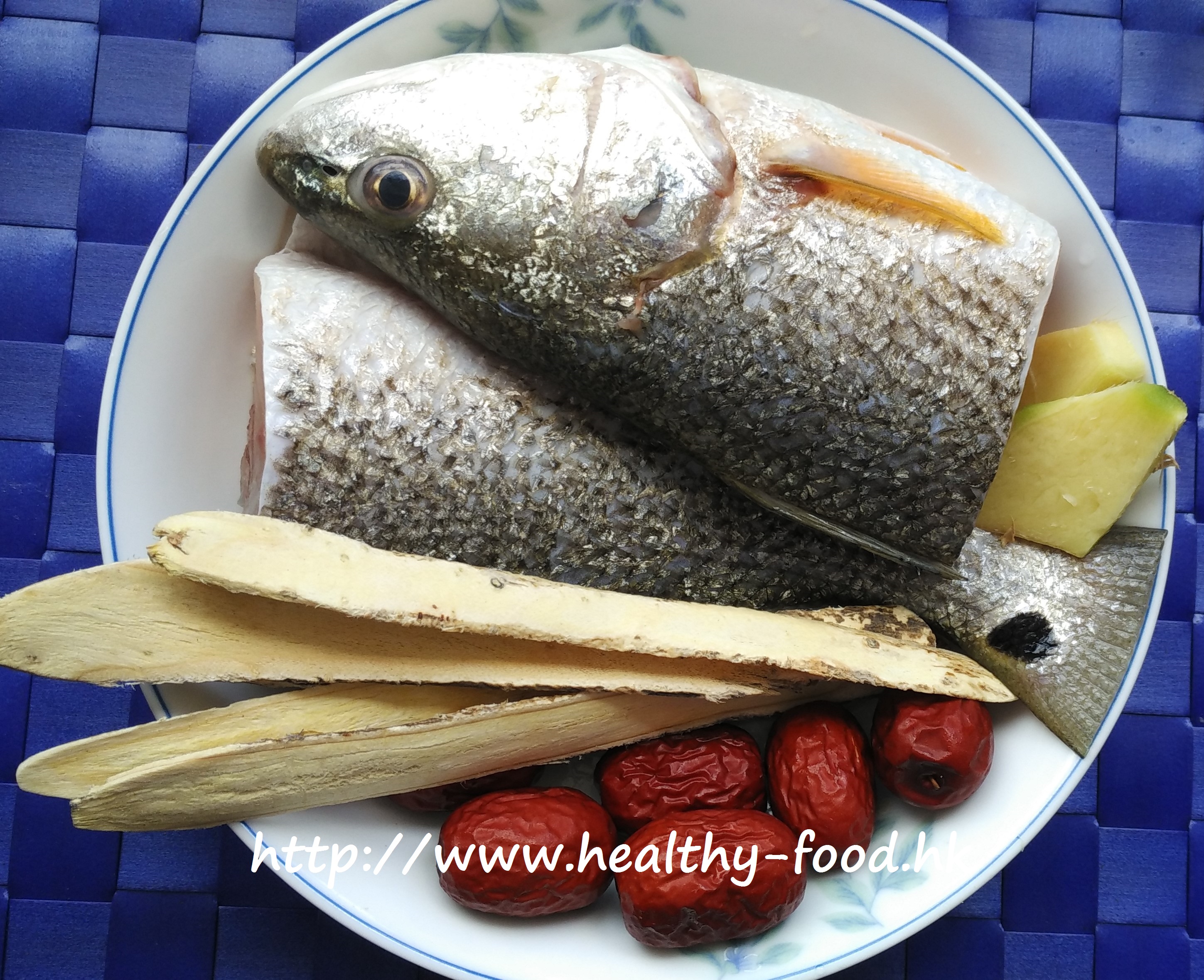
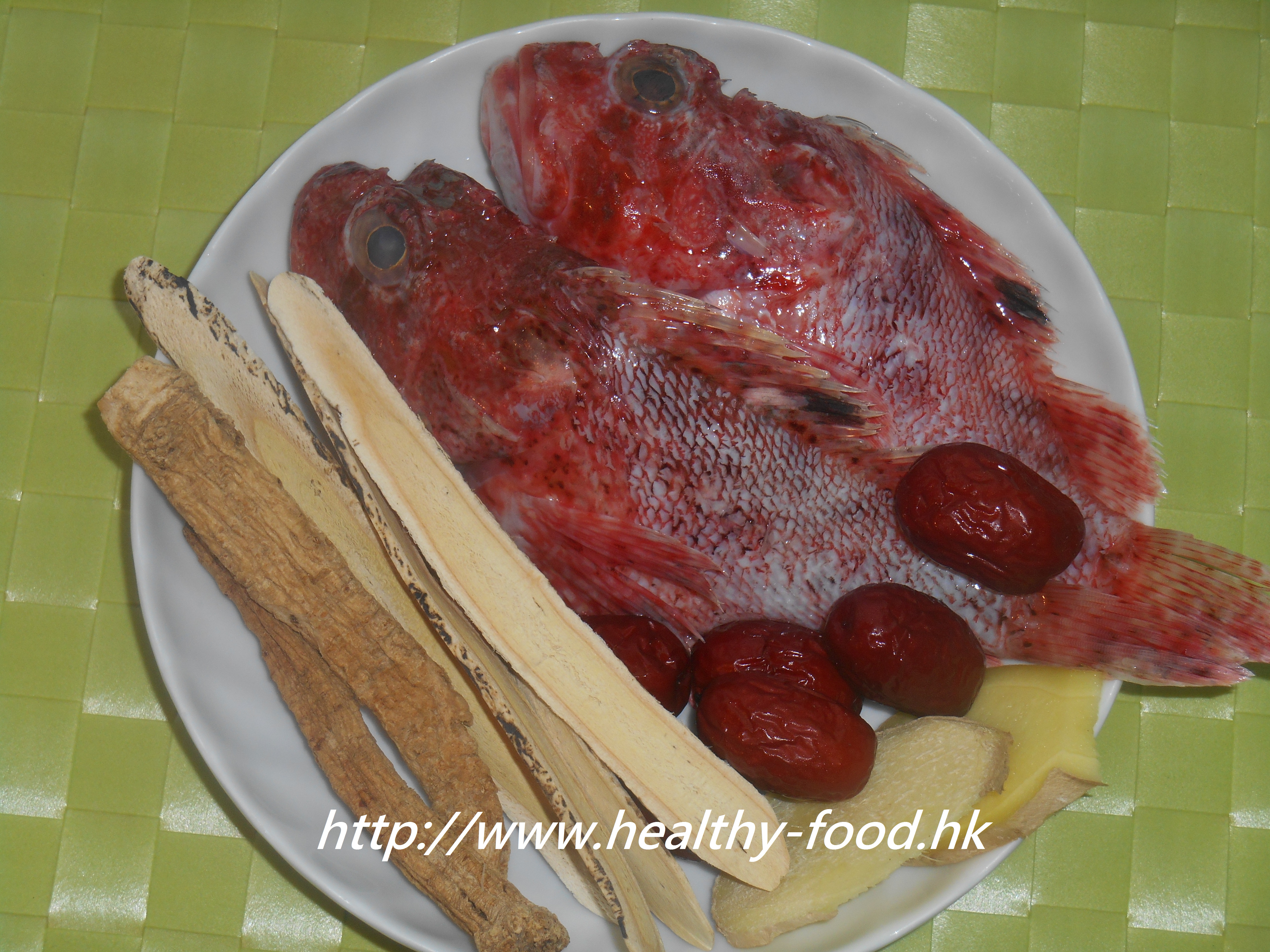
- Optional: add pork shin (~200 g) or a fresh fish during cooking for extra protein and a richer flavour.
Bro Niu’s tips
This soup is specifically designed for postpartum recovery and milk production support, and is suitable from day 3 after delivery. Adding pork shin or fresh fish to the pot makes it a more complete and satisfying meal. Drink regularly during the breastfeeding period as needed — it is a nourishing broth that replenishes the new mother without being overly heavy.
Community questions answered (selected)
-
Q (Iris): After cooking, the tong cao (rice paper plant pith) is still white and fairly firm. Do I need to soak it first? And should I eat it? Bro Niu: Tong cao does not need to be eaten after cooking — just rinse it away. It does not need pre-soaking; a simple rinse before cooking is sufficient.
-
Q (anonymous): Can this soup be drunk after a caesarean delivery? Bro Niu: Yes, this soup is suitable after a caesarean delivery.
Published August 23, 2018 · Adapted and translated for Nourilo from a traditional home-kitchen recipe. Approx. 3 min read.