Soups
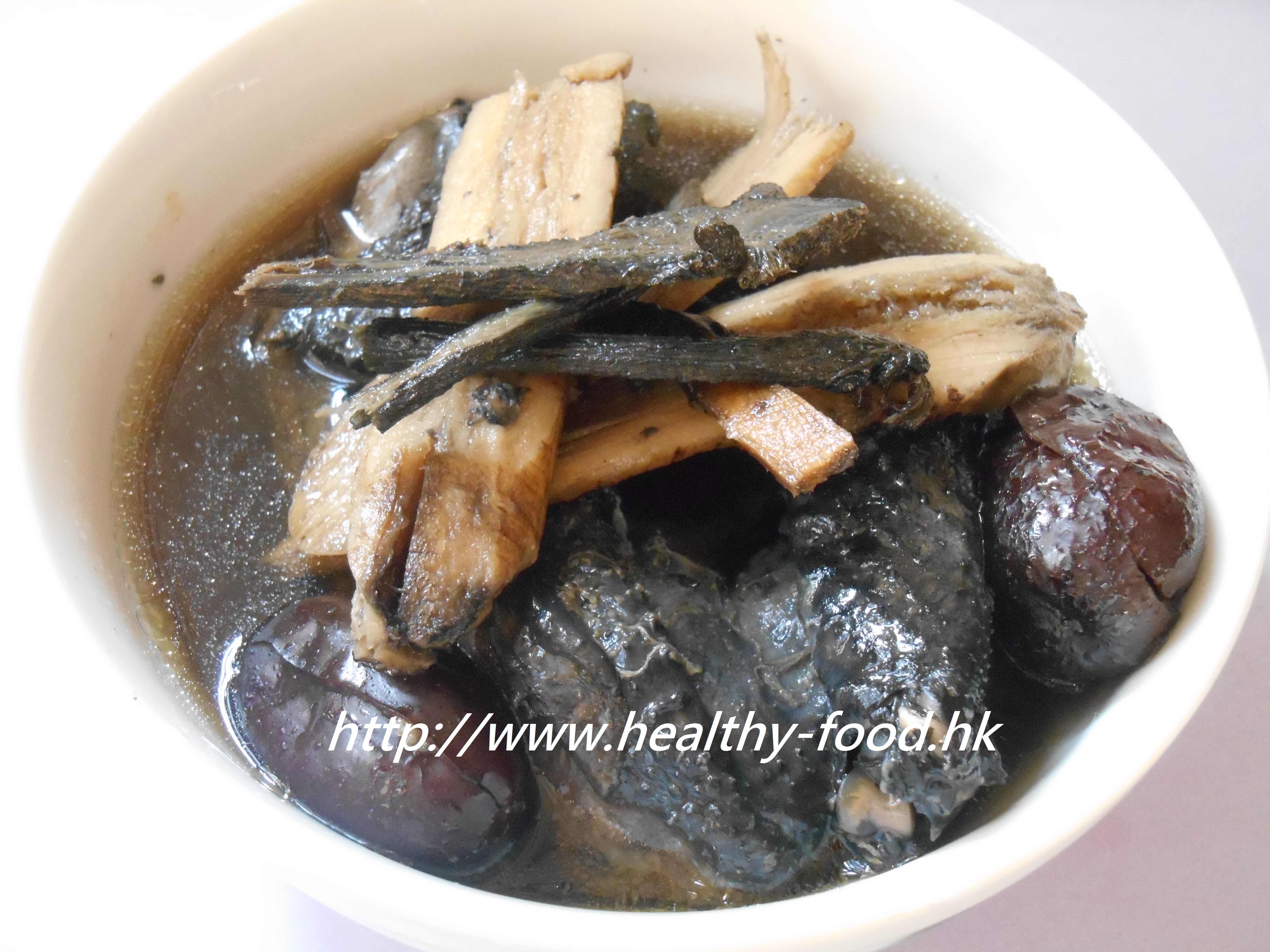
Astragalus Ginger Red Date Sea Bass Soup
Traditionally used to support prenatal and postnatal recovery
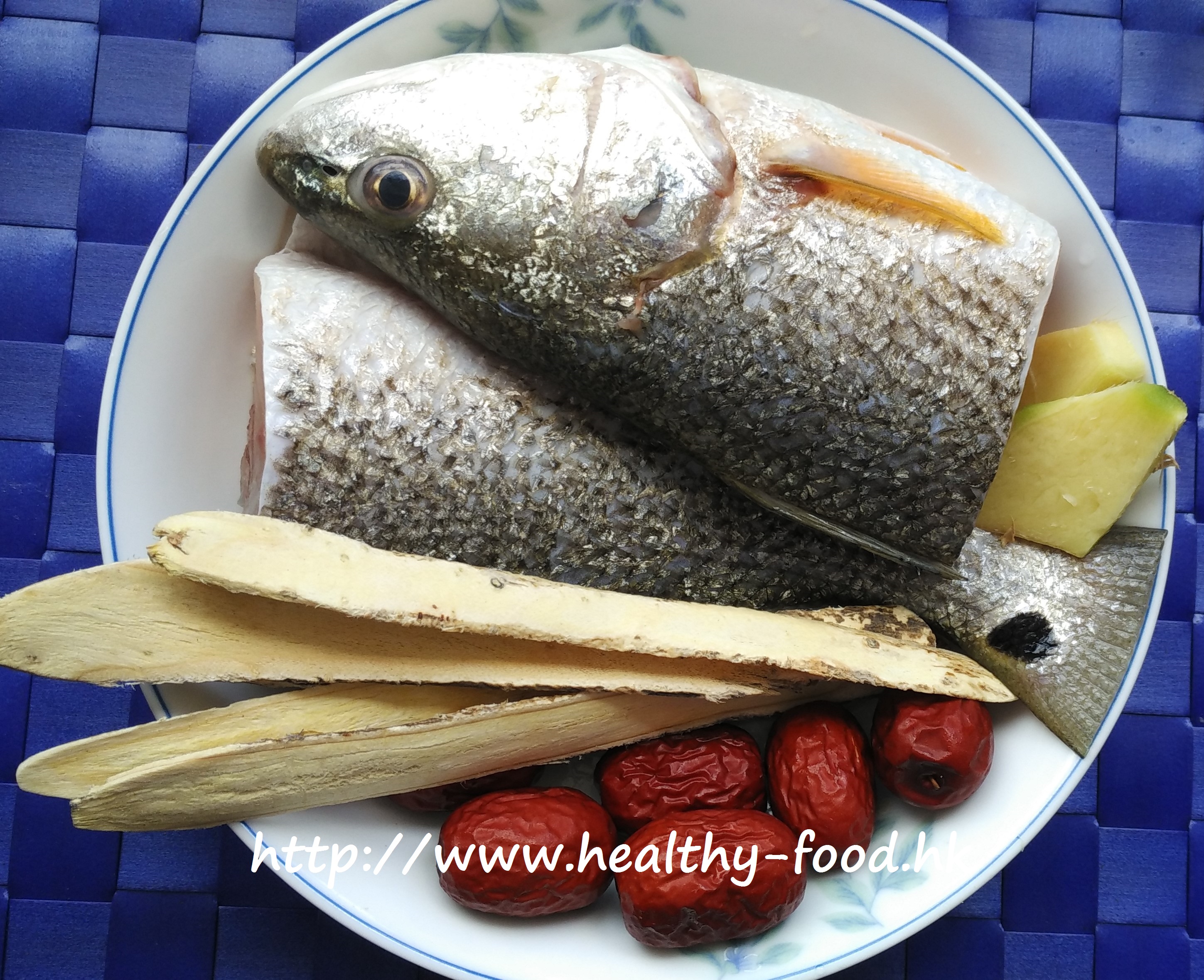
Why people make this soup
Sea bass has long been treasured in Chinese food therapy as a protein-rich, easily digestible fish that is associated with promoting milk production, replenishing blood, and supporting deep wound healing — without the heaviness of red meat. Paired with astragalus root, which is traditionally prized for consolidating the body’s surface defences, reducing spontaneous sweating, and supporting tissue repair, plus warming ginger and iron-rich red dates, this soup is a time-honoured recipe for women navigating the physical demands of pregnancy or the recovery period after birth. It is light enough not to burden a sensitive postpartum stomach, yet substantial enough to genuinely nourish.
Who it suits / who should be cautious
- Suitable for pregnant women experiencing tiredness, mild oedema, anaemia, or night sweats, and for new mothers in the second week after delivery and beyond — whether after natural birth or caesarean section.
- People with active skin conditions (eczema, psoriasis, skin rashes) are traditionally advised to limit sea bass; use a smaller amount or substitute with another mild white fish.
- Those with ongoing heavy lochia (postpartum bleeding) should wait until discharge has cleared before using herb-based tonifying soups; for the first week or two, simpler vegetable-based broths are preferable.
- The whole family can enjoy this soup; it is not restricted to new mothers.
Why these ingredients (the food-therapy logic)
- Astragalus root (bei qi): One of the most widely used tonic herbs in Chinese food therapy. Traditionally associated with consolidating the body’s outer defences, reducing spontaneous or night sweating, supporting the immune system, and promoting tissue regeneration — making it particularly valued after surgery or childbirth.
- Sea bass (hai lu yu): A lean, protein-rich fish that is very low in saturated fat. Traditionally associated with nourishing the blood, stimulating milk production, and supporting the healing of deep wounds. Modern nutritional analysis confirms it is rich in unsaturated fatty acids, which are associated with cardiovascular health.
- Red dates (hong zao): A staple of Chinese food therapy, traditionally associated with nourishing the blood, calming the mind, and supporting the spleen and stomach. They add natural sweetness and pair harmoniously with astragalus.
- Fresh ginger (sheng jiang): Warming and protective; traditionally used to support digestion, dispel cold, and help the body adapt during the vulnerable postpartum period.
Ingredients (2–3 bowls)
| Ingredient | Amount | Notes |
|---|---|---|
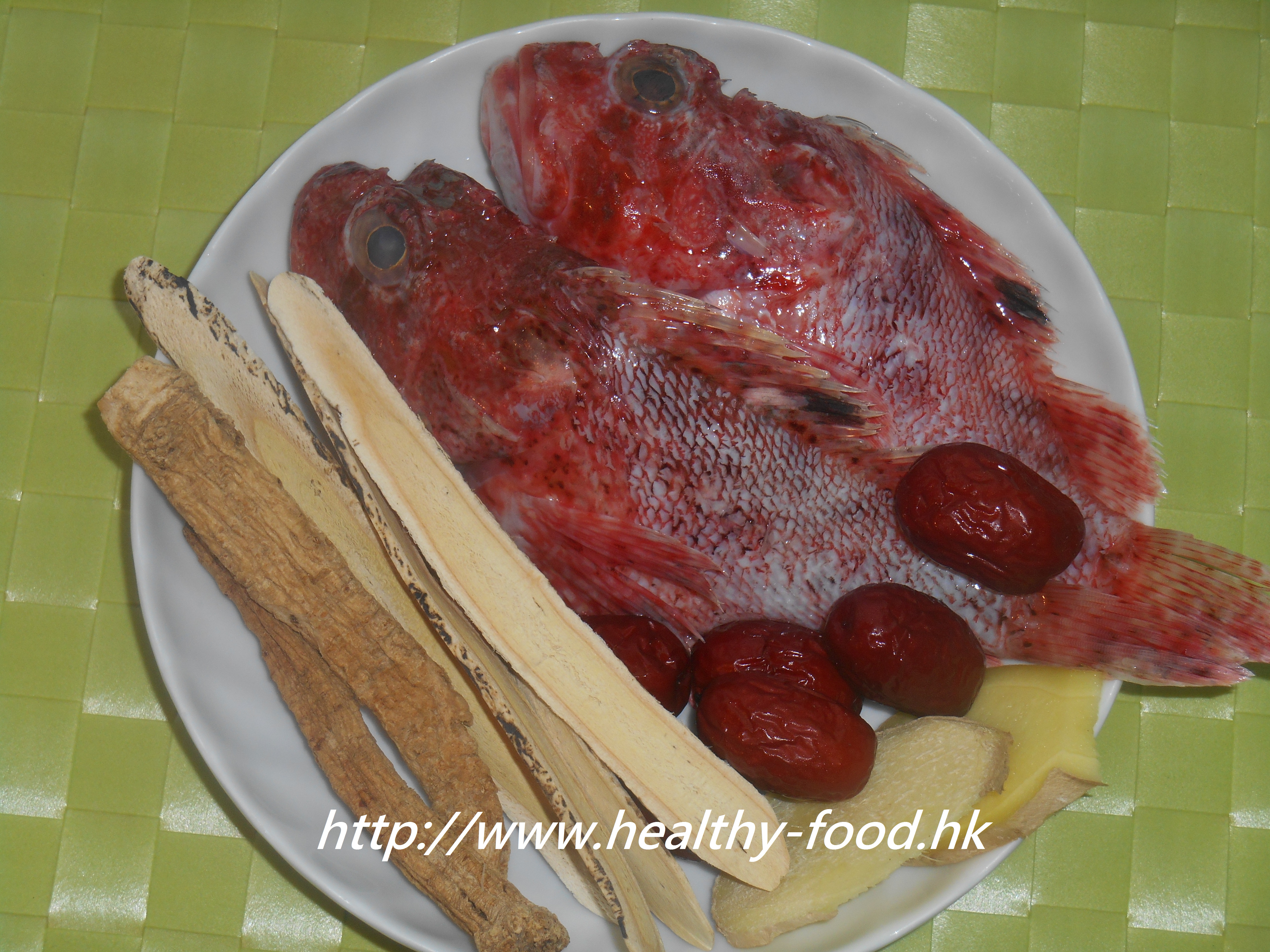
| Astragalus root (bei qi) | ~37 g (1 liang) | Rinse and soak briefly before use |
| Red dates (hong zao) | 6 | Pitted |
| Fresh ginger | 2–3 slices | |
| Sea bass | ~375 g (10 liang) | Cleaned; pan-fry briefly before adding to pot |
| Water | 6 bowls (~1.5 L) |
Method
- Rinse and briefly soak the astragalus root in cold water. Remove the pits from the red dates.
- Clean and scale the sea bass. Heat a small amount of oil in a pan and lightly pan-fry the fish until lightly golden on both sides — this removes any fishy smell and gives the soup a richer flavour.
- Place all ingredients (astragalus, red dates, ginger, and the pan-fried fish) into a pot with 6 bowls of water.
- Bring to a boil, then reduce to a medium simmer and cook for 30 minutes until about 2–3 bowls of liquid remain.
- Serve warm, drinking the broth and eating the fish.
Bro Niu’s tips
This soup nourishes qi and blood and is suitable for the whole family, not only new mothers. Sea bass is nutritionally impressive — rich in unsaturated fatty acids, high in protein, and easy to digest — and is associated with supporting cardiovascular health and cognitive function in traditional practice. However, people with skin conditions such as eczema or psoriasis should be cautious and use it sparingly or skip it.
Community questions answered (selected)
-
Q (reader): It has been two weeks since my caesarean — can I drink this soup? Will astragalus cause lochia to increase? Bro Niu: When used at 5 qian (about 18 g) or less, astragalus should not increase lochia. That said, it is ideal to wait until the lochia has cleared before starting tonifying soups — the second week is a reasonable time to begin.
-
Q (yy): I gave birth prematurely by caesarean and am breastfeeding. Even with air conditioning I sweat very easily, and I sweat at night too. Would this soup help? Bro Niu: Yes, you can make this soup — astragalus has a specific action of consolidating the surface and reducing sweating. Normally I would add floating wheat (fu xiao mai) for night sweats, but it has a mild milk-reducing effect, so skip it while breastfeeding. You can add a small handful of goji berries instead.
-
Q (Tracy): Should I wait until the lochia has finished before drinking this soup? Bro Niu: You can start from the second week after birth.
Published June 28, 2019 · Adapted and translated for Nourilo from a traditional home-kitchen recipe. Approx. 4 min read.