Soups
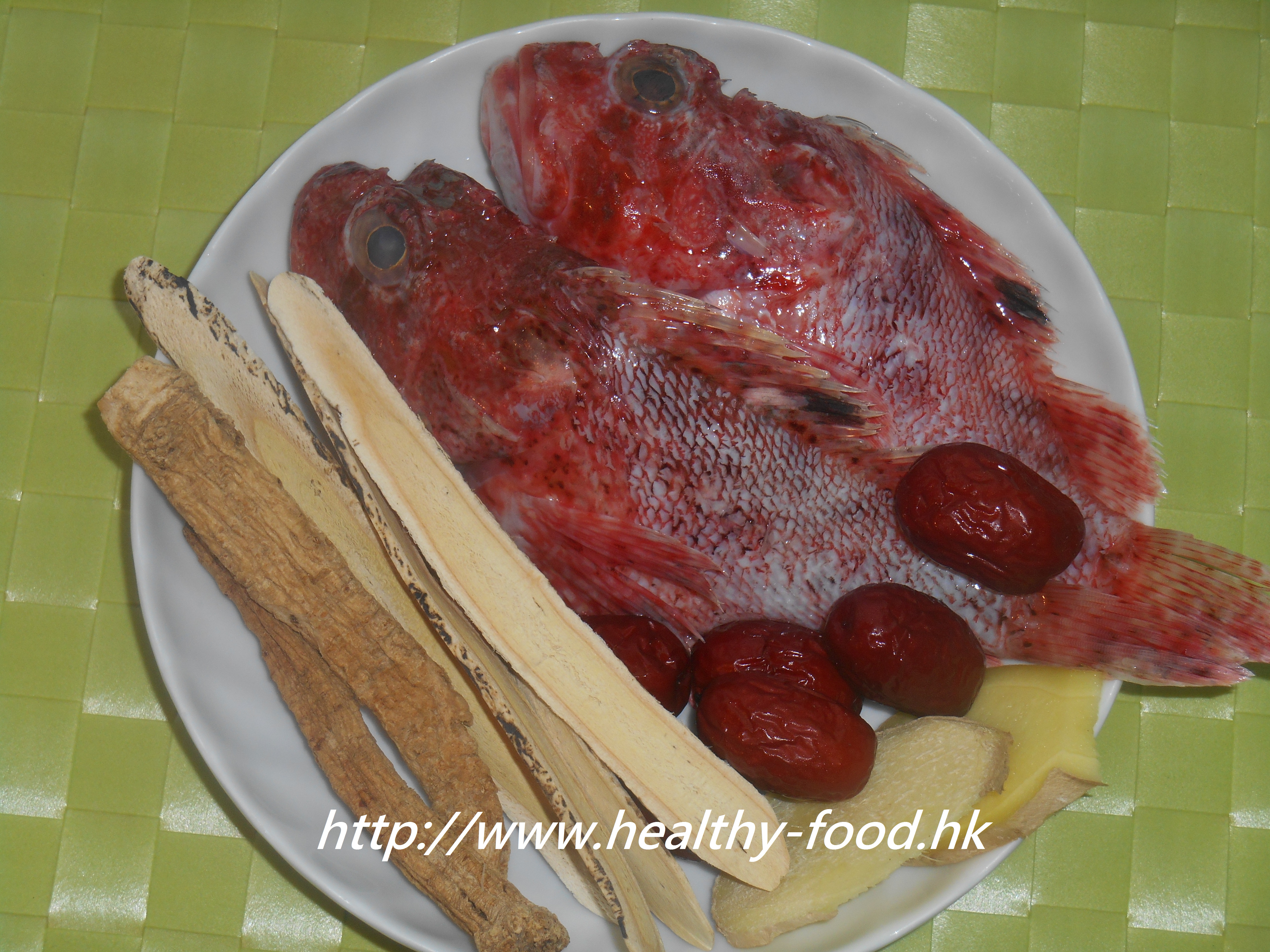
Astragalus, Codonopsis and Scorpionfish Soup
traditionally used to support wound healing and restore energy after surgery
Why people make this soup
After surgery, the body has used up a great deal of qi and blood to cope with the physical stress of the operation itself. Getting adequate nourishment quickly supports the body’s natural healing process. In Cantonese food-therapy tradition, this soup is a classic: the mild flavour of scorpionfish makes it easy to eat even when appetite is poor, while astragalus and codonopsis gently support energy and immune function. The combination of a delicate fish broth with these two key qi-tonifying herbs has long been a go-to formula for post-operative recovery.
Who it suits / who should be cautious
- Suitable for most adults and children recovering from surgery, post-partum women (from around day three), and anyone feeling persistently fatigued, pale, or lacking appetite
- Those with an active fever, cold, or flu should not drink this soup — wait until the illness has cleared
- If on Western medication after surgery, the soup is generally fine; however, wait at least five days before adding astragalus and codonopsis if blood sugar is a concern, and omit red dates for those managing high blood sugar (a few goji berries can substitute)
- For brain haemorrhage or cerebrovascular conditions, avoid strongly tonifying herbs like astragalus; consult your doctor first
Why these ingredients (the food-therapy logic)
- Astragalus root (bei qi): One of the most important qi-tonifying herbs in Chinese food therapy — traditionally said to strengthen the spleen, support immune defence, and, importantly, to help draw out toxins and encourage tissue regeneration. It is described as having a bidirectional effect on blood pressure: smaller amounts may gently raise it, larger amounts may lower it.
- Codonopsis root (dang shen): A gentler, more affordable substitute for ginseng; traditionally used to replenish the centre (the digestive system), boost energy, and nourish the blood — exactly what the body needs to rebuild after physical trauma.
- Scorpionfish (shi cong yu): An ugly-looking but prized fish in Cantonese cooking. Its flesh is tender and sweet, and it is traditionally associated with promoting wound healing, nourishing the lungs, and benefiting the spleen and stomach. Post-surgical soups and postpartum recovery broths frequently feature this fish in Cantonese tradition.
- Red dates (hong zao): Warm and naturally sweet, traditionally used to tonify the blood and calm the mind — a gentle, food-safe complement to the qi-building herbs.
- Fresh ginger (sheng jiang): Warms the middle, aids digestion, and helps the body absorb the nourishing qualities of the other ingredients.
Ingredients (3–4 bowls)
| Ingredient | Amount | Notes |
|---|---|---|
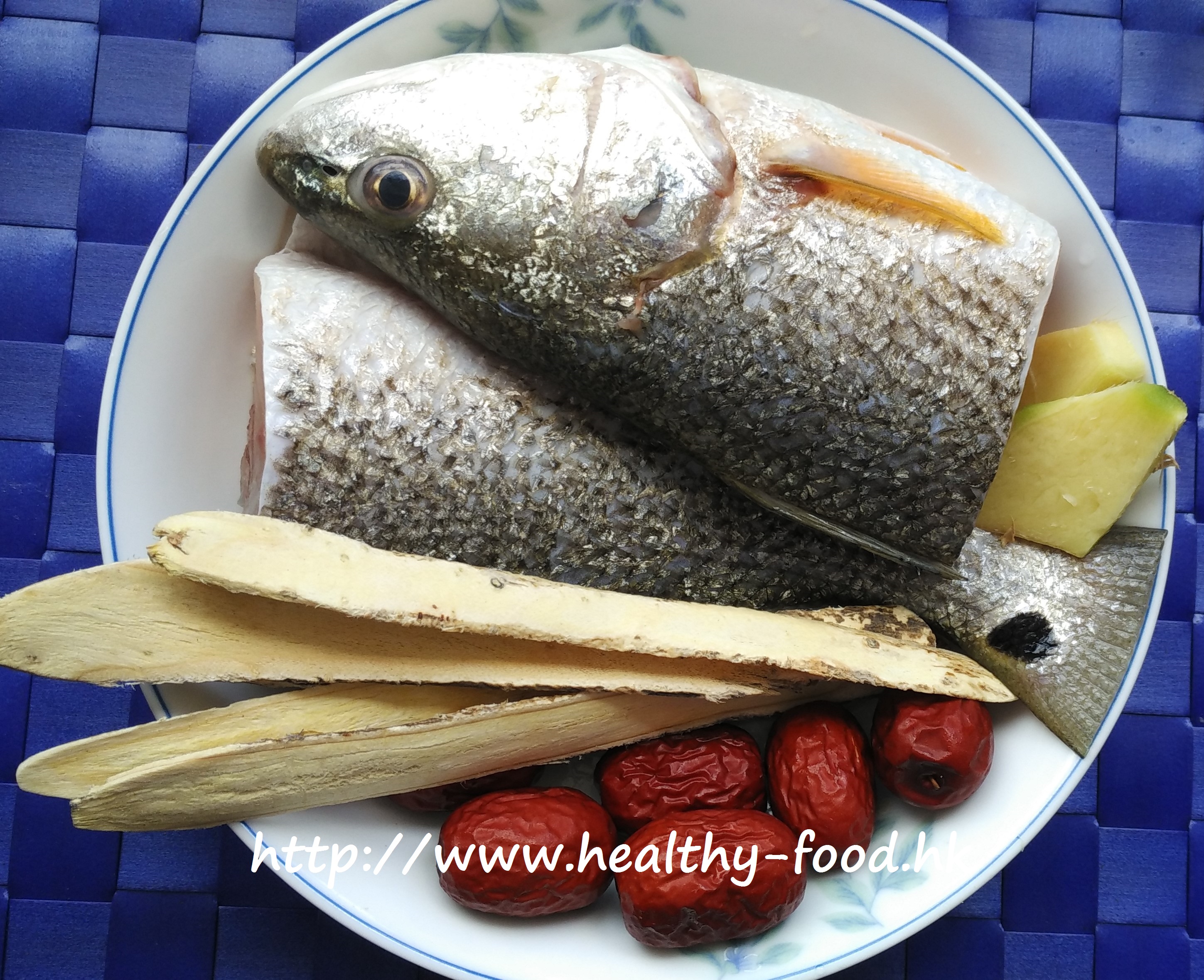
| Astragalus root (bei qi) | 18 g (5 qian) | Available at Chinese herbal medicine shops |
| Codonopsis root (dang shen) | 18 g (5 qian) | Rinse and soak briefly before use |
| Red dates (hong zao) | 6 pieces | Pit them to avoid bitterness |
| Fresh ginger | 2 slices | |
| Scorpionfish (shi cong yu) | ~450 g (2 fish) | Ask the fishmonger to trim the venomous spines; pan-fry briefly first |
| Water | 7 bowls (~1.75 litres) |
Method
- Ask your fishmonger to clean and trim the venomous spines from the scorpionfish. Rinse the fish thoroughly at home.
- Heat a small amount of oil in a pan or wok over medium heat. Pan-fry the fish on both sides until golden and lightly fragrant. This step reduces fishiness and adds depth to the broth.
- Rinse the astragalus, codonopsis, and ginger briefly. Pit the red dates.
- Place all ingredients — fish, herbs, dates, and ginger — into a pot with 7 bowls of water.
- Bring to the boil, then reduce heat and simmer for 1.5 hours (90 minutes).
- Serve warm. Drink the broth; the fish flesh may also be eaten.
Bro Niu’s tips
This soup is nourishing but not heavy — suitable for young and old alike. If scorpionfish is unavailable, sea bass (lu yu) or another firm white fish such as stone perch (shi jiu gong) works just as well. Drinking this regularly can support general immune function. Avoid it if you have an active fever or illness. For best results after surgery, begin with plain daikon-and-dried-tangerine-peel water on the day of the operation, then move to congee with a little astragalus and dried scallop for the first two days, and introduce this fish soup from around day three.
Community questions answered (selected)
-
Q (Pinky): I just had stitches removed after finger surgery but the wound hasn’t fully closed yet. Can I make scorpionfish soup? I’ve seen online comments saying you shouldn’t eat scorpionfish if you have an open wound. Bro Niu: Scorpionfish soup — or sea bass soup — actually helps speed up wound healing. You can have 2 to 3 servings.
-
Q (reader — after pancreatic cancer surgery): My family member just had surgery to remove part of the pancreas. They are on Western medication and have fairly high blood sugar. Can they use astragalus and codonopsis in the soup, and should we leave out the red dates? Bro Niu: You can make scorpionfish soup after surgery, but wait at least five days before adding astragalus and codonopsis. Leave out the red dates and add a small amount of goji berries instead. In the meantime, a simple soup with chayote, corn, and carrot with scorpionfish is already very beneficial and perfectly fine to have while on Western medication.
-
Q (Tinki): One month after a caesarean section — can I have scorpionfish soup? What else can I add? Bro Niu: One month after a c-section the surface wound has closed, but the deeper layers take two to three months to fully heal. You can use 3 qian each of astragalus and codonopsis with 5 red dates and 2 slices of ginger. This helps speed recovery — two to three servings a week is a good rhythm.
Published January 18, 2016 · Adapted and translated for Nourilo from a traditional home-kitchen recipe. Approx. 4 min read.