Herbal & Flower Teas
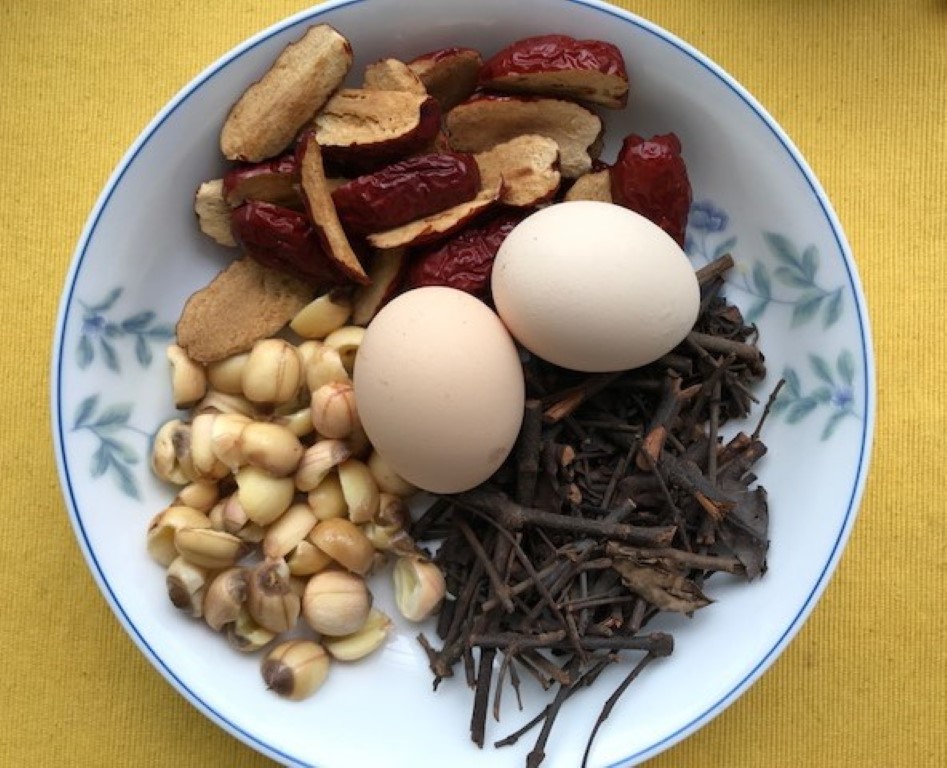
Steamed Mulberry Mistletoe, Lotus Seed and Egg Sweet Tea
Traditionally used to support a steadier heartbeat and ease fatigue
Why people make this tea
Old Cantonese teahouses used to serve a mulberry-mistletoe, lotus-seed and egg sweet tea, but as flashier desserts took over, this faintly bitter classic slipped off the menu. Bro Niu thinks that is a shame — mulberry mistletoe is cheap yet well loved in traditional kitchens, said to nourish the liver and kidneys, strengthen sinew and bone, and settle the body. These days pharmacies sell a steamed version that loses the bitterness while keeping its gentle reputation, so the tea is mild enough for the whole family.
Who it suits / who should be cautious
- Anyone who tires easily, feels a touch of chest tightness, or simply wants a warming, nourishing sweet tea; it is also traditionally favoured by women in early pregnancy and after childbirth.
- If you have a genuinely irregular, too-fast or too-slow heartbeat, this is supportive only — please see a doctor to find the underlying cause first.
Why these ingredients (the food-therapy logic)
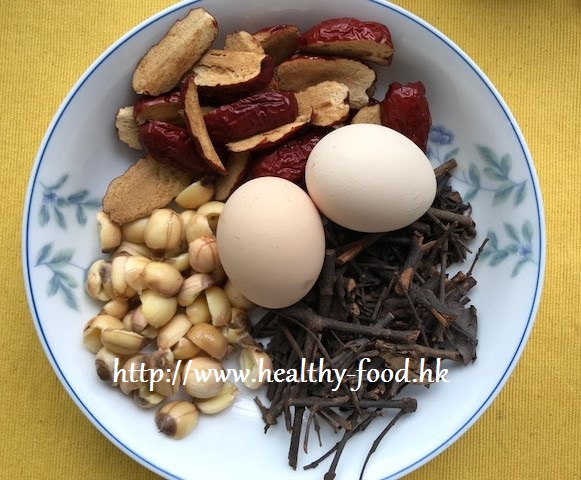
- Steamed mulberry mistletoe (zhi sang ji sheng): traditionally used to nourish the liver and kidneys, strengthen sinew and bone, and steady the body; the steamed form is less bitter.
- Lotus seeds (lian zi): long associated with calming the spirit and supporting the heart.
- Red dates (hong zao): traditionally used to nourish the blood and add natural sweetness.
- Eggs (ji dan): add nourishment and make the tea smooth and satisfying.
Ingredients (2–3 bowls)
| Ingredient | Amount | Notes |
|---|---|---|
| Steamed mulberry mistletoe | ~38 g (1 tael) | Rinse and soak |
| Fresh lotus seeds | ~75 g (or ~38 g dried) | Remove green core |
| Red dates | 6 | Pitted |
| Eggs | 2–3 | Hard-boiled, shelled |
| Rock sugar | to taste | Add at the end |
Method
- Hard-boil the eggs, then peel.
- Rinse and soak the mulberry mistletoe; remove the cores from the lotus seeds; pit the red dates.
- Simmer the mistletoe, lotus seeds and dates in 7 bowls of water for about 40 minutes, reducing to 2–3 bowls.
- Add the peeled eggs and rock sugar; once the sugar dissolves, serve.
Bro Niu’s tips
This tea is smooth, fragrant and nourishing — fine for young and old. It is traditionally regarded as helpful for those who tire easily or feel chest tightness, and is a favourite for pregnant and postpartum women.
Community questions answered (selected)
- Q (Josie): I’m 13 weeks pregnant and have frequent headaches lately. Is there a soup that could help? I’m in Australia and can’t get your book. Bro Niu: (Answered directly to her.) My book is out of print and only turns up occasionally on second-hand book sites.
- Q (YK): How can I regulate ovulation-phase bleeding? And can someone with uterine fibroids eat deer-foetus paste? Bro Niu: With uterine fibroids, avoid foods high in hormones such as deer foetus, any foetal products, bird’s nest, seahorse or hashima. For ovulation bleeding, it’s best to see a doctor to find the cause. You can also simmer 1 bundle of fresh imperata root, 3 fresh lotus-root nodes and 1 snow pear in water for 20 minutes — this helps cool the blood and ease bleeding.
Published August 20, 2024 · Adapted and translated for Nourilo from a traditional home-kitchen recipe. Approx. 2 min read.