Soups
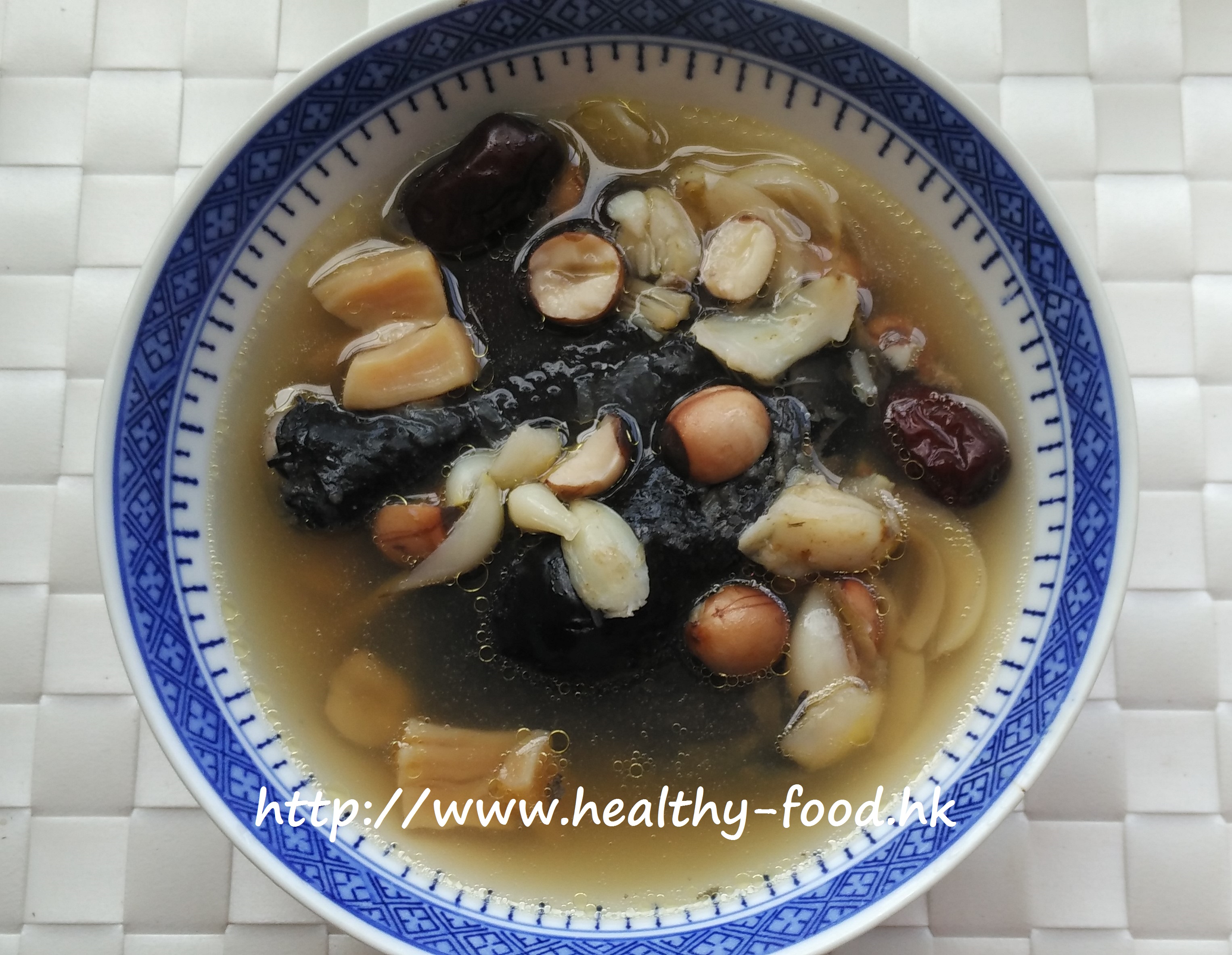
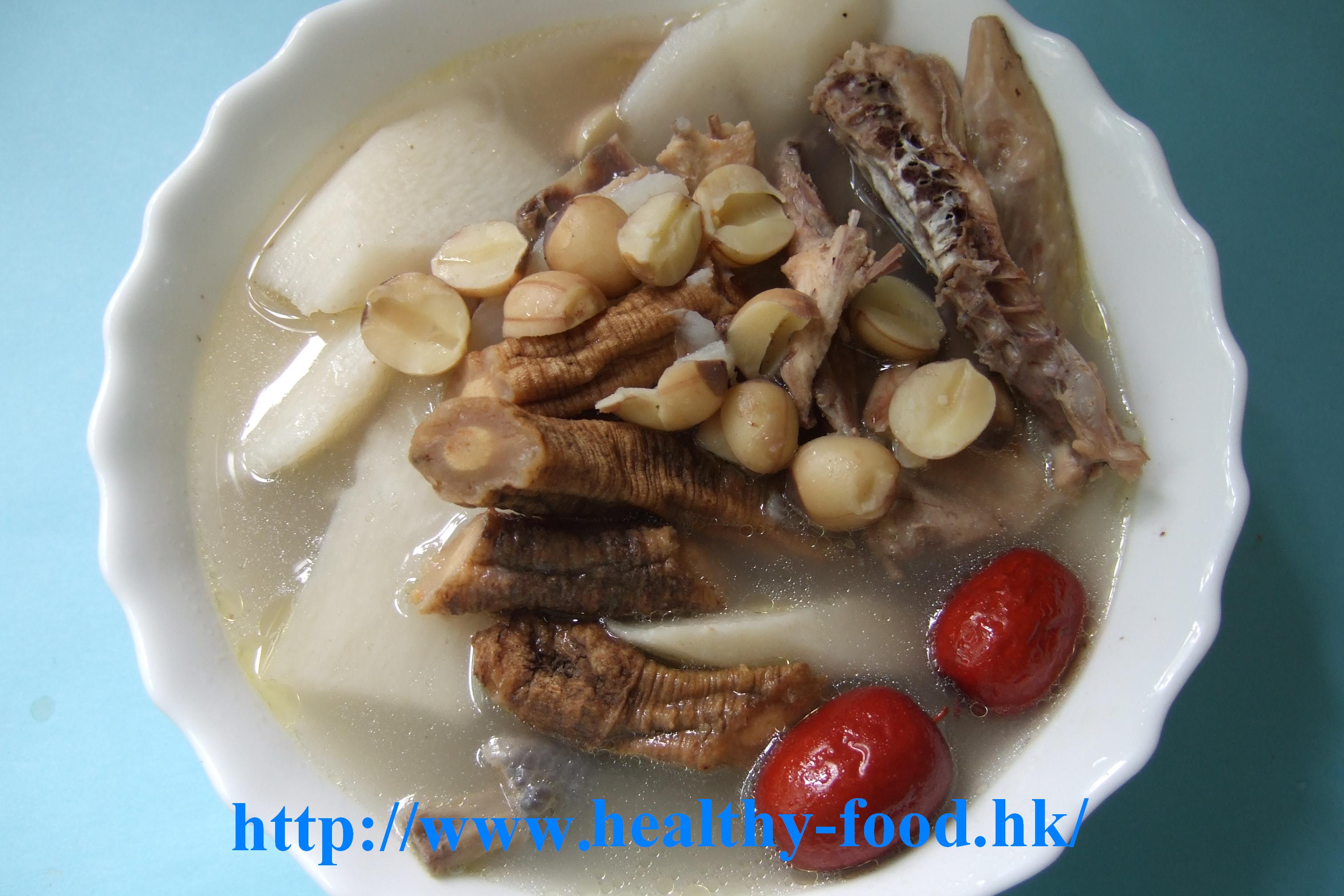
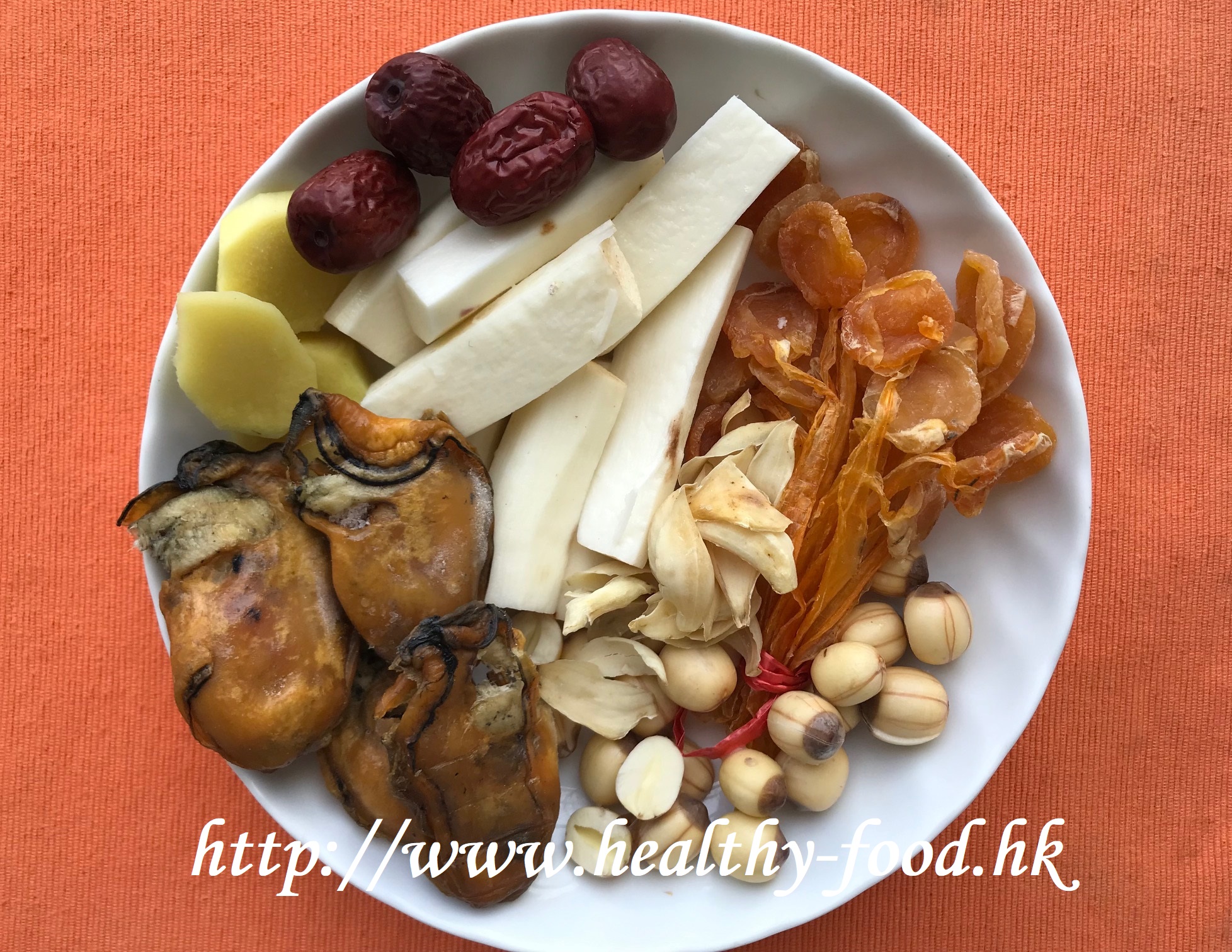
Moon Fish, Fresh Chinese Yam, Lotus Seed, Lily Bulb & Dried Oyster Soup
Traditionally associated with nourishing yin, calming the mind, and supporting vitality during midlife transitions
Why people make this soup
The transition through menopause — and the less-talked-about male equivalent — can show up in many ways: disrupted sleep, a mind that races at night, sudden waves of warmth, a shorter fuse, memory that feels hazier than before. Traditional Cantonese food therapy views this period as a time when the body’s yin reserves naturally decline, and the strategy is to nourish rather than fight. This soup brings together a group of ingredients that have been used for centuries in southern Chinese households to support this particular phase of life. It is not a cure and it is not a hormone replacement — it is simply a warm, genuinely delicious pot of soup that supports the body with real, nourishing ingredients.
Who it suits / who should be cautious
- Suitable for both men and women going through midlife hormonal changes
- Good for those experiencing poor sleep, mild night sweats, feeling overly warm, or emotional restlessness
- Suitable for the elderly and those recovering from general fatigue
- Generally gentle and safe for most adults; the whole family can drink this soup
- Those with frequent nighttime urination should limit their evening intake of this soup (see Bro Niu’s tips section for an alternative recommendation)
Why these ingredients (the food-therapy logic)
- Dried moon fish (ri yue yu / 日月鱼): A prized dried seafood in Cantonese cooking with a rich, savoury depth. Traditionally regarded as tonifying the kidneys and supporting overall vitality
- Fresh Chinese yam (xian huai shan / 鲜淮山; Dioscorea polystachya): One of the most widely used tonic foods in Chinese food therapy; traditionally regarded as strengthening the spleen, nourishing the lungs and kidneys, and supporting energy without causing dryness
- Lotus seeds (lian zi / 莲子; Nelumbo nucifera): Called the “fruit of the spleen” in Chinese medicine. Traditionally used to calm the mind, support restful sleep, and strengthen the digestive system
- Dried lily bulb (bai he / 百合; Lilium lancifolium): Traditionally associated with clearing gentle restless heat, moistening the lungs, and calming an overactive mind — particularly helpful for those who feel emotionally unsettled
- Dried oysters (hao shi / 蚝豉): Rich in zinc and minerals; in traditional food therapy, associated with calming the mind and nourishing the kidneys
- Red dates (hong zao / 红枣): Gently tonify the blood and harmonise the other ingredients; add natural sweetness to the broth
Ingredients (4–5 bowls)
| Ingredient | Amount | Notes |
|---|---|---|
| Dried moon fish (ri yue yu) | ~75 g | Rinse and soak briefly; blanch to remove impurities |
| Fresh Chinese yam (xian huai shan) | 1 large piece (~300 g) | Peel and cut into chunks; or use 1 liang dried if fresh unavailable |
| Fresh lotus seeds (xian lian zi) | ~75 g | Remove the bitter green core (heart); or use 1 liang dried |
| Dried lily bulb (bai he) | ~38 g | Rinse and soak briefly |
| Fresh ginger | 2 slices | Peeled |
| Red dates (hong zao), pitted | 5 | Remove stones |
| Dried oysters (hao shi) | 4–5 | Rinse and soak briefly; blanch to remove impurities |
| Water | 8–9 bowls |
Method
- Rinse and soak the dried moon fish and dried oysters briefly. Blanch both in boiling water for 1–2 minutes; drain.
- Peel the fresh Chinese yam and cut into large chunks.
- Remove the bitter green centre (heart) from each fresh lotus seed.
- Rinse the lily bulb; remove the pitted stones from the red dates.
- Place all ingredients into a large pot. Add 8–9 bowls of cold water.
- Bring to a boil over high heat, then reduce heat and simmer gently for 2 hours until liquid reduces to 4–5 bowls.
- Serve hot, eating both the soup and the cooked ingredients.
Bro Niu’s tips
This soup is deeply nourishing without being excessively rich or drying. If fresh Chinese yam and fresh lotus seeds are not available, dry versions (1 liang each) work perfectly well. If there are more people at the table, adding some lean pork shin gives the soup extra body and makes it even more satisfying. For elderly family members experiencing frequent nighttime urination — a separate concern from menopause symptoms — a more targeted soup would be a better choice: try white ginkgo (10 pieces), euryale seeds, raspberry fruit, and red dates cooked with pork bladder for that specific pattern.
Community questions answered (selected)
-
Q (Wing): How do you identify genuine moon fish (ri yue yu), since there are many imitations on the market? Bro Niu: You’re right that most of what’s sold today is pressed and shaped from blended squid or cuttlefish — both are still seafood and still delicious. Honestly, it is very difficult to tell the difference even for experienced cooks, because the imitations are made with genuine skill. I buy from established shops with a good reputation and do not worry too much about it — the flavour and nutrition are still excellent.
-
Q (Janet): My elderly relative sleeps poorly and has an overactive liver-heat constitution. Is this soup suitable? Bro Niu: Yes, this soup is suitable and not at all warming or drying. If sleep is particularly poor, add 1 liang of lily bulb to the pot — it helps further settle the mind for a calmer night.
-
Q (Sophie): I am 50 years old and eat healthily, but I keep getting mouth ulcers. Is there a suitable food-therapy suggestion? Bro Niu: Frequent mouth ulcers can point to yin deficiency with rising heat — sometimes worsened by poor sleep or low vitamin B. Try taking a vitamin B complex supplement daily for a week as a simple first step. For a food-therapy soup, simmer bean sprouts, snow fungus, firm tofu, and lean pork together for an hour — adding a few dried oysters nourishes yin and helps ease the internal heat.
Published October 2, 2021 · Adapted and translated for Nourilo from a traditional home-kitchen recipe. Approx. 5 min read.