Herbal & Flower Teas
Longan, Lotus Seed, Lily Bulb, Black Mulberry and Wheat Berry Tea
Traditionally associated with supporting blood nourishment, calming the mind, and easing insomnia and fatigue
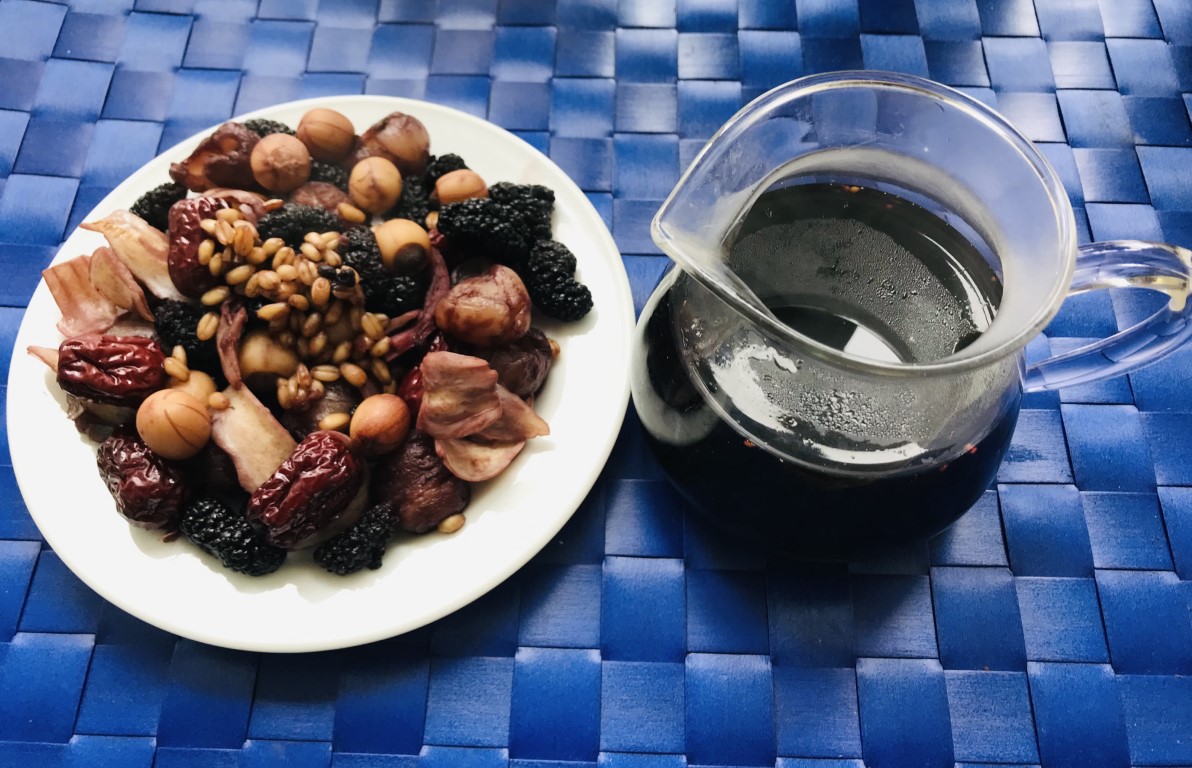
Why people make this tea
Anaemia and blood deficiency are surprisingly common, especially among women. Heavy periods are a frequent cause, but crash dieting, restrictive eating, or simply not eating enough iron-rich food can also play a role. The signs can be subtle but telling: a pale or sallow complexion, hair that has lost its lustre and sheds easily, dry skin, brittle nails, breathlessness on exertion, and a general tiredness that doesn’t go away with sleep. During periods, there may be dizziness, headaches, or palpitations. This warming, gently sweet tea addresses these concerns with a group of ingredients that Cantonese food therapy has long used for blood nourishment and calming the nervous system. It is not a replacement for medical treatment of iron-deficiency anaemia, but as a regular wellness tea it is both pleasant and supportive. It is also useful for those with general nervous weakness, forgetfulness, or anxiety.
Who it suits / who should be cautious
- Suitable for most adults; particularly helpful for women with heavy periods, blood deficiency, or poor sleep
- Suitable for older adults with nervous weakness, forgetfulness, or fatigue
- Pregnant women: omit longan flesh (yuan rou) and use 5 southern dates (nan zao) instead — longan is considered mildly stimulating and not recommended in pregnancy
- Not a substitute for diagnosis or treatment of clinical anaemia — if you suspect iron deficiency, see a doctor
Why these ingredients (the food-therapy logic)
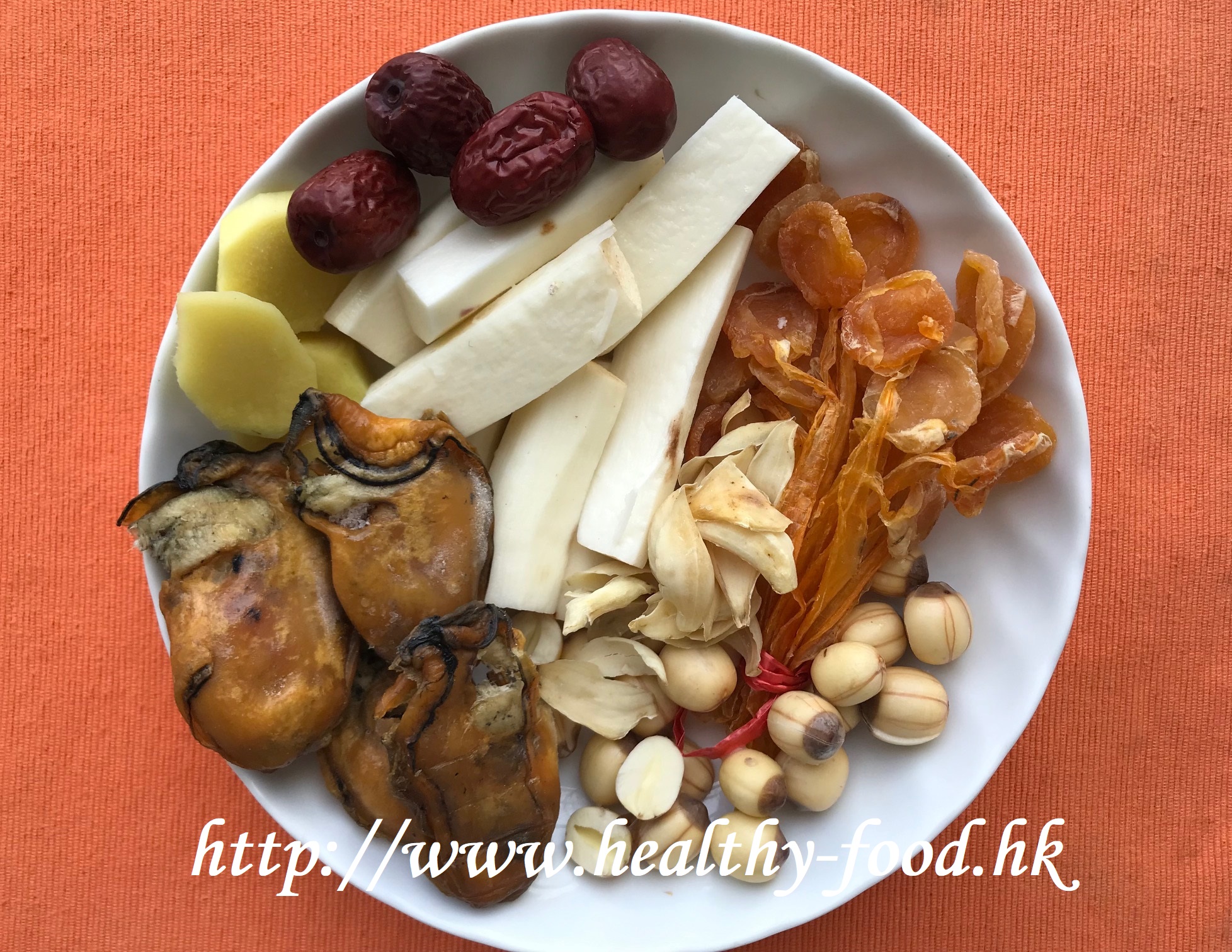
- Longan flesh (yuan rou): Warming and sweet; traditionally one of the most popular blood- and qi-nourishing ingredients in Cantonese cooking; associated with calming the heart, easing anxiety and palpitations, and supporting restful sleep
- Lotus seeds (lian zi): Calming and spleen-supporting; traditionally associated with settling the digestive system, calming the heart, and reducing nervous anxiety
- Lily bulb (bai he): Moistens the lungs and calms the nervous system; traditionally valued for easing insomnia and emotional restlessness
- Black mulberries (hei sang shen): Rich in nutrients; in food therapy, associated with nourishing the liver and kidney, supporting blood health, and addressing hair loss and dry skin; one of the few fruits specifically indicated for blood nourishment
- Wheat berries (xiao mai mi): Whole wheat grain used in food therapy to calm the mind and ease anxiety; classically combined with date and liquorice in formulas for emotional instability
- Red dates (hong zao): A universal tonic; blood-nourishing and calming; harmonises all other ingredients
- Brown sugar (hong tang): Gently warming; supports blood circulation and adds mild warmth
Ingredients (4 bowls)
| Ingredient | Amount | Notes |
|---|---|---|
| Dried longan flesh | 19 g (5 qian) | Rinse |
| Lotus seeds | 37 g (1 liang) | Rinse and soak briefly |
| Lily bulb | 37 g (1 liang) | Rinse and soak briefly |
| Dried black mulberries | 37 g (1 liang) | Rinse |
| Wheat berries (whole grain) | 37 g (1 liang) | Rinse and soak briefly |
| Red dates | 5 pieces | Rinse |
| Brown sugar | Small amount | Add at the end |
| Water | 7–8 bowls (~2 L) |
Method
- Rinse and soak lotus seeds, lily bulb, and wheat berries separately.
- Rinse the longan flesh, mulberries, and red dates.
- Combine all ingredients in a pot with 7–8 bowls of water.
- Bring to a boil, then reduce heat and simmer for 1 hour until reduced to about 4 bowls.
- Add a small amount of brown sugar, stir to dissolve.
- Serve warm; eat the soup and all the solids together.
Bro Niu’s tips
This tea has a pleasantly sweet, almost dessert-like quality, making it popular with adults and children alike. It can also be served as a light sweet soup. For nervous weakness or forgetfulness, it is particularly helpful. Note for pregnant women: replace longan flesh with 5 southern dates (nan zao), which provide similar nourishment without the warming, stimulating properties of longan that are best avoided in pregnancy.
Community questions answered (selected)
-
Q (Ada): I am unmarried, in my 40s, and my period has been delayed by more than 2 weeks lately. I’ve also had occasional hot flashes. I’ve seen a Chinese medicine doctor who noted I have some deficiency and internal heat. What would help? Bro Niu: Try using yi mu cao (motherwort, 11 g), shan zha (hawthorn, 11 g), and brown sugar in 4 bowls of water, simmering for 30 minutes. Take every other day until menstruation comes. After COVID, the body may take time to regulate. Getting regular exercise, eating plenty of dark green vegetables, dairy, eggs, mushrooms, seaweed, and salmon (for B, C, D vitamins) all support recovery. Try to maintain a positive outlook — it genuinely helps.
-
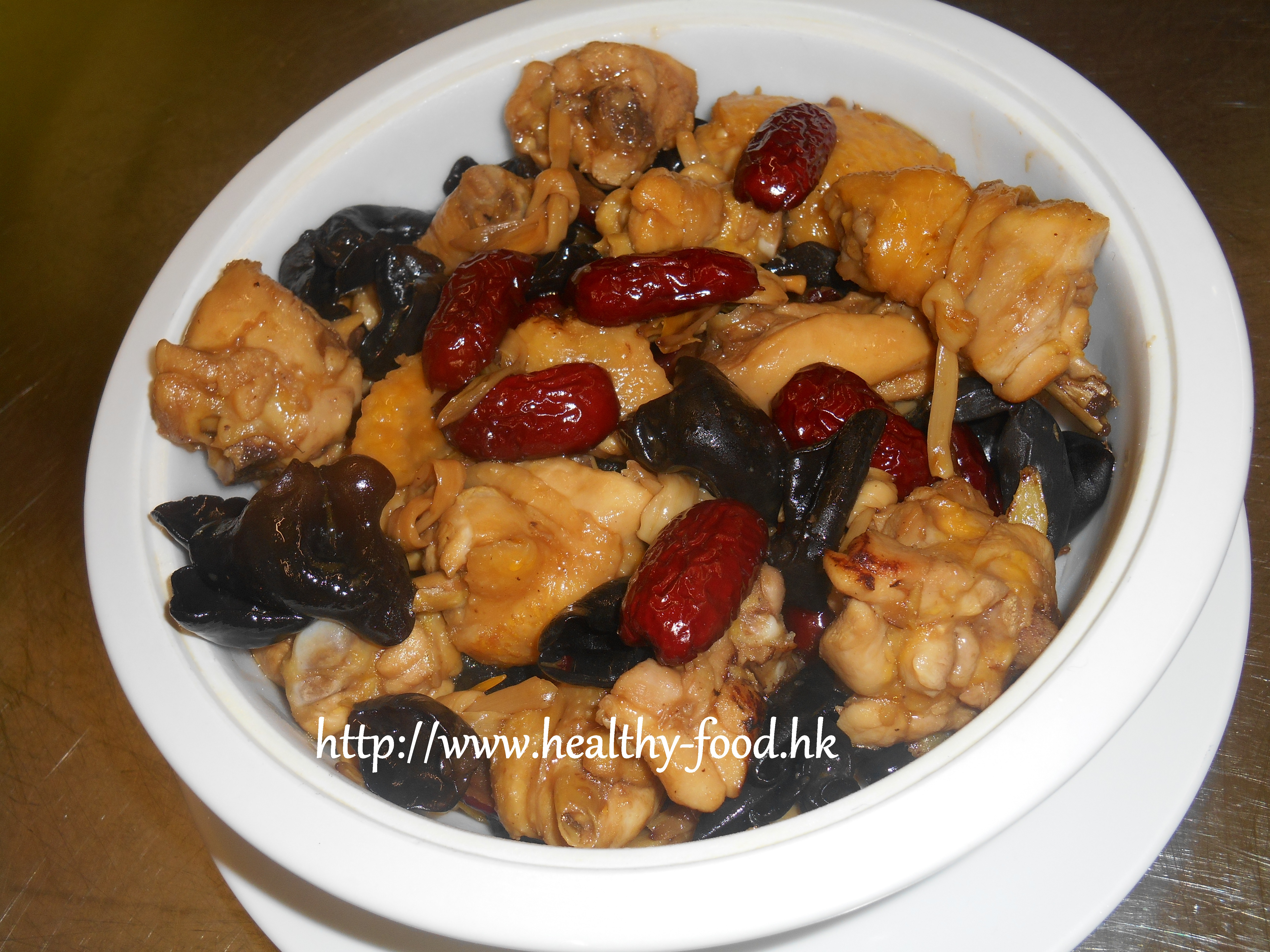
Q (Funny): My doctor found a 3 cm chocolate cyst (endometrioma) on my right ovary. I’m in my 20s and very worried. Could eating too much cooling food (like snow pear and corn) cause this? Bro Niu: No — soups like snow pear and corn do not cause endometriosis. However, excessive cold and raw food, cold drinks, and emotional stress can worsen symptoms or allow growths to enlarge. Eat and drink warm; stay active; avoid hormone-laden fast-growing poultry and farmed fish. Regularly using qi-moving, blood-nourishing herbs like bei qi, dang shen, hong zao, yuan rou, and chen pi in soups can be supportive. Black wood ear (stir-fried, or in a soup with red dates and brown sugar) is also associated with supporting blood circulation.
Published December 18, 2022 · Adapted and translated for Nourilo from a traditional home-kitchen recipe. Approx. 4 min read.