Soups
Soap Pod Seed, Lotus Seed, Lily Bulb & Longan Soup
traditionally used for postpartum nourishment, supporting milk production, and body recovery
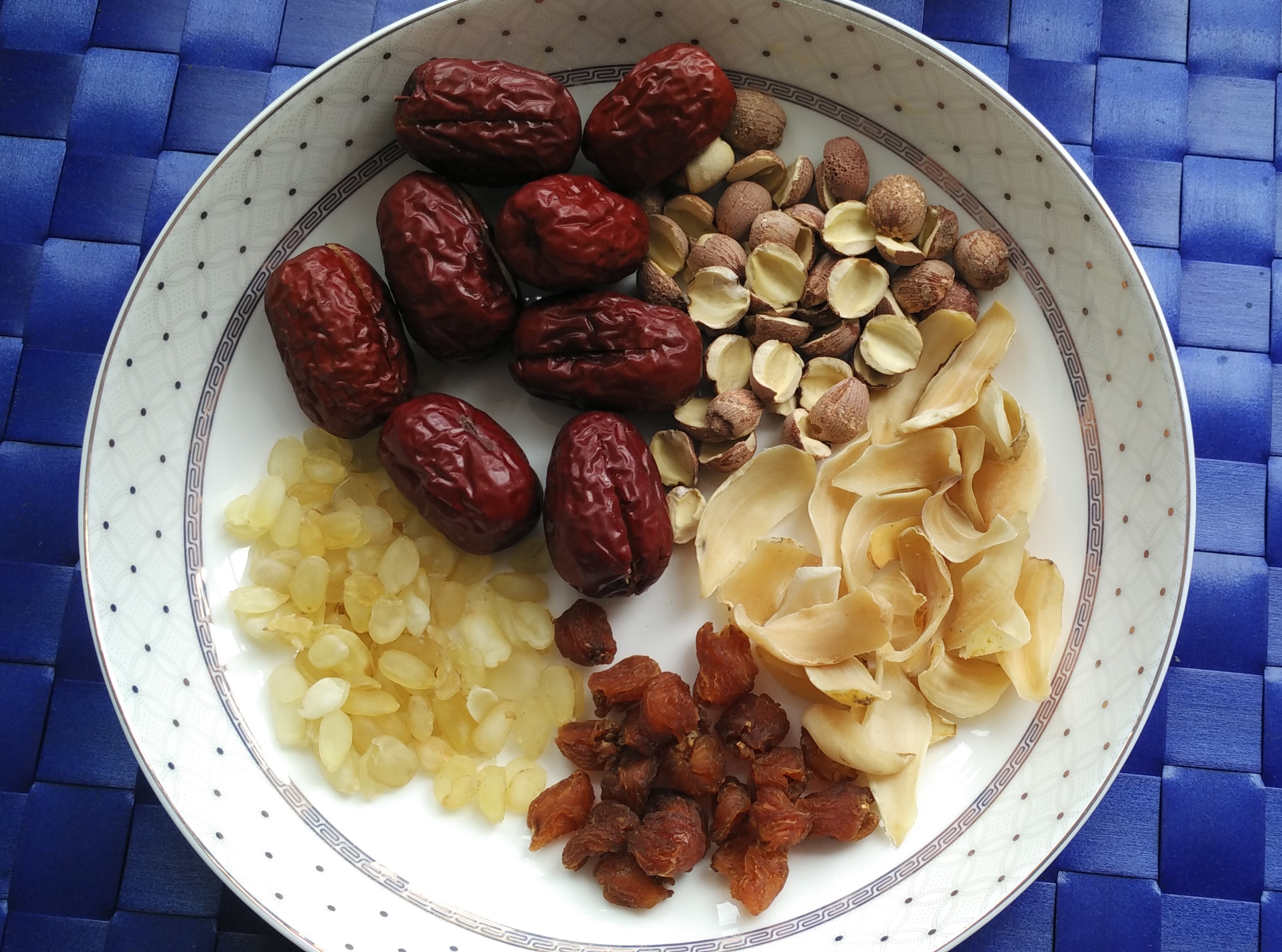
Why people make this soup
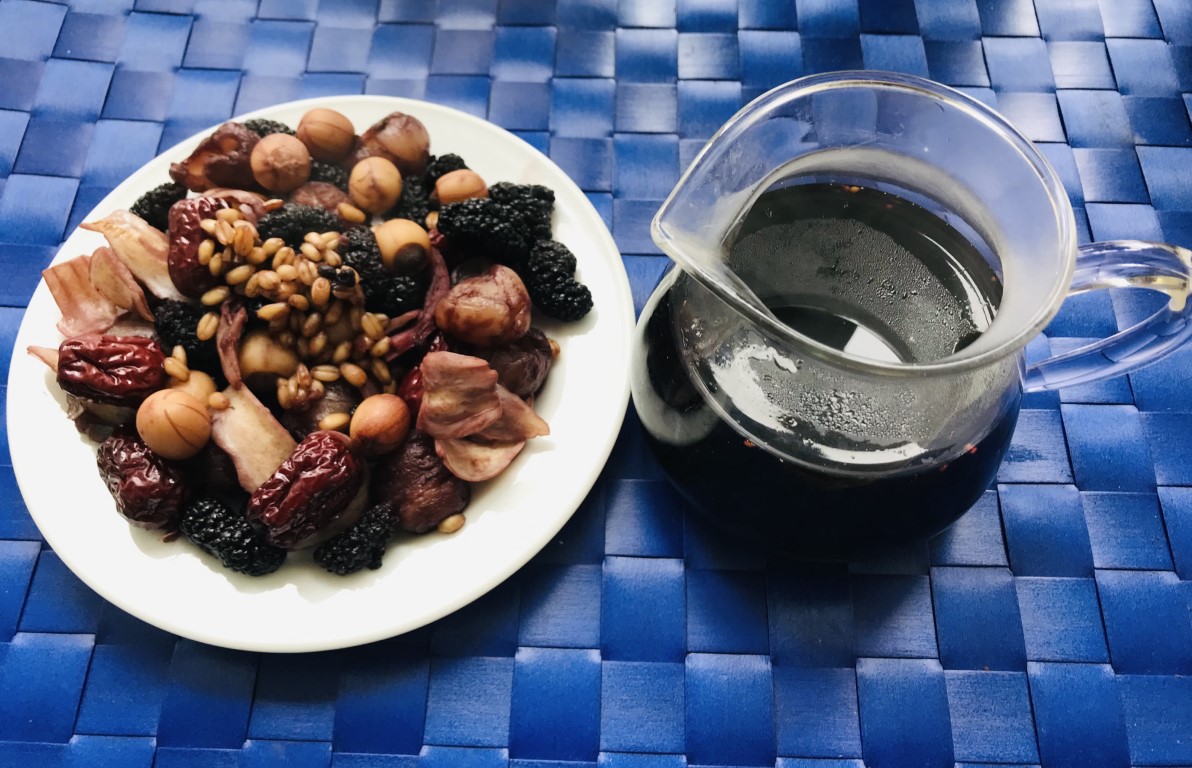
Soap pod seeds — known in Cantonese food shops as “snow lotus seeds” (xue lian zi) — are the seeds of the soap tree pod (Gleditsia sinensis), and they behave quite differently from most seeds: soaked in warm water, they swell and become semi-translucent, with a smooth, slightly gelatinous texture that is remarkably pleasant to eat. Their plant-based gelatin content makes them particularly popular for digestive comfort, weight management, and blood sugar balance. For new mothers in particular, Bro Niu highlights two benefits: soap pod seeds are said to support milk production and aid postpartum body recovery. Paired with heart-calming lotus seeds, moistening lily bulb, and sweet longan, this is a soup that is as soothing to drink as it is easy to make.
Who it suits / who should be cautious
- Suitable for postpartum mothers (from the second week after delivery onwards), those prone to constipation, those looking to manage weight, and anyone wanting a sweet, nourishing everyday soup
- Suitable for all ages; can be eaten as a sweet dessert soup with added sugar
- Those with an acute cold, flu, or fever should not consume this soup until they recover
Why these ingredients (the food-therapy logic)
- Soap pod seeds (zao jiao mi): High in plant gelatin and complex carbohydrates; traditionally associated with nourishing the heart, clearing liver heat, improving vision, beauty benefits, and supporting lactation; digestive-friendly for those prone to constipation
- Lotus seeds (lian zi): Calm the mind, support the heart, and tonify the spleen; traditionally used to ease restlessness and support sleep
- Dried lily bulb (bai he): Moistens the lungs and calms the spirit; often used for anxiety, mild insomnia, and lung dryness
- Longan flesh (yuan rou): Warm and sweet; nourishes heart blood, supports sleep, and adds natural sweetness to the soup
- Red dates (hong zao): Tonify qi and blood; a classic tonic base in Chinese food therapy
Ingredients (3–4 bowls)
| Ingredient | Amount | Notes |
|---|---|---|
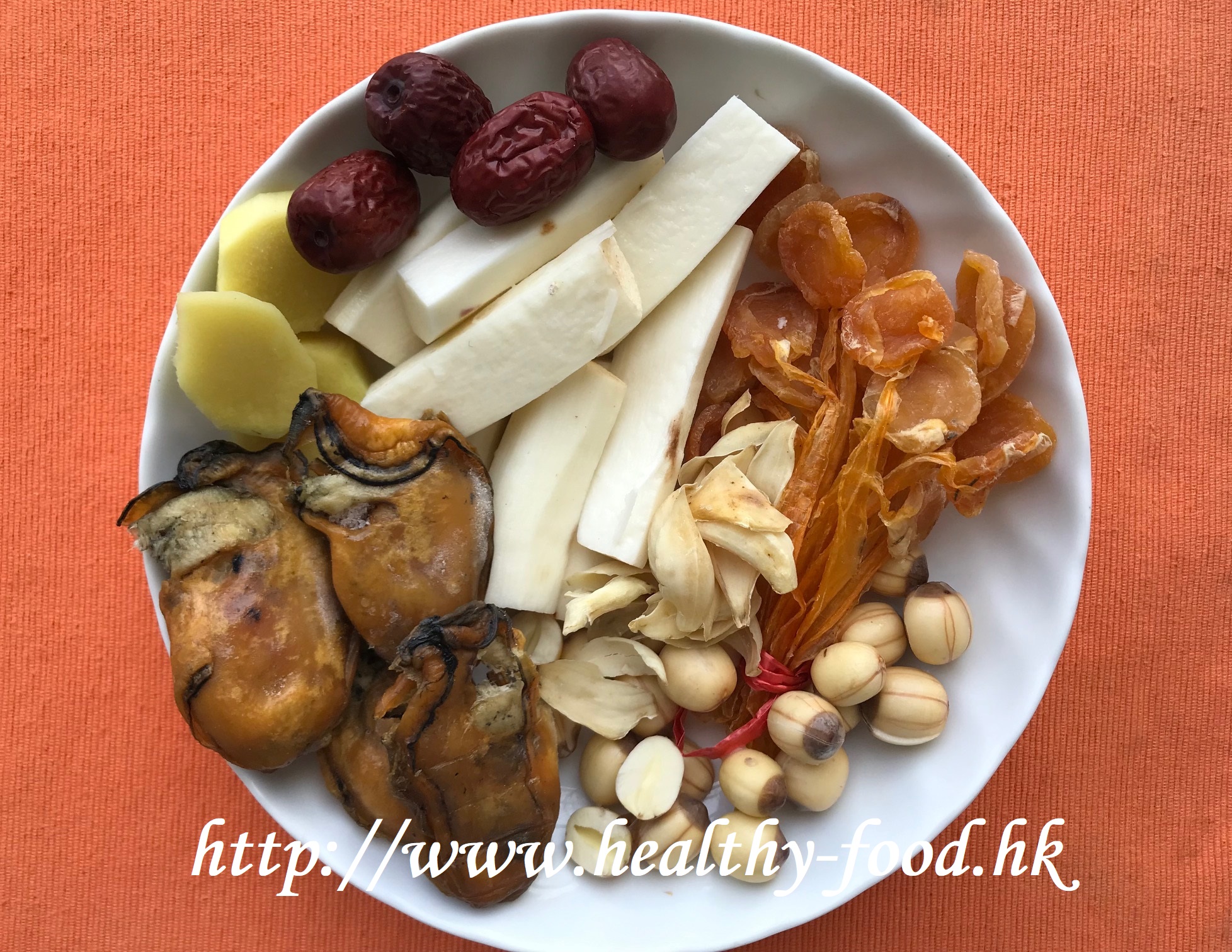
| Soap pod seeds (xue lian zi) | ~40 g | Soak in warm water 2–3 hours until swollen and translucent |
| Lotus seeds | ~40 g | Rinse and soak briefly |
| Dried lily bulb | ~40 g | Rinse and soak briefly |
| Dried longan flesh | ~20 g | |
| Red dates | 6–8 pieces | Pit and rinse |
| Water | 7 bowls (~1.75 L) |
Method
- Soak the soap pod seeds in warm water for 2–3 hours until fully swollen and translucent; drain.
- Pit the red dates; rinse lotus seeds and lily bulb.
- Place all ingredients together in a pot with 7 bowls of water.
- Bring to a boil, then reduce to a medium-low simmer for 1 hour.
- Serve the soup and eat the cooked seeds and ingredients.
Bro Niu’s tips
This soup is naturally sweet and pleasant, suitable for the whole family. It can also be prepared with peanuts, mung beans, or glutinous rice for a porridge-style variation, and adding a little rock sugar or granulated sugar makes it a proper sweet dessert soup. New mothers can begin drinking this from about the second week after giving birth. Avoid during fever or acute illness.
Community questions answered (selected)
-
Q (Winnie): Do I need to wait until the lochia (postpartum discharge) has cleared before drinking this? Bro Niu: This soup can be drunk from about the second week after delivery — there is no need to wait for lochia to completely clear first.
-
Q (VC): Can cancer patients consume soap pod seeds and peach resin? Bro Niu: Yes, both are suitable. However, cancer patients should not add sugar when preparing sweet soups with these ingredients, as sugar and high-fat foods are best avoided.
-
Q (anonymous): Can this be served as a dessert sweet soup? Bro Niu: Absolutely — add sugar and serve as a sweet dessert soup.
Published April 28, 2018 · Adapted and translated for Nourilo from a traditional home-kitchen recipe. Approx. 3 min read.