Soups
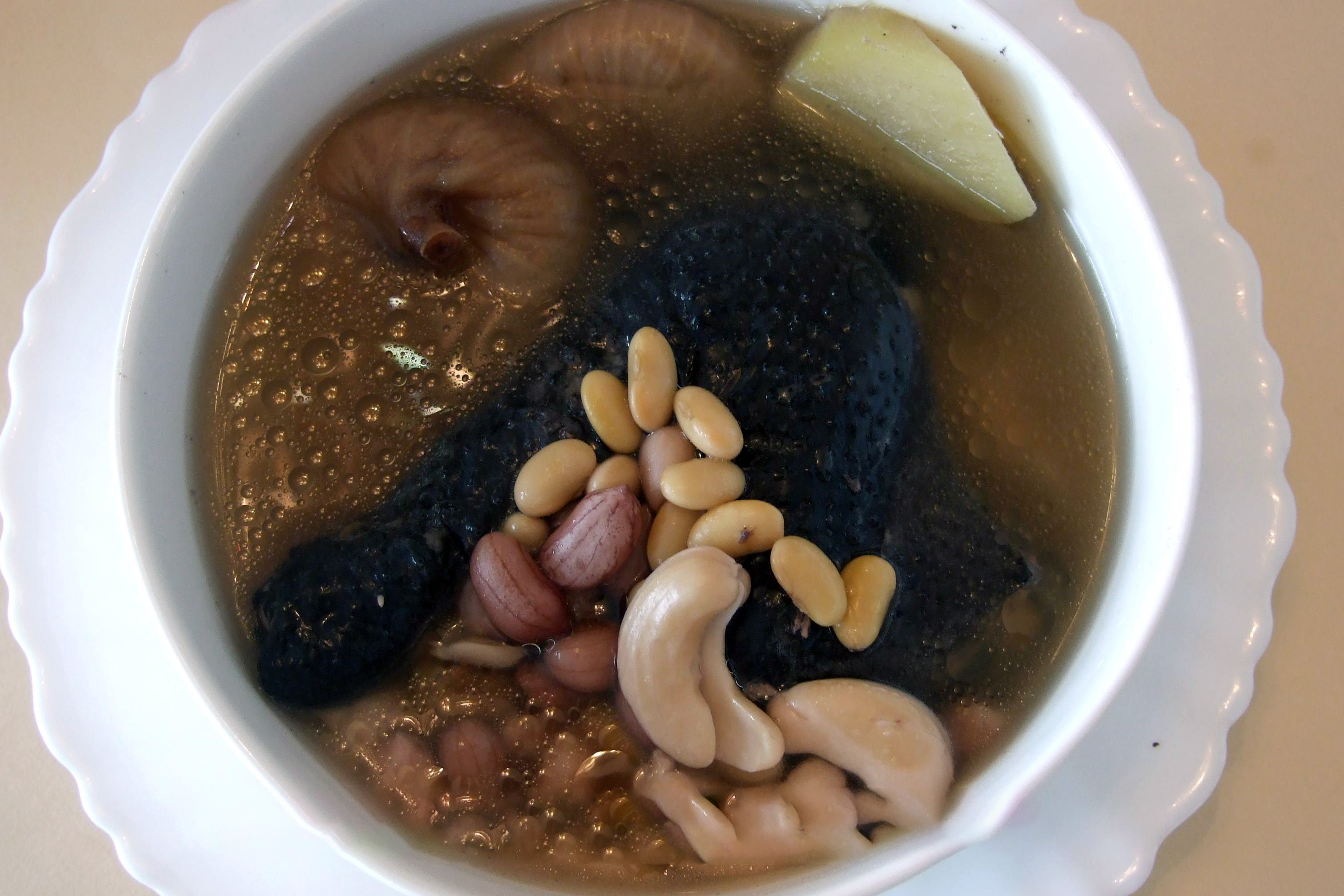
Chinese Yam, Wolfberry, Processed Fo-Ti and Longan Soup
traditionally associated with nourishing the liver and kidneys, replenishing qi and blood, and supporting sleep after childbirth
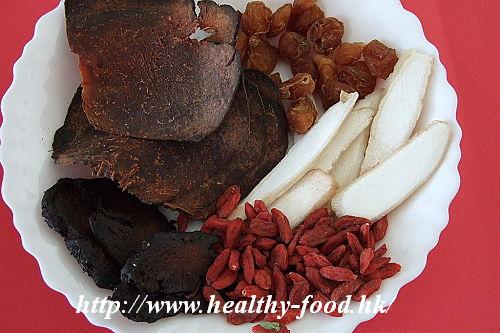
Why people make this soup
Becoming a new mother is one of the most physically demanding experiences a person can go through. The blood lost during delivery, the sleep deprivation, the emotional adjustment of caring for a newborn — all of this takes a real toll. Some new mothers find themselves pale, dizzy, with a persistent floating anxiety and an inability to rest properly even when the baby is asleep. In traditional Chinese food therapy, this pattern is understood as liver and kidney deficiency combined with heart-blood depletion — the body’s core reserves have been drawn down, and the mind cannot settle. This gentle, sweet-and-savoury soup uses four classic nourishing ingredients that are traditionally associated with replenishing the liver and kidneys, calming the spirit, and restoring the complexion. It can be served sweet with rock sugar, or savoury with lean pork or silkie chicken. Nursing mothers can drink this without concern.
Who it suits / who should be cautious
- New mothers in the postnatal recovery period — whether vaginal delivery or caesarean section
- Women experiencing postnatal restlessness, poor sleep, dizziness, or a pale complexion
- Suitable for breastfeeding mothers
- Important: Use processed fo-ti (zhi shou wu / zhi he shou wu), not the raw form — the processed version is much gentler and appropriate for food use; the raw form is not recommended for self-use
- If you have any liver condition, please consult a doctor before using fo-ti
Why these ingredients (the food-therapy logic)
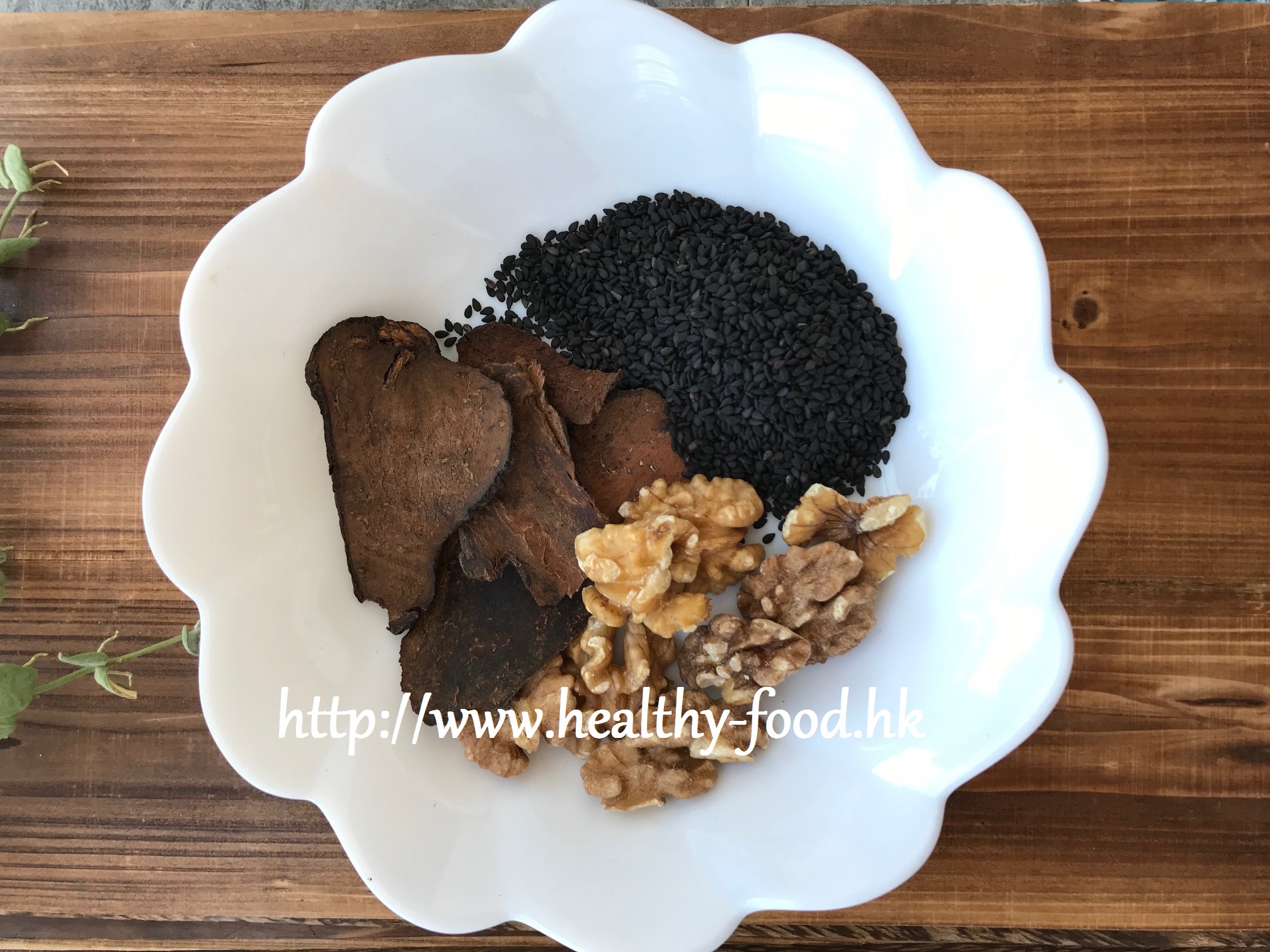
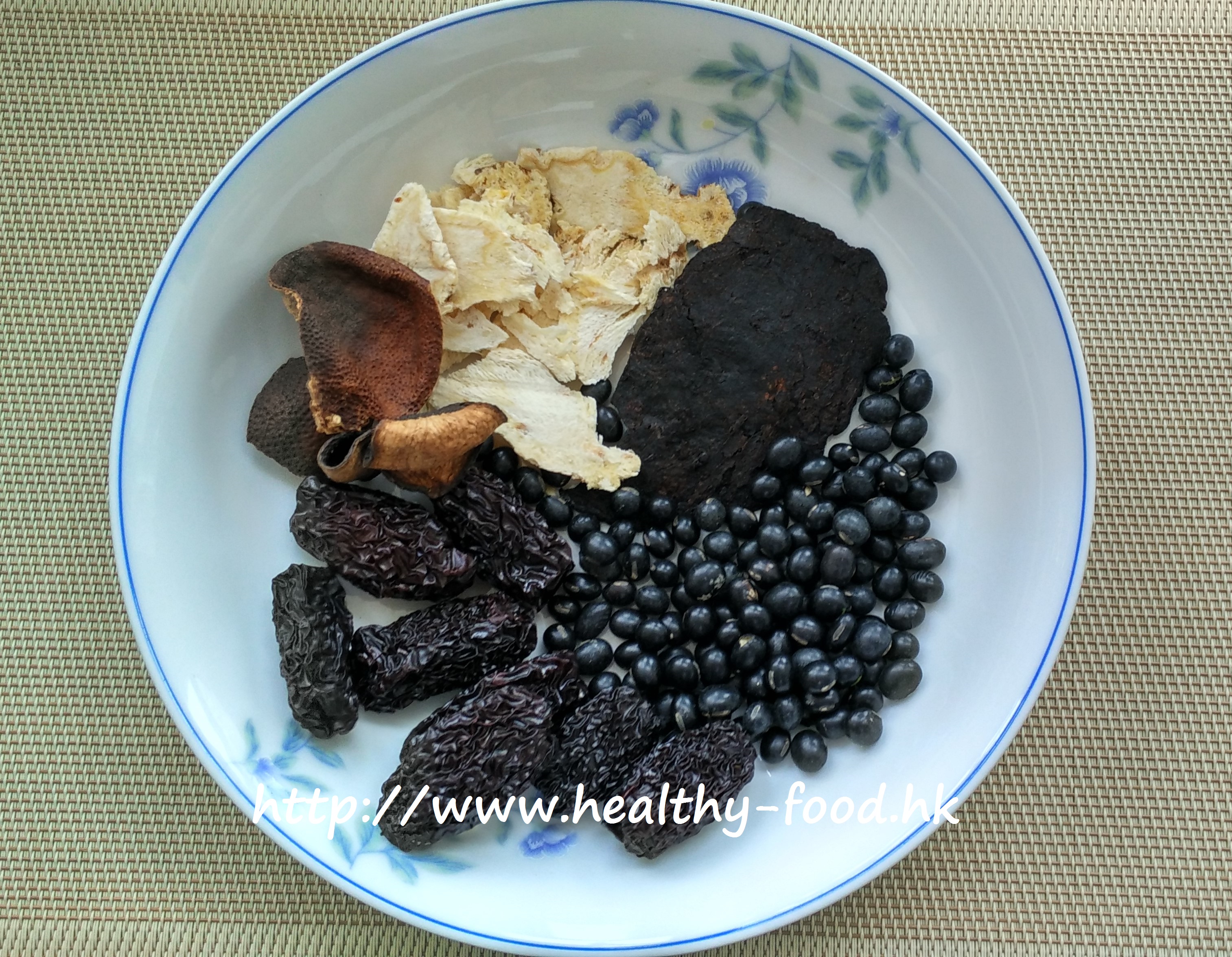
- Chinese yam (huai shan): Gentle and balanced; traditionally associated with nourishing the spleen, lungs, and kidneys; helps the body assimilate other nourishing herbs
- Wolfberries (gou qi zi): Sweet and mild; traditionally associated with nourishing the liver and kidneys, supporting vision, and replenishing blood and essence
- Processed fo-ti (zhi shou wu): One of the most widely used liver and kidney tonic herbs in Chinese food therapy; the processed (zhi) form is prepared with black bean juice, making it warm and nourishing rather than cold; has a rich, slightly earthy flavour; traditionally associated with supporting the hair, essence, and blood
- Longan pulp (gui yuan rou): Warm and sweet; traditionally associated with nourishing the heart, calming the spirit, and supporting the blood — particularly valued for sleep-disturbing restlessness and anxiety
Ingredients (3 bowls)
| Ingredient | Amount | Notes |
|---|---|---|
| Chinese yam (huai shan) | ~38 g (1 liang) | Dried |
| Wolfberries (gou qi zi) | ~15 g (4 qian) | |
| Processed fo-ti (zhi shou wu) | ~19 g (5 qian) | Must be the processed (zhi) form — available at reputable Chinese herb shops |
| Dried longan pulp (gui yuan rou) | ~15 g (4 qian) | |
| Silkie chicken or lean pork (optional) | ~150–200 g | Makes a savoury version; suitable for caesarean section recovery too |
| Rock sugar or salt | to taste | Sweet version: rock sugar; savoury version: salt |
| Water | ~1.4 litres (6 bowls) |
Method
- Rinse all ingredients.
- If using chicken or pork, blanch briefly in boiling water to remove impurities, then drain.
- Combine all ingredients in a pot with 6 bowls (about 1.4 litres) of water.
- Bring to a boil, then reduce to a gentle simmer and cook for about 1.5 hours, until the liquid reduces to 3 bowls.
- Season with rock sugar (for sweet version) or salt (for savoury version) to taste.
- Drink the soup and eat the ingredients.
Bro Niu’s tips
This soup works equally well as a sweet dessert soup with rock sugar, or as a savoury main dish with chicken or lean pork. For nursing mothers, this soup is safe and nourishing. For caesarean section recovery, the same general postnatal soups apply — but in the early weeks, avoid excess ginger, and avoid foods traditionally associated with promoting scar tissue growth (such as raw fish, mountain perch, and frog meat) until the wound has healed.
Community questions answered (selected)
-
Q (nestlelemon): Can breastfeeding mothers drink this soup? Bro Niu: Yes, breastfeeding mothers can drink this soup without any issue.
-
Q (mo, asking on behalf of a friend): My friend had an abortion four days ago and has very little blood discharge. An ultrasound showed retained blood in the uterus. Is there something to help? Bro Niu: Your friend can try motherwort (yi mu cao, 1 liang / 38 g) with fresh ginger (3 slices) and brown sugar, simmered in 5 bowls of water to 2 bowls — this is traditionally associated with helping expel retained material. If she is physically weak, she can also take a congee with codonopsis root, white atractylodes, and astragalus for a few days to build strength. Please also make sure she follows up with her doctor.
Published March 6, 2010 · Adapted and translated for Nourilo from a traditional home-kitchen recipe. Approx. 4 min read.