Soups
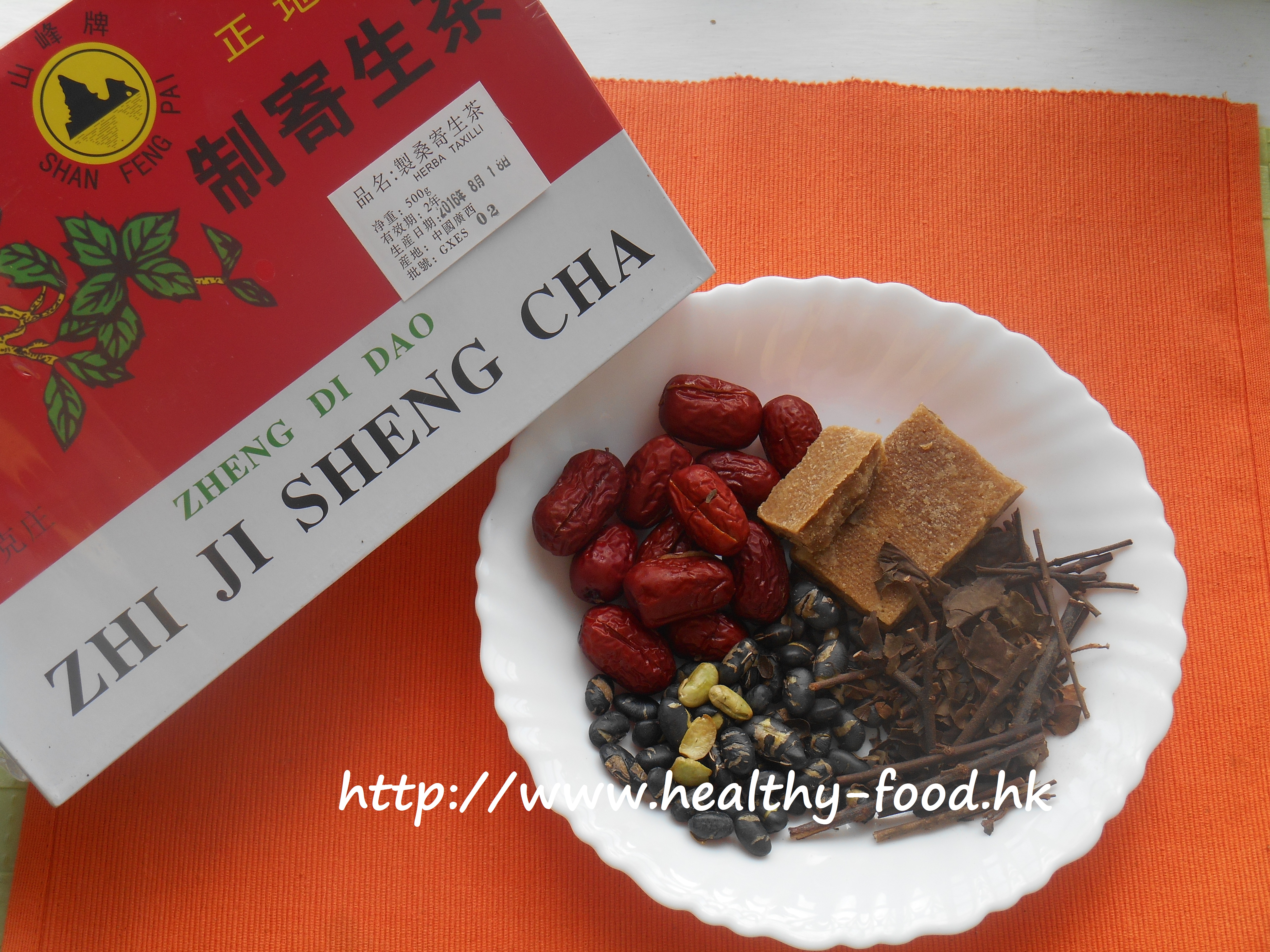
Processed Mulberry Mistletoe, Black Bean and Longan Soup
Traditionally used to nourish blood, brighten a pale complexion, and support liver-kidney health
Why people make this soup
A complexion that is pale, slightly bluish-grey, and lacking any warmth — what Cantonese food therapy describes as “qing bai” — is often the result of qi and blood not reaching the face properly. It can stem from crash dieting, long-term emotional suppression that impairs the flow of liver qi, or simply insufficient blood nourishment. This tong shui (sweet herbal soup) uses processed mulberry mistletoe (zhi sang ji sheng), a processed form of the herb that gives it a sweeter, smoother flavour with less of the astringency found in unprocessed varieties.
Bro Niu pairs it with green-kernel black soybeans — darker and richer in anthocyanins than ordinary soybeans — and red dates, creating a sweet, deeply nourishing bowl that can be taken as a daily tonic or postpartum recovery drink. Regular consumption is traditionally associated with bringing colour back to a pale face and improving overall vitality.
Who it suits / who should be cautious
- Suitable for those with a pale, dull, or lifeless complexion linked to emotional stress or blood deficiency.
- Suitable for the whole family as a regular wellness drink.
- Can be taken postpartum (after the first week).
- Can be taken during menstruation.
- For a more everyday version, lean pork can be added to make it a savoury rather than sweet soup.
- Those with gout should reduce the black soybean quantity slightly.
Why these ingredients (the food-therapy logic)
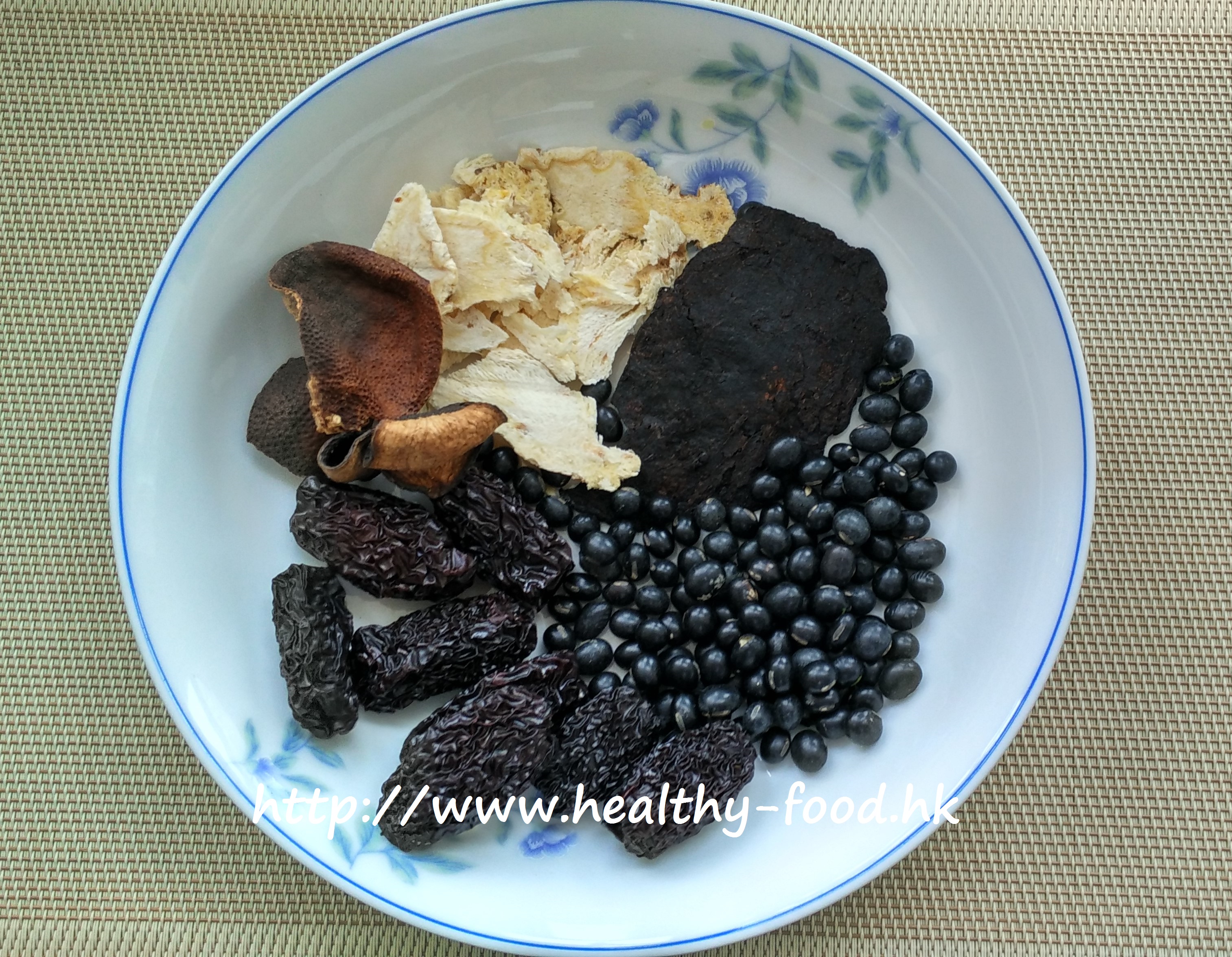
- Processed mulberry mistletoe (zhi sang ji sheng): A processed form of mulberry mistletoe that has been steamed or otherwise treated to reduce astringency and improve palatability. In traditional use it tonifies the liver and kidneys, strengthens sinews and bones, dispels wind-damp, nourishes the skin, and has a traditional calming, foetal-stabilising use for pregnant women. The processed form is considered more effective and tastes significantly better than the raw version.
- Green-kernel black soybeans (qing ren hei dou): A specific variety of black soybean with a green seed interior, considered more potent in nourishing the kidneys, tonifying yin, and promoting healthy hair and blood than regular soybeans.
- Red dates (hong zao): Tonify qi and blood; sweeten the broth naturally.
- Brown slab sugar (pian tang): Traditional sweetener; adds warmth and rounds out the flavour.
Ingredients (3–4 bowls)
| Ingredient | Amount | Notes |
|---|---|---|
| Processed mulberry mistletoe (zhi sang ji sheng) | 38 g | Soak and rinse briefly |
| Green-kernel black soybeans | 75 g | Soak and rinse briefly |
| Red dates, pitted | 6 pieces | |
| Brown slab sugar (pian tang) | To taste | Add at the end to dissolve |
| Water | 7 bowls (~1.4 L) |
Method
- Soak and rinse the mulberry mistletoe and black soybeans separately; drain.
- Pit the red dates.
- Place mistletoe, soybeans, and red dates in a pot with 7 bowls of water.
- Bring to a boil, then reduce to a gentle simmer for 1 hour until the liquid reduces to 3–4 bowls.
- Add brown slab sugar to taste and stir until dissolved.
- Serve warm; drink the broth and eat the beans and dates.
Bro Niu’s tips
- For everyday use as a general tonic, lean pork can be added to make this a savoury version.
- When choosing mulberry mistletoe, look for the “processed” (zhi) variety — available in boxed form at Chinese herbal medicine shops. It has better flavour and more pronounced effects.
- If you find a box without the character “zhi” (制) on the label, it is likely unprocessed — still usable, but the soup may taste slightly astringent.
- Regular consumption gradually brightens complexion — patient, consistent use is key.
Community questions answered (selected)
-
Q (small reader, anonymous): I cannot find the processed mulberry mistletoe brand you use. I can only find other brands with many leaves and stalks of different sizes. Can the leaves be cooked together? Bro Niu: Ordinary mulberry mistletoe is perfectly fine to use. Both the leaves and stalks have the same therapeutic effect — cook them all together.
-
Q (May, re: period health): My daughters and I sometimes drink pork trotter and vinegar ginger (zhu jiao jiang) — is it suitable for the current weather? Bro Niu (paraphrased from context): Zhu sang ji sheng with eggs or as a sweet soup is suitable around the menstrual period. For menstrual cramps, use 5 qian of san ji sheng with ginger and brown sugar.
-
Q (Sam): I have chronic hepatitis B, a yellowish complexion, and dry facial skin. Is there a soup or tea that can help? Bro Niu: You can use sha shen, yu zhu, and gou qi zi, 3 qian each, with 5 red dates, cooked with dried conch (xiang luo gan) as a regular soup — drink 2–3 times a week.
Published April 17, 2019 · Adapted and translated for Nourilo from a traditional home-kitchen recipe. Approx. 4 min read.