Home-Style Dishes
He Shou Wu, Walnut and Black Sesame Paste
Traditionally associated with supporting liver and kidney health, nourishing blood and promoting hair vitality
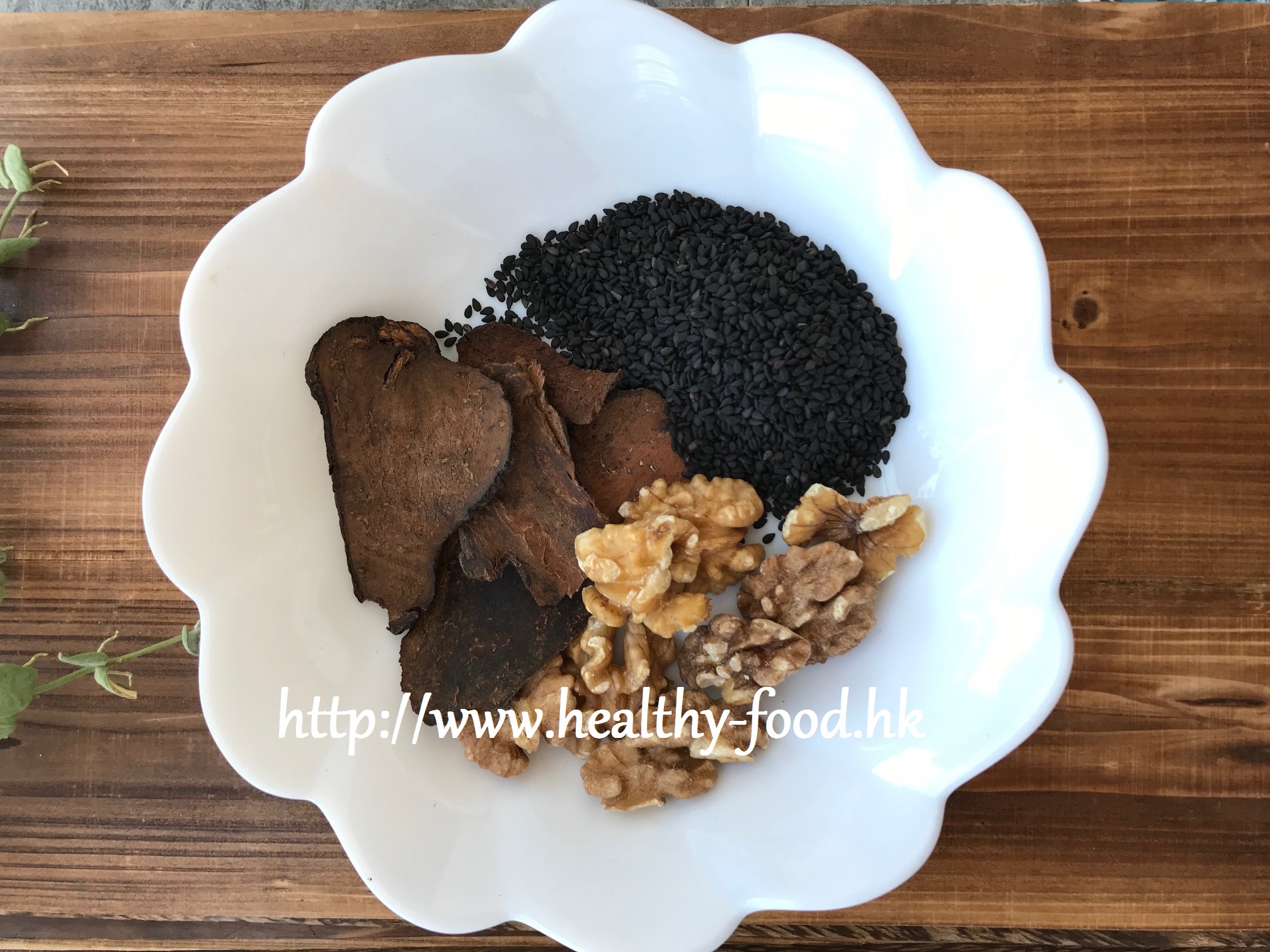
Why people make this paste
Thick, lustrous hair is admired across cultures, but many people — including younger adults — struggle with premature greying or hair loss. Chinese food therapy has long paid attention to this issue. The causes are varied: genetics, hormonal imbalance, scalp inflammation, chronic stress, poor sleep, smoking and unbalanced diet all play roles. The first step is identifying the cause. If the underlying driver is emotional — stress, anxiety, or prolonged sadness — addressing that directly matters more than any food remedy. But where the problem is rooted in liver and kidney deficiency, nutritional insufficiency or blood quality, Chinese food therapy has a well-developed set of responses.
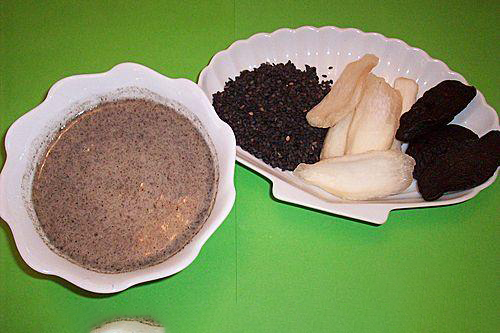
This warm, slightly nutty-tasting paste uses three celebrated ingredients: processed he shou wu (a prepared root associated with supporting hair and kidney health), walnut (warming to the kidneys and thought to nourish the brain) and black sesame (deeply nourishing to the liver and kidneys in Chinese tradition). Together they are traditionally regarded as one of the most effective food combinations for hair vitality.
Who it suits / who should be cautious
- Suited to those experiencing premature greying, diffuse hair thinning or hair loss associated with liver-kidney deficiency, blood deficiency or nutritional insufficiency.
- Regular use (daily or every other day) is recommended to see gradual benefit over time.
- Use processed (zhi) he shou wu only — not raw (sheng) he shou wu, which has a different action and is not appropriate for this purpose. Most Chinese herbal shops sell the prepared form.
- Do not use in large quantities or for extended periods without a practitioner’s guidance. If you notice any signs of liver discomfort (nausea, fatigue, jaundice), discontinue and seek medical advice.
- A convenient alternative: ready-made he shou wu and black sesame powder sachets are available at some Chinese supermarkets — one sachet brewed daily is an easy option.
Why these ingredients (the food-therapy logic)
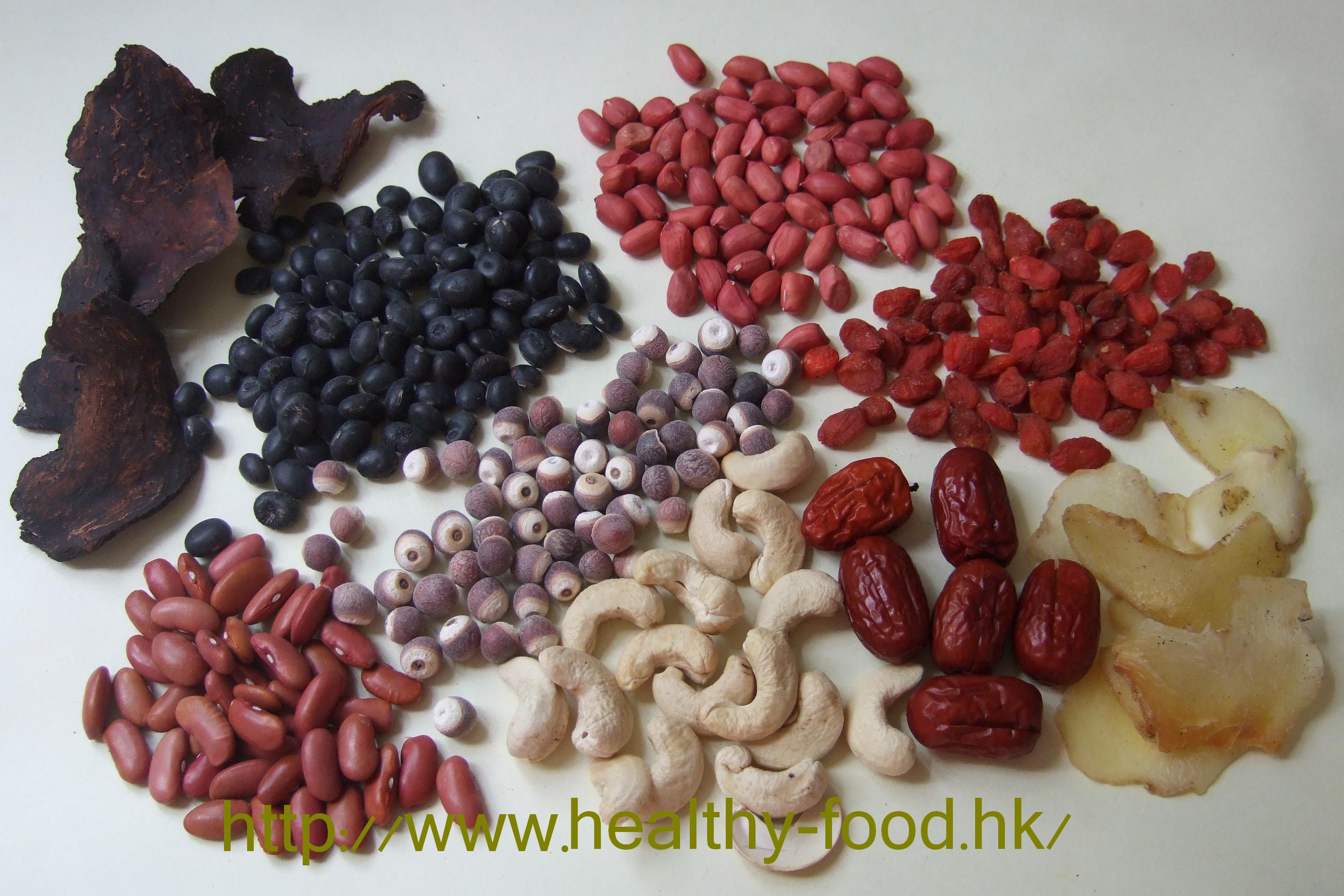
- Processed he shou wu (zhi shou wu): A prepared form of Polygonum multiflorum processed with black bean juice and yellow rice wine; traditionally associated with supplementing the liver and kidneys, enriching the essence and blood, and supporting hair health.
- Walnut kernel (he tao rou): Warming to the kidneys; traditionally thought to nourish the brain and support hair quality.
- Black sesame (hei zhi ma): One of the most classically used hair and skin foods in Chinese tradition; deeply nourishing to the liver and kidney yin and blood.
Ingredients (powder for multiple servings; each serving uses 2 tablespoons)
| Ingredient | Amount | Notes |
|---|---|---|
| Processed he shou wu (zhi shou wu) | 112 g (3 liang) | Cut into small pieces |
| Walnut kernels | 112 g (3 liang) | |
| Black sesame seeds | 112 g (3 liang) | |
| Cornstarch | Small amount | To thicken the paste |
| Sugar | To taste |
Method
- Cut or snip the processed he shou wu into small pieces.
- Place the he shou wu pieces, walnut kernels and black sesame seeds in a dry wok over medium-low heat. Toast and stir continuously for about 7 minutes until fragrant and lightly coloured.
- Allow to cool, then place all toasted ingredients into a blender and grind into a fine powder.
- Store the powder in an airtight container.
- Each serving: Take 2 tablespoons of powder and add to 1.5 bowls of water in a small pot. Simmer over low heat for about 10 minutes, stirring. Add sugar to taste. Mix a little cornstarch with cold water and stir in gradually to thicken the paste to a smooth, pourable consistency.
- Take daily or every other day.
Bro Niu’s tips
The distinction between raw (sheng) he shou wu and processed (zhi) he shou wu matters: raw he shou wu is used medicinally for detoxification and as a laxative; processed he shou wu (prepared with black bean juice and yellow rice wine) is the form used in food therapy for supporting hair, liver and kidney health. Chinese herbal shops generally stock the processed form. For a very convenient alternative, look for ready-made he shou wu black sesame paste or powder sachets in Chinese supermarkets — brewing one sachet a day is an easy, tasty option if you do not want to make your own powder.
Community questions answered (selected)
-
Q (bluebell): I have lupus and am losing a lot of hair. Is there a food therapy that can help? Bro Niu: You can look for he shou wu walnut black sesame powder sachets from the supermarket and brew one daily. Separately, try steeping sliced flat cypress leaves (bian bai ye) in whisky and applying the liquid to the scalp once a day — with persistence, this can stimulate hair regrowth.
-
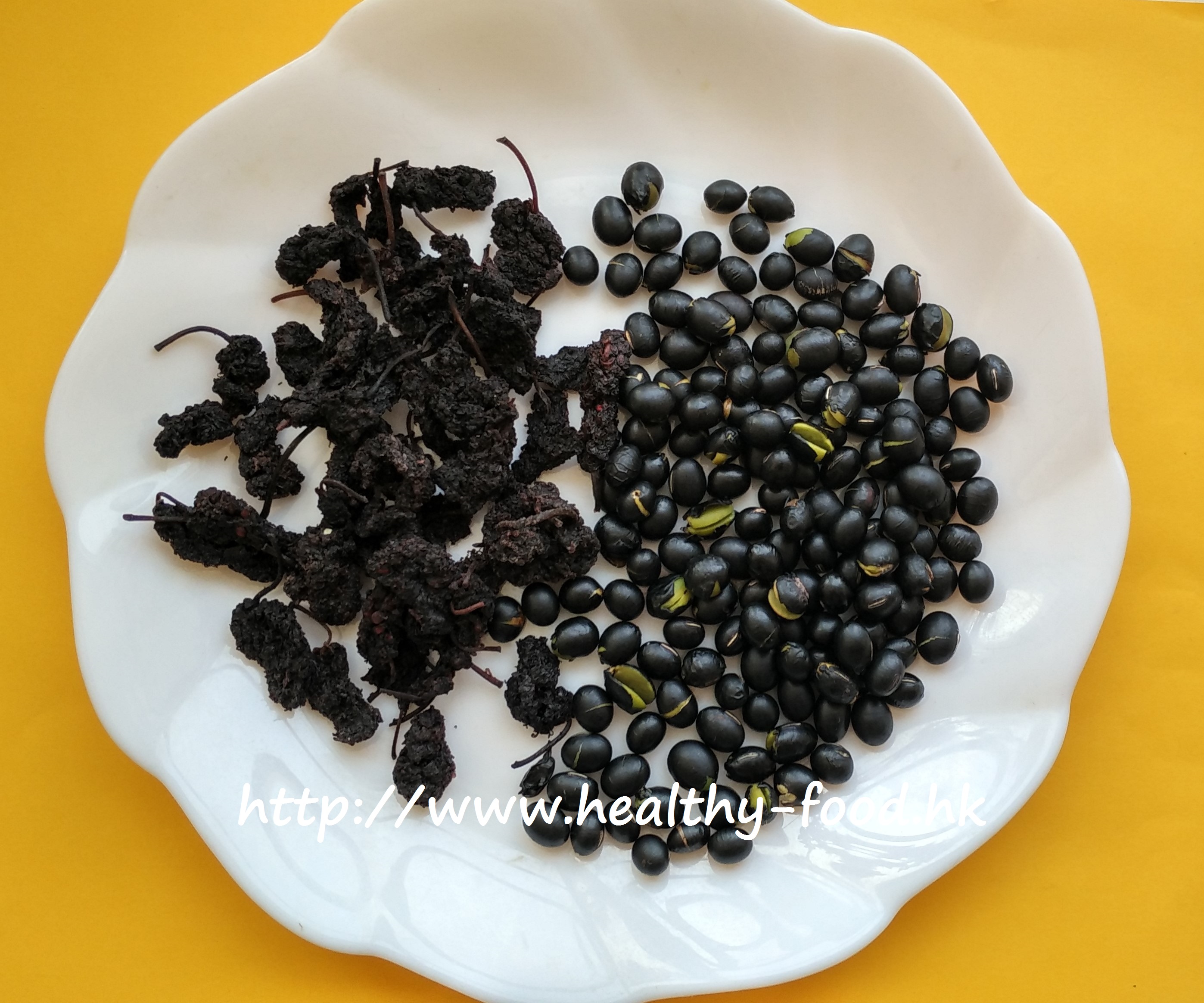
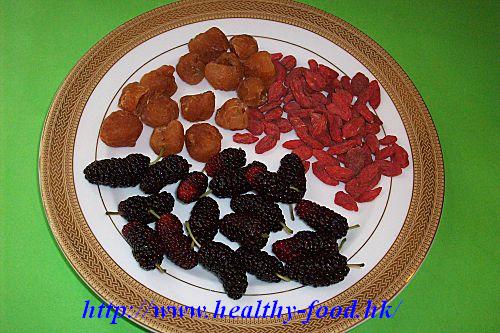
Q (Hello): Every time I wash my hair I lose a great deal. Is there a formula for this kind of hair loss? Bro Niu: You can try a soup: he shou wu 5 qian, black sesame 3 qian, walnut kernels 1 liang, south dates or red dates 4 pieces — simmer with lean pork, one dose twice a week. For an additional tea, brew toasted black beans and black mulberries (hei sang zi) 1 tablespoon each daily.
-
Q (Bon Bon): I bought something labelled “he shou wu” at a herb shop — is that the processed or the raw form? Bro Niu: Chinese herb shops generally sell the processed (zhi) form. Black bean, black sesame and walnut powder can be eaten directly — mix with warm water and drink. But it is quite hard to swallow as a dry powder, so cooking it into a paste as described is more pleasant.
Published September 27, 2020 · Adapted and translated for Nourilo from a traditional home-kitchen recipe. Approx. 4 min read.