Tonic Drinks & Waters
Kudzu Root, Hyacinth Bean, Mung Bean & Coix Seed Drink
Traditionally associated with relieving tension, supporting blood pressure, and clearing end-of-summer heat from the body
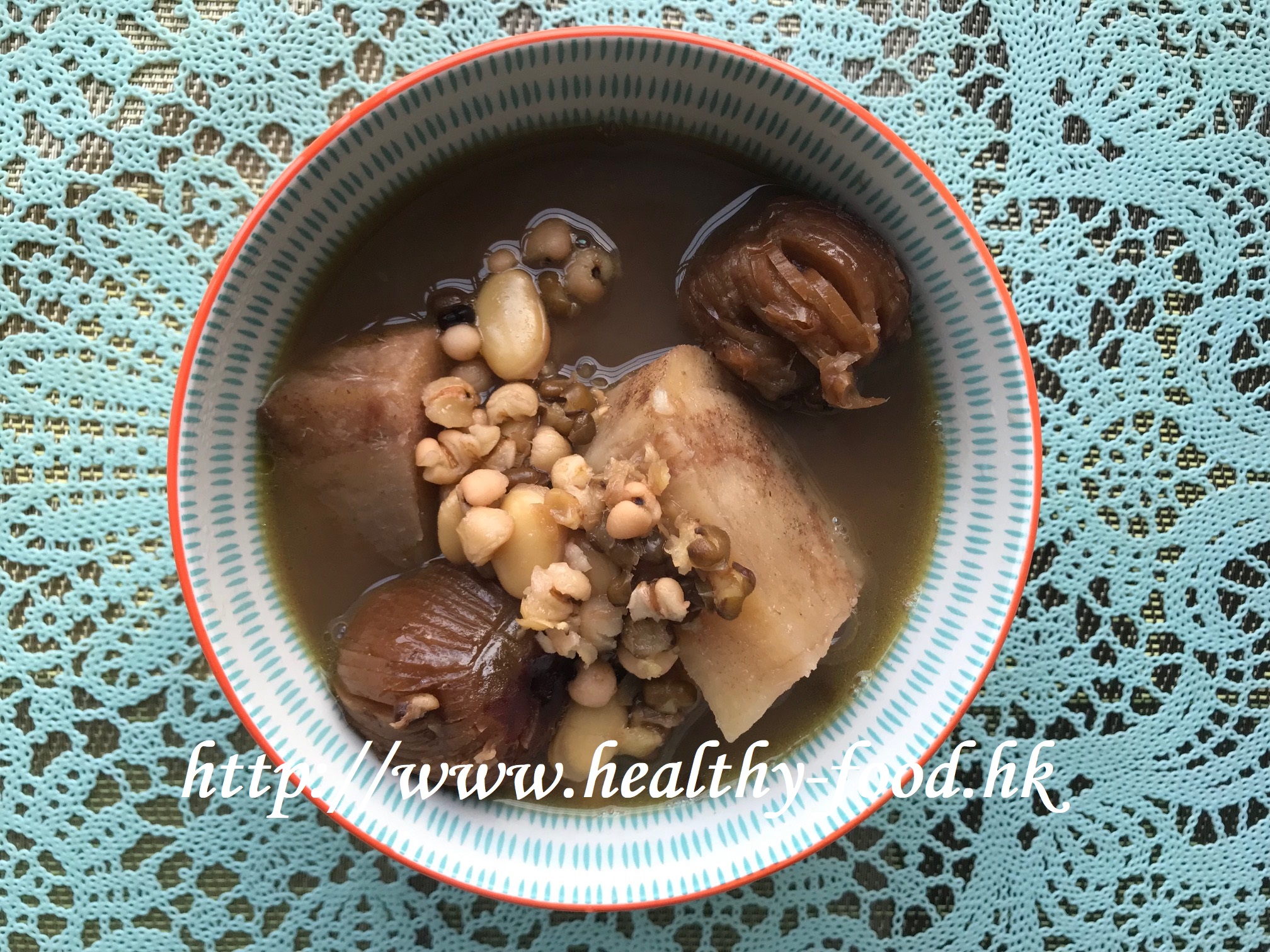
Why people make this drink
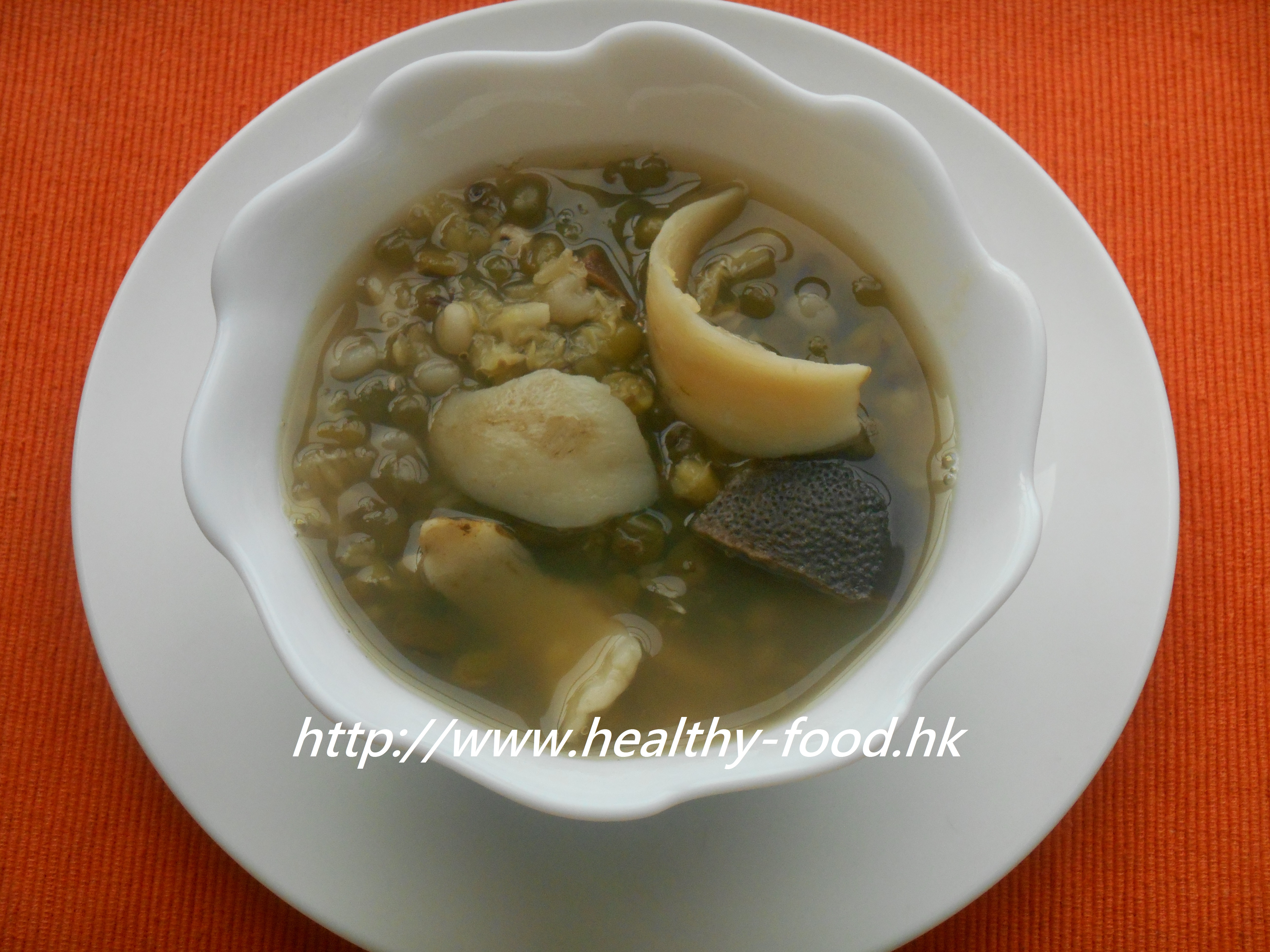
Even after the Mid-Autumn Festival, Hong Kong and southern China can remain stubbornly hot — and the body feels it. That end-of-summer heat has a particular quality: muscles feel heavy, the chest feels tight, the mood turns easily irritable, and headaches seem to settle at the back of the neck and across the shoulders. Traditional Cantonese food therapy has a long answer to this feeling, and kudzu root (粉葛, fen ge) is central to it. This starchy root vegetable is widely used in Cantonese soups and, when cooked long enough, produces a drink that is warming and clearing at the same time — not cold and harsh like some bitter herbal teas. Paired with mung beans, coix seeds, and hyacinth beans, it makes a pot that is remarkably easy to drink, earthy, and settling.
Who it suits / who should be cautious
- Suitable for most adults and older children as a seasonal wellness drink
- Particularly helpful for those who feel irritable, restless, or tension-prone during the hot-to-cool transition season
- People with high blood pressure may find kudzu root soup a useful regular addition to their table (it is traditionally associated with supporting relaxation of blood vessels and easing hypertension)
- This soup is warming-neutral, not cold, so it does not upset the stomach the way bitter cold herbal teas can
- Consult a doctor before using as a primary approach for managing blood pressure
Why these ingredients (the food-therapy logic)
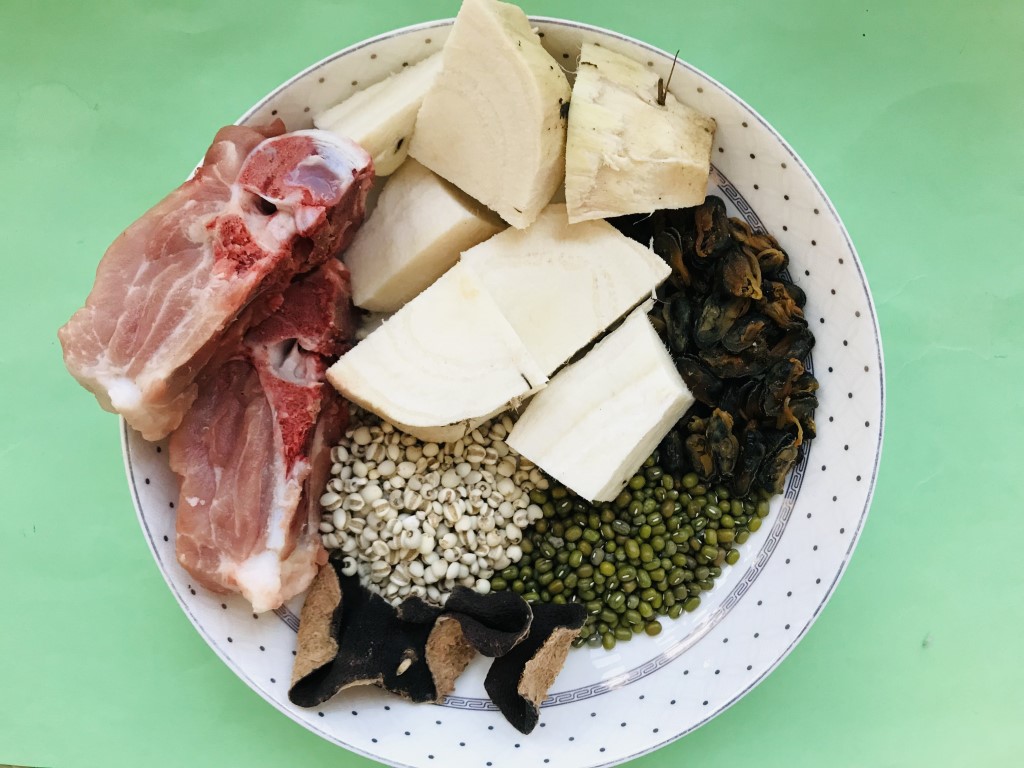
- Kudzu root (fen ge / 粉葛; Pueraria montana): One of the most important roots in Cantonese food therapy. Considered neutral in temperature. Traditionally associated with relieving thirst, calming irritability, easing tension headaches (especially at the neck and shoulders), and supporting healthy blood pressure. Isoflavones in kudzu have attracted modern interest for cardiovascular effects, though this recipe is a culinary approach, not a medical treatment.
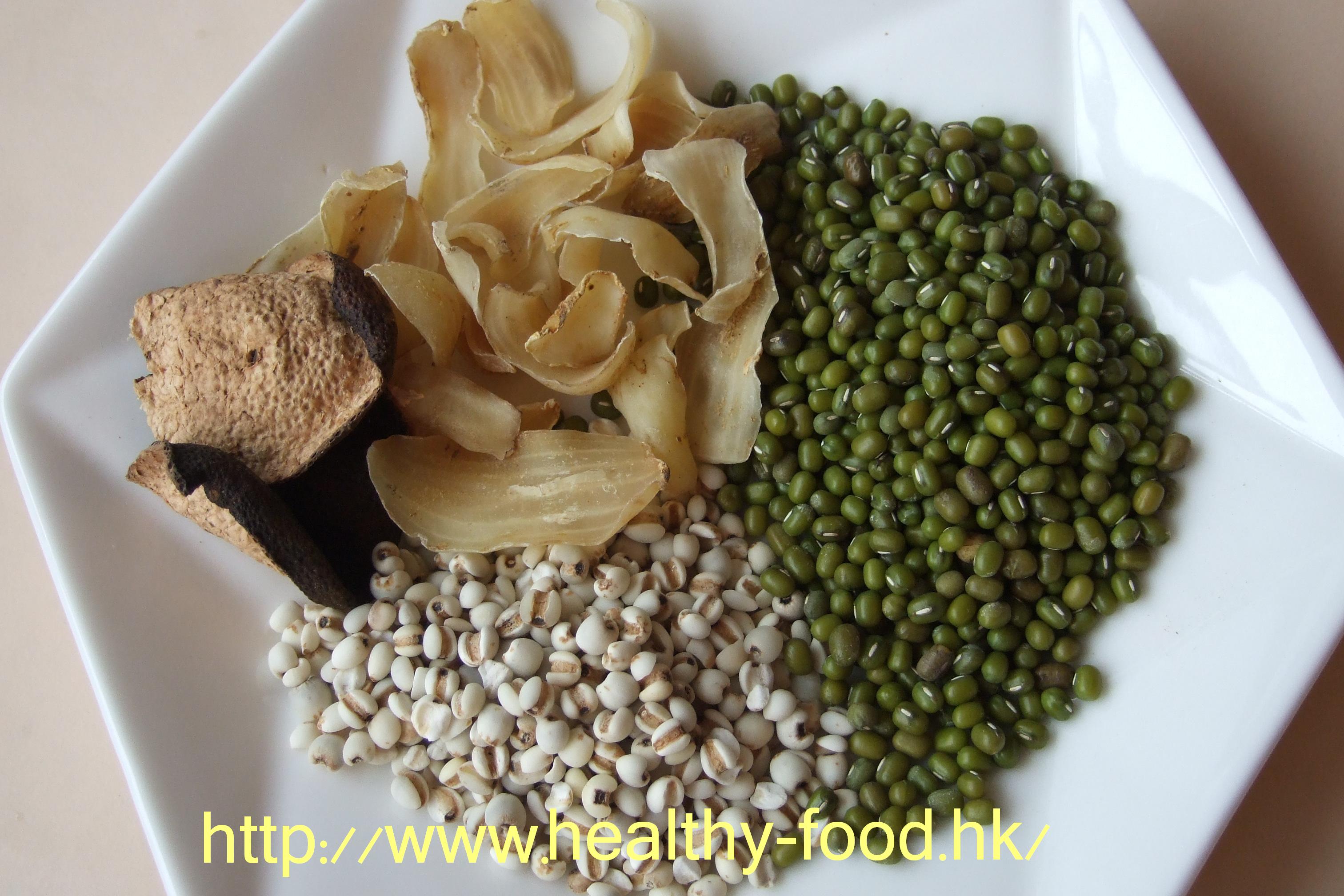
- Hyacinth beans (bian dou / 扁豆): Traditionally used to strengthen the spleen and stomach and clear dampness — helping the body manage fluid balance and ease heaviness
- Mung beans (lu dou / 绿豆): One of the most well-known cooling foods in Chinese culinary tradition; helps clear summer heat while remaining relatively gentle
- Coix seeds (yi mi / 薏米): Gently supports water metabolism and is widely used alongside other ingredients to reduce puffiness and heaviness
- Honey dates (mi zao / 蜜枣) and dried tangerine peel (chen pi / 陈皮): Natural sweeteners and digestive balancers that round out the flavour and make the drink comfortable on the stomach
Ingredients (4 bowls)
| Ingredient | Amount | Notes |
|---|---|---|
| Kudzu root (fen ge) | ~600 g | Peel and cut into large chunks |
| White hyacinth beans (bian dou) | ~38 g | Rinse and soak briefly |
| Mung beans (lu dou) | ~38 g | Rinse |
| Coix seeds (yi mi) | ~38 g | Rinse |
| Honey dates (mi zao) | 2 | Left whole |
| Dried tangerine peel (chen pi) | 1 piece | Rinse briefly |
| Water | 8–9 bowls |
Method
- Tear or scrape the outer skin from the kudzu root; rinse under running water and cut into large chunks.
- Rinse the hyacinth beans, mung beans, coix seeds, and dried tangerine peel briefly; drain.
- Place all the ingredients into a large pot. Add 8–9 bowls of cold water.
- Bring to a boil over high heat, then reduce to a medium-low simmer and cook for 2 hours until reduced to about 4 bowls.
- Serve warm. The soup can be drunk across the day.
Bro Niu’s tips
This soup is wonderfully fragrant and naturally sweet — no added sugar needed. The key is cooking it long enough (a full 2 hours) so the kudzu breaks down properly and releases all its starchy goodness. Kudzu has a natural muscle-relaxing quality and is associated with calming the nervous system, so when you’re feeling tense and irritable in late summer, this is the pot to reach for. A good one to simmer on a Sunday afternoon and keep in the fridge for the week.
Published September 30, 2021 · Adapted and translated for Nourilo from a traditional home-kitchen recipe. Approx. 3 min read.