Congee & Porridge
Mung Bean and Job's Tears Congee
Traditionally used to clear heat, resolve dampness, and support the body's defences in summer
Why people make this congee
Hand, foot and mouth disease (HFMD) peaks in summer, spreading mainly through contact with saliva, blister fluid, or contaminated surfaces. It primarily affects children under five, though older children and adults can also catch it. No specific antiviral treatment exists; supportive care and hygiene are the main defences. In Chinese food therapy, hot humid weather creates conditions that TCM describes as “heat-dampness” — and mung bean with Job’s tears is perhaps the most classic pairing for this seasonal pattern. Bro Niu recommends this congee as a preventive routine during the summer months, as well as a gentle supportive food for children who are recovering.
Who it suits / who should be cautious
- Suitable for the whole family, including nursing mothers
- Especially useful during summer months as a preventive measure
- If a child is already infected and has a fever and mouth sores, serve the congee cooled to room temperature or chilled; it can also be set with gelatin powder and served as a soft jelly, which is easier to swallow when the mouth hurts
- Mung beans are cooling in nature — those with a very cold constitution should consume in moderation
Why these ingredients (the food-therapy logic)
- Mung beans (lu dou): One of the most widely used summer foods in Chinese medicine; traditionally associated with clearing heat, removing toxins, and supporting the body’s defences against summer heat illness
- Raw Job’s tears / coix seed (sheng yi mi): Traditionally used to drain dampness, support spleen function, and also associated with mild antiviral properties; the “raw” (unroasted) form is slightly more cooling and better for heat-clearing purposes
Ingredients (3–4 bowls)
| Ingredient | Amount | Notes |
|---|---|---|
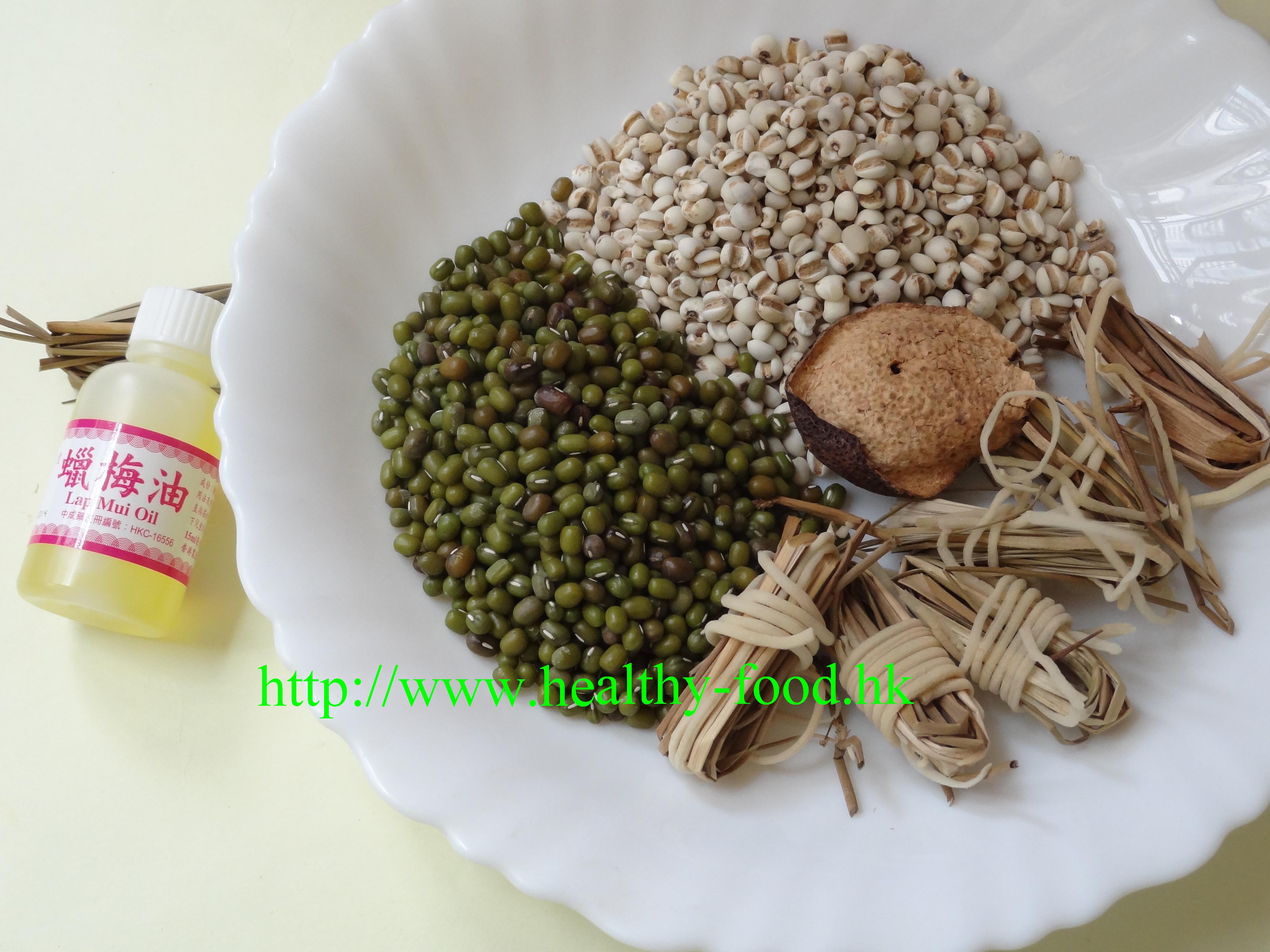
| Mung beans (lu dou) | 76 g (2 liang) | Rinse and soak 30 min |
| Raw Job’s tears (sheng yi mi) | 76 g (2 liang) | Rinse and soak 30 min |
| Rock sugar | To taste | Added at end |
Method
- Rinse the mung beans and Job’s tears; soak in cold water for 30 minutes.
- Drain, then add to a pot with 7 bowls of water.
- Bring to a boil, then reduce to a gentle simmer.
- Cook for about 1 hour until the beans and grains are completely soft and the liquid has reduced to 3–4 bowls.
- Stir in rock sugar to taste and dissolve. Serve warm, or cool to room temperature during hot weather.
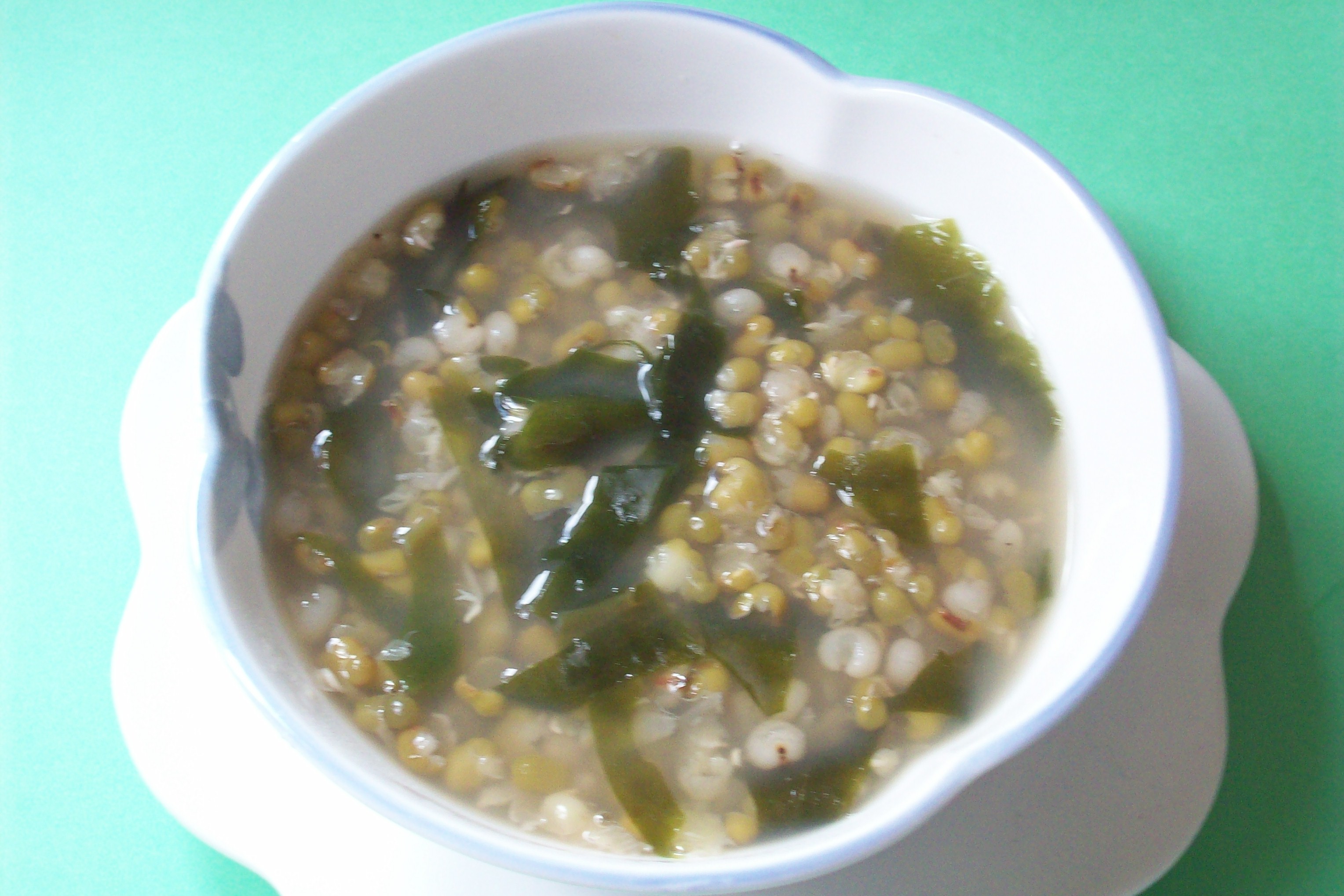
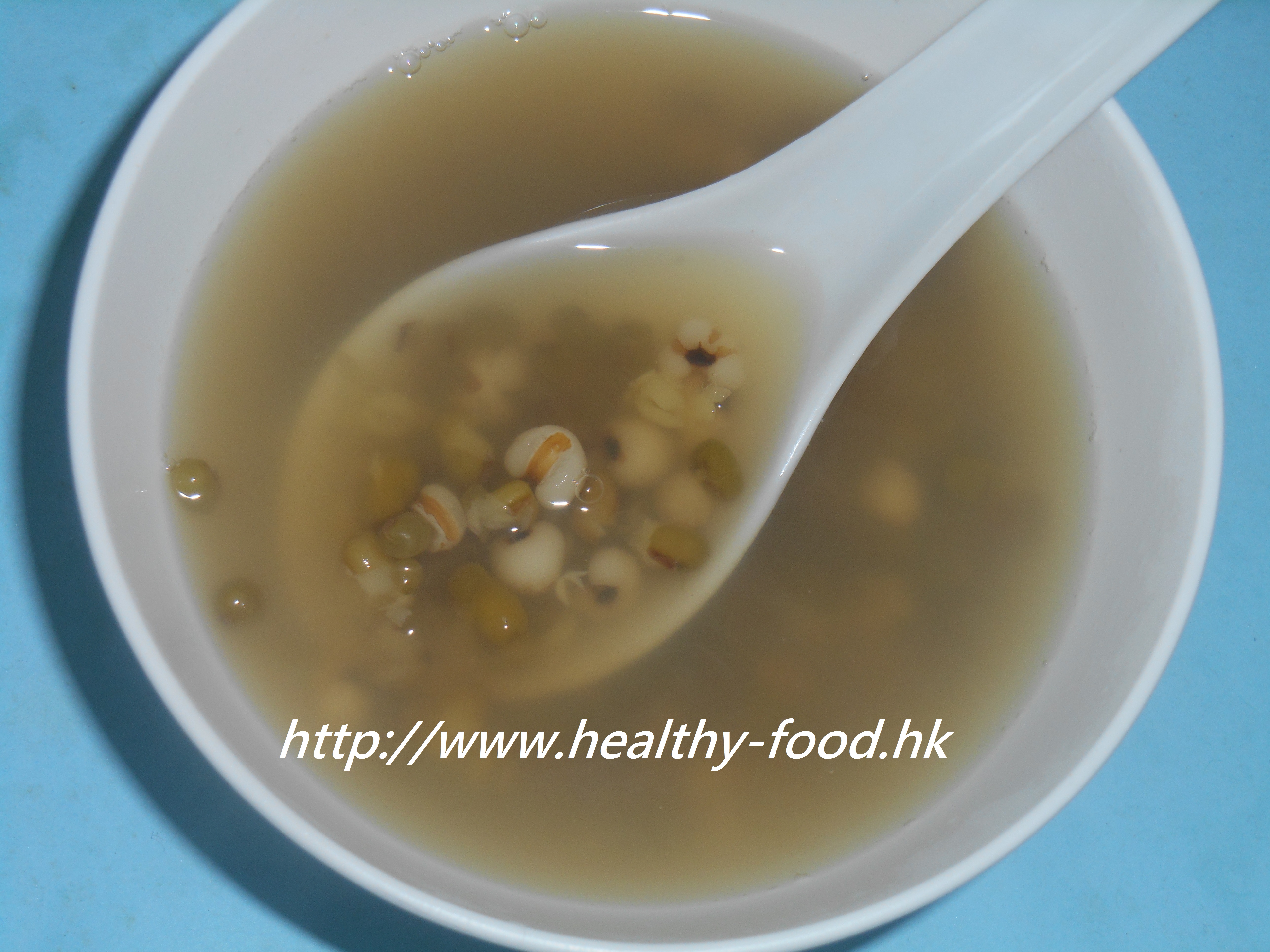
- Both the broth and the solids are eaten together.
Bro Niu’s tips
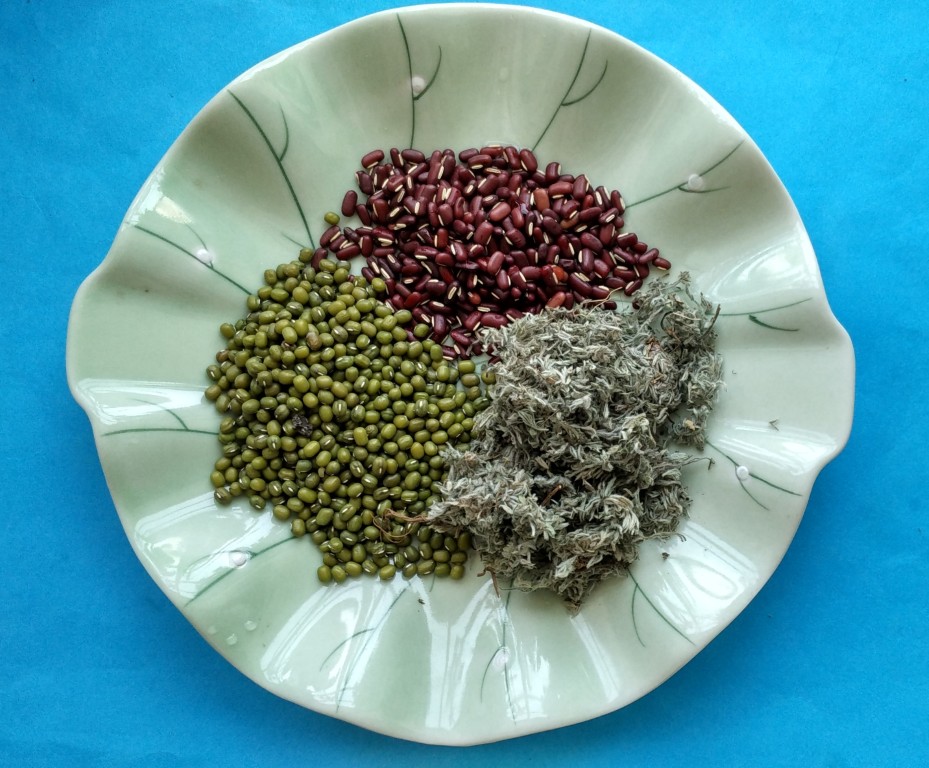
If a child is already sick with HFMD and has mouth sores that make eating painful, let the congee cool fully before serving — or stir in a little gelatin powder (fish gelatin) while the congee is still hot, pour into moulds, and refrigerate until set. The resulting soft jelly is much easier for a sore mouth to manage. This congee is safe for breastfeeding mothers too. Adding red adzuki beans (chi xiao dou) to the mixture helps reduce the cooling nature slightly while boosting the dampness-draining effect.
Community questions answered (selected)
-
Q (Connie): My 14-month-old baby currently has HFMD — can they have mung bean and coix water? Bro Niu: Yes, a 14-month-old can drink mung bean and coix water. It has a heat-clearing and detoxifying effect.
-
Q (reader): What is the difference between this mung bean coix water and mung bean coix adzuki bean water? Bro Niu: Adding red adzuki beans improves the dampness-draining effect and also slightly reduces the cooling nature of the blend.
-
Q (man): My daughter (3.5 years) has a high fever, mouth pain, and a rash. She won’t eat congee — what else can I make? We have winter melon, coix, adzuki beans, and lean pork at home. Bro Niu: If her fever is not coming down, try: reed rhizome (lu gen) 5 qian, raw coix seed 1 liang, pear 1 piece (core removed), rock sugar, 4 bowls of water — simmer 30 minutes. For a nourishing soup, use the winter melon, adzuki beans, coix, fig, and lean pork — this helps clear heat and dampness.
Published May 25, 2019 · Adapted and translated for Nourilo from a traditional home-kitchen recipe. Approx. 3 min read.