Congee & Porridge
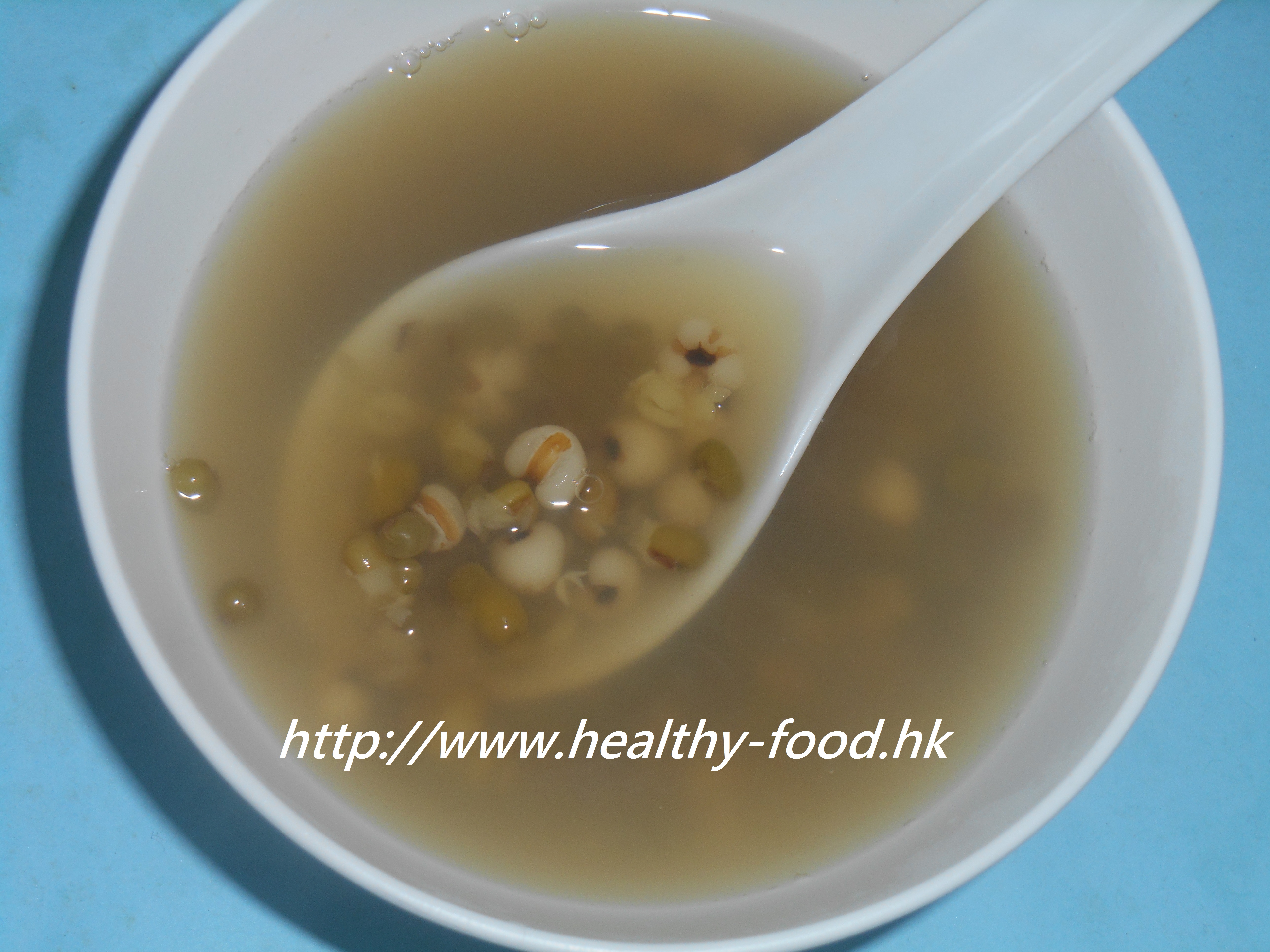
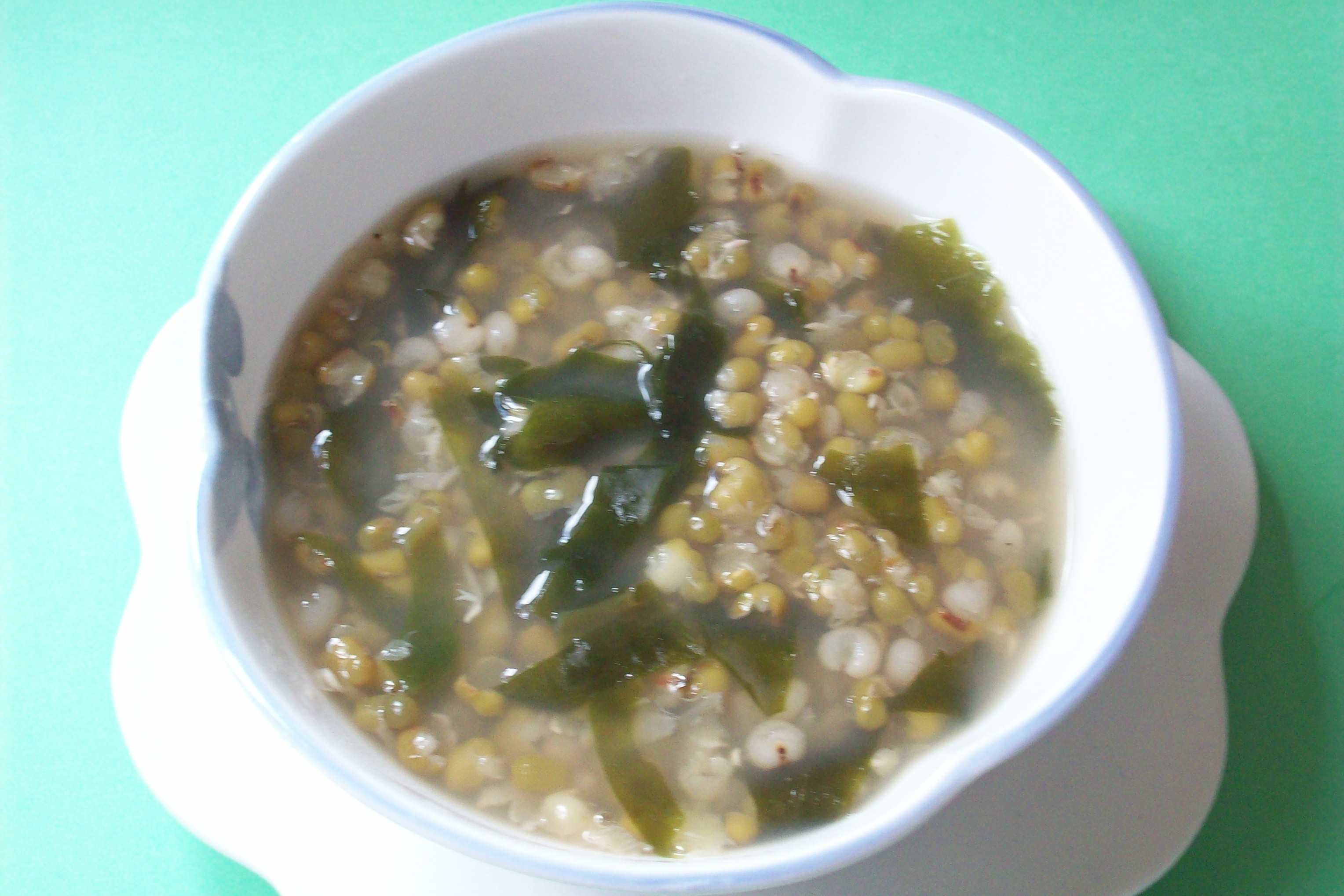
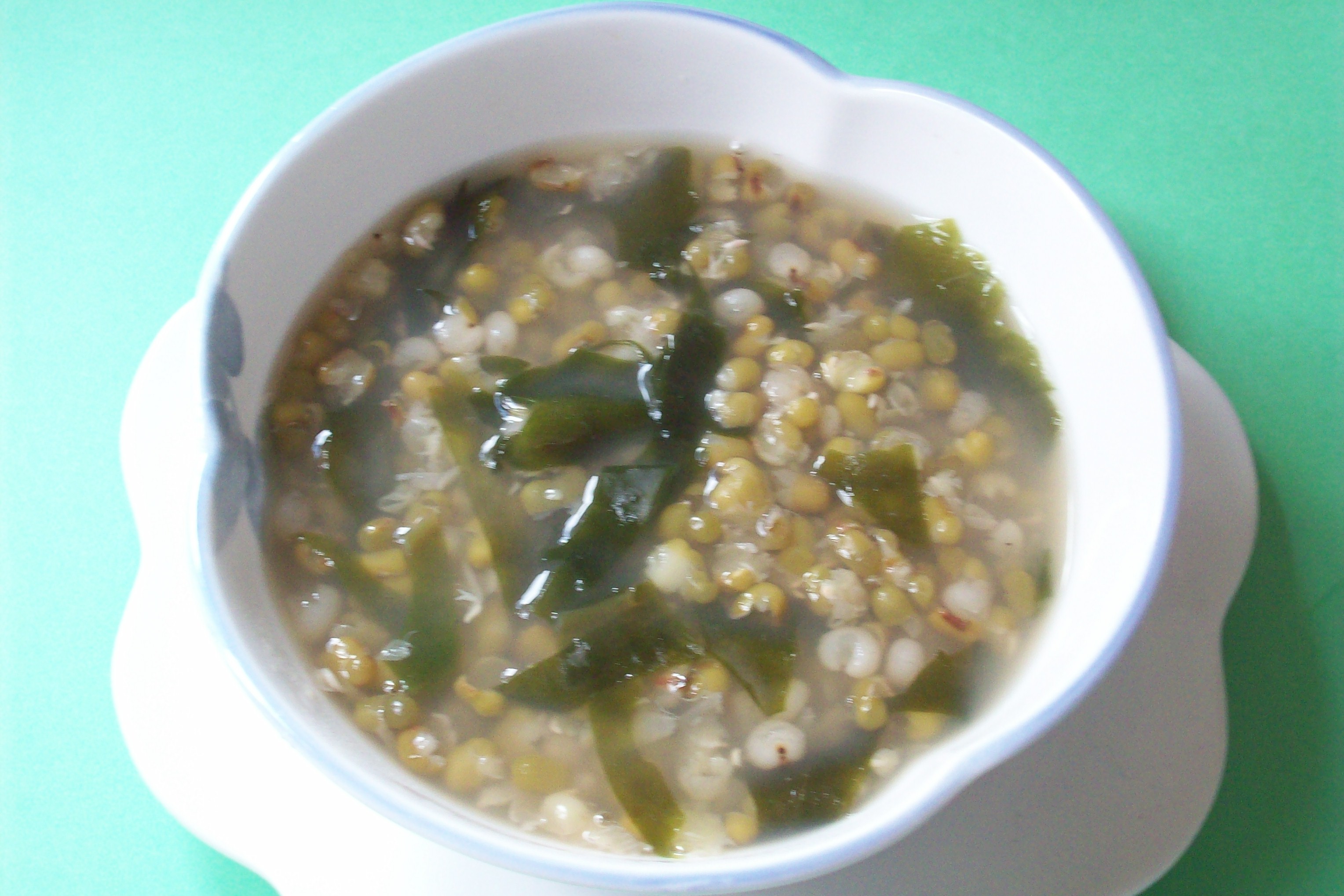
Seaweed, Mung Bean and Job's Tears Sweet Porridge
traditionally associated with clearing damp-heat, supporting urinary flow, and aiding kidney stone management
Why people make this porridge
Kidney stones are influenced by many factors — environment, water quality, diet, genetics, and lifestyle all play a role. The dietary connection is real: how much water you drink, how much salt and animal protein you consume, and your intake of oxalate-rich foods (like spinach) can all affect stone formation. From a food-management perspective, the most important habit is simply drinking more water to dilute the urine and make crystallisation harder. Bro Niu adds five dietary guidelines: less spinach with tofu (high oxalate + calcium is a problematic pairing); moderate vitamin C; moderate calcium-rich foods; less salt; and less beef and lamb (which are higher in purine compounds that can contribute to uric acid stones).
This sweet porridge combines three ingredients with a long history in Chinese food therapy for supporting kidney and urinary health. It is suitable as a complementary home remedy for those experiencing damp-heat type symptoms — frequent urination, urgency, a burning sensation, or incomplete voiding — but it does not replace medical care.
Who it suits / who should be cautious
- People with damp-heat type kidney stone patterns: frequent urination, urgency, burning or difficult urination, traces of blood, dry mouth and throat.
- Healthy people can also eat this porridge; it is simply a light, cleansing sweet dish.
- Pregnant women should NOT eat this dish — coix seed (yi mi) and seaweed are both contraindicated in pregnancy.
- People with a cold, weak digestion (spleen-stomach deficiency) should also avoid this porridge.
- If you have urinary pain, blood in the urine, or any kidney symptoms, please see a doctor rather than relying on food therapy alone.
Why these ingredients (the food-therapy logic)
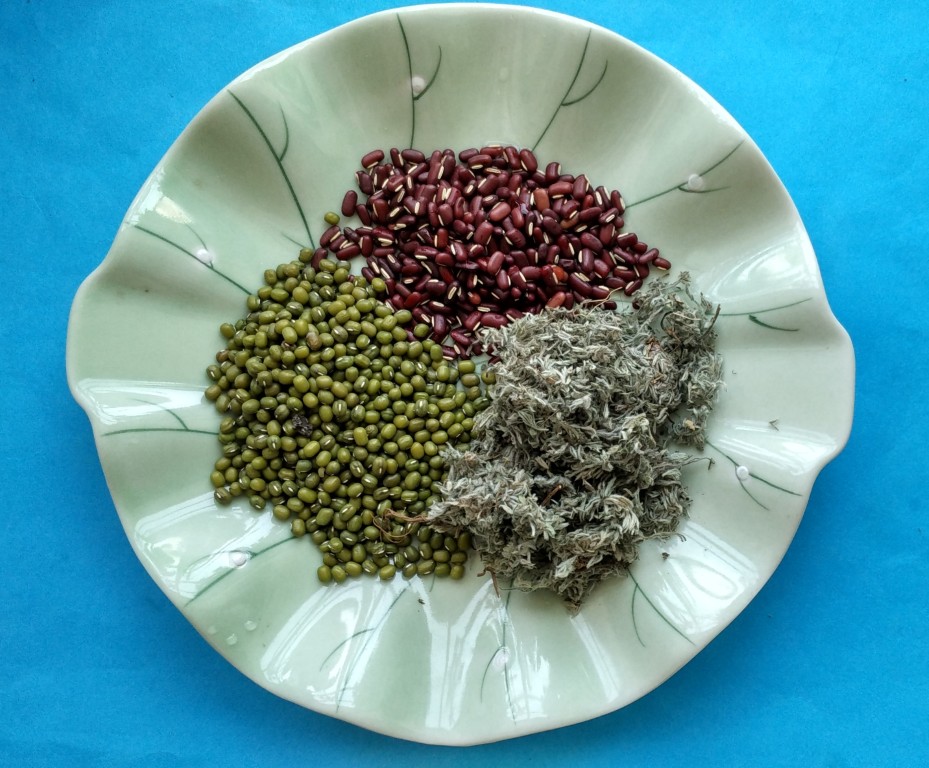
- Seaweed / kelp (hai dai): In traditional Chinese food therapy, seaweed is salty in flavour and cooling in nature. It is associated with clearing heat, promoting fluid movement (diuresis), and softening and dispersing accumulations — a property traditionally applied to nodes, cysts, and stone-like formations in the body.
- Mung beans (lv dou): A classic heat-clearing, detoxifying food in Chinese food culture. Mung beans are associated with cooling internal heat, supporting the excretion of toxins, and protecting the gut lining.
- Raw Job’s tears / coix seed (sheng yi mi): A very widely used food-herb in Chinese wellness cooking. Raw (uncooked, not toasted) coix seed is strongly associated with clearing damp-heat, promoting urination, and supporting the kidneys and bladder. Note: always use raw yi mi, not the dry-fried version, for this purpose.
- Rock sugar (bing tang): Gentle sweetness that makes the porridge palatable; slightly more neutral than white sugar in traditional food therapy.
Ingredients (3–4 bowls)
| Ingredient | Amount | Notes |
|---|---|---|
| Soaked tender seaweed (hai dai) | ~19 g (5 qian) | Pre-soaked to soften |
| Mung beans | ~75 g (2 liang) | Soaked and rinsed |
| Raw coix seed (sheng yi mi) | ~37 g (1 liang) | Rinsed |
| Rock sugar | to taste | Added near end of cooking |
| Water | enough to cover generously | ~6–7 bowls |
Method
- Soak the seaweed in cold water until softened. Drain and roughly chop or cut into pieces.
- Rinse the mung beans and coix seed.
- Combine all ingredients (except the rock sugar) in a pot with 6–7 bowls of water.
- Bring to a boil, then reduce heat and simmer for about 1 hour until the beans and seeds are soft and the mixture is porridge-like.
- Add rock sugar to taste and stir until dissolved.
- Serve warm or at room temperature.
Bro Niu’s tips
This is a light, pleasant sweet porridge that healthy people can eat too — it is not exclusively medicinal. Keep in mind the lifestyle reminders Bro Niu emphasises: the single most powerful preventive measure for kidney stones is drinking more water throughout the day. Eating a balanced, varied diet and avoiding excess of any single food category is ultimately more important than any specific soup or porridge. Pregnant women and those with a cold, weak digestive constitution should skip this recipe.
Community questions answered (selected)
- Q (石石): My father has liver cancer and is in hospital. He recently had a catheter removed but is experiencing pain, and tests show he has kidney stones and a bacterial infection. Is his condition related to taking too many medications? What soups can help him? Bro Niu: You can try brewing fresh corn silk (su mi xu) as a simple tea — it has a diuretic effect that may ease discomfort. Adding 1 liang of raw coix seed to the brew may further support the body’s response to bacteria. (Please continue following the medical team’s guidance for any serious condition like this.)
Published January 22, 2020 · Adapted and translated for Nourilo from a traditional home-kitchen recipe. Approx. 4 min read.