Sweet Soups & Desserts
Three-Bean Jelly (Mung Bean, Job's Tears & Adzuki)
traditionally used to clear heat, support skin recovery, and ease mouth sores

Why people make this jelly
When a child has hand, foot and mouth disease, the painful blisters inside the mouth make swallowing almost anything feel unbearable. Traditional Chinese food therapy turns to cooling, detoxifying ingredients — mung beans, pearl barley, and adzuki beans — to support the body during this period. Setting them into a chilled jelly solves a practical problem: cold food slides past sore spots far more gently than hot food. Bro Niu shared this recipe both on his blog and in his children’s health cookbook, and it remains one of his most practical tips for parents helping little ones through this illness.
Who it suits / who should be cautious
- Suited to children and adults experiencing hand, foot and mouth disease, especially those with painful mouth ulcers who struggle to eat
- Also a gentle, everyday treat for healthy children — mung beans and barley are mild and nourishing
- Those with a very cold constitution (chronic loose stools, cold limbs) should eat this in small amounts and not serve it ice-cold
- Not a substitute for medical attention if the child is severely unwell, very young, or unable to drink fluids
Why these ingredients (the food-therapy logic)
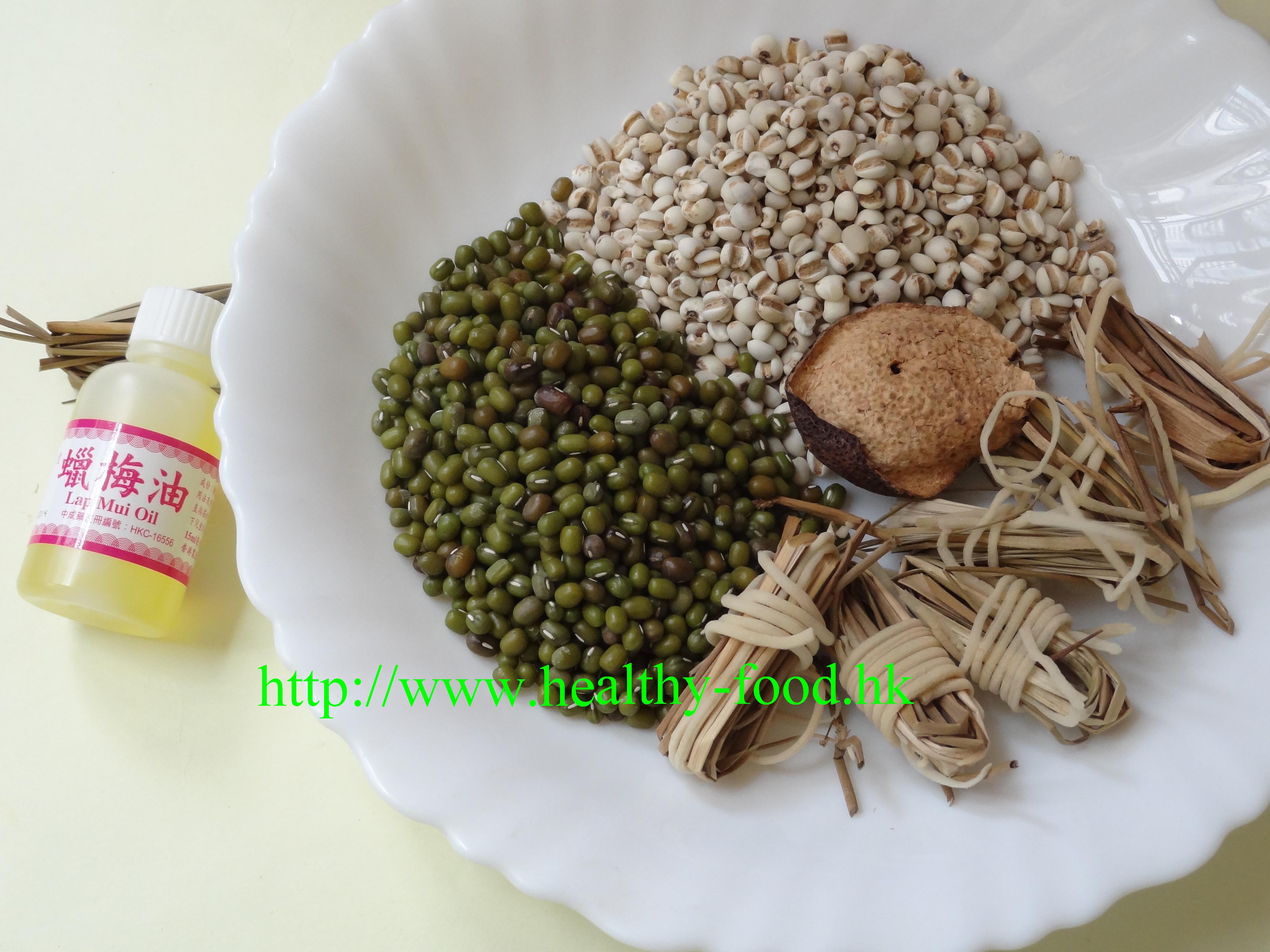
- Mung beans (lu dou): Traditionally considered cooling and detoxifying; associated with clearing heat and supporting the body’s natural defences during infections
- Job’s tears / pearl barley (yi mi, Coix lacryma-jobi): Traditionally used to drain dampness and support the spleen; also noted in modern research for mild anti-inflammatory properties
- Adzuki beans (chi xiao dou): Traditionally used to promote fluid metabolism and clear damp-heat; pairs well with barley in classic herbal food recipes
- Plain jelly / gelatine: No therapeutic role — it simply transforms the warm bean puree into a cold, smooth gel that is easier and less painful to eat
Ingredients (4–6 jelly cups)
| Ingredient | Amount | Notes |
|---|---|---|
| Mung beans | 37 g (1 liang) | Dried |
| Job’s tears (pearl barley) | 37 g (1 liang) | Dried; the raw variety (sheng yi mi) is preferred |
| Adzuki beans | 37 g (1 liang) | Dried |
| Sugar | To taste | Rock sugar or granulated |
| Unflavoured jelly / gelatine powder | 3 tablespoons total | 1 tablespoon per bean type; dissolve in a little warm water before adding |
| Water | ~150 ml per bean type | For cooking each puree separately |
Method
- Grind each bean type separately in a blender or spice grinder until it becomes a fine powder.
- For each bean powder, add approximately 150 ml of water and cook over medium-low heat for about 15 minutes, stirring frequently, until thick and smooth.
- Add sugar to taste to each pot and stir until dissolved.
- Dissolve 1 tablespoon of unflavoured jelly powder per bean in a small amount of warm water to form a lump-free slurry, then stir it into the corresponding warm bean puree.
- Pour each flavoured puree into individual jelly moulds or small cups.
- Refrigerate until fully set and cold.
- Serve chilled. Children may eat freely.
Bro Niu’s tips
These jellies taste genuinely good — mildly sweet with an earthy depth — so children tend to enjoy them even outside of illness. They can be made as a healthy everyday dessert. If you cannot find plain (unflavoured) jelly powder in a large supermarket, look in the baking aisle near the coloured dessert jelly packets. Plain gelatine sheets (softened in cold water first) also work. The jellies keep in the fridge for 1–2 days.
Community questions answered (selected)
-
Q (Cherry): My two children both have hand, foot and mouth disease — lots of white-red spots in their mouths, sores, refusing to eat or drink because of the pain. We are overseas. What can we do with mung beans and barley we have brought? Bro Niu: Use the ingredients from this recipe — cook mung beans and barley with a little rock sugar into a smooth puree, then stir in some agar or jelly powder and set it cold in the fridge. Cold food going into the mouth causes far less pain than warm food. Mung beans and barley both have a clearing, anti-bacterial effect. You can eat freely until the symptoms improve.
-
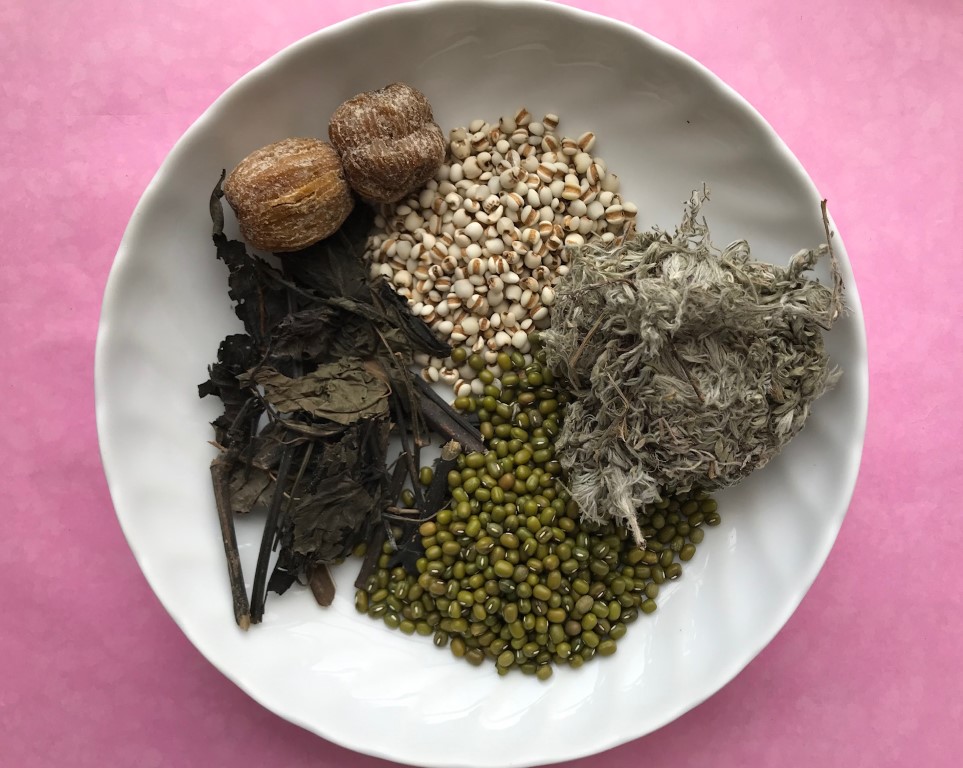
Q (YanYan): I have hand, foot and mouth disease myself as an adult. My throat is extremely sore and I have a cold constitution — cold foods upset my stomach. I’m afraid to use mung beans. What else can I do? Bro Niu: Try a soup of ten green olives (lightly crushed), one green radish, and four figs simmered in water with lean pork. It helps soothe a swollen, inflamed throat and is not too cooling. Drink two portions over two days.
-
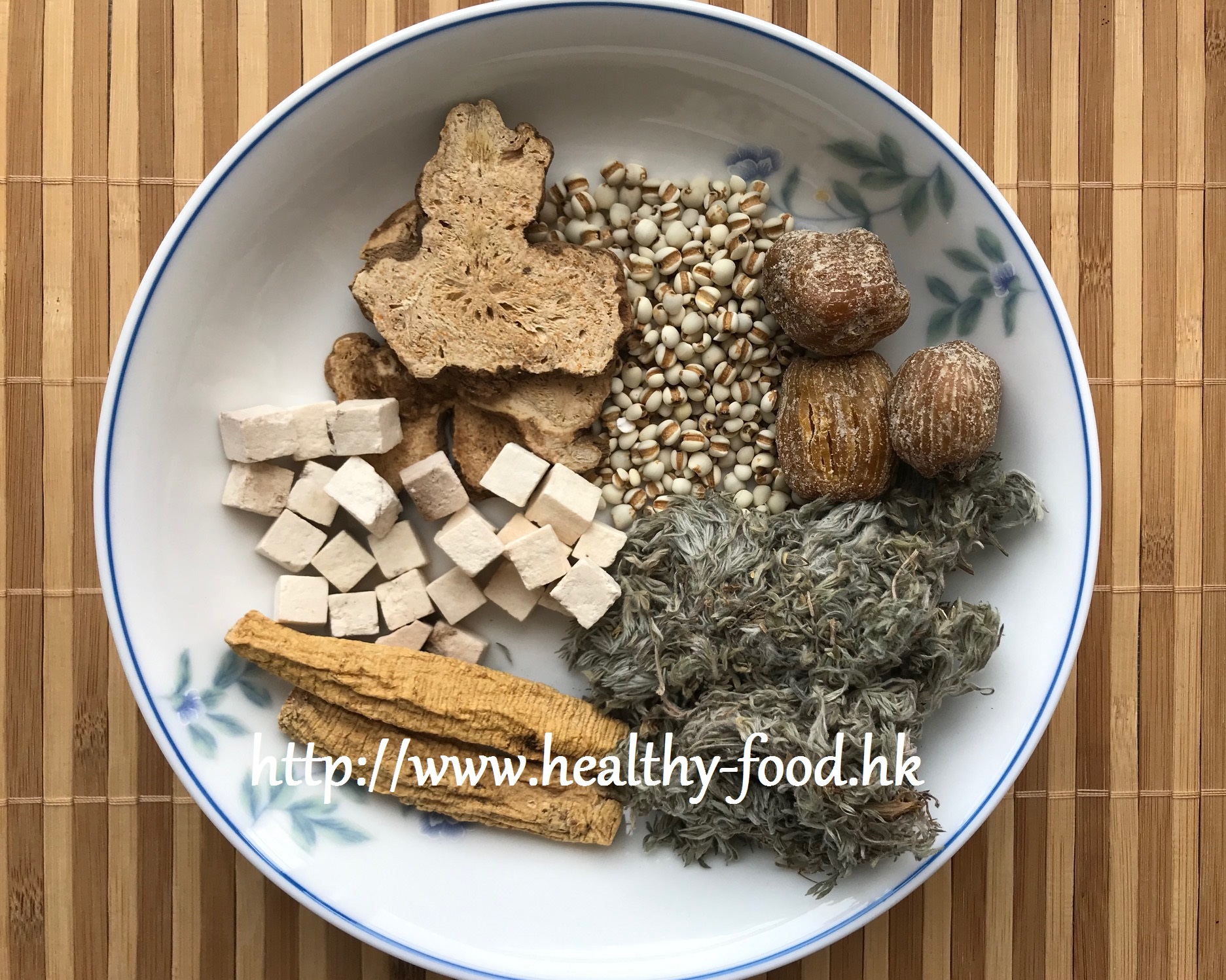
Q (Ling Yim): My son’s class has an outbreak. My younger child is only one year old. Is there a preventive food therapy? Bro Niu: You can simmer chayote (two pieces), firm tofu (two blocks), and grass carp tail together — the whole family can drink this soup to help protect against hand, foot and mouth disease. You can also make a sweet soup of adzuki beans, mung beans, barley, and rock sugar, which helps clear heat.
Published November 7, 2015 · Adapted and translated for Nourilo from a traditional home-kitchen recipe. Approx. 4 min read.