Soups
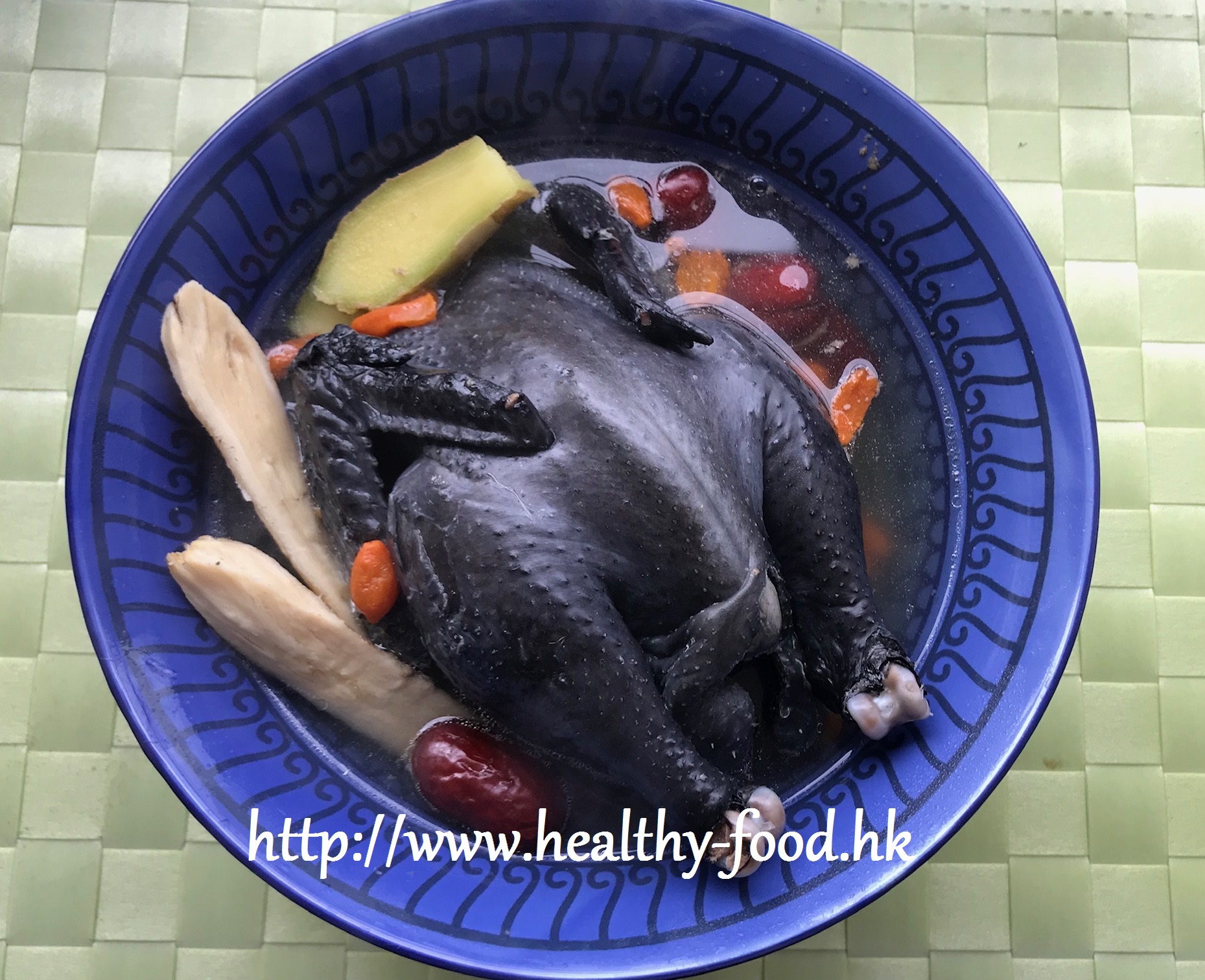
Chinese Ginseng, Astragalus, and Free-Range Chicken Soup
traditionally used to replenish qi, nourish blood, and support immune resilience
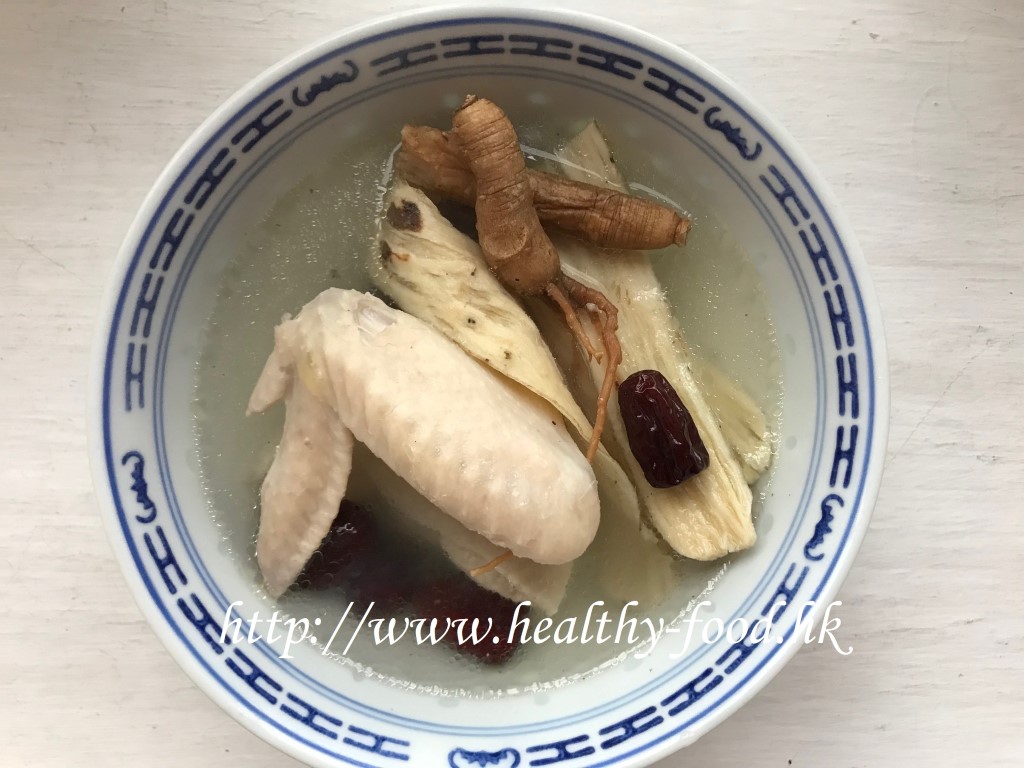
Why people make this soup
When the weather turns cold and energy feels low, traditional Chinese food therapy looks to qi-tonifying ingredients to help the body build resilience from within. This soup uses Chinese ginseng alongside astragalus (bei qi) — two of the most widely respected qi-replenishing herbs in the Chinese culinary tradition — paired with nan dates and free-range chicken. The result is a rich, warming broth that has long been used for people who feel run-down, catch colds easily, or have weaker constitutions. Bro Niu notes that most tonifying Chinese herbs share the property of supporting the body’s immune response, making this type of soup especially popular during colder months.
Who it suits / who should be cautious
- Suited to those with qi or blood deficiency, poor resistance, or those feeling depleted during cold weather
- Not suitable during active fever, acute infection, inflammation, or if feeling “hot and dry” — wait until recovery is complete
- A warming soup; moderate consumption is key — twice a week in cold weather is a sensible guide
- Do not use the ginseng root head (the top, bulb-shaped part), which is traditionally classified as an emetic herb
Why these ingredients (the food-therapy logic)
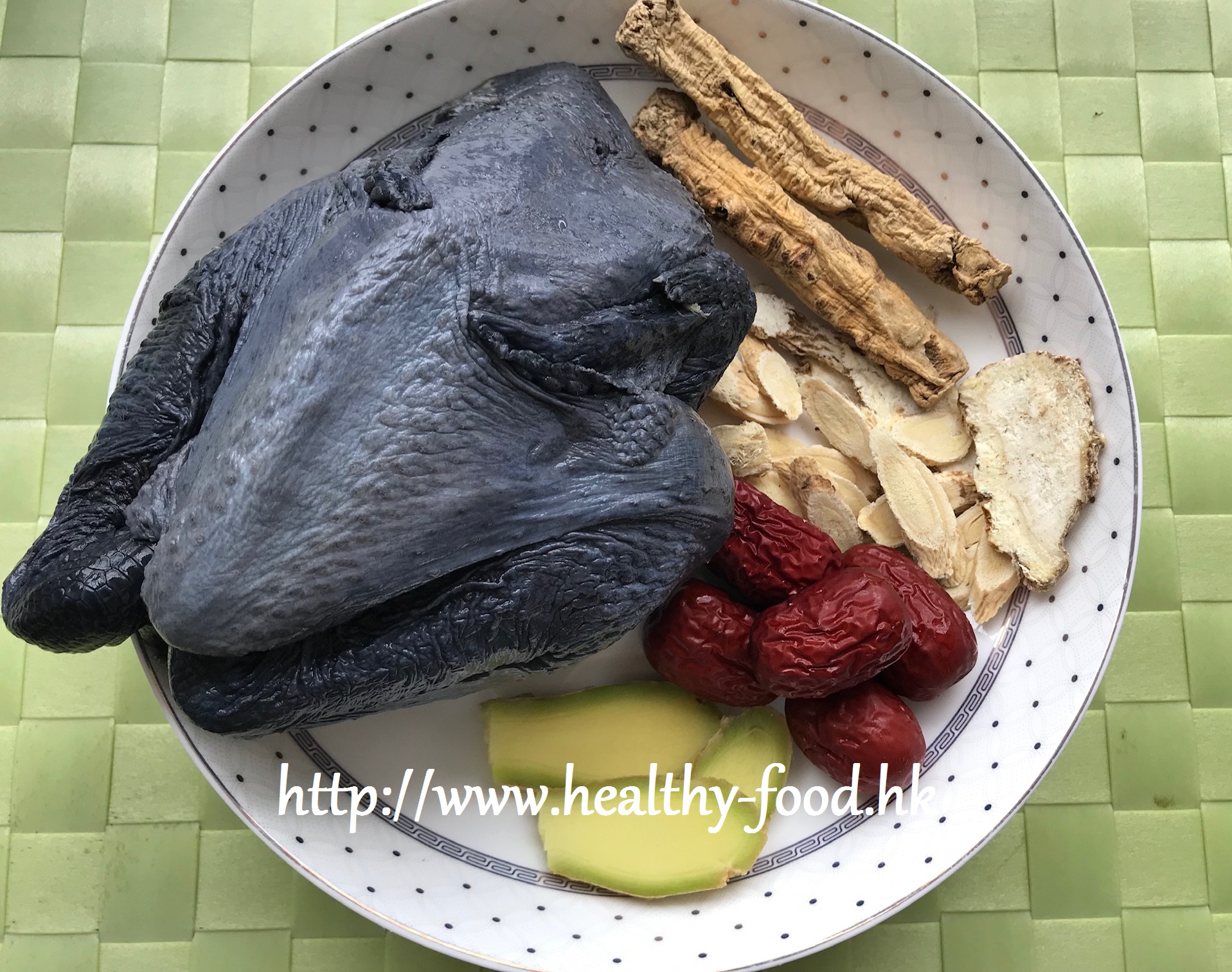
- Ginseng (chi di shen / hong shen / dang shen): A foundational qi tonic; traditionally associated with replenishing vital energy, supporting the immune system, and improving overall vitality. “Pond-bottom” ginseng (chi di shen) has a good tonifying effect; red ginseng or codonopsis root are practical alternatives
- Astragalus root (bei qi / huang qi): One of the most widely used qi-tonifying herbs; traditionally associated with strengthening the body’s defensive energy (wei qi), supporting the lungs, and improving stamina
- Nan dates (nan zao): A less heating variety of Chinese date; traditionally used to nourish blood and support digestive function without causing excessive internal heat (compared to red dates)
- Free-range chicken (zou di ji): Traditionally considered more tonifying than farm-raised chicken, with a firmer texture and more flavour
Ingredients (4 bowls)
| Ingredient | Amount | Notes |
|---|---|---|
| Ginseng (chi di shen, or red ginseng slices, or dang shen) | 3 qian (~11 g) | Rinse; do NOT use the root head |
| Astragalus root (bei qi) | 5 qian (~19 g) | Rinse and soak briefly |
| Nan dates (or red dates) | 5 pieces | Rinse |
| Fresh ginger | 2 slices | |
| Free-range chicken | half a bird | Chopped into large pieces; blanched |
| Water | 8 bowls (approx. 2 litres) |
Method
- Rinse the ginseng and astragalus root. Do not include the ginseng root head.
- Rinse the nan dates.
- Chop the chicken into large pieces and blanch in boiling water; drain.
- Place all ingredients in a pot with 8 bowls of water.
- Bring to a boil over high heat, then reduce to a low simmer.
- Cook for 2 hours until the liquid reduces to approximately 4 bowls.
- Serve warm.
Bro Niu’s tips
The photograph shows “pond-bottom ginseng” (chi di shen), which has a good tonifying effect. If you cannot find it, red ginseng slices or codonopsis root (dang shen) slices work well as substitutes. Note that the root head of ginseng (shen tou — the rounded top) is classified as an emetic herb in traditional Chinese medicine and should not be added to the soup. No matter how nourishing a soup is, Bro Niu cautions against drinking it in large quantities every day for extended periods — in cold weather, twice a week is plenty.
Community questions answered (selected)
- Q (Me): My friend’s whole family of four has been infected, including a 6-month-old baby and a 5-year-old. They have recovered from fever but have muscle aches, a persistent cough, sore throat, and phlegm. What tea can help them recover more quickly? Bro Niu: Your friend can prepare a soup with 2 green radishes, snow pear, southern and northern apricot kernels, and dried tangerine peel with lean pork — the whole family can drink it, simmer for 2 hours. For muscle aches, add kudzu root (fen ge) to the same pot — make a large batch and have 1–2 bowls each per day, for 3 consecutive days.
Published February 24, 2022 · Adapted and translated for Nourilo from a traditional home-kitchen recipe. Approx. 3 min read.