Soups
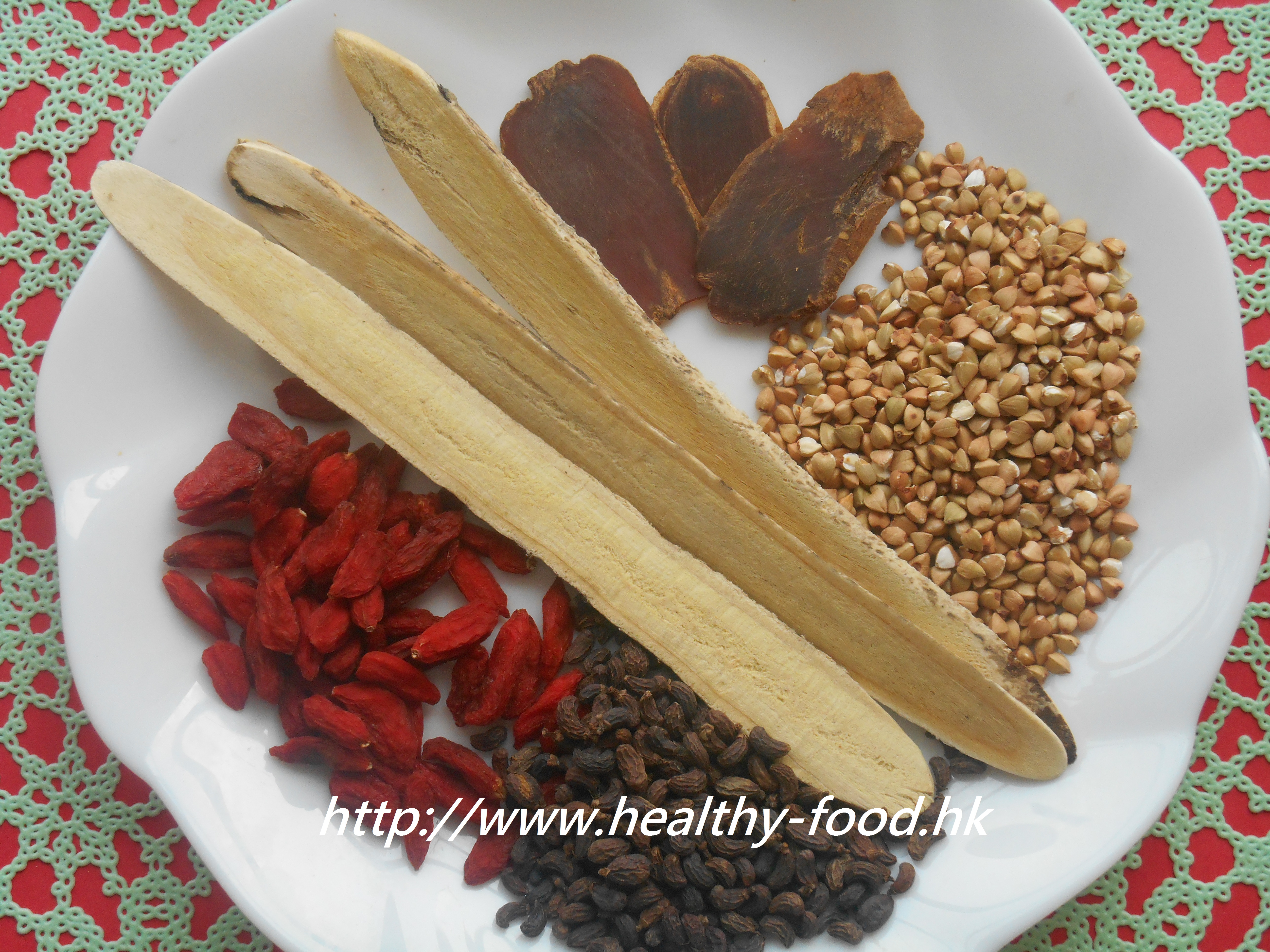
Ginseng Astragalus Buckwheat Soup
traditionally supports immunity, nourishes qi and blood, and is associated with strengthening the body's resilience
Why people make this soup
Buckwheat has been having something of a renaissance in recent years, appearing in specialty grains blends and health food stores. Nutritionally, it is genuinely impressive: higher in protein than rice or wheat, rich in B vitamins, vitamin E, and uniquely, a compound called rutin (vitamin P) that supports capillary strength and is associated with vascular health. In food-therapy tradition, buckwheat is also considered helpful for managing blood sugar over time. When paired with classic qi- and blood-tonifying herbs — ginseng, astragalus, ligustrum, and goji — the buckwheat’s character tempers the dryness that can sometimes accompany tonic herbs, and the combination supports the whole body’s resilience. Bro Niu recommends this soup as a supportive food-therapy preparation, particularly useful as a strengthening measure before demanding medical procedures.
Who it suits / who should be cautious
- Suitable as a general wellness soup for adults
- Particularly associated with supporting those with qi and blood deficiency — fatigue, pale complexion, reduced appetite
- Traditionally noted as a supportive preparation for those preparing for demanding medical treatments, to help the body maintain strength — at 3–4 servings per week
- Consult a doctor before starting any herbal preparation if you are undergoing active medical treatment
- This soup is not a treatment or preventative for cancer; any such claim would be medically unfounded
Why these ingredients (the food-therapy logic)
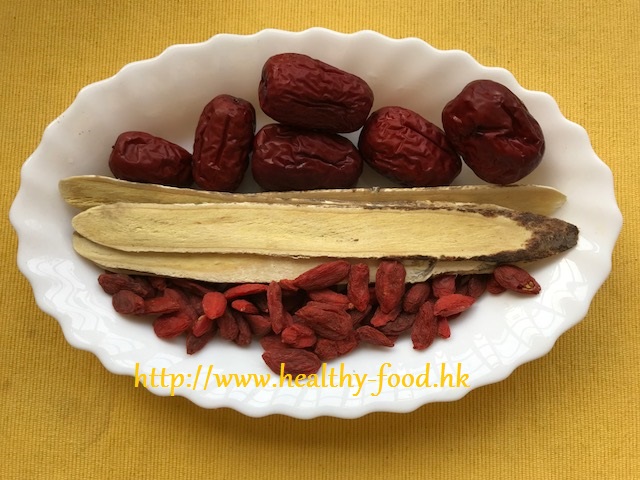
- Ginseng (ren shen): A classic tonic in traditional Chinese medicine, associated with replenishing qi, supporting the lungs and spleen, and generating fluids.
- Astragalus root (bei qi / huang qi): Associated with tonifying wei qi (the body’s protective energy), supporting immune function, and combating fatigue. Widely studied in modern research for its polysaccharide content.
- Ligustrum berry (nu zhen zi): Associated with nourishing the liver and kidneys and supporting immune activity.
- Goji berries (gou qi zi): Associated with nourishing the liver and kidneys, brightening vision, and supporting overall vitality.
- Buckwheat (qiao mai): High in protein, B vitamins, and rutin. Traditionally associated with supporting circulation and blood sugar management.
Ingredients (2 bowls)
| Ingredient | Amount | Notes |
|---|---|---|
| Ginseng (ren shen) | 11 g (3 qian) | Rinse; soak briefly |
| Astragalus root (bei qi) | 19 g (5 qian) | Rinse; soak briefly |
| Ligustrum berry (nu zhen zi) | 11 g (3 qian) | Rinse |
| Goji berries (gou qi zi) | 11 g (3 qian) | Rinse |
| Buckwheat | 37 g (1 liang) | Rinse |
| Water | 7 bowls (~1.4 L) | — |
Method
- Rinse and briefly soak all ingredients.
- Combine all ingredients in a pot with 7 bowls of water.
- Bring to a boil over high heat, then reduce to a gentle simmer.
- Cook for 1 hour 30 minutes until liquid reduces to about 2 bowls.
- Strain and serve warm. The cooked buckwheat and goji berries can be eaten.
- Store leftover liquid in the refrigerator; reheat before serving. Keeps for up to 2 days.
Bro Niu’s tips
This soup can be made 3–4 times per week as a supportive measure. Strained leftovers can be refrigerated and reheated within 2 days. For those who have completed medical treatment and are in recovery, the focus can shift to lighter, more digestible nourishment first — soups with lotus seeds, lily bulb, snow fungus, and red dates to restore appetite and energy — before returning to more tonifying preparations like this one. For a follow-up wellness tea that is even easier to prepare, a combination of astragalus, codonopsis (dang shen), and goji berries steeped in hot water is a lighter daily option.
Community questions answered (selected)
-
Q (lsl213): My husband was diagnosed with lymphoma and is undergoing chemo. Can he drink this soup along with a black wood ear and snow fungus soup? Bro Niu: Yes, he can drink both. For supporting white blood cell levels, try astragalus 5 qian, codonopsis 5 qian, goji berries and ligustrum 3 qian each, and bitter buckwheat 1 liang — 5 bowls of water simmered to 2 bowls — 2–3 times per week.
-
Q (lsl213, after recovery): My husband has recovered with no cancer cells detected. What should he drink now? Bro Niu: With recovery confirmed, it is best to see a TCM doctor for a tailored protocol to reduce recurrence risk. Daily, you can simmer pine mushroom (ji song rong / Agaricus blazei) 4 qian with goji berries 3 qian and fresh asparagus into a pork soup — eat the ingredients for full benefit. The whole family can share it.
-
Q (Ada): My family member has stage 4 colon cancer and is waiting for chemotherapy. Can this soup help? What else supports appetite and strength? Bro Niu: This soup is suitable. For poor appetite and physical weakness, try freshly juiced apple, carrot, and raw potato — clean and peel all three, juice them together, and drink within 5 minutes. Start with half a cup, then increase gradually. Figs, black wood ear fungus, and sweet potato are also beneficial additions to the diet.
Published July 10, 2017 · Adapted and translated for Nourilo from a traditional home-kitchen recipe. Approx. 4 min read.