Soups
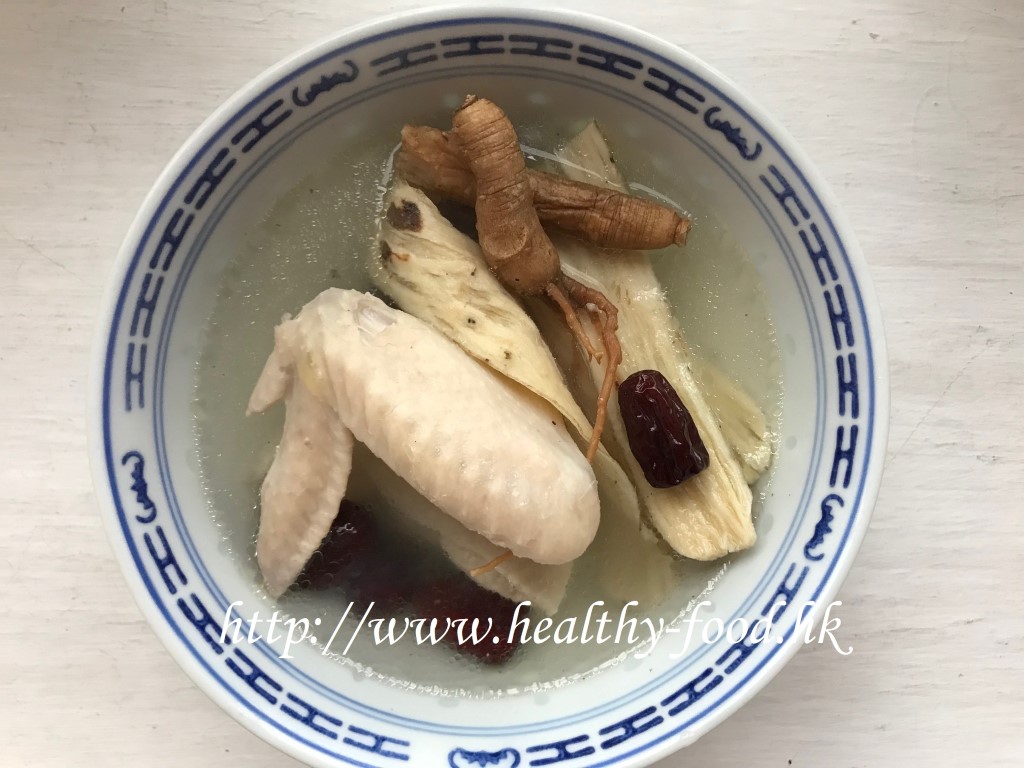
Astragalus, Fresh Chinese Yam, Wolfberry & Red Date Pork Shin Soup
traditionally used to strengthen qi, nourish blood, and support the body's natural immune defences
Why people make this soup
When the weather turns cold and you want something that genuinely supports your body’s resilience, this is one of Bro Niu’s go-to recommendations for the whole family. The key insight behind this recipe is that many tonic herbs are too warm, too stimulating, or too specialised for everyday general use — but the four ingredients at the heart of this soup (astragalus, yam, goji, and red dates) hit a sweet spot: they are nourishing without dryness, warming without being harsh, and safe for children, adults, and the elderly alike.
Astragalus (huang qi / bei qi) is one of the most widely researched herbs in traditional Chinese medicine. Its role here is to strengthen the body’s “wei qi” — the defensive energy that circulates at the surface and keeps pathogens from taking hold. Combined with yam (which supports the digestive system so that the tonic nourishment can actually be absorbed), goji (which nourishes the liver and kidneys while also brightening the eyes), and red dates (which build blood and calm the spirit), this soup is as well-rounded as everyday food therapy gets.
Who it suits / who should be cautious
- Suitable for the whole family as a preventive wellness soup — neither too cold nor too drying
- Particularly beneficial for those who feel frequently fatigued, catch colds easily, or have a pale complexion suggesting qi and blood deficiency
- Do not drink while you have an active external illness (cold, flu, sore throat, fever) — tonic soups should wait until the illness has fully cleared
- For a vegetarian version: substitute carrot and corn or nuts (cashews, almonds) for the pork shin; Bro Niu confirmed this works well
Why these ingredients (the food-therapy logic)
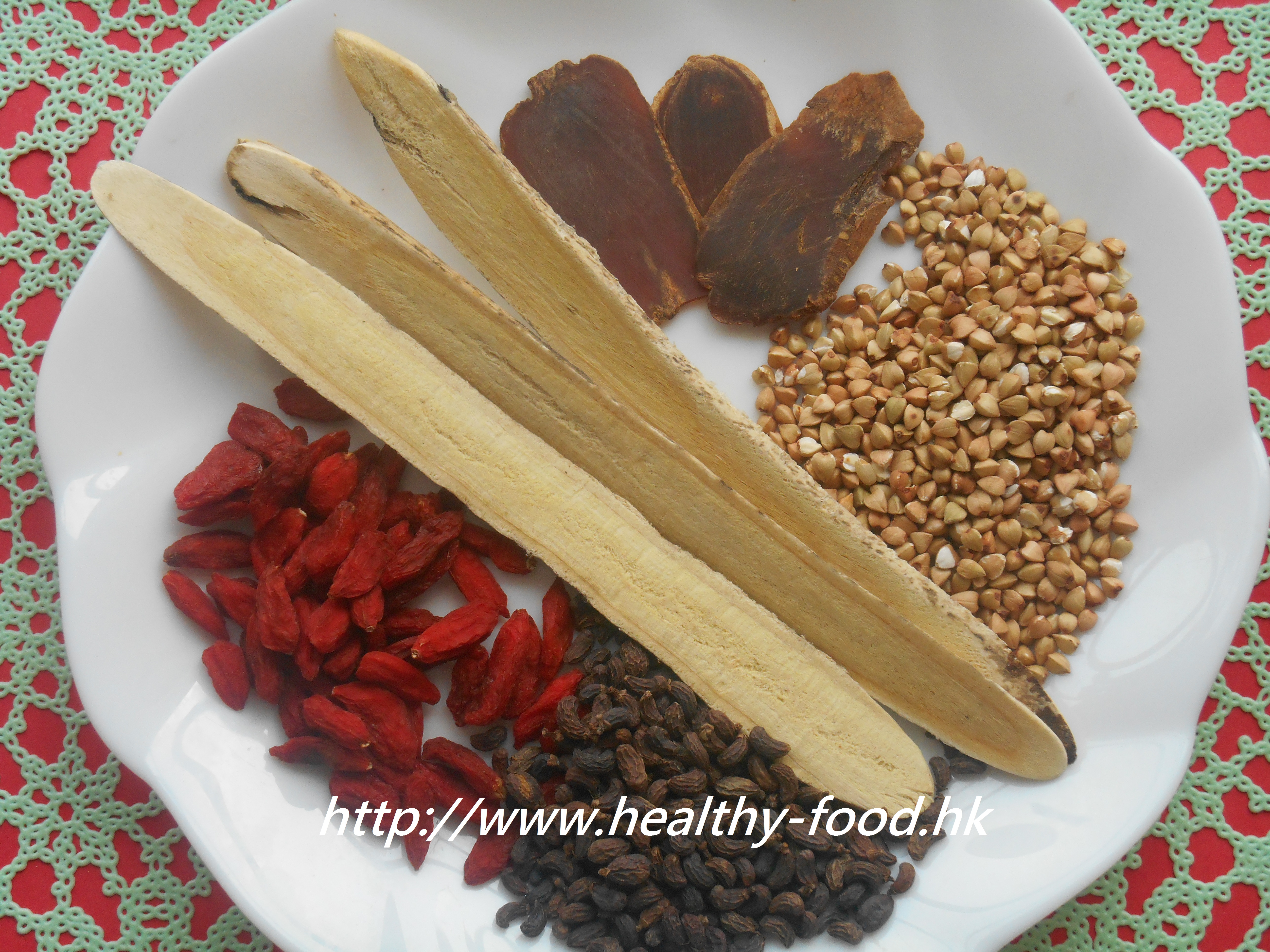
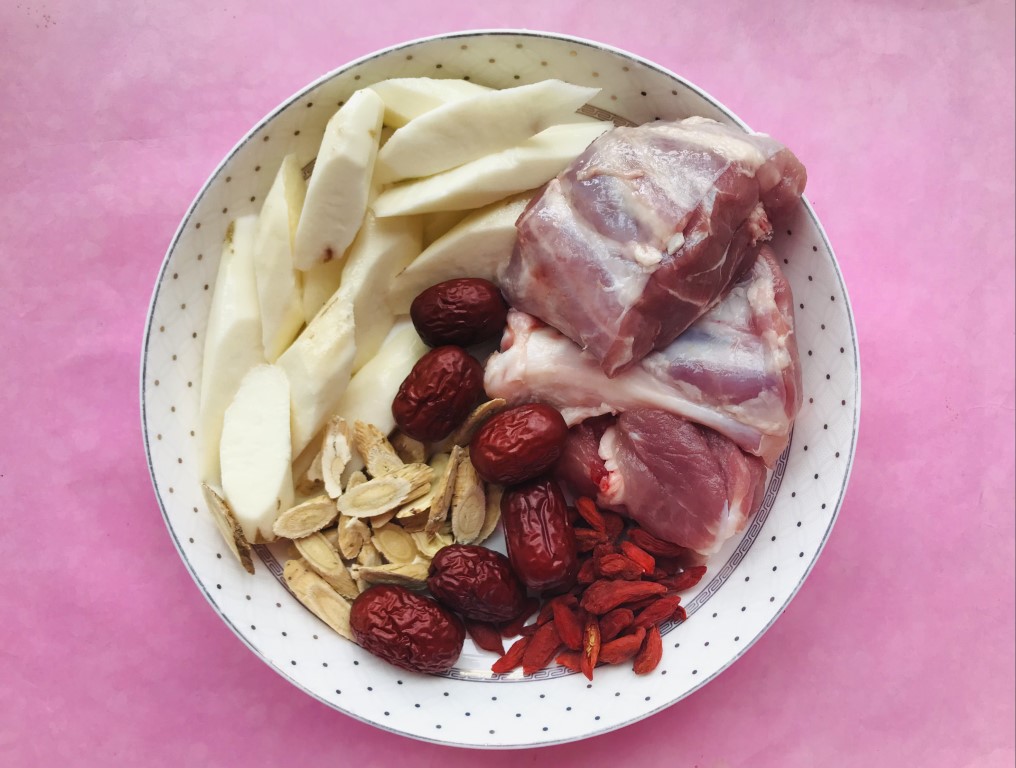
- Astragalus root (bei qi / huang qi): The most commonly used qi-tonifying herb in Chinese food therapy; particularly associated with strengthening defensive qi and supporting recovery from fatigue; the long, strip-form with dark outer bark and yellow-white interior is considered best quality
- Chinese yam (huai shan): Nourishes the spleen, lung, and kidney; supports the digestive system so that tonic nourishment is properly absorbed; fresh yam has a milder flavour and slightly different texture than the dried version — either works
- Wolfberry / goji berries (gou qi zi): Nourish the liver and kidney, support blood, and are associated with eye health; choose good-quality goji berries that have been properly rinsed to remove any residual processing agents
- Red dates (hong zao): Tonify the spleen and stomach, nourish blood, and calm the spirit; a classic pairing with astragalus and goji in tonic soups
- Pork shin (zhu zhan): Lean, collagen-rich cut that provides a nourishing base for the broth; also traditionally associated with nourishing yin, moistening dryness, and supporting kidney and blood
Ingredients (4 bowls)
| Ingredient | Amount | Notes |
|---|---|---|
| Astragalus root (bei qi) | 5 qian (~19 g) | Soaked and rinsed; whole strips preferred over sliced |
| Fresh Chinese yam | ~230 g (6 liang) | Peeled and cut into sections; or use 1 liang dried |
| Goji berries | 3 qian (~11 g) | Rinsed well; add in last 20 min if you want them to retain colour |
| Red dates | 6 pieces | Pitted |
| Pork shin | ~400 g (1 piece) | Cut into chunks; blanched |
| Water | 9 bowls |
Method
- Soak and rinse the astragalus. Peel the fresh Chinese yam and cut into sections.
- Rinse the goji berries well. Remove the pits from the red dates.
- Cut the pork shin into chunks and blanch in boiling water; drain and rinse.
- Combine all ingredients in a pot with 9 bowls of water (goji berries can be added at the start or in the last 20 minutes if you prefer them to retain their shape and colour).
- Bring to a boil, then reduce to a steady simmer for 2 hours until reduced to about 4 bowls.
- Serve and eat both the soup and the solid ingredients.
Bro Niu’s tips
The photo in the original article shows thinly sliced astragalus — which Bro Niu notes he used because he happened to have extra. For this soup, the traditional long-strip form of bei qi (with the characteristic dark outer edge and yellow inner flesh) is more potent and gives a slightly deeper flavour to the broth. If using dry yam instead of fresh, use 1 liang (about 38 g). If cooking vegetarian, carrot and corn make a good base, or use cashews and almonds for added protein. One consistent reminder from Bro Niu: never drink this tonic soup when you are coming down with a cold or fever — let the illness resolve completely first.
Community questions answered (selected)
-
Q (Cindy): If I use dried yam instead of fresh, how much should I use? Bro Niu: Use 1 liang of dried yam.
-
Q (MANDY): If making a vegetarian version, what can replace the pork shin? Bro Niu: You can add carrot and corn instead of meat, or use nuts like peanuts or almonds as a substitute — both work well.
-
Q (Any): I like this soup very much. I have rosacea — can I drink it? Bro Niu: Yes, you can drink this soup with rosacea. In general, avoid alcohol, coffee, and spicy or heat-inducing foods. Keeping your emotions stable also helps reduce flare-ups.
Published November 29, 2022 · Adapted and translated for Nourilo from a traditional home-kitchen recipe. Approx. 4 min read.