Soups
Astragalus, Codonopsis, Angelica & Black-Bone Chicken Soup
traditionally used to tonify qi and blood, support recovery after illness or surgery
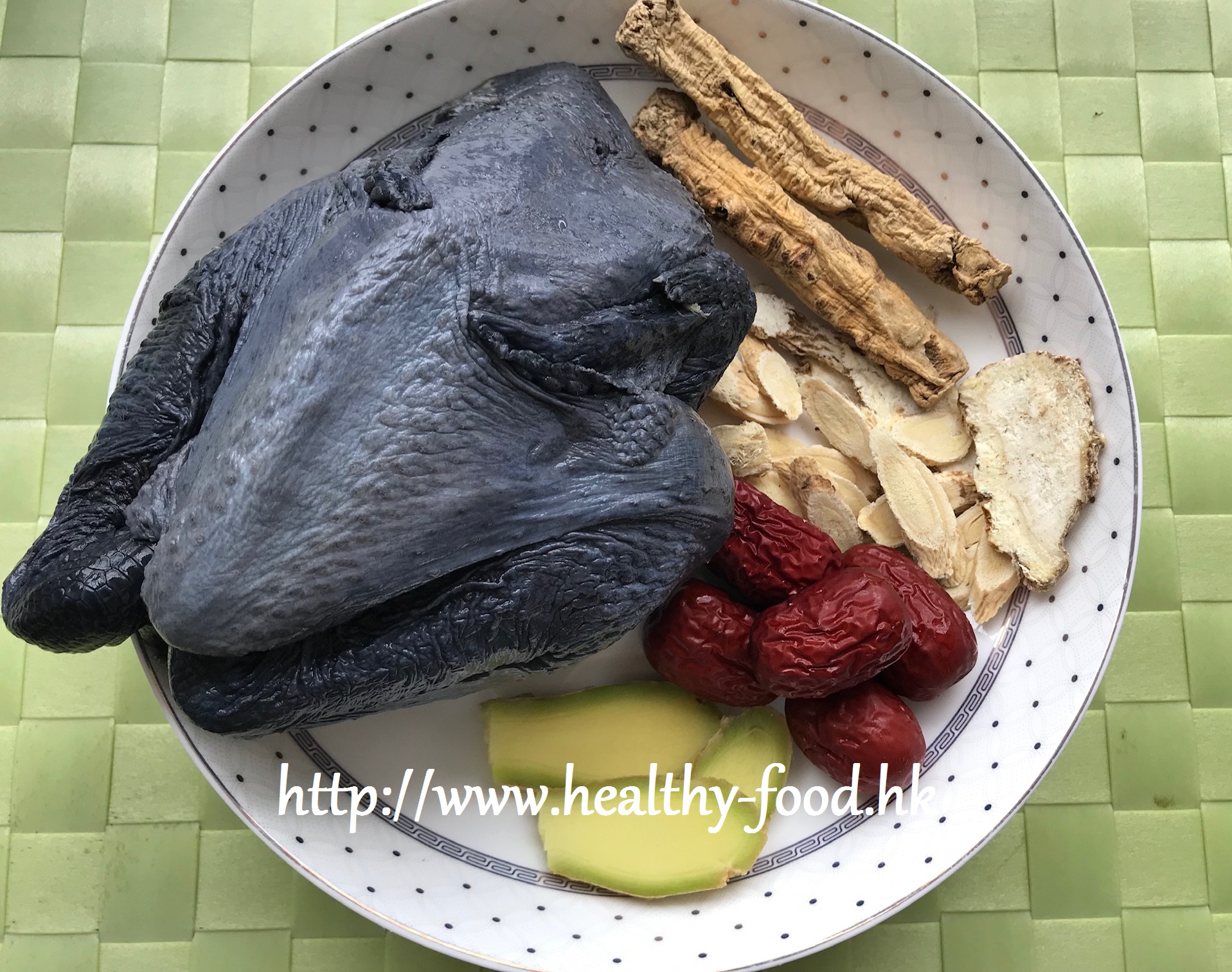
Why people make this soup
Aplastic anemia means the body is not making enough blood cells, which can lead to persistent fatigue, easy bruising, and a slow, exhausting recovery from even minor setbacks. Alongside the dietary guidance from a doctor — ensuring enough iron, folate, vitamin B12, and high-quality protein — Bro Niu shares this traditional soup as a warming, nourishing complement. Black-bone chicken (wu ji) has been valued in Chinese food culture for generations as an exceptionally rich source of protein and minerals; combined with qi-supporting herbs, it makes a deeply comforting broth for rebuilding strength.
Who it suits / who should be cautious
- Well-suited for people with blood deficiency, post-surgery weakness, or those who feel persistently tired and pale
- Also appropriate for general post-illness recovery
- Avoid drinking strong tea or coffee alongside or just after this soup, as tannins and polyphenols can inhibit iron absorption — this applies to anyone with anemia regardless of whether they are drinking this soup
- Toddlers and very young children are not suited to this type of tonifying soup; older children (8 years and above) can have a small bowl
- If you have any cancer diagnosis, consult your oncologist before using dang gui; it may be combined with bei qi and dang shen safely in many cases, but get personalised guidance
Why these ingredients (the food-therapy logic)
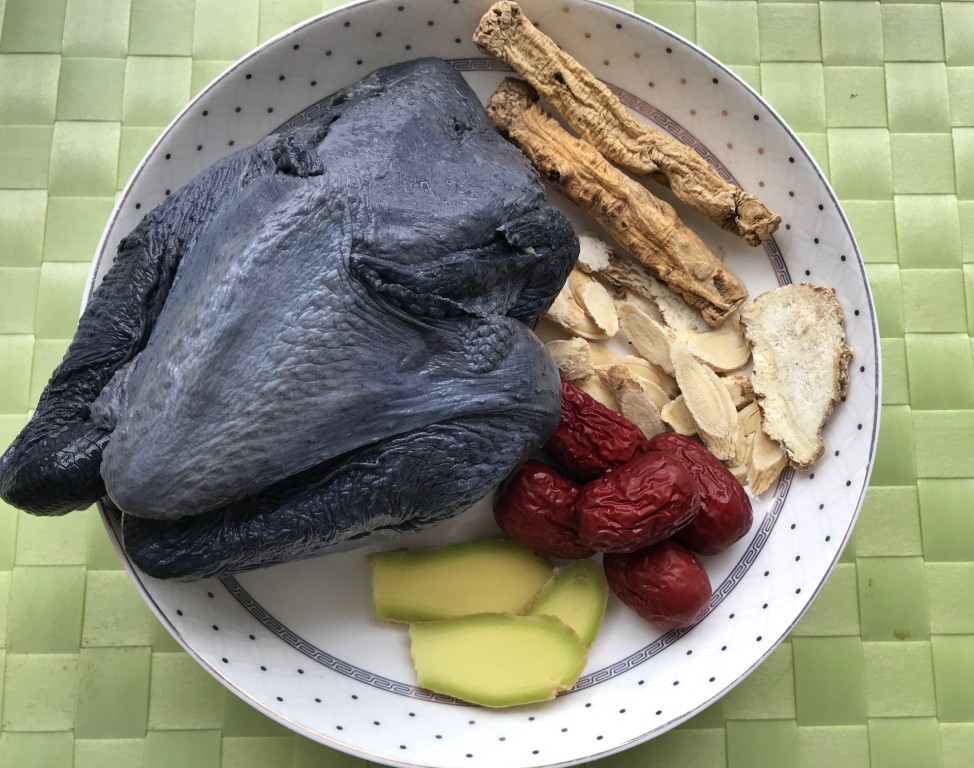
- Astragalus root (bei qi / huang qi): One of the most fundamental qi-tonifying herbs in the Chinese tradition; associated with strengthening the body’s defensive energy and supporting immune function
- Codonopsis root (dang shen): A milder substitute or companion to ginseng; traditionally used to invigorate the spleen and lungs and support energy production
- Chinese angelica root (dang gui): A key blood-nourishing herb in classical Chinese medicine; traditionally used to support blood circulation and ease blood deficiency patterns including pallor and fatigue
- Black-bone chicken (wu ji): Unlike ordinary chicken, black-bone chicken is traditionally considered more nourishing for yin and blood; it is also a good source of protein, which is critical for blood cell production
- Red dates (hong zao): Traditionally associated with tonifying blood and calming the mind; also add a pleasant sweetness to the broth
Ingredients (4 bowls)
| Ingredient | Amount | Notes |
|---|---|---|
| Astragalus root (bei qi) | 5 qian (~18 g) | Rinse before use |
| Codonopsis root (dang shen) | 5 qian (~18 g) | Rinse before use |
| Chinese angelica root (dang gui) | 3 qian (~11 g) | Rinse before use |
| Fresh ginger | 3 slices | No need to peel |
| Red dates (hong zao) | 6 pieces | Pit and rinse |
| Black-bone chicken (wu ji) | 1 whole bird | Cleaned and cut into pieces; blanched briefly |
Method
- Clean the black-bone chicken thoroughly; cut into pieces and blanch in boiling water for 2–3 minutes to remove impurities. Drain and rinse.
- Pit the red dates. Rinse all the dried herbs briefly under cold water.
- Place all ingredients into a large pot. Add 8 bowls (about 2 litres) of water.
- Bring to a boil over high heat, then reduce to a gentle simmer.
- Cook for 1.5 hours until the liquid reduces to about 4 bowls.
- Serve hot; eat the chicken and soup together.
Bro Niu’s tips
This soup is a wonderful restorative for anyone recovering from surgery, not just those with anemia. The key tip Bro Niu emphasises: avoid strong tea and coffee when you are anaemic. These contain polyphenols that directly block the body’s absorption of iron — so even if you are eating iron-rich foods, you may be undoing the benefit by washing them down with tea. Stick to plain water or this soup.
Community questions answered (selected)
-
Q (m): I have thyroid nodules and breast hyperplasia. Can I drink this soup? I also have cold hands and feet and tend to feel dizzy — my doctor says I have qi deficiency. Bro Niu: You can drink this soup. If you are also losing a lot of hair, add 5 qian of processed he shou wu (zhi shou wu) and 1 liang of black beans to the pot.
-
Q (mcdull): I had surgery to remove my uterus due to endometrial cancer combined with iron-deficiency anemia. Is this soup suitable? I have heard that dang gui is not advisable. Bro Niu: After surgery, you can try the “four red” blood-nourishing soup — red beans, red-skinned peanuts, goji berries, and red dates. Borscht (luo song tang) with beetroot, tomato, carrot, potato, and cabbage is also good for qi and blood. Dang gui alone may not be ideal for you, but when combined with bei qi, dang shen, and red dates it should be fine. Use lean pork rather than chicken skin; avoid fatty or high-fat foods.
-
Q (JSM): Is this soup suitable after a miscarriage? Bro Niu: You can drink it in the second week after a miscarriage, once the lochia has cleared.
Published September 1, 2019 · Adapted and translated for Nourilo from a traditional home-kitchen recipe. Approx. 4 min read.