Herbal & Flower Teas
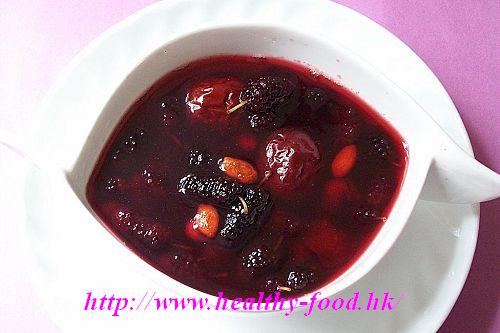
Astragalus, Goji Berry & Red Date Tea
supports immune function and eye comfort; traditionally associated with strengthening qi, nourishing the blood, and supporting vision
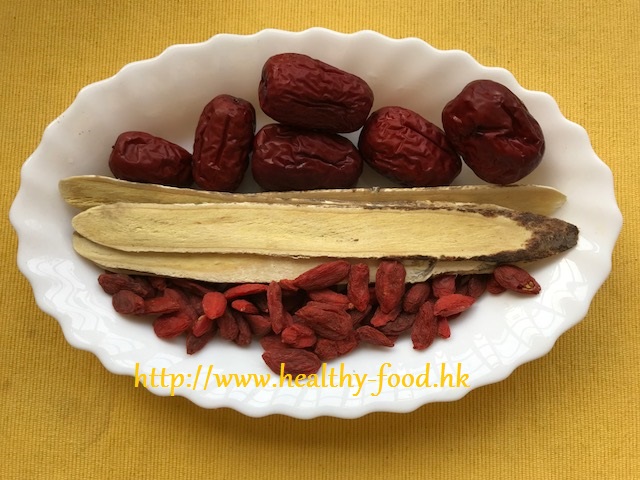
Why people make this tea
Bro Niu came across a report from a Taiwanese medical research team suggesting that astragalus (bei qi) may be helpful for supporting the health of the optic nerve in people managing glaucoma. While Bro Niu is careful to note that online health claims should not be taken at face value, he points out that this particular three-ingredient combination is one he has recommended for years for general immune support and vitality — making it a worthwhile daily habit regardless. It is one of the simplest and most versatile teas in Cantonese food therapy, and it can be prepared in about 25 minutes.
Who it suits / who should be cautious
- Suitable for most people as a daily wellness tea to support qi, blood, and immune function
- Particularly helpful for those who are frequently tired, prone to illness, or feel generally run-down
- For those with high blood pressure: use the larger amount of astragalus — about 1 liang (40 g) — as higher doses are traditionally associated with a mild blood-pressure-lowering effect. Use only 3 qian or less if blood pressure tends to run low
- For those with yin deficiency and internal heat (feeling warm, dry throat): replace red dates with the slightly less warming southern dates (nan zao)
- Breast cancer survivors can safely drink this tea — astragalus does not contain hormones
Why these ingredients (the food-therapy logic)
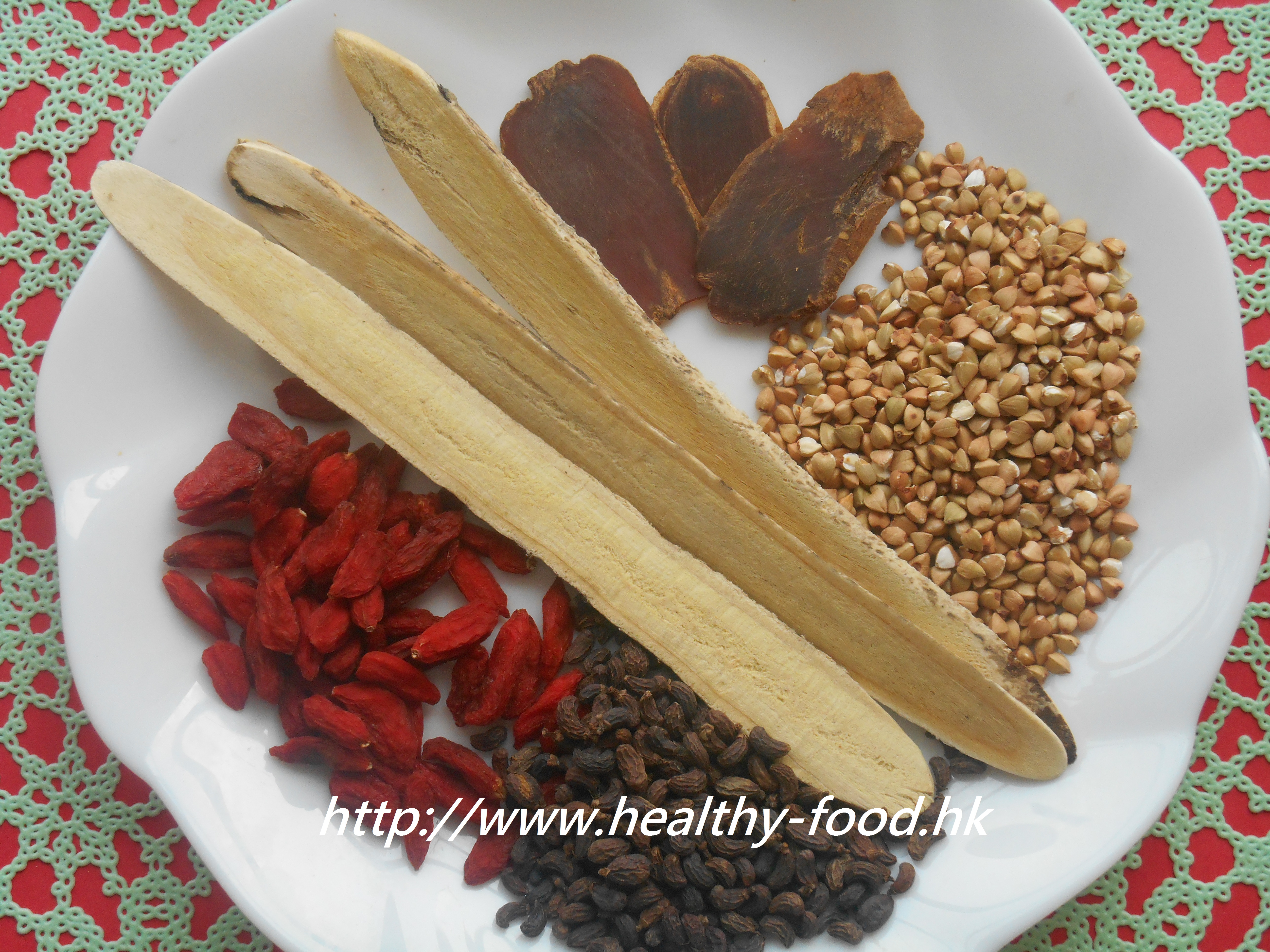
- Astragalus root (bei qi): Considered one of the most important qi-tonifying herbs in traditional medicine; associated with supporting the spleen, lungs, and immune system, and with promoting blood production and circulation. Uniquely, its effect on blood pressure is dose-dependent: larger doses (40 g+) are associated with a mild lowering effect; smaller doses (under ~12 g) are associated with a mild raising effect. At amounts in between, it has no significant directional effect on blood pressure in healthy individuals.
- Goji berries (gou qi zi): A classic liver and kidney tonic; particularly associated with nourishing yin, brightening the eyes, and supporting healthy vision. Rich in zeaxanthin, a carotenoid linked in modern nutrition science to macular health.
- Red dates (hong zao): Gently tonify the blood and calm the spirit; add a pleasant natural sweetness to the tea.
Ingredients (3 cups / 1 day’s serving)
| Ingredient | Amount | Notes |
|---|---|---|
| Astragalus root slices | 5 slices (~15–20 g) | Rinsed; cut or snip into shorter sections |
| Goji berries | 2 tablespoons | Soaked and rinsed |
| Red dates | 6–8 pieces | Pitted |
| Water | 5 bowls (~1 L) |
Method
- Rinse the astragalus slices and snip into shorter sections if desired. Soak and rinse the goji berries. Pit the red dates.
- Place all ingredients in a pot with 5 bowls of water.
- Bring to a boil, then simmer over medium heat for about 20 minutes, until the liquid reduces to 3 bowls.
- Drink in three portions throughout the day — morning, noon, and evening.
Bro Niu’s tips
This is a very versatile and accessible daily tea. It can be sipped throughout the day as a substitute for plain water. Bro Niu notes that astragalus is one of the few herbs with a dose-dependent directional effect on blood pressure — use the full 1 liang (approximately 6–7 slices) if you have high blood pressure; use 3 qian or fewer if blood pressure is on the lower side.
Community questions answered (selected)
-
Q (reader, on behalf of mother, age 72, with iritis): My mother has had iritis in her left eye for half a year and has seen doctors without much improvement. Is there a tea or soup that could help? Bro Niu: Try brewing a daily tea of jin yin hua (honeysuckle), chrysanthemum flowers, and green tea together in appropriate amounts. Brew until the flavour is light. Drink for one week and see if there is any improvement.
-
Q (Polly): Is bei qi the same as huang qi? Is it suitable for someone with yin deficiency and internal heat? Bro Niu: Yes, bei qi and huang qi are the same herb. For yin deficiency with internal heat, just replace the red dates with southern dates (nan zao) and it is suitable.
-
Q (仪): You mentioned that bei qi lowers blood pressure at 1 liang but raises it at 3 qian or below — does that mean high blood pressure patients should use 1 liang and low blood pressure patients use 3 qian? Bro Niu: That is correct. Large doses of bei qi lower blood pressure; small doses raise it. In healthy people with normal blood pressure, it simply acts as a qi tonic without significantly affecting blood pressure in either direction.
Published August 25, 2018 · Adapted and translated for Nourilo from a traditional home-kitchen recipe. Approx. 4 min read.