Tonic Drinks & Waters
Astragalus Red Bean Tangerine Peel Water
Traditionally used to tonify qi and blood and support the body's defences
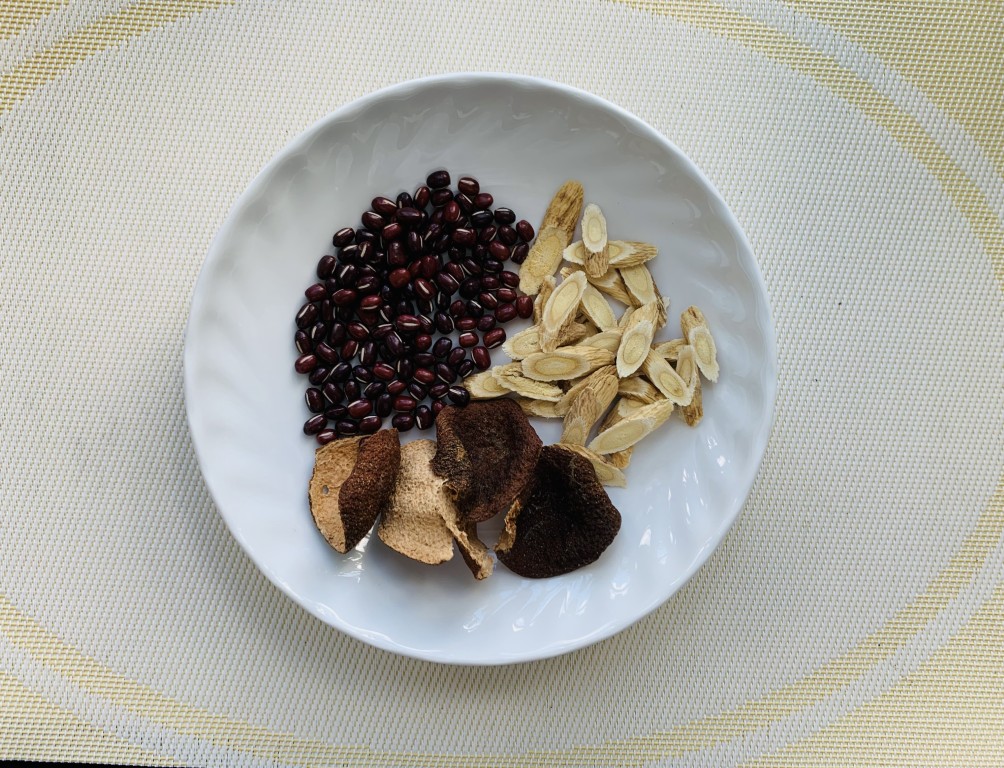
Why people make this water
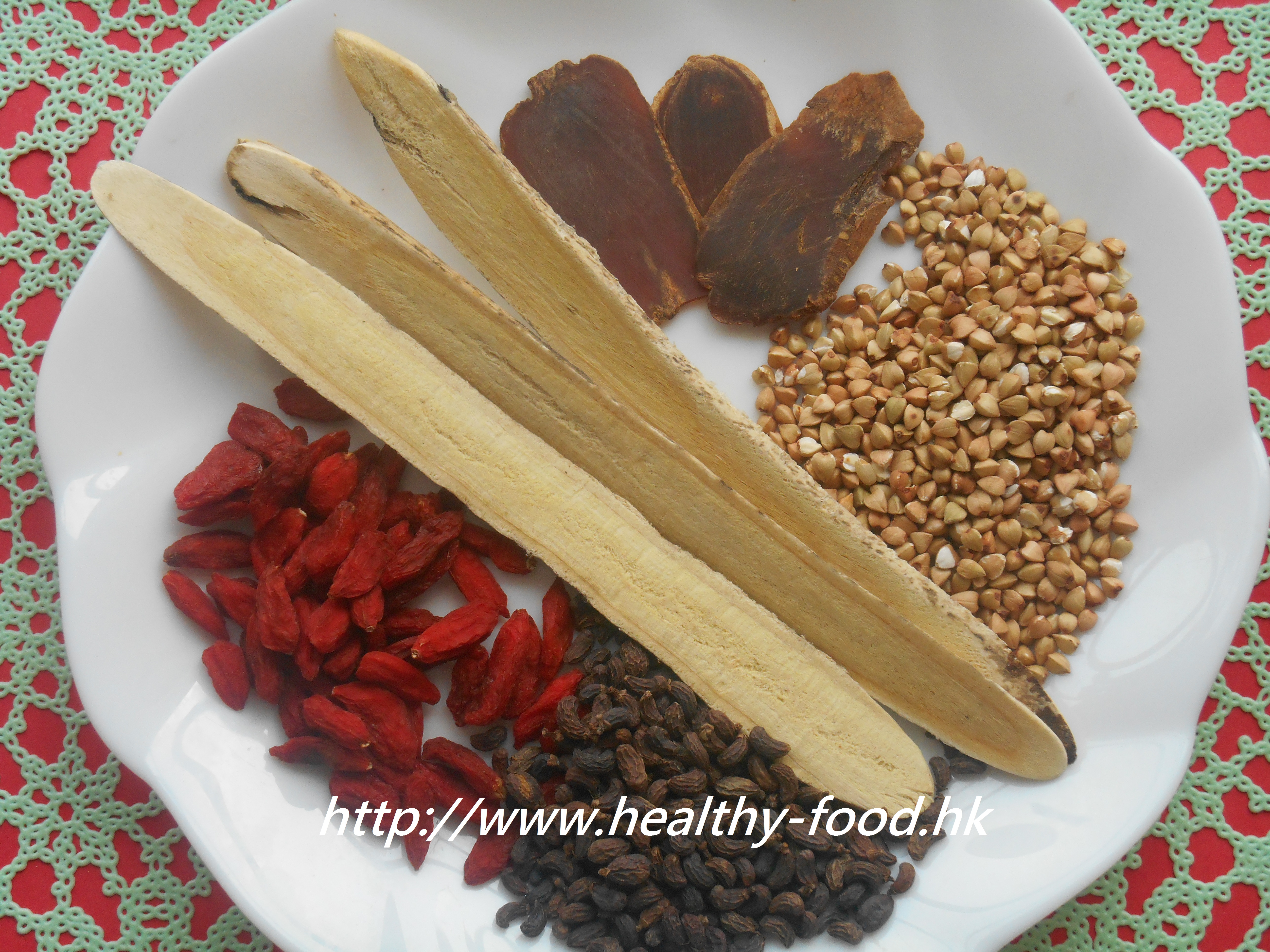
Bro Niu likes a clear word about ingredients: bei qi (northern astragalus) is the Astragalus root grown in the northeast, while the so-called “southern qi” is actually five-fingered fig root, a common soup ingredient. Both are traditionally used to strengthen the spleen and boost qi, but astragalus is regarded as the stronger of the two — traditionally associated with tonifying qi, supporting the body’s defences, easing weak sweating and promoting renewal. Whether in long slices or the fine “chrysanthemum-heart” slices, it works well in both soups and teas. Paired here with red bean and tangerine peel, it makes a gentle daily water to tonify qi and blood and support the body’s defences.
Who it suits / who should be cautious
- Those who feel depleted in qi and blood and want to support the body’s defences; traditionally regarded as beneficial for those who are weak in qi and blood during chemotherapy.
- Not suitable for those with a hot, dry constitution.
Why these ingredients (the food-therapy logic)
- Astragalus (bei qi): Traditionally used to tonify qi, support the body’s defences, ease weak sweating and promote renewal.
- Red bean (hong dou): Traditionally used to gently drain dampness and nourish the blood.
- Tangerine peel (chen pi): Traditionally used to regulate qi and harmonise the spleen and stomach.
Ingredients (3–4 bowls)
| Ingredient | Amount | Notes |
|---|---|---|
| Sliced astragalus (bei qi) | 5 qian (~19 g) | |
| Red bean (hong dou) | 1 liang (~38 g) | Soaked and rinsed |
| Dried tangerine peel (chen pi) | 2 pieces | Soaked and rinsed |
Method
- Soak and rinse the ingredients separately.
- Place everything into a pot with 7 bowls of water.
- Simmer for about 1 hour until reduced to 3–4 bowls. Serve.
Bro Niu’s tips
This water is lightly fragrant and gentle enough for young and old. It is traditionally regarded as beneficial for those who are weak in qi and blood during chemotherapy, but those with a hot, dry constitution should avoid it.
Community questions answered (selected)
-
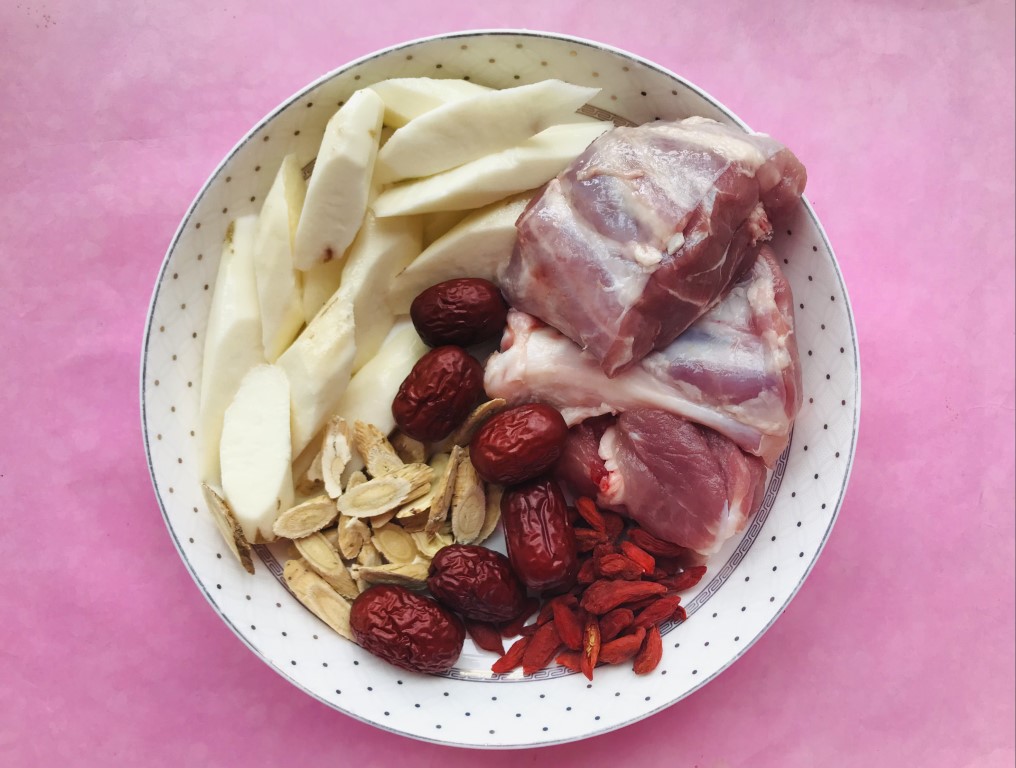
Q (Katie): Bro Niu, hello! I’m 59 and live in Vancouver, where it’s dry more often than humid. I have a cold-deficient constitution, I “can’t take tonics,” and my skin is quite dry. I don’t drink cold drinks and eat few sweets, yet after damp-dispelling soups my skin feels especially dry. My tongue has a yellow-white coating, teeth marks at the edges, a half-inch crack down the middle, and a thicker coating near the root on the right — for about 3 years. What soup or other help do you suggest? Bro Niu: You seem qi-deficient and cold, with a touch of both qi and yin depletion, which needs slow rebuilding. For example, use astragalus (bei qi), codonopsis (dang shen) and snow fungus (xue er) 3 qian each, 5 red dates and one tangerine peel in a lean pork soup simmered 1 hour — the whole family can drink it. If you have the appetite, you could double-steam a sea-cucumber and chicken soup; sea cucumber is a both-yin-and-yang tonic suiting either deficiency, but it can sit heavily, so don’t eat too much at once — pair it with Chinese yam, goji and red dates, double-steamed with chicken breast.
-
Q (Katie): Thank you, Bro Niu. May I also ask — can I drink American ginseng and this astragalus-red-bean water? Bro Niu: Yes, you can use American ginseng and the astragalus-red-bean water. But choose genuine American ginseng — avoid the very cheap kinds.
-
Q (mayluk): Good morning Bro Niu. The “three-bean tea” uses black bean, mung bean and red bean — is the “red bean” meant to be chi xiao dou (adzuki)? Please advise. Bro Niu: It should be chi xiao dou (adzuki) — its draining-water, reducing-swelling effect is good.
Published June 28, 2025 · Adapted and translated for Nourilo from a traditional home-kitchen recipe. Approx. 3 min read.