Herbal & Flower Teas
Yellow Fungus Pear Jujube Tea
traditionally nourishes yin, moistens the lungs, and supports skin and energy after childbirth
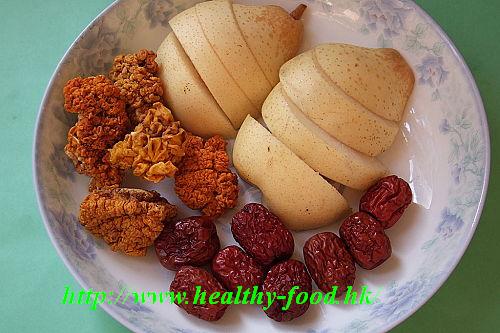
Why people make this tea
Yellow fungus — also called golden ear or gui hua er because its faint, honey-like aroma recalls osmanthus flowers — is one of the prized “six ears” of Chinese culinary tradition. Bro Niu notes that supply has improved in recent years, making it more accessible and affordable than it once was. Traditional food therapy describes it as nourishing yin, moistening dryness, supporting healthy lung and kidney function, and promoting radiant skin. Research cited in Chinese wellness literature suggests yellow fungus may support the body’s resistance to oxidative stress and help maintain healthy cholesterol metabolism. Paired with the famously lung-nourishing Asian pear and the blood-supporting red jujube, this tea is a time-honored choice for new mothers whose fluids and energy have been depleted — and equally valued by anyone dealing with a dry, tickly cough or dull, dry skin.
Who it suits / who should be cautious
- Suits: postpartum women recovering from childbirth (including nursing mothers); people with dry unproductive cough, dry skin, or yin deficiency with low-grade internal heat; general wellness maintenance
- Cautions: pear is cooling — avoid serving it ice-cold, especially postpartum; serve at room temperature or warm. Do not use the pear seeds (mild toxicity — always remove them). People with a very cold constitution may reduce the amount of pear slightly and add a slice of ginger.
Why these ingredients (the food-therapy logic)
- Yellow fungus (huang er, Tremella aurantialba): Described as sweet and neutral; associated with nourishing yin, moistening the lungs, supporting healthy skin and complexion, and promoting liver detoxification. Rich in polysaccharides similar to those in white snow fungus but with a richer texture.
- Asian pear (xue li): Famously cooling and moistening; traditionally associated with clearing lung heat, soothing a dry throat, and generating fluids. Must be deseeded (seeds have mild toxicity).
- Red jujube (hong zao): Warm, sweet, and tonic; classically used to nourish blood, support the spleen and stomach, and calm the spirit. Adds gentle sweetness and makes the overall formula more balanced.
- Rock sugar (bing tang): A mild sweetener that is gentler on the digestive system than refined sugar; also considered to support the lungs in traditional usage.
Ingredients (2 bowls)
| Ingredient | Amount | Notes |
|---|---|---|
| Dried yellow fungus (huang er) | 3–4 dried pieces | Soak for at least half a day (see tips) |
| Asian pear | 1 medium | Wash, slice, remove core and seeds |
| Red jujube (pitted) | 8 pieces | |
| Rock sugar | to taste | Add at the end |
| Water | 5 bowls (~900 ml) |
Method
- Soak the dried yellow fungus in cold water for at least half a day, or ideally overnight — its thick flesh needs long soaking to soften fully. Once soft, rinse clean and cut into smaller pieces.
- Wash the pear, slice it, and remove the core and seeds completely (seeds must be discarded).
- Pit the red jujubes.
- Place all prepared ingredients into a pot with 5 bowls of water. Bring to a boil, then reduce to a gentle simmer for about 1 hour until the liquid reduces to roughly 2 bowls.
- Stir in rock sugar to taste, let it dissolve, and serve — enjoy both the liquid and the softened ingredients.
Bro Niu’s tips
Because yellow fungus has a thick, dense texture, it really does need long soaking — overnight is best. If you are short on time, soak for at least 4–5 hours. The pear seeds must always be removed, as they contain a mildly toxic compound. This tea is also beneficial for anyone with dry, irritated lungs and a non-productive cough — not just new mothers. If you have a dry cough, you can omit the jujube (which is warming) and add 3 qian (about 9 g) of mai dong (Ophiopogon japonicus) instead for an even more moistening effect.
Community questions answered (selected)
-
Q (Yee): Can a woman drink this during her postpartum confinement month? Is pear too cooling for that period? Bro Niu: Yes, you can drink this tea during confinement. While very cold or icy foods should be avoided postpartum, pear in autumn is fine for moistening dryness — just serve it at room temperature or warm, not chilled.
-
Q (AUDREY): Can I add goji berries and longan to this tea? I have a mild dry cough and slight runny nose — is it still suitable for me? Bro Niu: You can add goji berries. However, if you have a dry cough, do not add longan (it is warming and could aggravate dryness); it is better to add 3 qian of mai dong (Ophiopogon) for a more moistening effect.
-
Q (grace): My acne tends to appear around the mouth and chin area. I have a cold constitution but also have deficient heat rising. Can this yellow fungus pear tea help? Bro Niu: Yellow fungus and pear with jujube can help with deficient rising heat. Since your spleen and stomach currently have heat, you should first address that with cooling foods before working on the underlying cold constitution. This tea is a good start.
Published March 6, 2010 · Adapted and translated for Nourilo from a traditional home-kitchen recipe. Approx. 4 min read.