Soups
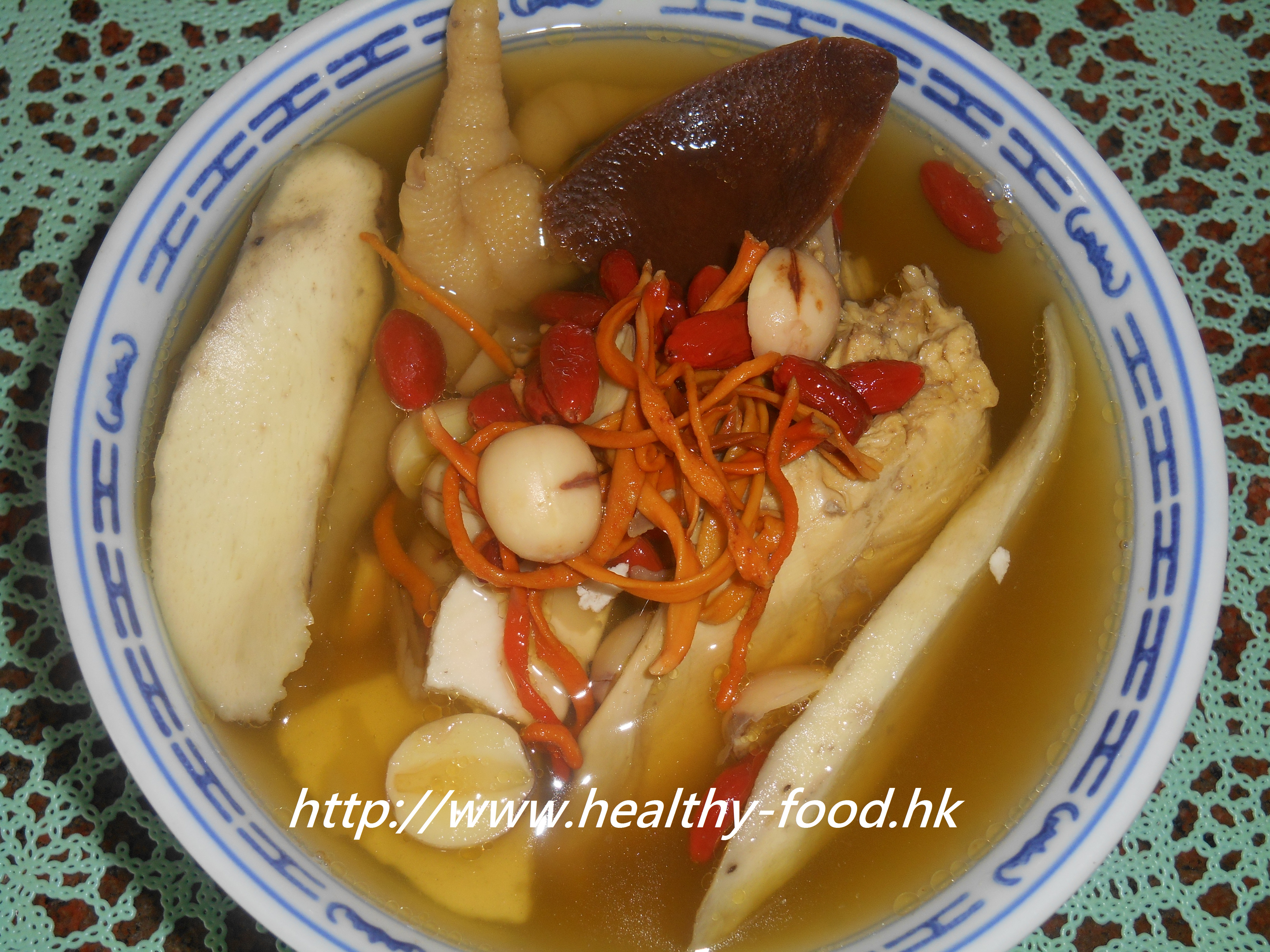
Chinese Yam, Wolfberry, Longan and Velvet Antler Stew
traditionally associated with warming kidney yang and supporting circulation in those with cold limbs and constitutional weakness
Why people make this dish
As people age, the body’s warming energy tends to decline — the heart may not pump with the same vigour, and circulation to the extremities can falter. Cold hands and feet that never quite warm up, persistent aching in the lower back, and a general lack of physical vitality are all common complaints. Traditional Chinese food therapy addresses this pattern — called yang deficiency — with warming, tonifying ingredients. Velvet antler (lu rong) is one of the most prized of these, but it is genuinely potent: unlike a simple warming soup, it can cause “internal heat” (shang huo) in some people. Bro Niu suggests pairing it with gentler, balancing herbs like Chinese yam, wolfberries, longan, and honey dates rather than with stimulating herbs like ginseng, precisely to make it accessible and well-tolerated. The result is a nourishing broth that supports vitality without being too forceful.
Who it suits / who should be cautious
- Elderly people with cold constitution, persistent cold limbs, weak lower back, or frequent pale urination
- People with cold constitution who are physically depleted
- Women postpartum (from the second week, once lochia has cleared) — see note below
- NOT suitable for: people with signs of yin deficiency and internal heat; anyone with an active infection, fever, or inflammatory condition; pregnant women (velvet antler is warming and not appropriate during pregnancy)
- On the day of taking this broth, avoid eating white radish (daikon) and strong tea, as these are traditionally held to counteract tonic herbs
- Avoid eating white radish for at least 6 hours before drinking
Why these ingredients (the food-therapy logic)
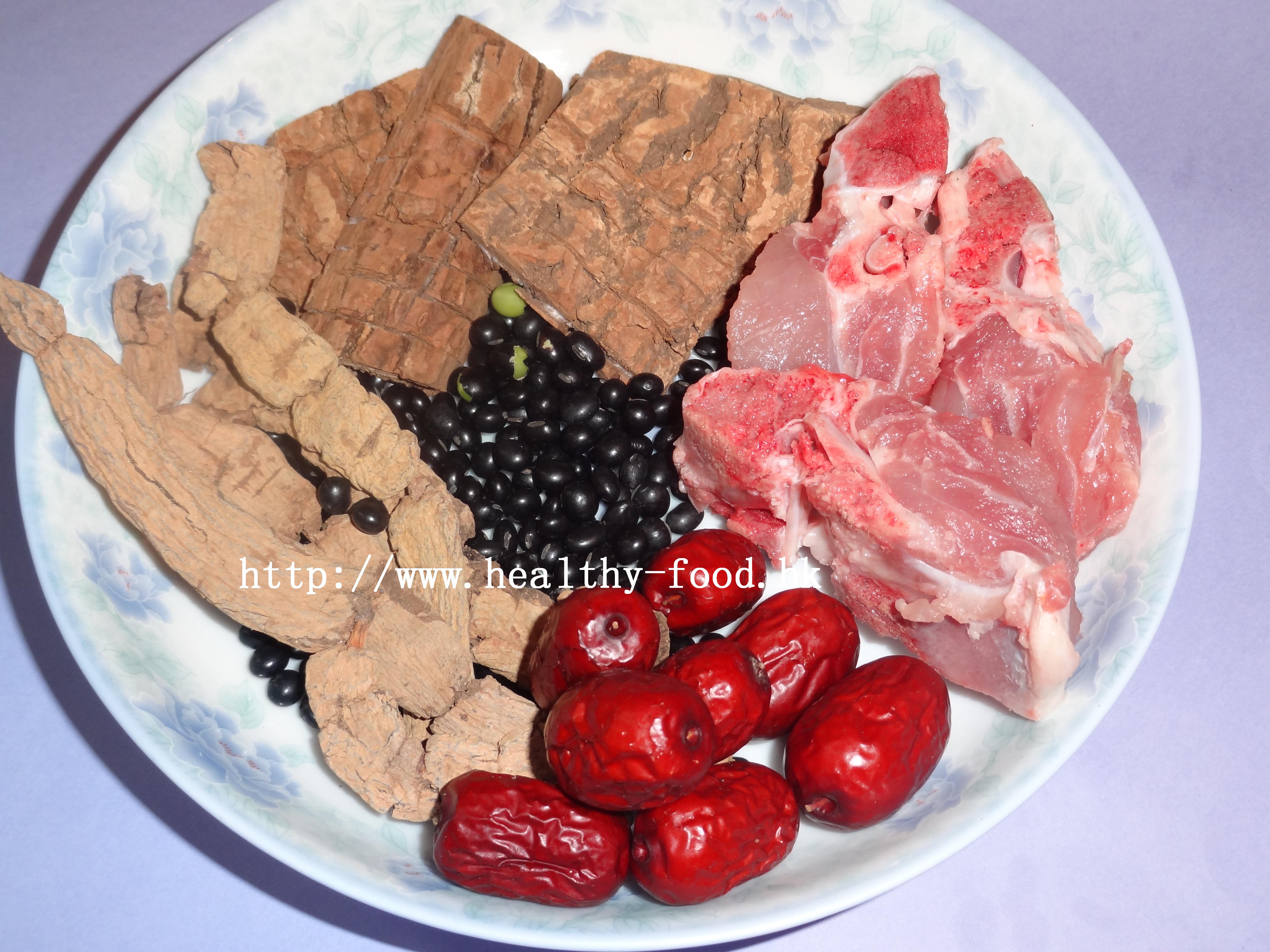
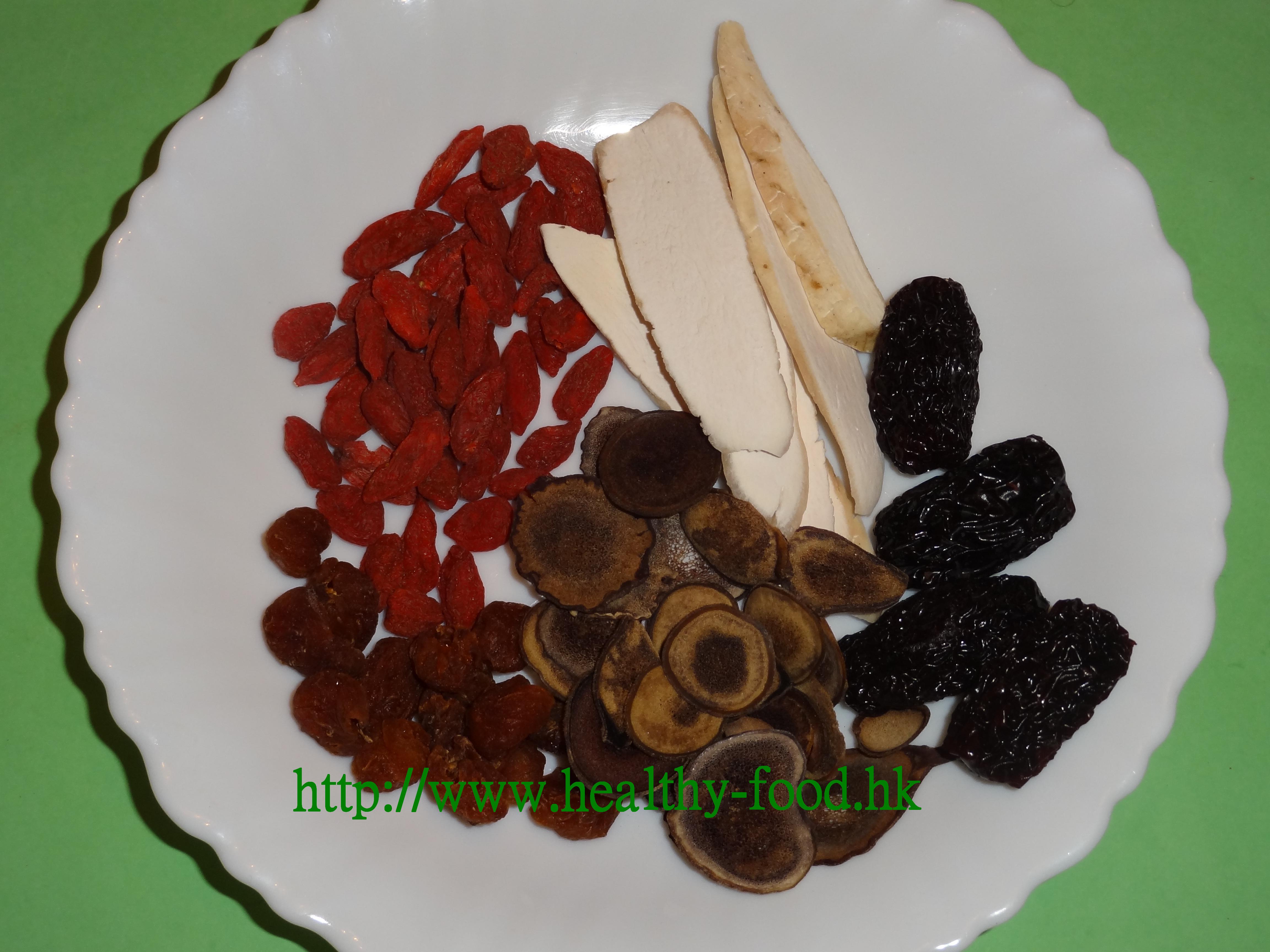
- Velvet antler (lu rong): The most warming and tonifying of the main ingredients — traditionally associated with supporting kidney yang, strengthening tendons and bones, and improving physical vitality; the white, thin, translucent slices are considered the finest quality
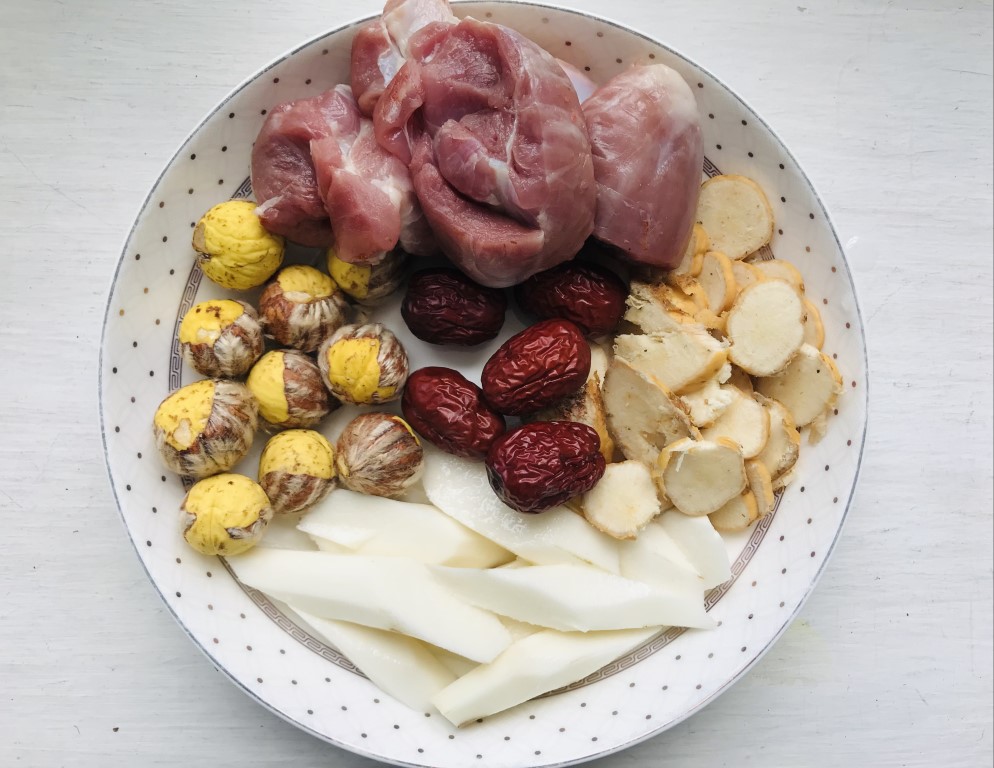
- Chinese yam (huai shan): Gentle and balancing; traditionally associated with nourishing the spleen, lungs, and kidneys; helps moderate the heat of stronger tonic herbs
- Wolfberries (gou qi zi): Mild and sweet; traditionally associated with nourishing the liver and kidneys, supporting eyesight, and replenishing essence (jing)
- Longan pulp (gui yuan rou): Warm and sweet; traditionally associated with nourishing the heart, calming the mind, and supporting blood and energy
- Honey dates (nan zao): Mild sweetness; support the spleen and stomach; help buffer the warmth of other ingredients
Ingredients (1 serving)
| Ingredient | Amount | Notes |
|---|---|---|
| Chinese yam (huai shan) | ~38 g (1 liang) | Dried or fresh |
| Wolfberries (gou qi zi) | ~15 g (4 qian) | |
| Dried longan pulp (gui yuan rou) | ~15 g (4 qian) | |
| Honey dates (nan zao) | 4–6 pieces | |
| Velvet antler slices (lu rong) | 3.5–7 g (1–2 qian) | Use the fine white slices; or ~1 g of powder stirred in just before drinking |
| Lean pork or chicken (optional) | ~100 g | Adds substance; recommended for regular use |
| Water | ~600 ml (2.5 bowls) | For the double-boiler |
Method
- Rinse all ingredients. If using velvet antler slices that are hard or thick, consider having them ground into powder at the herb shop.
- Place everything in a double-boiler (zhun) or a heatproof bowl set over simmering water.
- Add about 2.5 bowls (600 ml) of water to the inner vessel.
- Double-boil for approximately 3 hours over a gentle simmer.
- Serve the broth and eat all the ingredients alongside it.
- If using velvet antler powder rather than slices: stir the powder directly into the hot finished broth just before drinking, to avoid wasting any in the cooking vessel.
Bro Niu’s tips
Velvet antler is expensive, so it is worth handling it thoughtfully. The fine white translucent slices are the best quality and can be used directly in the double-boiler; thicker, harder pieces (like those in the photo) are better ground to powder for easier absorption. On the day you take this broth, avoid white radish and strong tea. You can eat vegetables, fruit, and starchy foods like potato, yam, and chestnuts in moderate amounts without issue. For everyday use as a family soup, adding a small piece of chicken or lean pork makes it more substantial and enjoyable.
Community questions answered (selected)
-
Q (Nico): I had surgery a month ago. After taking this broth, my throat became sore and I developed mouth ulcers. Should I stop? Bro Niu: Yes, a sore throat after taking velvet antler is a sign of internal heat — this is a real caution. Please stop taking it. To soothe the heat, you can make a soup with glehnia root (sha shen), Solomon’s seal (yu zhu), ophiopogon (mai dong), snow ear fungus, and figs with pork shin.
-
Q (Katie): My 23-year-old son has a cold stomach, night sweats, easy diarrhoea, and always cold hands. Can he take ginseng and velvet antler together? Bro Niu: As the weather turns cooler, this combination is fine. Use ginseng slices (~7 g / 2 qian) and velvet antler (~7 g / 2 qian), with red dates, longan, and Chinese yam — double-boil together. The combination strengthens the effect. Once a week is a good rhythm.
Published February 19, 2013 · Adapted and translated for Nourilo from a traditional home-kitchen recipe. Approx. 4 min read.