Herbal & Flower Teas
Wild Kumquat & Licorice Infusion Tea
traditionally used to support clearing phlegm and easing cough
Why people make this tea
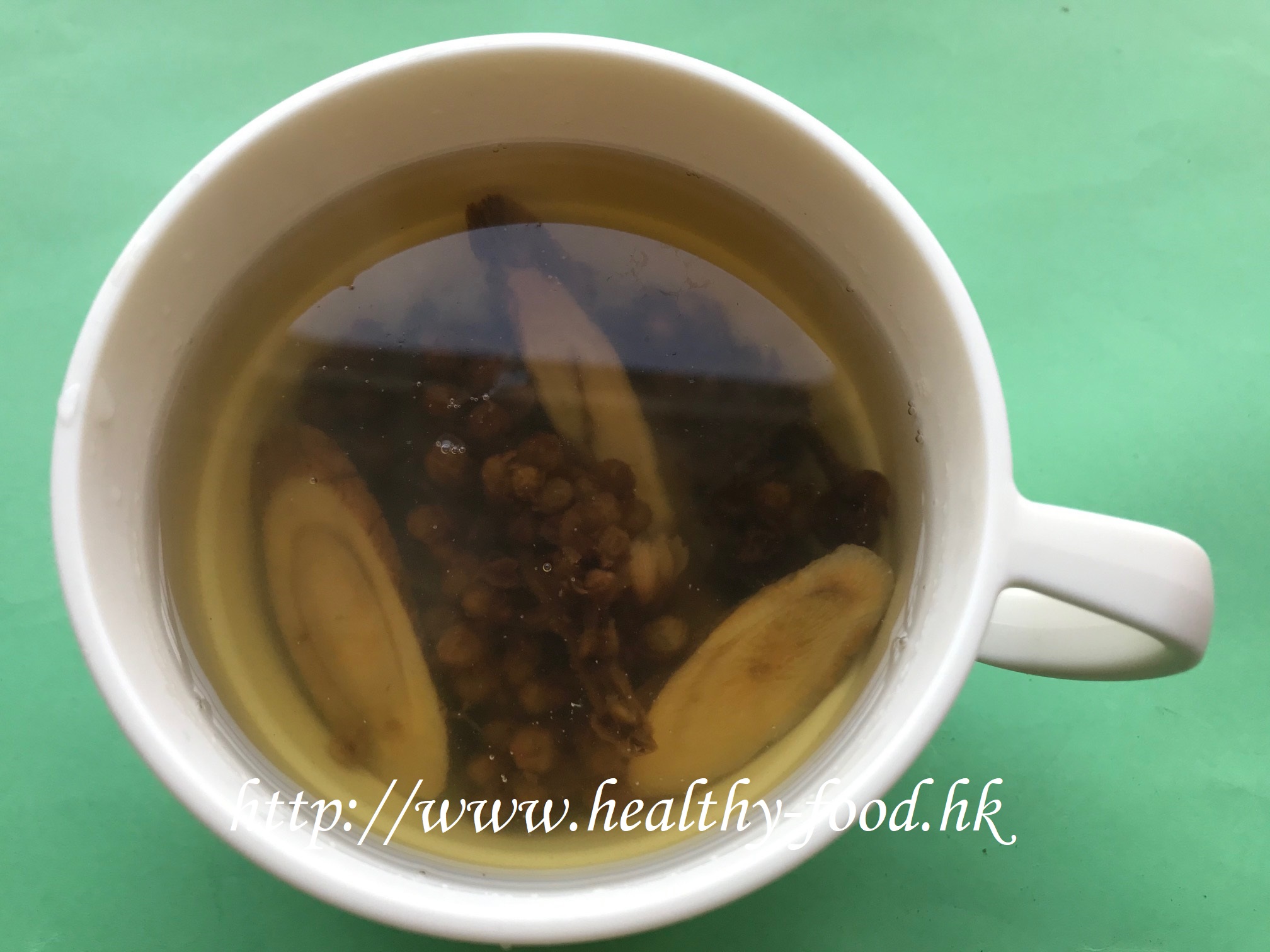
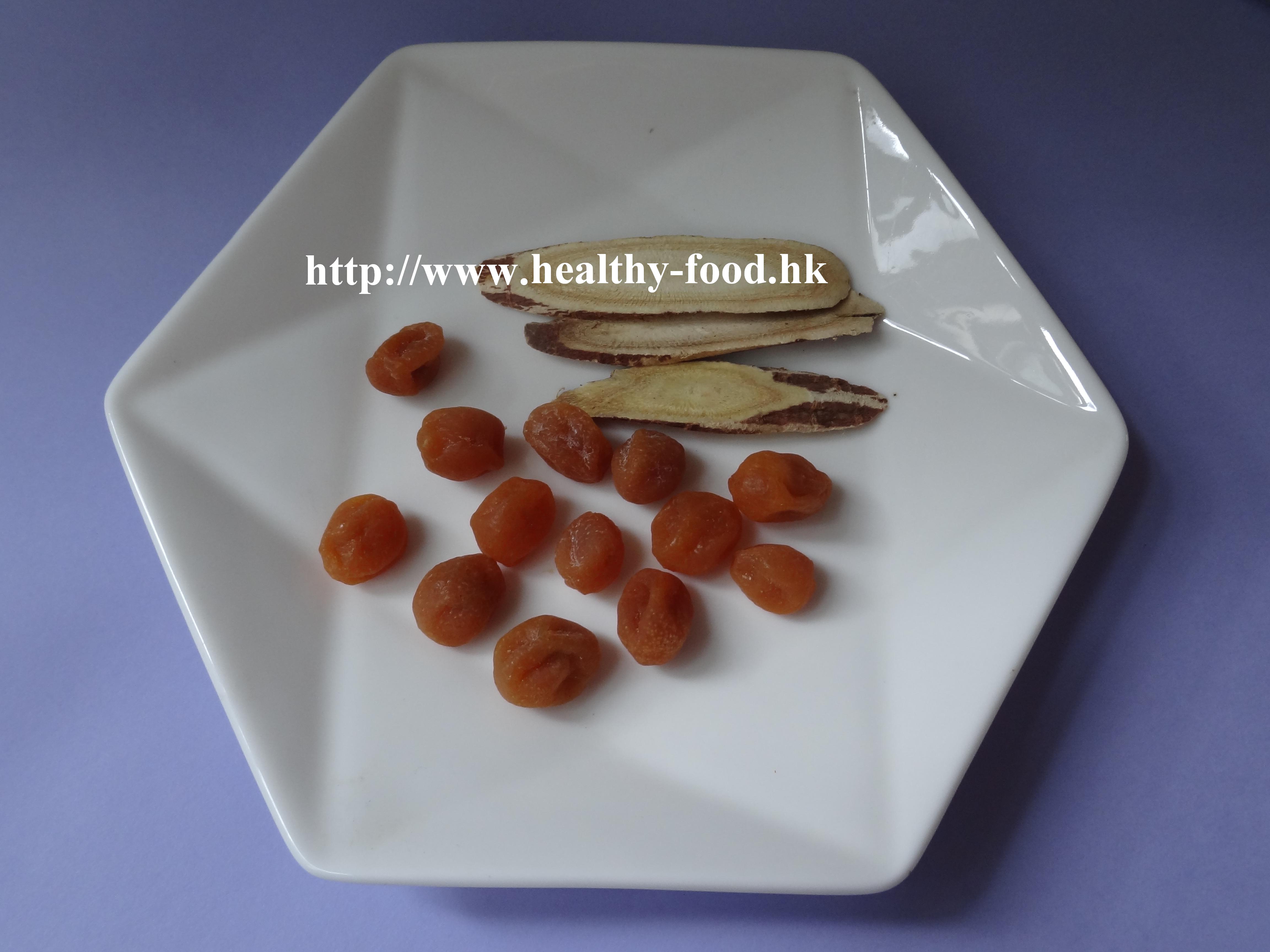
A friend brought Bro Niu a bag of wild-picked kumquats — the small, intensely fragrant kind, quite different from the large cultivated ones sold in shops. Wild kumquats are naturally sun-dried without any additives, and their flavour is remarkable. Combined with a few slices of licorice root, they make one of the easiest throat-soothing teas you will ever brew: snip the dried fruit open, pour on boiling water, wait five minutes, and drink. The tea smells wonderful and is genuinely helpful for the kind of stubborn, phlegmy cough that seems to hang around for days.
Who it suits / who should be cautious
- Best suited for people with a productive, phlegmy cough — especially where the phlegm is white or clear (cold-type cough).
- Also useful for sluggish digestion after rich meals, as wild kumquat is traditionally associated with moving qi and aiding the stomach.
- Those with a yellow-green phlegm cough (indicating a heat-type or bacterial infection) should see a doctor; this tea alone is not sufficient in those cases.
- Pregnant women who are also coughing with a sore throat should consult a doctor before using herbal teas.
Why these ingredients (the food-therapy logic)
- Wild kumquat (ye sheng jin ju, Fortunella japonica): Rich in vitamin C, vitamin A, and dietary fibre. In traditional Chinese food therapy, kumquats are associated with generating fluids, transforming phlegm, stimulating appetite, and moving qi. The wild variety is considered more potent because it is grown without chemical inputs and dried naturally.
- Licorice root (gan cao, Glycyrrhiza uralensis): A classic harmonising herb in Chinese tradition. Used in tiny amounts in teas, it is associated with soothing the throat, moderating strong flavours, and supporting the effects of other ingredients.
Ingredients (1 teapot / 1–2 cups)
| Ingredient | Amount | Notes |
|---|---|---|
| Dried wild kumquat | 8–10 pieces | Snip each fruit open before brewing |
| Licorice root slices | 3 slices | Available at Chinese herbal shops |
Method
- Use scissors to snip each dried kumquat open so the interior is exposed.
- Place the cut kumquats and licorice slices together in a teapot or heatproof cup.
- Pour in freshly boiled water.
- Cover and steep for about 5 minutes.
- Sip warm. The pot can usually be refilled once or twice before the flavour fades.
Bro Niu’s tips
Wild kumquats differ from cultivated ones in size (smaller) and flavour (more intense and aromatic). Look for them in shops selling Taiwanese food products or specialty dried-fruit stores. This tea doubles as a refreshing drink that quenches thirst and aids digestion — not just a cold remedy. Children who have a phlegmy cough and find the taste too strong can try half the amount, or substitute with half a luo han guo (monk fruit) brewed in water.
Community questions answered (selected)
-
Q (Angela): I had a cough some weeks ago and now the phlegm won’t clear. It is sometimes yellowish-green, sometimes whitish. Is this tea suitable? Bro Niu: Yellowish-green phlegm signals that the infection has not fully resolved. I would suggest a stronger approach: fish mint herb (yu xing cao) one liang, raw job’s tears (sheng yi mi) one liang, poria mushroom (fu ling) four qian, and white atractylodes (bai zhu) three qian — simmer the poria, yi mi, and bai zhu in five bowls of water for 45 minutes, then add the fish mint and cook for another 10 minutes to make two bowls. Take twice a day for two doses. If things do not improve, please see a doctor.
-
Q (Ting): My two-year-old has a cough, phlegm, and a runny nose, and the phlegm is hard to bring up. Can she drink this tea? Bro Niu: Yes, this tea is suitable for a two-year-old. Make sure she drinks plenty of water. You can also brew half a monk fruit (luo han guo) in water as an alternative — both are gentle and helpful.
-
Q (Angel): I am 34 days postpartum and have a stuffy nose and phlegm I cannot bring up. Can I drink this tea? Bro Niu: After more than 30 days postpartum, this tea is fine to drink. You can also simmer magnolia flower buds (xin yi hua) three qian, poria (fu ling) four qian, pinellia (fa xia) three qian, white atractylodes (bai zhu) three qian, fresh ginger three slices, and red dates six pieces in five bowls of water down to two bowls — this helps clear phlegm and open the nasal passages. Drink in the morning and at noon.
Published January 11, 2012 · Adapted and translated for Nourilo from a traditional home-kitchen recipe. Approx. 4 min read.