Herbal & Flower Teas
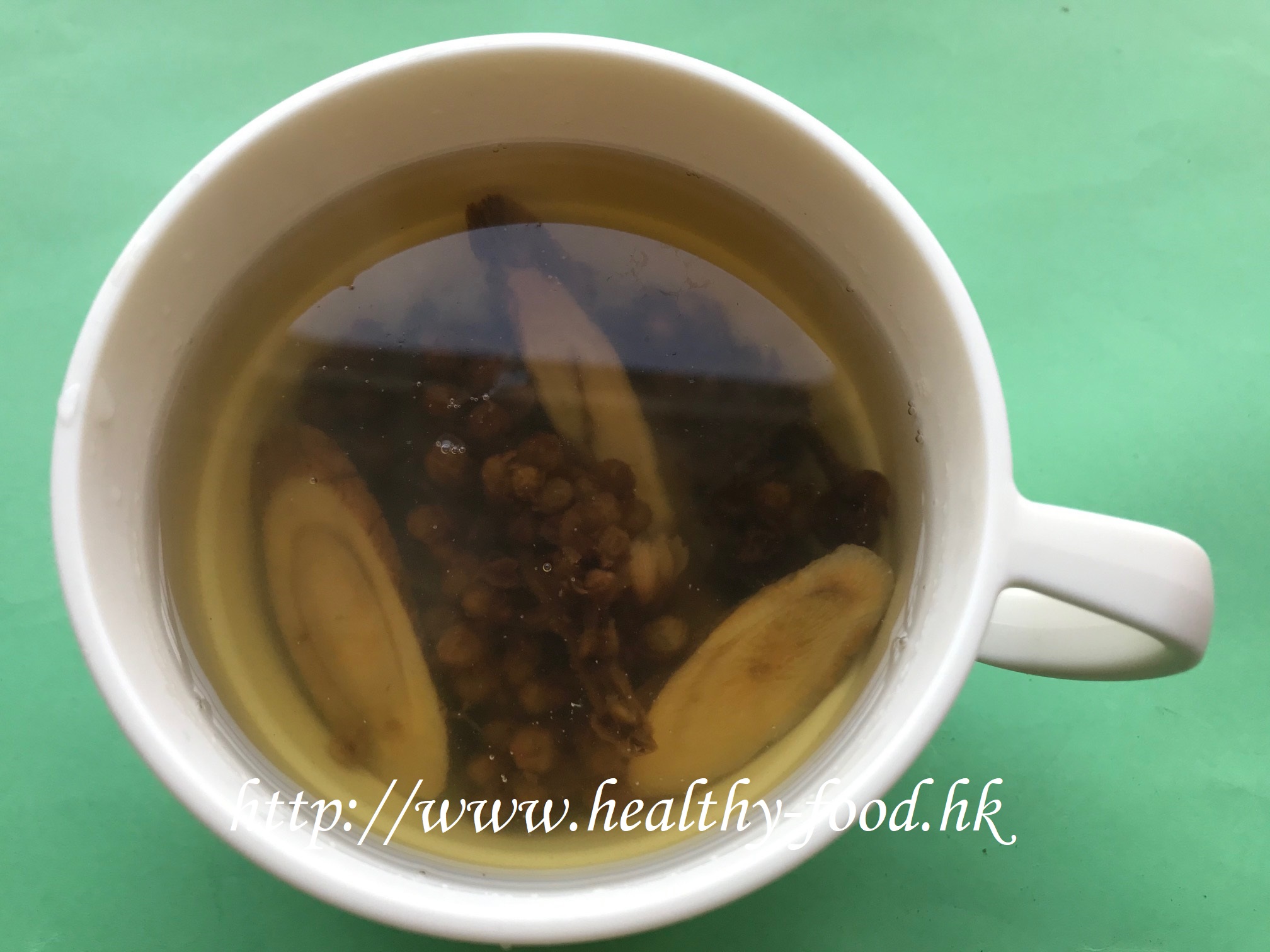
Loquat Flower and Licorice Tea
traditionally used to clear lung heat, soothe the throat, and ease cough from colds
Why people make this tea
Loquat trees bloom in winter, and Bro Niu recalls seeing them in country gardens as a child. Today the dried flower buds are available in many Chinese herb shops, where they have become a quiet favourite for seasonal cough and throat irritation. Unlike loquat leaf, which is the more commonly known ingredient, the flower bud has a gentle, neutral-to-slightly-warm nature and is used specifically to clear heat from the lungs and ease dryness. Paired with just a few slices of licorice — one of the most widely used herbs in the Chinese tradition, known for its harmonising and soothing properties — this tea is quick to prepare and pleasant to drink.
Who it suits / who should be cautious
- Suitable for the early stages of a common cold where the main complaint is a scratchy, irritated throat or a dry, mild cough
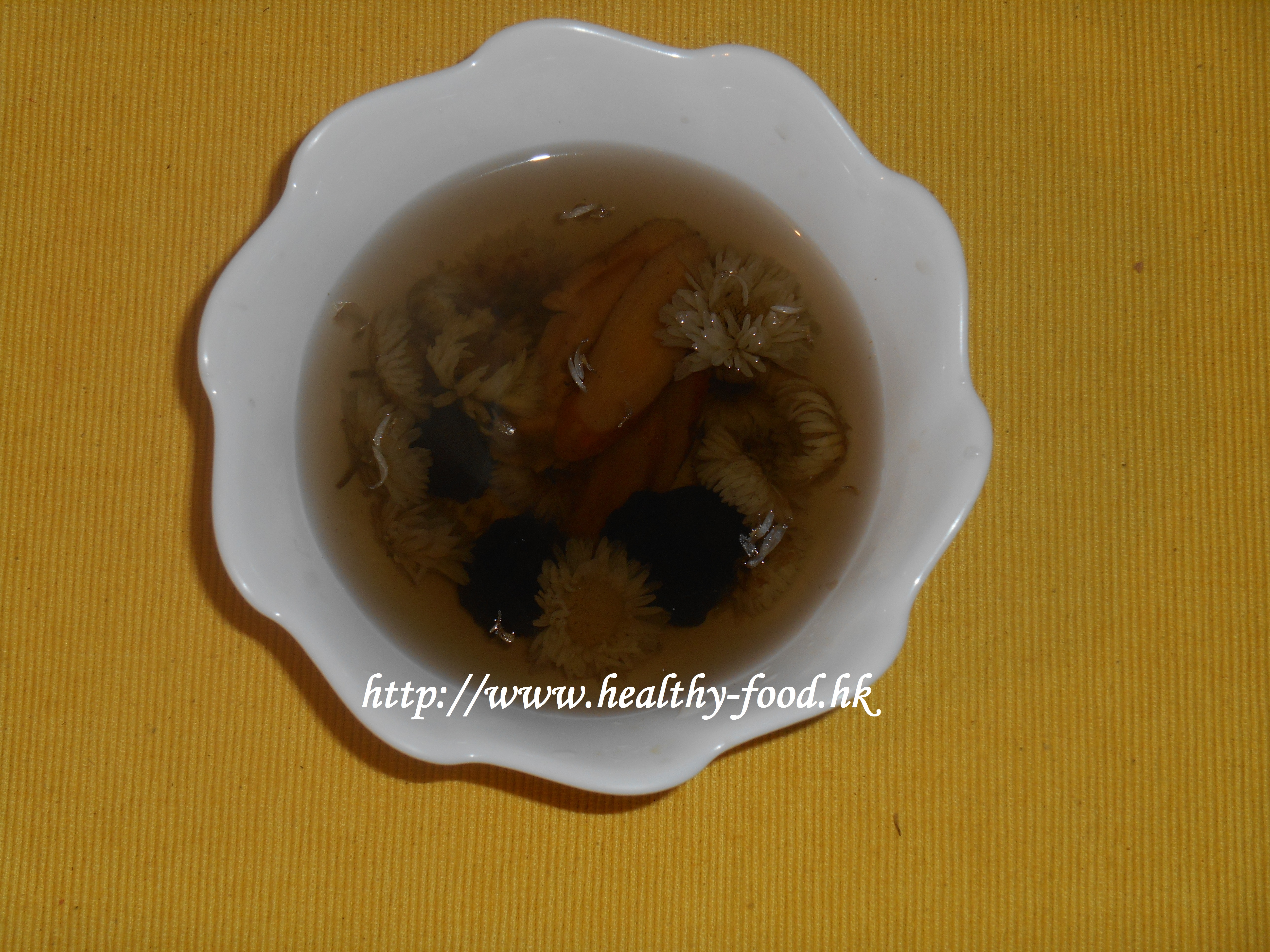
- Variants: if the cold also causes dry, irritated eyes and a headache, add dried chrysanthemum (hang ju hua); if there is a runny nose, add 6 magnolia flower buds (xin yi hua)
- Generally suitable for adults and older children; for young children, halve the amounts and check that the child does not have a fever before using warming or drying herbs
Why these ingredients (the food-therapy logic)
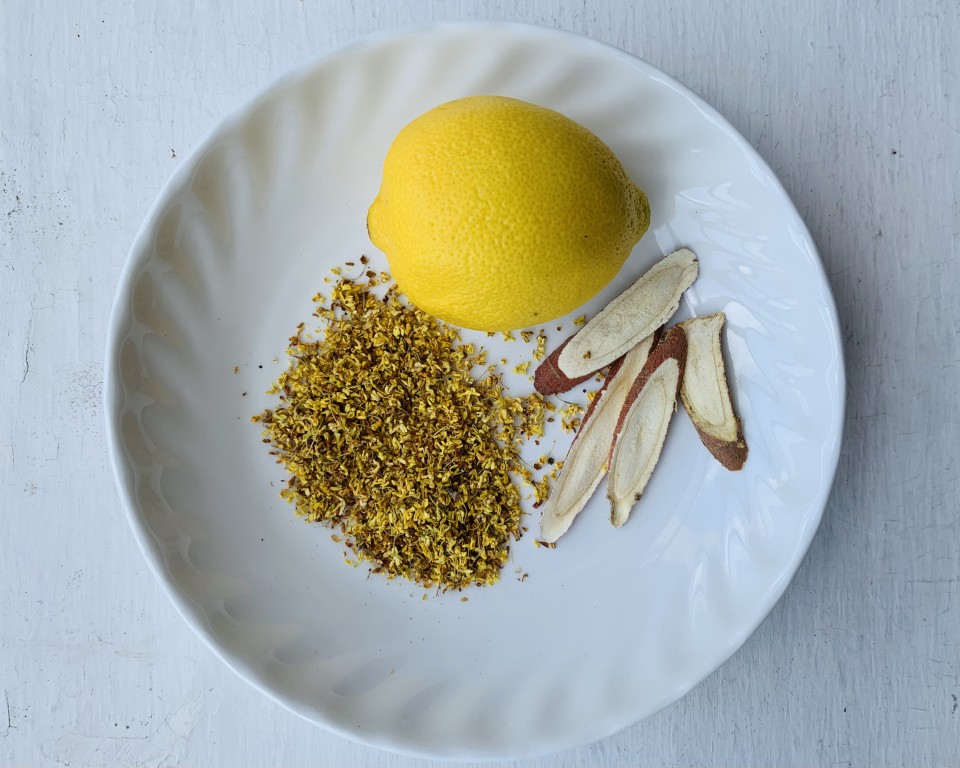
- Loquat flower buds (pi pa hua): Mild, slightly warm in nature; traditionally used to clear heat from the lungs, moisten dryness, and ease coughing
- Licorice root (gan cao): One of the most commonly used herbs in Chinese medicine; traditionally considered to harmonise other herbs, soothe inflammation in the throat and airways, and relieve mild discomfort
Ingredients (1–2 cups)
| Ingredient | Amount | Notes |
|---|---|---|
| Loquat flower buds, dried | ~11 g (3 qian) | Rinse briefly |
| Licorice root slices | 4–5 slices | Rinse briefly |
Method
- Place the loquat flower buds and licorice slices in a teapot or infuser.
- Give them a quick rinse with boiling water and discard that first rinse.
- Pour fresh boiling water over the ingredients and steep (焗) for 15 minutes with the lid on.
- Pour and drink. The ingredients can be refilled with boiling water and re-steeped 1–2 more times.
Bro Niu’s tips
This tea is most useful at the first sign of throat irritation from a cold. If symptoms shift — for example, if the nose runs — add 6 magnolia flower buds (xin yi hua) to the same pot and steep together; this combination is particularly helpful for nasal congestion. If the eyes feel dry and hot as well, a few dried chrysanthemum flowers make a good addition.
Community questions answered (selected)
-
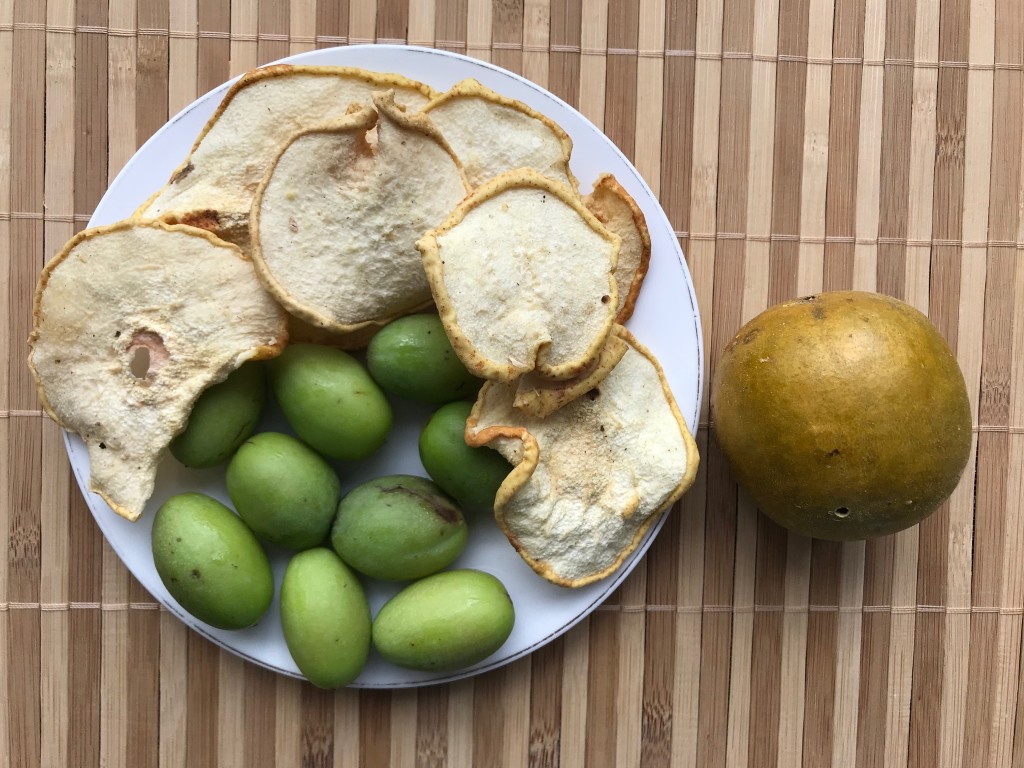
Q (Anny): I have nasal allergies; now I have a severe cold, my nose is very blocked, the mucus has turned slightly yellow, and I have a dry, hoarse cough. What can I drink? Bro Niu: Try simmering half a golden monk fruit (jin luo han guo), 3–4 boat-fruited sterculia seeds (pang da hai), 3 qian magnolia flower buds, and 2 qian licorice root in 4 bowls of water for about 30 minutes until you have 2 bowls. Drink throughout the day; repeat for 3 days.
-
Q (Claris): I have just recovered from a fever but still have a runny nose and some yellow-green phlegm, and I feel quite tired. What should I drink? Bro Niu: Try simmering 5 qian loquat leaf (pi pa ye), 1 liang fresh dragon tongue leaf (long li ye), half a golden monk fruit, 2 cored pears, and 1 liang mixed apricot kernels (nan bei xing) in 8 bowls of water. This makes enough for 2 days. If the runny nose is heavy, add 3 qian magnolia flower buds toward the end.
Published January 9, 2021 · Adapted and translated for Nourilo from a traditional home-kitchen recipe. Approx. 3 min read.