Herbal & Flower Teas
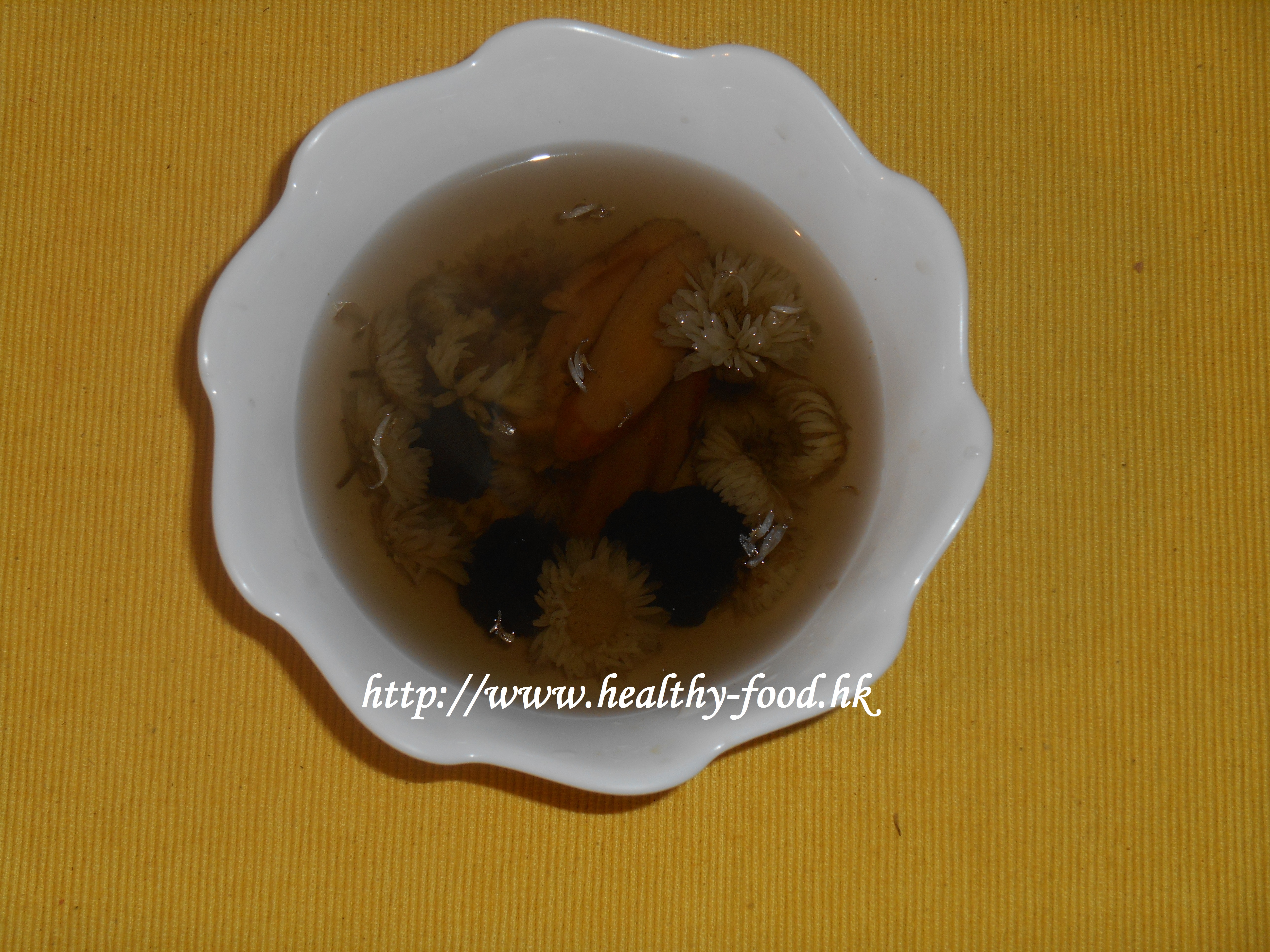
Ume Plum, Licorice and Chrysanthemum Tea
Traditionally soothes an irritable, allergy-triggered cough and dry, scratchy throat
Why people make this tea
Bro Niu has personal experience with this one. Years of teaching long classes meant overusing his voice, and an overworked, dry throat almost always leads to an irritable cough — the kind that does not come from infection but from the throat simply being dry, raw, or reactive. During allergy season, or after a period of stress and overwork, this kind of cough can linger for weeks. The three ingredients in this tea each address a different part of the problem: ume plum has an astringent, gathering quality that helps settle a persistent cough and moisten dry lung tissue; licorice is anti-inflammatory and soothing; and chrysanthemum disperses the kind of wind-heat that tends to trigger an irritable, itchy-throat cough in the first place. Together they make a pleasantly tart, easy-to-drink tea that can be sipped throughout the day.
Who it suits / who should be cautious
- Suitable for adults and older children dealing with an allergy-triggered cough, a cough that worsens in wind or dry air, or a dry and scratchy throat.
- Particularly useful for those who use their voice a lot — teachers, speakers, singers.
- Good for chronic dry cough — allow several days of consistent use before expecting results.
- Caution: Pregnant women should use with caution (ume plum has a contracting quality that warrants care during pregnancy).
- Not ideal as the first-line response to a cough with thick yellow phlegm, fever, or a chest infection — see a doctor in those cases.
Why these ingredients (the food-therapy logic)
- Ume plum (wu mei): A smoked and dried plum with a strongly sour, astringent flavour; in Chinese medicine it is said to “gather” the lungs — particularly useful for a long-standing dry cough or a cough from lung qi deficiency where the lung energy has lost its ability to hold itself together.
- Licorice root (gan cao): Anti-inflammatory, soothing to the throat and airways; also helps moderate the sourness of the ume and harmonise the formula.
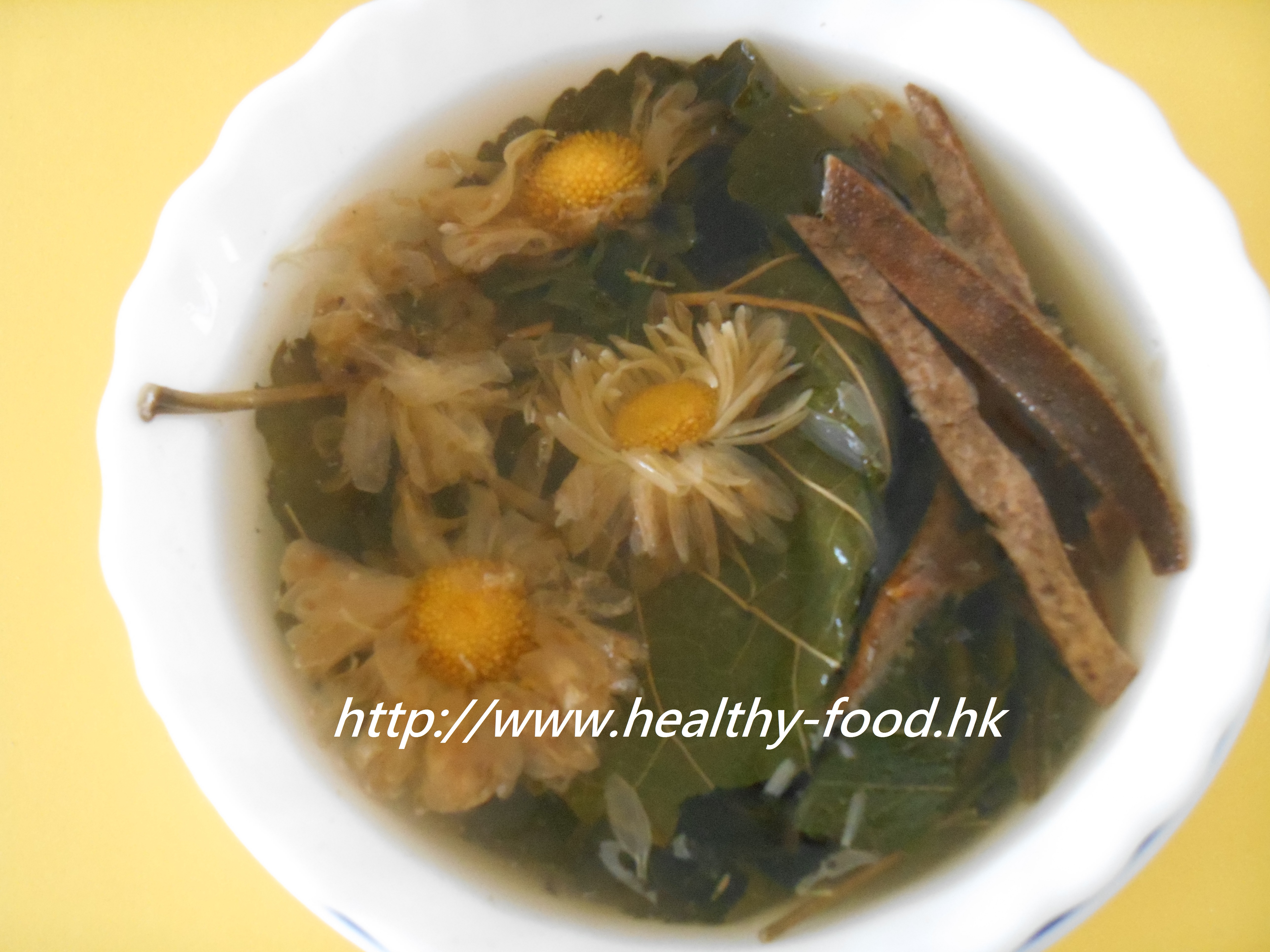
- Chrysanthemum (ju hua): Disperses wind-heat; associated with cooling the liver, clearing the eyes, and releasing the kind of mild external pathogenic influence that triggers sensitive, itchy-throat coughs. White chrysanthemum is typically milder; yellow chrysanthemum slightly stronger.
Ingredients (1 pot, refillable)
| Ingredient | Amount | Notes |
|---|---|---|
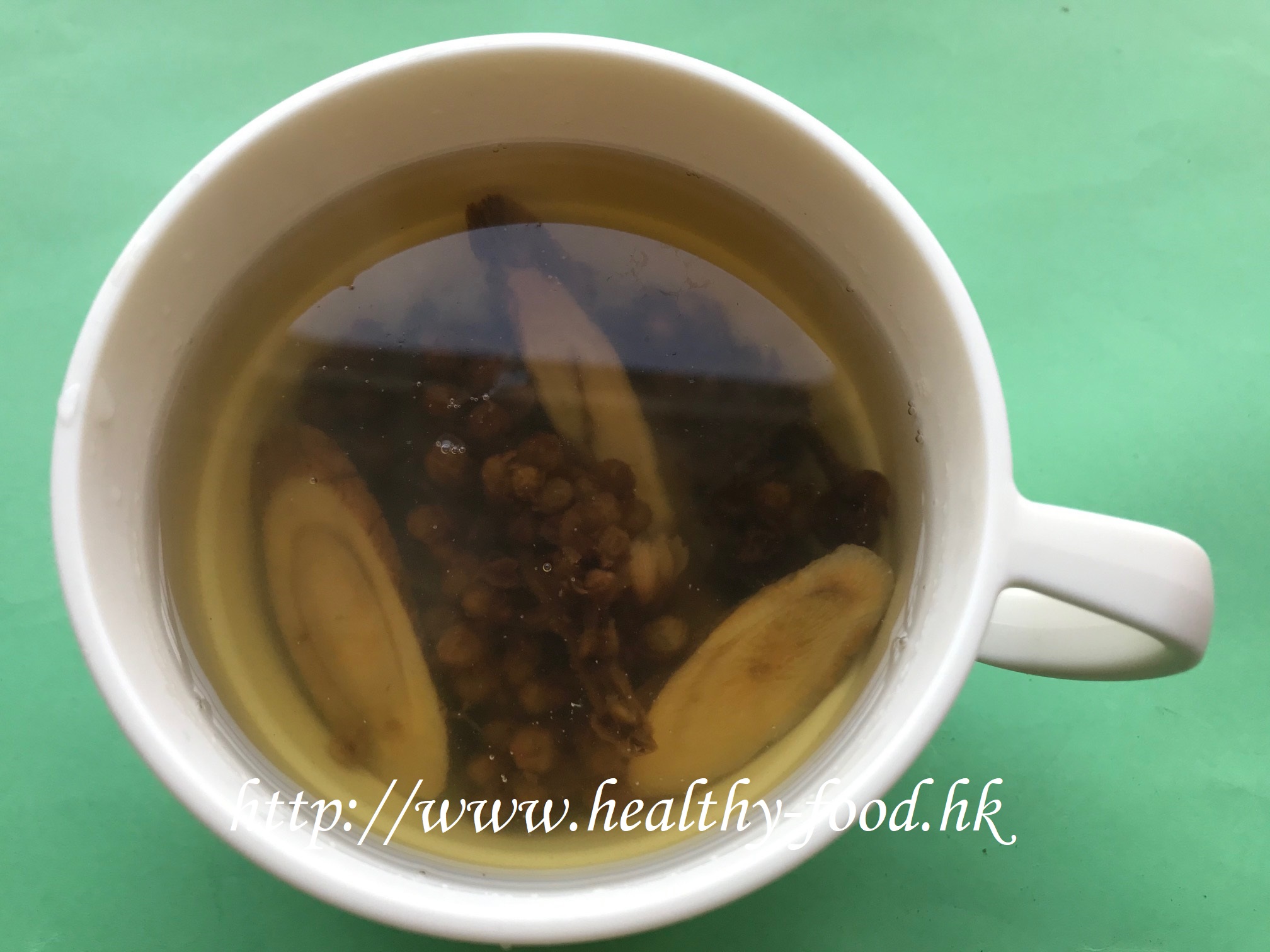
| Ume plum (wu mei) | 2 pieces | Available from Chinese herb shops |
| Licorice root slices (gan cao) | 4 slices | Dried; available from Chinese herb shops |
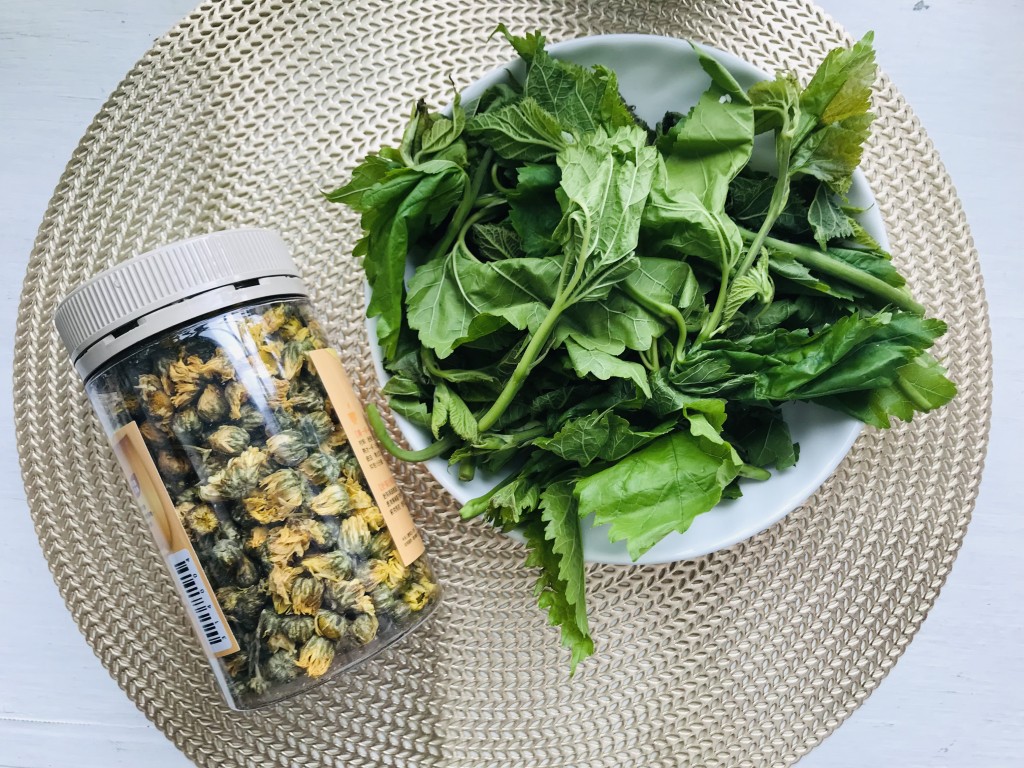
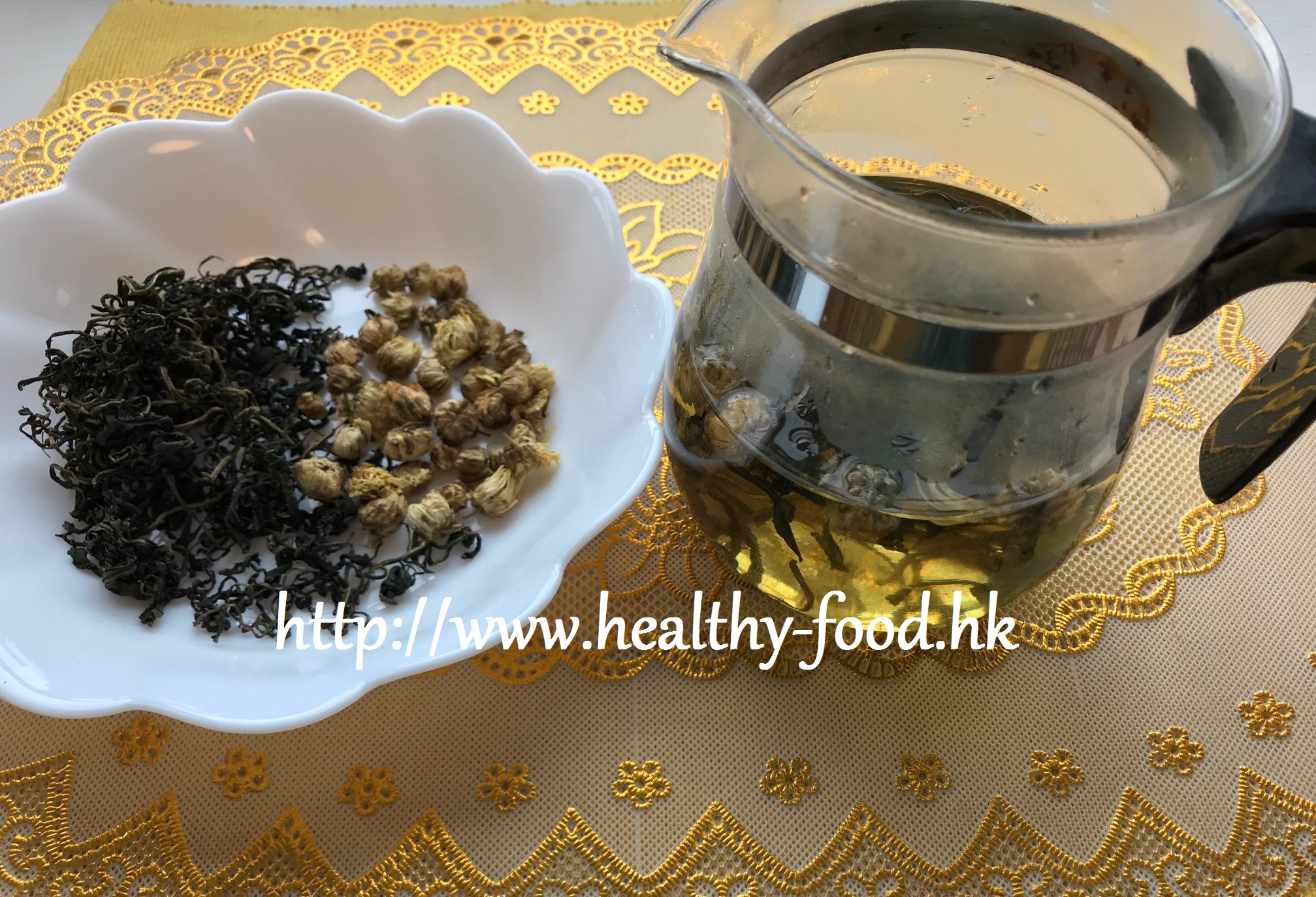
| Chrysanthemum flowers (ju hua) | 1 tablespoon | Dried; available from Chinese herb shops and tea shops |
Method
- Place all ingredients into a teapot or a tea filter bag.
- Pour a small amount of boiling water over the herbs and discard — this rinses the herbs clean.
- Pour fresh boiling water over the herbs and steep for 7 minutes.
- Drink warm. The same herbs can be steeped multiple times throughout the day until the flavour fades.
Bro Niu’s tips
This tea has a pleasant mild sourness from the ume plum — most people find it quite easy to drink. For a long-standing dry cough, patience is key: drink it consistently for several days before judging whether it is helping. For a persistent, chronic cough that has not responded after a week, Bro Niu sometimes adds 3 qian of tai zi shen (prince’s ginseng) and increases the ume to 3 pieces; for a cough that worsens at night, adding 3 qian of wu wei zi (schisandra) may help further. If a cough comes with thick yellow phlegm, the situation has shifted and this gentle tea may not be enough — see a doctor.
Community questions answered (selected)
-
Q (Anny): My 75-year-old relative has had a persistent cough for over 3 months. The doctor says it is likely nasal drip causing the cough. The throat is very itchy and the phlegm is thick and sticky. Can you suggest something? Bro Niu: Try adding magnolia buds (xin yi hua, 1 tablespoon) to this formula alongside the ume, chrysanthemum, and licorice. Steep all four together. This combination specifically addresses nasal-drip coughs and may help over about a week of consistent use.
-
Q (KkC): My 14-year-old daughter has been drinking this tea for 3 days — her daytime cough has improved, but she still coughs badly at night and has slight nasal discharge. Bro Niu: For nighttime phlegm cough with nasal discharge, switch to a formula of magnolia buds (8 buds), perilla leaf (3 qian), and licorice (4 to 5 slices) simmered in 3 bowls of water for 10 minutes. Try 2 servings of this and see if it helps.
-
Q (Bonnie): My daughter abroad has asthma-related coughing — the western medication is not improving things. Can she use this tea? Bro Niu: The ume, licorice, and chrysanthemum combination is good for allergic coughs. If she is younger, a very gentle alternative is sliced carrot (1 carrot) simmered with pitted red dates (10 pieces) in 4 bowls of water for 30 minutes — this is helpful for allergic coughs and easy for children to accept. Not suitable if phlegm is heavy.
Published April 8, 2020 · Adapted and translated for Nourilo from a traditional home-kitchen recipe. Approx. 4 min read.