Herbal & Flower Teas
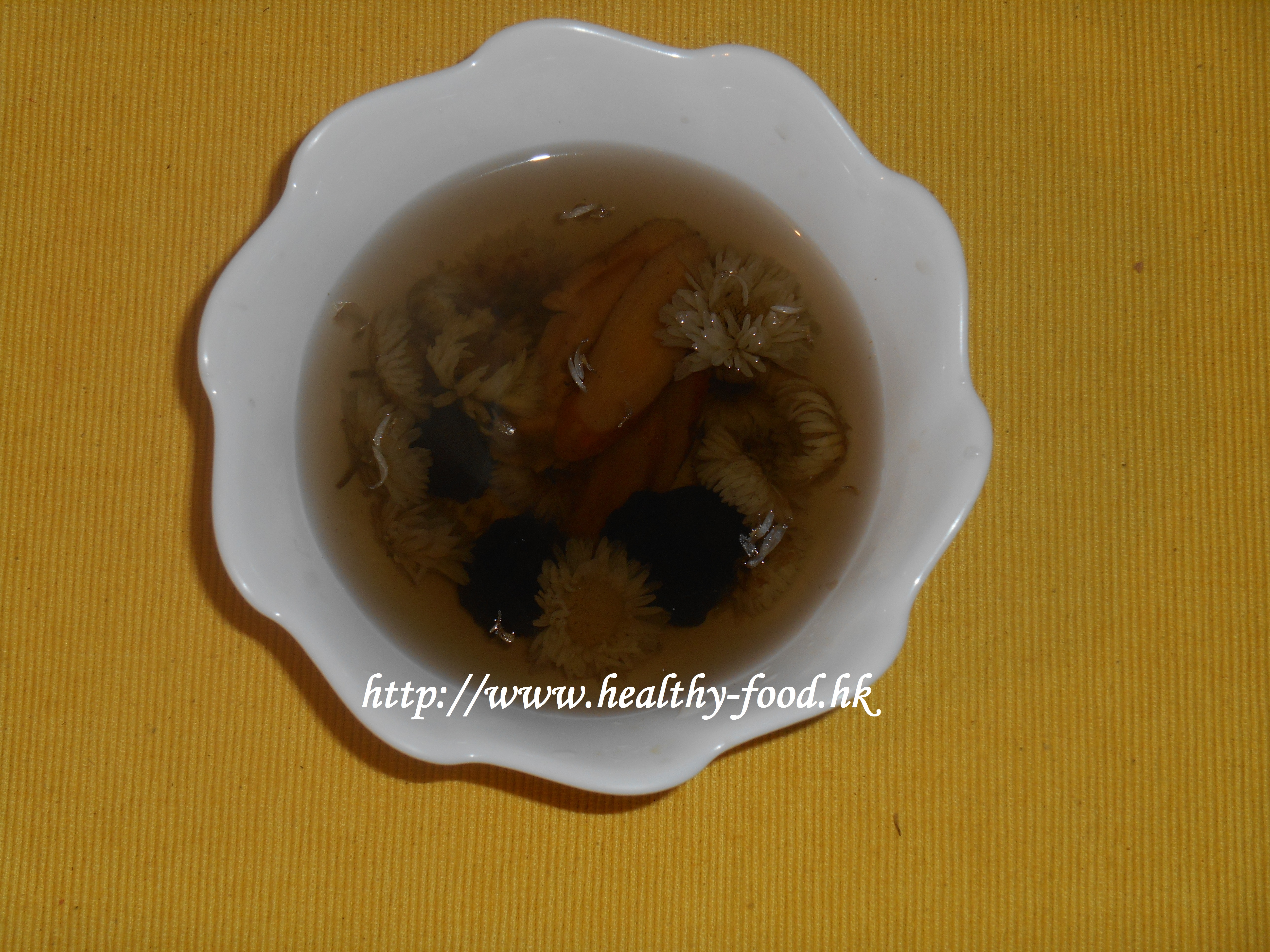
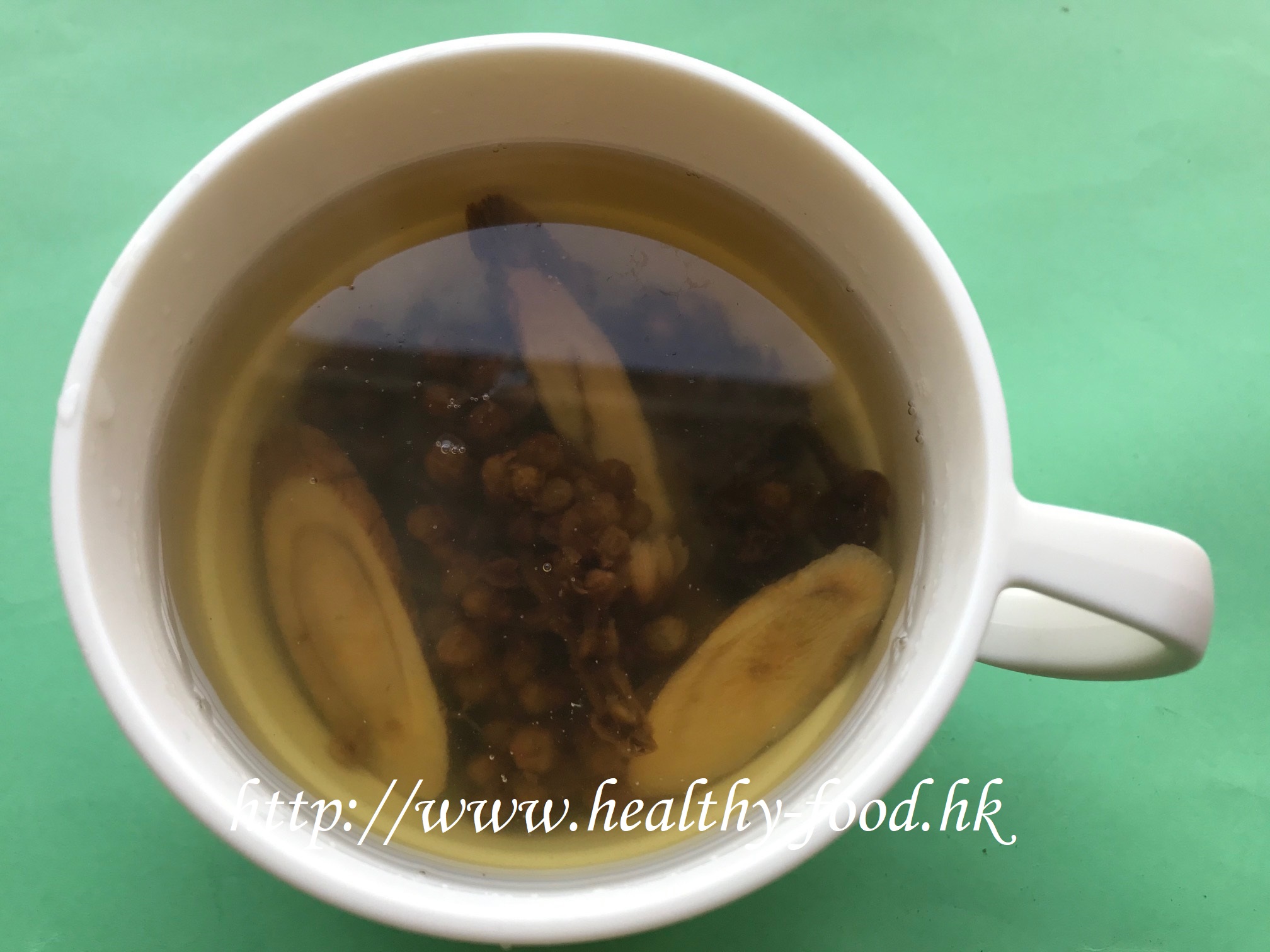
Ume Plum, Licorice and Chrysanthemum Tea
Traditionally used to ease persistent cough triggered by environmental irritants, allergy, or wind
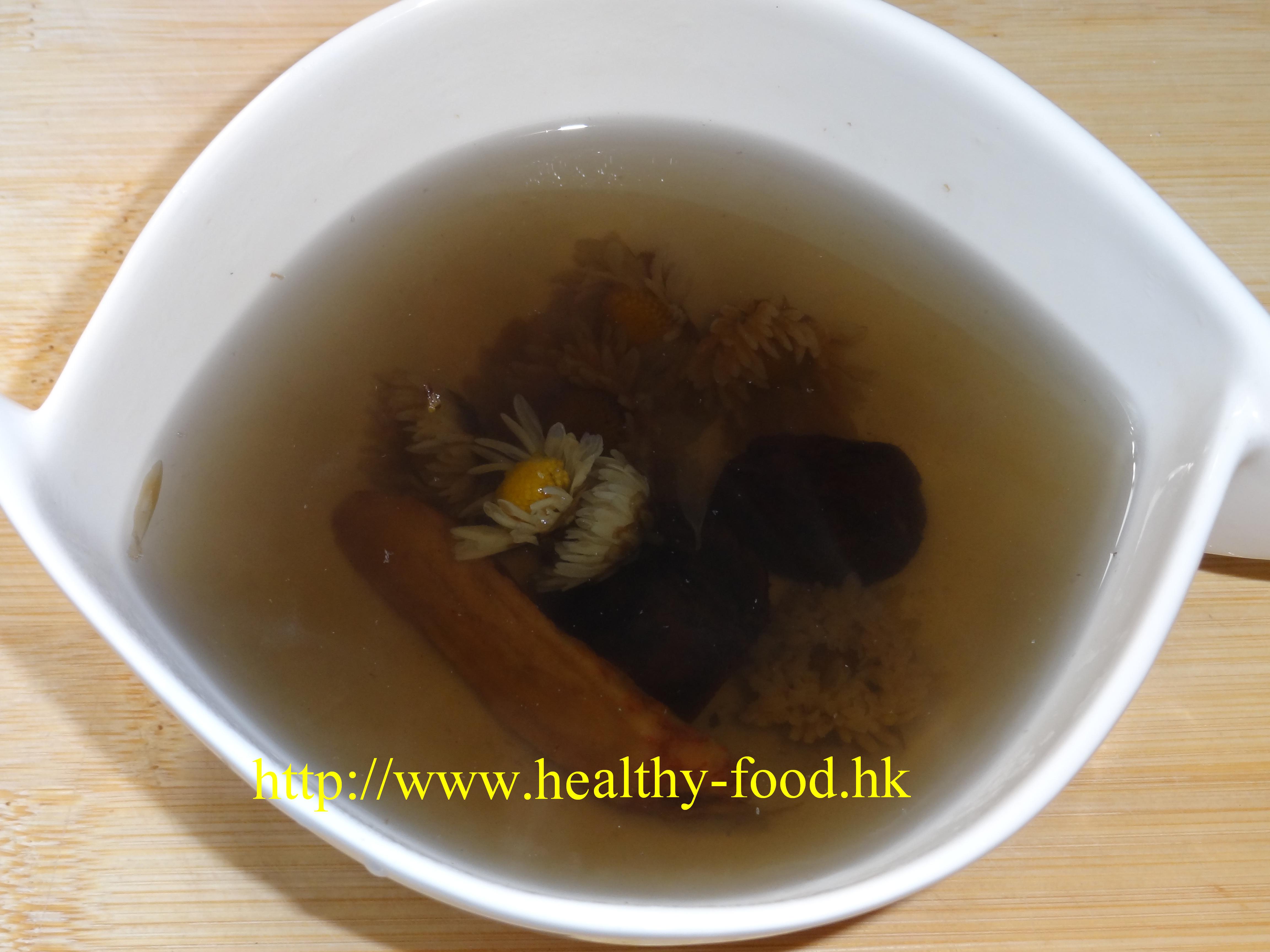
Why people make this tea
There is a type of cough that does not come from a proper cold — it flares up when you walk past a frying kitchen, step into a dusty room, or smell something that disagrees with you. This “wind cough” or “allergic cough” is distinctly frustrating: ticklish, persistent, almost impossible to stop once it starts, and unresponsive to many standard cold remedies. Bro Niu recommends this three-ingredient tea specifically for this pattern. Ume plum is one of the oldest documented astringent lung herbs in Chinese medicine — it is thought to gently gather and hold the lung’s energy so that the constant outward-expelling reflex of coughing can slow down. Licorice root both moistens and steadies, and chrysanthemum adds a wind-clearing, slightly cooling quality. Steeped together, the tea can be refilled multiple times and drunk throughout the day.
Who it suits / who should be cautious
- Suits people with a lingering cough that is triggered by environmental irritants, smells, or dust — not primarily infectious
- Also helpful for coughs that persist long after a cold has resolved (“leftover cough”)
- Suitable for children from about 3 years old, in appropriate amounts
- This tea has a mild astringent quality — it is best suited to dry, sparse phlegm or ticklish coughs; for heavy phlegm, other approaches (such as Job’s tears with tangerine peel) may be more appropriate
- Not intended as a permanent daily health drink; Bro Niu advises taking a 2-day break after every 3 days of use, then repeating
Why these ingredients (the food-therapy logic)
- Ume plum (wu mei): A smoked, dried Chinese plum with a concentrated sour-astringent quality; used in classical Chinese medicine to “astringe the lung and stop cough” — particularly for chronic or dry coughs with sparse phlegm; also aids digestion and generates saliva
- Licorice root (gan cao): Has a dual role here: it moistens and soothes the lungs, and it tonifies the middle burner; it also harmonises the other two ingredients and moderates their more pronounced tastes
- Chrysanthemum flowers (ju hua): Traditionally used to dispel wind and clear heat; provides the “wind-clearing” action that addresses the environmental sensitivity aspect of this cough pattern
Ingredients (1 teapot / about 2 cups)
| Ingredient | Amount | Notes |
|---|---|---|
| Ume plum (wu mei, prepared) | 2 pieces | From Chinese herbal medicine shop, not the sweetened candied snack type |
| Licorice root slices (gan cao) | 4–5 small slices | Short-cut slices are fine |
| Chrysanthemum flowers (ju hua) | 1 tablespoon | Any common dried variety |
| Boiling water | As needed | See method |
Method
- Place all ingredients in a teapot or heatproof jug.
- First, pour a small amount of boiling water over the ingredients and immediately discard — this is a quick rinse to clean the herbs.
- Add fresh boiling water, enough to fill the teapot.
- Steep for 15 minutes, then drink.
- Refill with boiling water as needed; the tea can be enjoyed multiple times until the flavour fades.
Bro Niu’s tips
The ume plum in this recipe should be the prepared medicinal type (wu mei) from a Chinese herbal medicine shop — dark, wrinkled, and concentrated. It is not the sweetened, flavoured snack version found in candy shops. The medicinal ume plum is what gives this tea its cough-astringent quality. Short-cut licorice slices work well; there is no need to measure the weight precisely — just 4 or 5 small slices per pot is enough. For those with yellow or thick phlegm alongside their cough, this tea can still be used but it should be combined with other approaches for phlegm clearance. This tea is also specifically noted by Bro Niu to be beneficial for people with mild fatty liver conditions.
Community questions answered (selected)
-
Q (Carmen, 2019): My mother is 85 and has diabetes. The ume plum — is it the kind found in the sweet-sour snack section of shops? Is it safe for a diabetic? Bro Niu: The ume plum for this tea is the prepared medicinal kind from a Chinese medicine shop — dark and concentrated, not the sweetened candied snack type. The small amount used in this tea is fine for diabetics.
-
Q (kathy, 2012): Can a child with a little yellow phlegm drink this tea and take it to school occasionally? Bro Niu: Yes, a child with a small amount of yellow phlegm can drink this tea. It is fine to take it to school occasionally. However, this is primarily for wind cough and allergic cough — do not treat it as a general-purpose health drink.
-
Q (Holly, 2019): I’ve had a persistent cough with clear sticky phlegm for over a month, and now I have a ticklish throat that triggers rapid non-stop coughing. What can help? Bro Niu: Try five-flavour berry (wu wei zi) and ophiopogon root (mai dong), 3 qian each, with licorice root 2 qian, simmered in 5 bowls of water down to 2 bowls. Take 3 consecutive batches. This combination is specifically associated with astringent lung cough relief.
Published October 29, 2012 · Adapted and translated for Nourilo from a traditional home-kitchen recipe. Approx. 4 min read.