Congee & Porridge
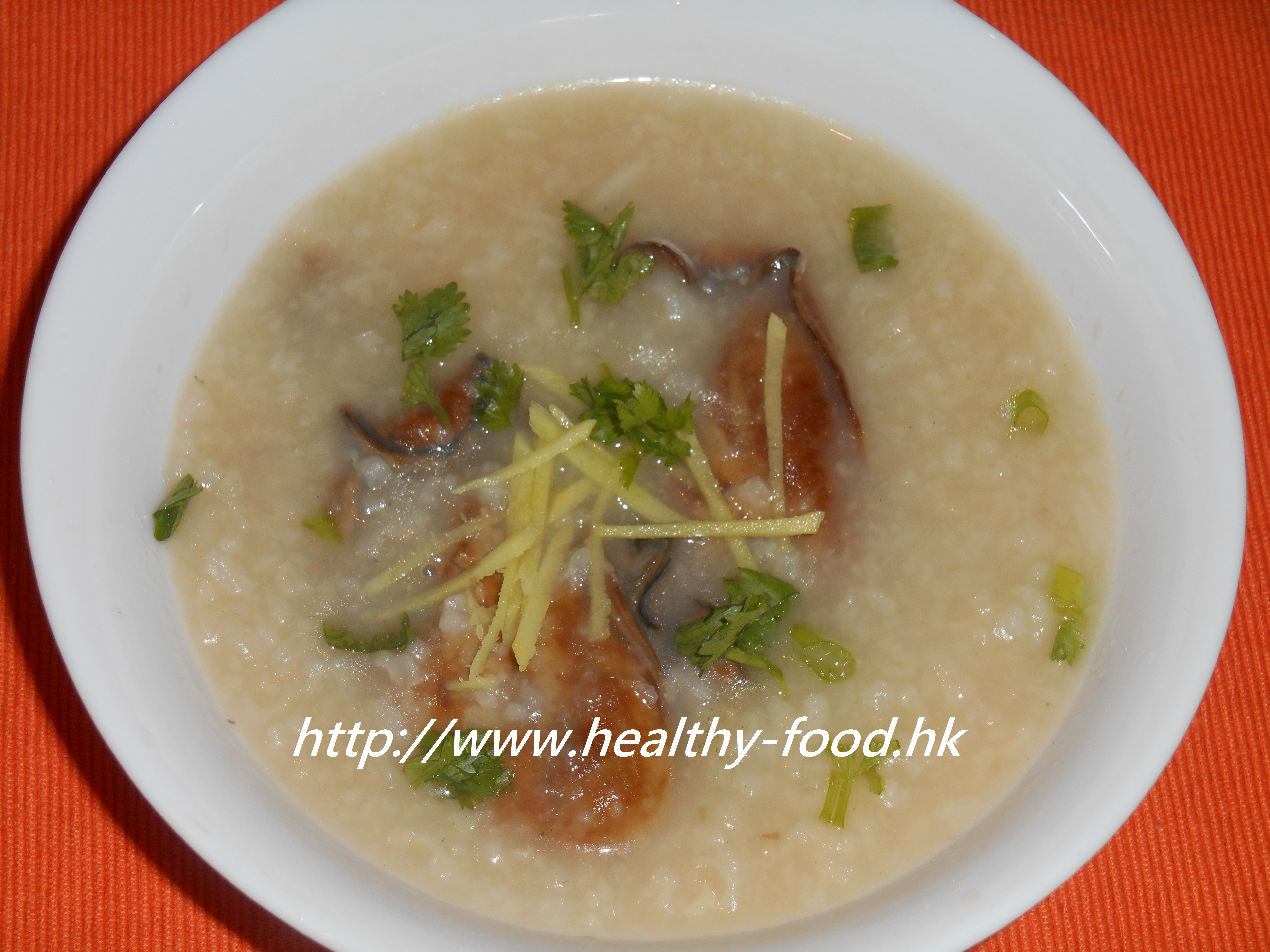
Walnut, Longan Flesh, Black Bean & Brown Rice Congee
Traditionally used to nourish heart-blood, calm the mind, and support women through perimenopause
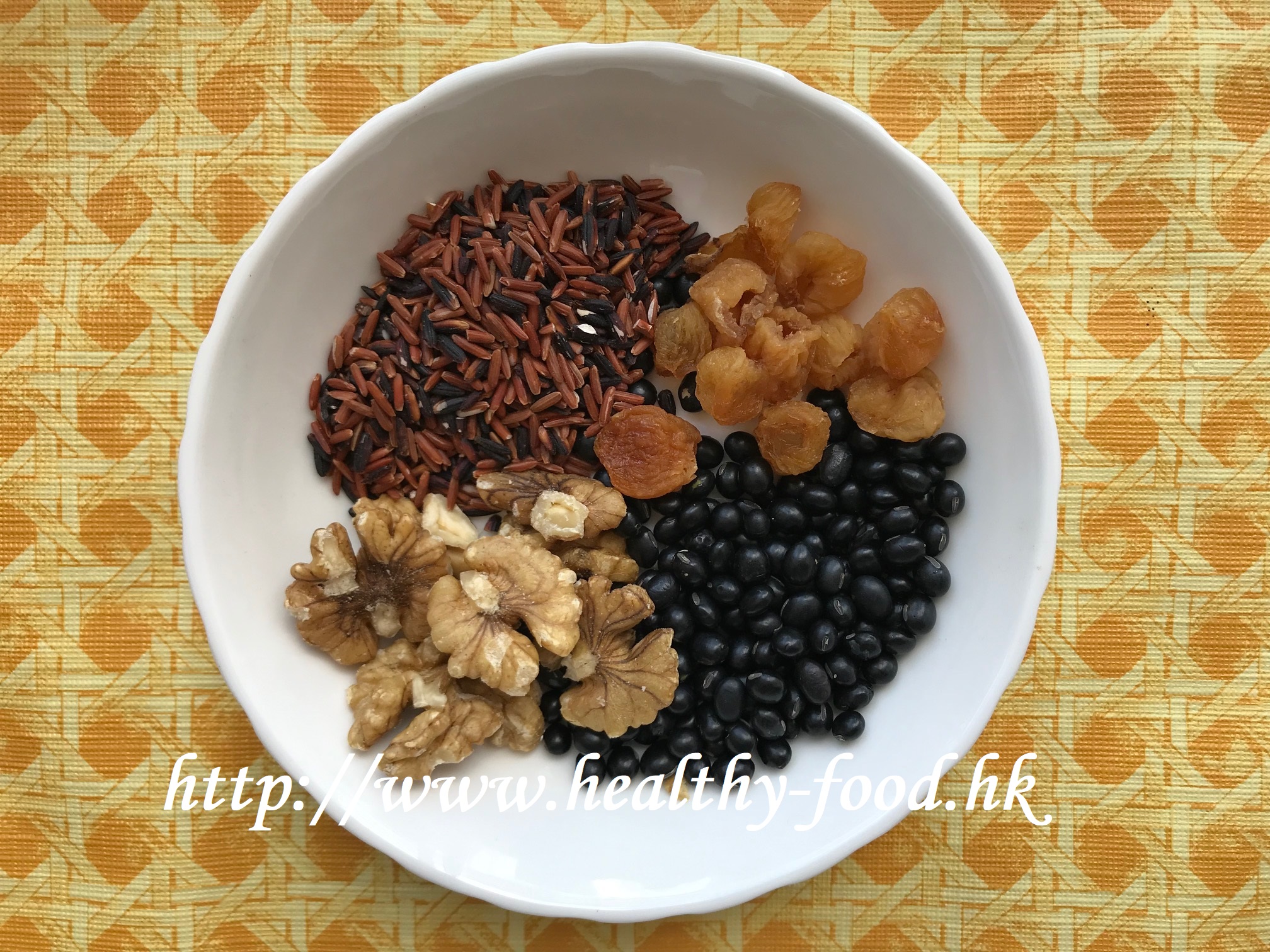
Why people make this congee
The years around menopause can bring a wave of uncomfortable changes — hot flashes, night sweats, heart palpitations, disrupted sleep, mood swings, and a general feeling that the body is shifting in ways that are hard to predict. Chinese food therapy approaches this period not as a medical crisis but as a natural transition that can be supported through nourishing foods. Bro Niu designed this congee to be warming, gentle, and genuinely delicious — the kind of thing you could cook on a weekend morning and eat throughout the day. Walnuts are a classic brain and kidney tonic; longan flesh is used in almost every Chinese sleep-support and blood-nourishing formula; black soybeans are considered deeply kidney-tonifying; and the combination of red and black brown rice provides fibre and slow-release energy. The whole family can enjoy it, not just those going through menopause.
Who it suits / who should be cautious
- Particularly suited to perimenopausal and menopausal women experiencing fatigue, night sweats, poor sleep, or low mood
- Suitable for women postpartum with blood deficiency, pallor, or dizziness — but substitute longan with red or south jujube if breastfeeding or pregnant
- Suitable for the whole family as a nourishing everyday porridge
- Pregnant women: replace longan flesh with red jujube (hong zao) or south jujube (nan zao); longan is traditionally considered too warm and stimulating during pregnancy
Why these ingredients (the food-therapy logic)
- Walnut kernels (he tao rou): Traditionally associated with nourishing the brain and kidneys; used in food therapy to support memory, calm anxiety, and nourish essence
- Dried longan flesh (yuan rou): A classic blood-nourishing, heart-calming ingredient; one of the most important herbs in Chinese formulas for insomnia and anxiety due to blood deficiency
- Black soybeans (qing ren hei dou): Kidney-tonifying and blood-nourishing; the green-kernel variety is considered most potent; also provides plant protein and isoflavones
- Brown rice — red and black varieties (hong hei zao mi): Provides slow-release carbohydrate, dietary fibre, and B vitamins; in traditional theory each colour corresponds to nourishing different organ systems
Ingredients (about 4 bowls / 3–4 servings)
| Ingredient | Amount | Notes |
|---|---|---|
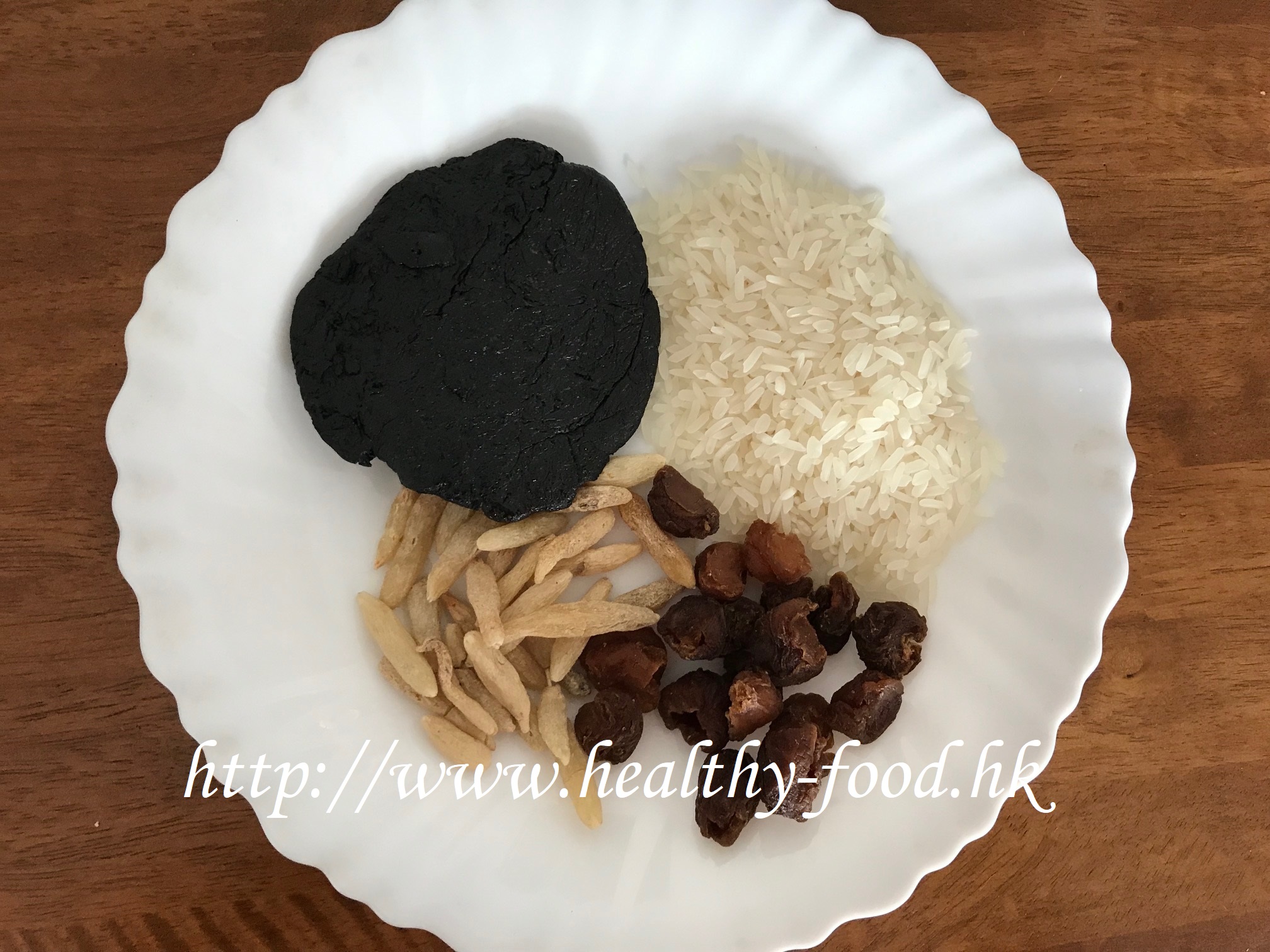
| Walnut kernels | 38 g (1 liang) | Soaked and rinsed |
| Dried longan flesh | 19 g (5 qian) | Also labelled yuan rou; omit in pregnancy, replace with jujube |
| Black soybeans (green kernel) | 38 g (1 liang) | Rinsed and soaked |
| Mixed red and black brown rice | 75 g (2 liang) | Rinsed |
Method
- Rinse and briefly soak all ingredients separately.
- Place everything in a pot with 7 bowls (about 1.75 litres) of water.
- Bring to a boil, then reduce heat and simmer for about 1 hour, stirring occasionally, until the liquid reduces to approximately 4 bowls and the rice has softened into a thick porridge consistency.
- Serve warm. Eat the beans, walnuts, and longan — do not discard them.
Bro Niu’s tips
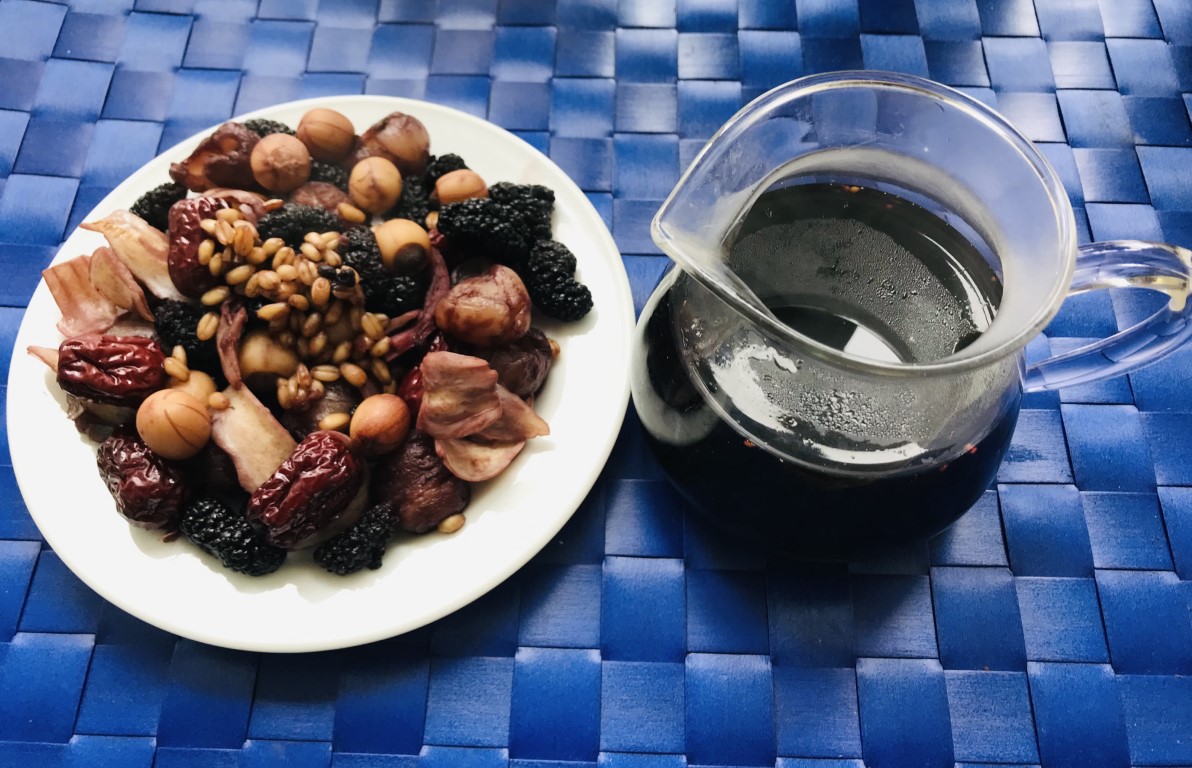
This congee has a natural sweetness and nutty aroma — children and elderly family members enjoy it as much as anyone going through menopause. For postpartum women with blood deficiency, pallor, or dizziness, this recipe works well too. If you are pregnant, simply swap out the longan flesh for red or south jujube dates. Regarding the black soybeans: if you plan to use them in a steeped tea rather than a simmered soup, lightly toast them first in a dry wok — this removes a compound that can cause gas when the beans are simply steeped in water.
Published August 23, 2021 · Adapted and translated for Nourilo from a traditional home-kitchen recipe. Approx. 3 min read.