Congee & Porridge
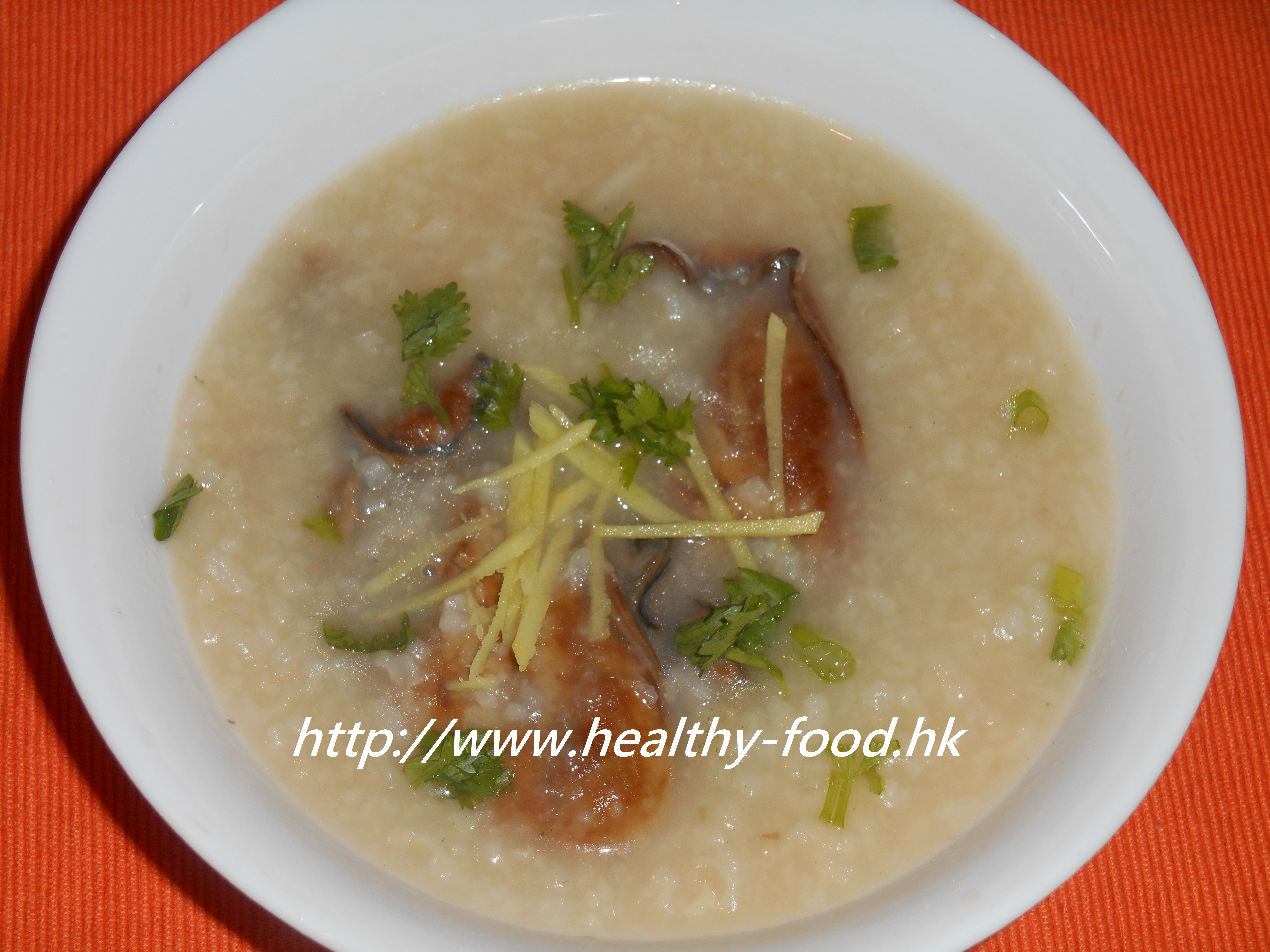
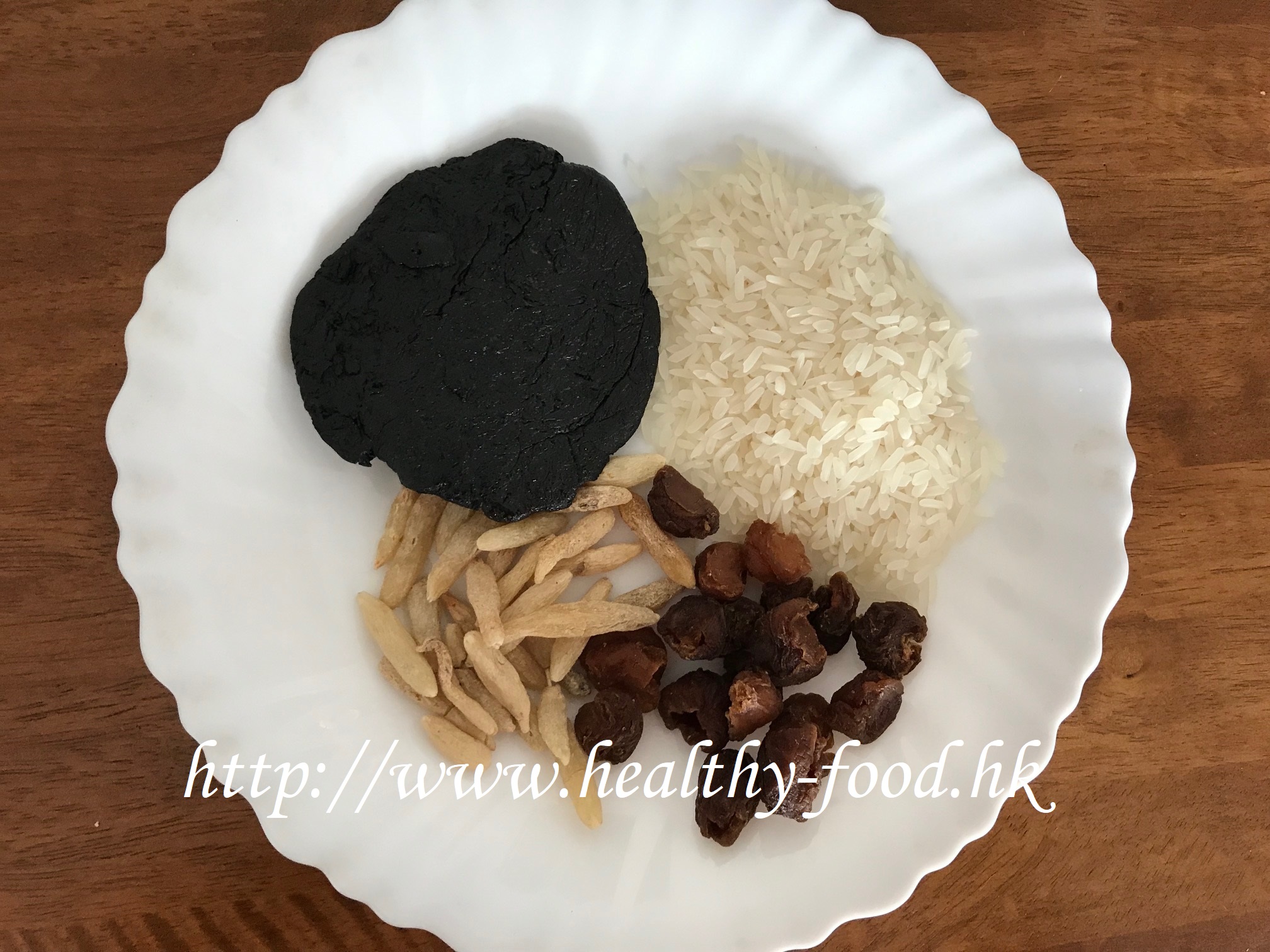
Longan, Ophiopogon and Fresh Rehmannia Congee
traditionally used to nourish yin, clear heart heat, calm the mind, and support restful sleep
Why people make this congee
When emotional tension accumulates — from overwork, worry, or hormonal shifts — it often shows up in the body in specific ways: a restless, easily-disrupted sleep, palpitations that arrive for no obvious reason, a low-grade inner heat or agitation, and a mind that cannot seem to slow down. In Chinese medicine, this pattern is often described as yin deficiency with heart fire — the calming, cooling, moistening aspect of the body is depleted, and the mind has lost its anchor.
This congee addresses that pattern directly. Ophiopogon (mai dong) is one of the most widely used herbs in Chinese medicine for nourishing heart yin and clearing mild heart heat — it is gentle, not strongly medicinal in flavour, and works well as a congee base. Longan flesh (yuan rou) is warm and sweet, traditionally associated with calming the spirit, nourishing blood, and strengthening the heart-spleen connection. Fresh rehmannia (sheng di) is cooling and blood-nourishing, particularly suited to the patterns of yin-deficiency heat that show up as night sweats, low-grade fever, or palpitations. Together, they make a congee that is mildly sweet, not overly herby, and genuinely restorative.
Who it suits / who should be cautious
- Suitable for adults experiencing stress-related insomnia, palpitations, anxiety, or emotional volatility.
- Particularly well suited to women with premenstrual mood changes or menopausal symptoms including hot flushes, night sweats, and sleep disruption.
- Also appropriate for people with bipolar mood patterns (traditional reference: 躁狂抑郁), as a gentle supportive measure.
- Pregnant women should not use longan (yuan rou) — it is warming and traditionally contraindicated in pregnancy. Substitute 5 southern dates (nan zao) instead.
Why these ingredients (the food-therapy logic)
- Ophiopogon (mai dong): A sweet, slightly cool herb that nourishes heart yin and stomach yin, clears mild heat, and moistens the lungs. In modern research it contains polysaccharides associated with anti-inflammatory and cardioprotective effects.
- Longan flesh (yuan rou): Warming and sweet; in traditional practice associated with calming the spirit, nourishing heart blood, and strengthening the spleen. Modern studies note its glucose, sucrose, vitamins B and C, and choline content — associated with improving memory and reducing nervous fatigue.
- Fresh rehmannia (sheng di huang): A classic yin-nourishing and heat-clearing herb, particularly suited to blood deficiency patterns manifesting as palpitations, insomnia, and low-grade internal fever.
- White rice: Easy to digest; forms the base of the congee, which is gentler on the digestive system than solid food.
Ingredients (4–5 bowls)
| Ingredient | Amount | Notes |
|---|---|---|
| Ophiopogon root (mai dong) | 37 g | Rinse before using |
| Dried longan flesh (yuan rou) | 19 g | Not suitable for pregnant women; substitute 5 nan zao |
| Fresh rehmannia root (sheng di) | 19 g | Rinse before using |
| White rice | 75 g | Rinsed |
Method
- Rinse all ingredients separately.
- Place all ingredients together in a pot with 8 bowls of water (about 2 litres).
- Bring to a boil over high heat, then reduce to a low simmer.
- Cook for about 1.5 hours, stirring occasionally, until the rice has fully broken down and the congee is smooth and thick — about 4–5 bowls remaining.
- Serve warm. The congee can be eaten at breakfast or in the evening before sleep.
Bro Niu’s tips
This congee is naturally lightly sweet with a mild herbal note — very accessible even for those who are not used to herbal foods. The medicinal flavour is gentle enough that most people find it pleasant. It is suitable for people with bipolar or depressive-pattern conditions as a supportive measure, and is especially well suited to menopausal women experiencing insomnia. Pregnant women must substitute 5 southern dates (nan zao) for the longan.
Community questions answered (selected)
-
Q (anonymous): Can this be adapted into a soup with meat for a postpartum mother who sweats a lot? Bro Niu: For postpartum sweating, add astragalus root (bei qi, 3 qian) and floating wheat (fu xiao mai, 5 qian) to the congee. If the mother is breastfeeding and you cannot use floating wheat, substitute schisandra berry (wu wei zi, 3 qian) — it has a similar sweat-stabilising effect.
-
Q (庭): I am 44, and for the past year my body has been heating up every night from about 11pm — especially my upper back, shoulders, and neck. My periods have been very irregular and light, sometimes not coming for 3 months. Is this the start of menopause? Bro Niu: If you are sleeping, eating, and having regular bowel movements, it is unlikely to be anything serious. These symptoms — night heat, irregular periods — do appear commonly in perimenopausal women. Try cooking wolfberry root bark (di gu pi, 5 qian) with fresh wolfberry leaves (gou qi ye, 150 g) and a little lean pork — simmer for 20 minutes. This combination clears deficiency heat gently. Snow pear, snow fungus, goji berry, and lily bulb soup is also helpful. Please maintain balanced nutrition rather than over-restricting carbohydrates.
Published May 9, 2021 · Adapted and translated for Nourilo from a traditional home-kitchen recipe. Approx. 4 min read.