Soups
Fresh Yam, Chayote and Fresh Fish Soup
traditionally used to strengthen immunity, support healthy blood sugar and blood pressure, and nourish the whole family
Why people make this soup
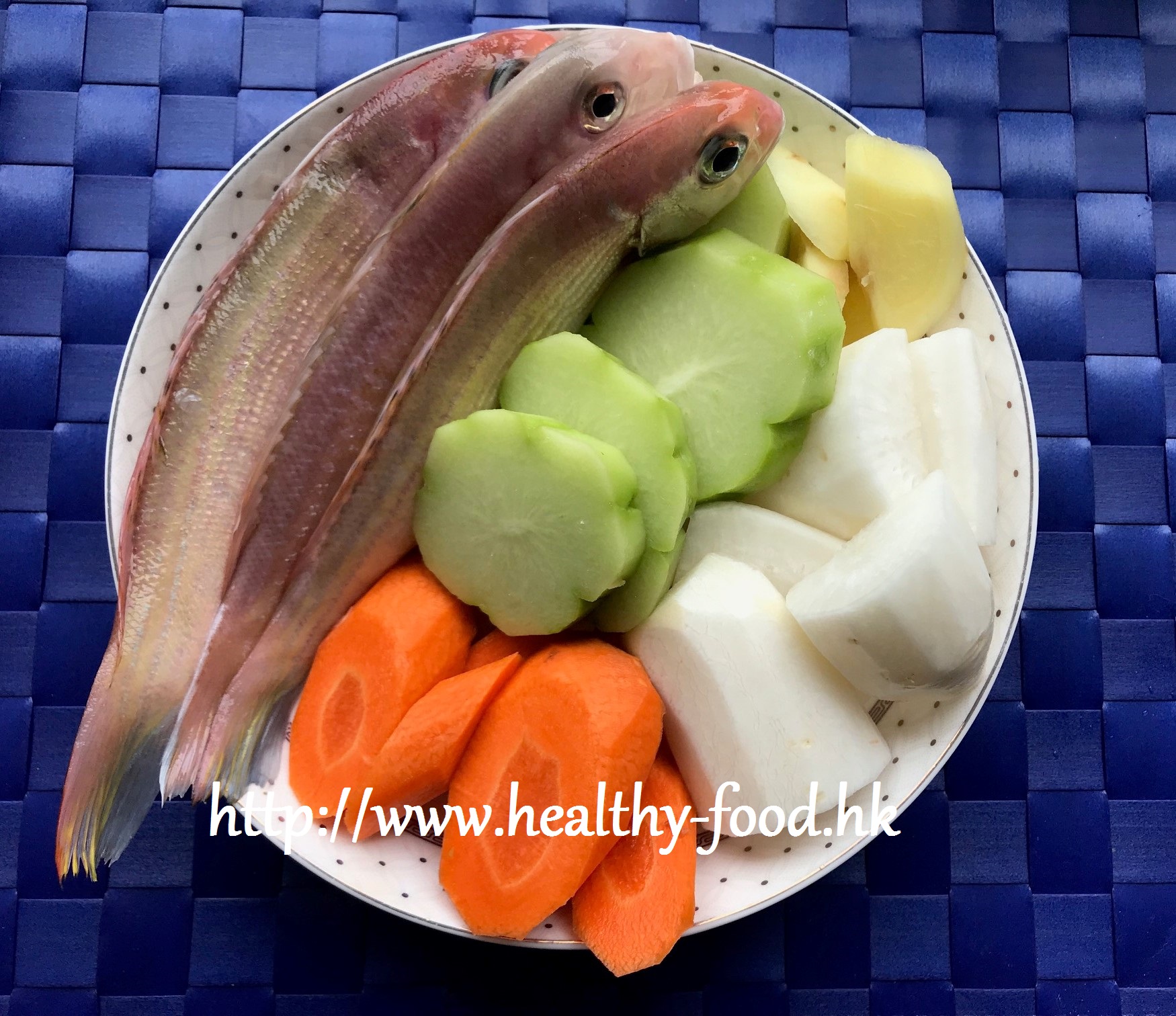
A good family soup does not need to be complicated. This one uses four ingredients you will find at any Chinese or Asian grocer: small fresh sea fish, fresh Chinese yam, chayote, and carrot. The key is the quality of the fish — look for genuinely fresh small sea fish with bright eyes and firm flesh. Pan-fried briefly before simmering, they give the broth a naturally sweet depth that no stock cube can replicate.
Fresh Chinese yam (as opposed to the dried herb form) is the ingredient that bridges the worlds of everyday cooking and food therapy here. Its natural mucilaginous proteins coat the stomach lining and slow the absorption of glucose — an effect that is relevant not only to people managing blood sugar, but to anyone who eats irregularly and wants to protect their gut. Chayote is one of the most mineral-rich gourds available year-round, and carrot brings beta-carotene and vitamin A. The combination is described in traditional practice as supporting the three pillars of metabolic health — blood pressure, blood sugar, and blood lipids — while also raising the body’s defences against seasonal viruses.
Who it suits / who should be cautious
- Suitable for: the whole family including children; particularly beneficial for those who want to maintain healthy blood pressure, blood sugar, and cholesterol; useful during flu season as an immune-support soup
- Those with diabetes: fresh Chinese yam is specifically recommended; avoid dried yam (the medicinal herb form) in large quantities if blood sugar control is already fragile — always follow your doctor’s guidance
- Note on the yam variety: “tie gun huai shan” (iron-stick yam) is the densest and most mineral-rich form; worth seeking out if available
Why these ingredients (the food-therapy logic)
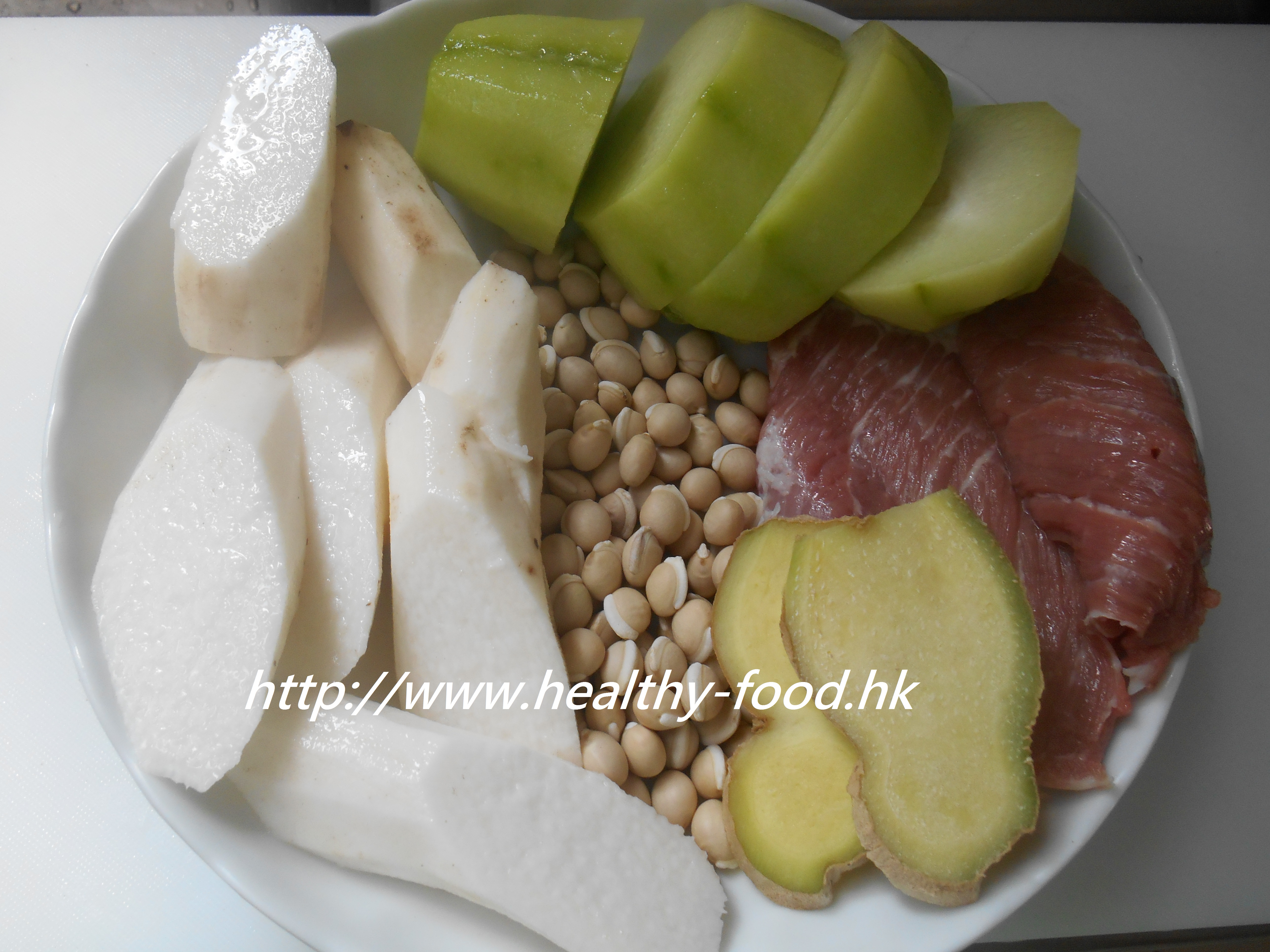
- Fresh Chinese yam (xian huai shan): Rich in natural mucoproteins and resistant starch; traditionally used to nourish the spleen and lung, benefit kidney essence, and help stabilise blood sugar; softens blood vessel walls and supports vascular elasticity when eaten regularly
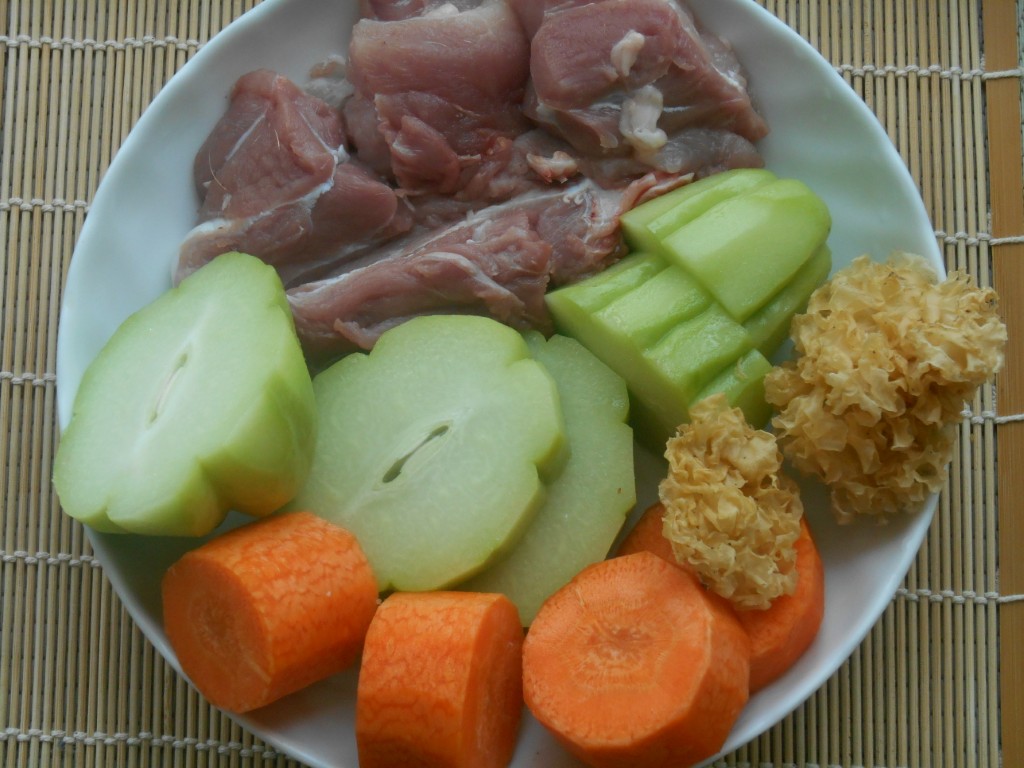
- Chayote (he zhang gua): High in B vitamins, vitamin C, zinc, and potassium; light and easy to digest; supports fluid metabolism and is cooling without being harsh
- Carrot (hong luo bo): Beta-carotene, vitamins, antioxidants; traditionally supports eye health and immunity; a mild digestive tonic
- Fresh small sea fish: A natural source of complete protein, omega-3 fatty acids, and trace minerals; pan-frying before simmering removes fishiness and creates a sweeter, richer broth
- Ginger: Warms the stomach, aids digestion, and removes any remaining fishiness
Ingredients (4 bowls)
| Ingredient | Amount | Notes |
|---|---|---|
| Small fresh sea fish | ~600 g | Gut and clean; pan-fry briefly in a little oil before adding to water |
| Fresh Chinese yam | ~150 g | Peel and cut into thick chunks |
| Chayote | 1 medium | Peel and cut into wedges |
| Carrot | 1 medium | Peel and cut into chunks |
| Fresh ginger | 3 slices | |
| Water | 7 bowls (~1.4 L) |
Method
- Gut and clean the fish; pat dry.
- Heat a small amount of oil in a pan and pan-fry the fish on both sides until lightly golden. This step removes fishiness and enhances the flavour of the broth.
- Peel the fresh yam, chayote, and carrot; cut into chunks.
- Bring 7 bowls of water to a rolling boil in a soup pot.
- Add all ingredients, including the pan-fried fish and ginger slices.
- Simmer for about 1 hour until the liquid reduces to approximately 4 bowls.
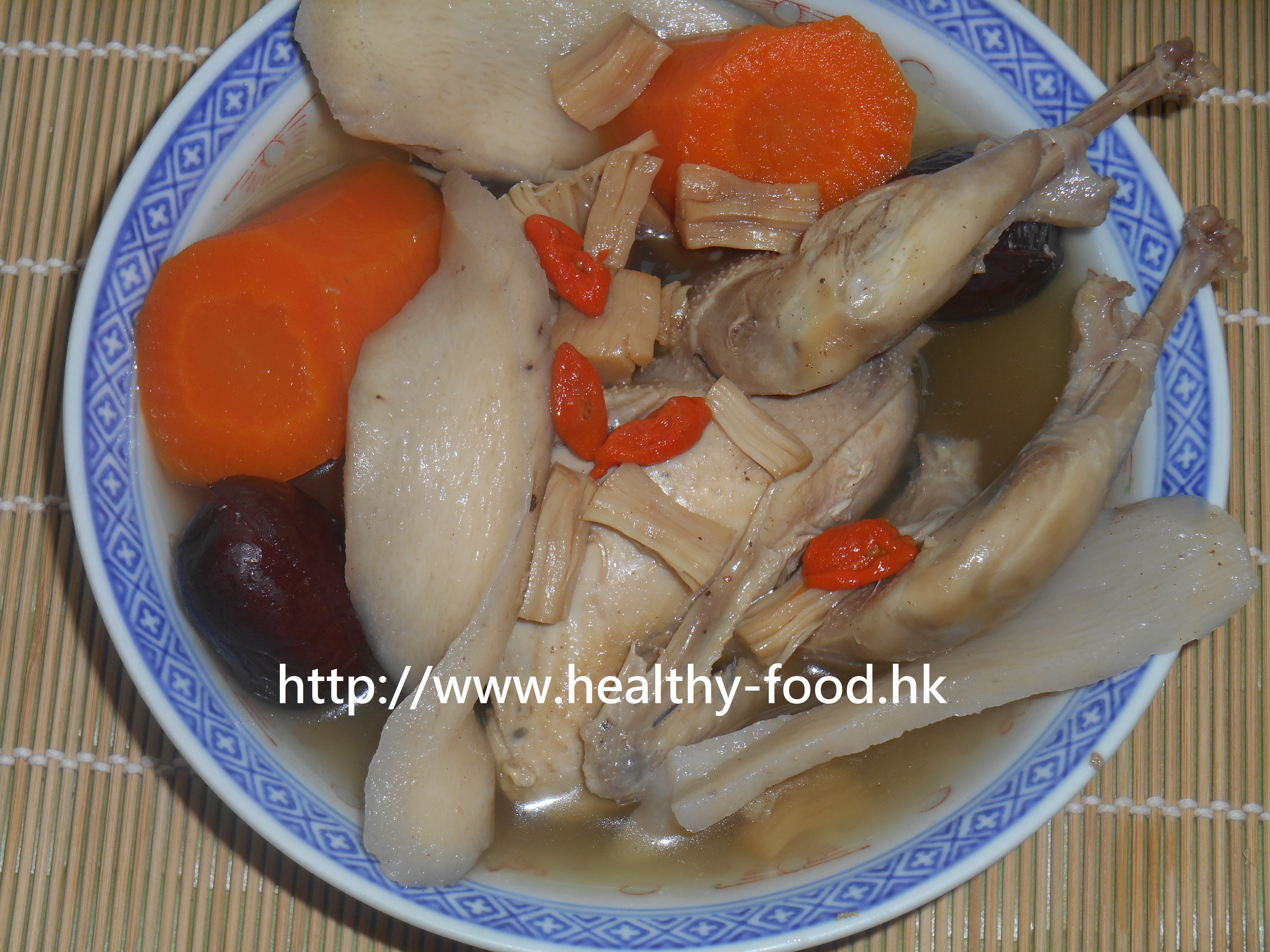
- Serve warm; drink the broth and eat the yam, chayote, and carrot.
Bro Niu’s tips
The key to a good fish soup is quality fish that is genuinely fresh. When selecting small sea fish, look for bright eyes, firm flesh, and no unpleasant odour — freshness makes all the difference to the flavour of the broth. If you can source “tie gun huai shan” (iron-stick yam), it is denser and richer in minerals and mucoproteins than the regular fresh yam, and is particularly beneficial for blood vessel health. Fresh Chinese yam is not at all “cold” in nature as some people believe — it is neutral. If the family tends toward dampness, add 5 qian (about 19 g) of poria (fu ling) and a piece of dried tangerine peel (chen pi) to the pot.
Community questions answered (selected)
-
Q (anonymous): Our whole family wakes up with body aches; our tongues have a yellow-white coating and we feel quite damp and heavy. A friend said fresh Chinese yam actually causes cold-dampness — is that true? Bro Niu: Fresh Chinese yam is neutral in nature — it is not cold or damp-inducing. If you want to strengthen the dampness-clearing action, add 5 qian of poria (fu ling) and a piece of dried tangerine peel to the soup.
-
Q (Jelly): What can someone with diabetes eat? Bro Niu: Fresh Chinese yam, cabbage, onion, garlic, and all kinds of gourds and vegetables are suitable for people with diabetes.
Published January 16, 2019 · Adapted and translated for Nourilo from a traditional home-kitchen recipe. Approx. 4 min read.