Soups
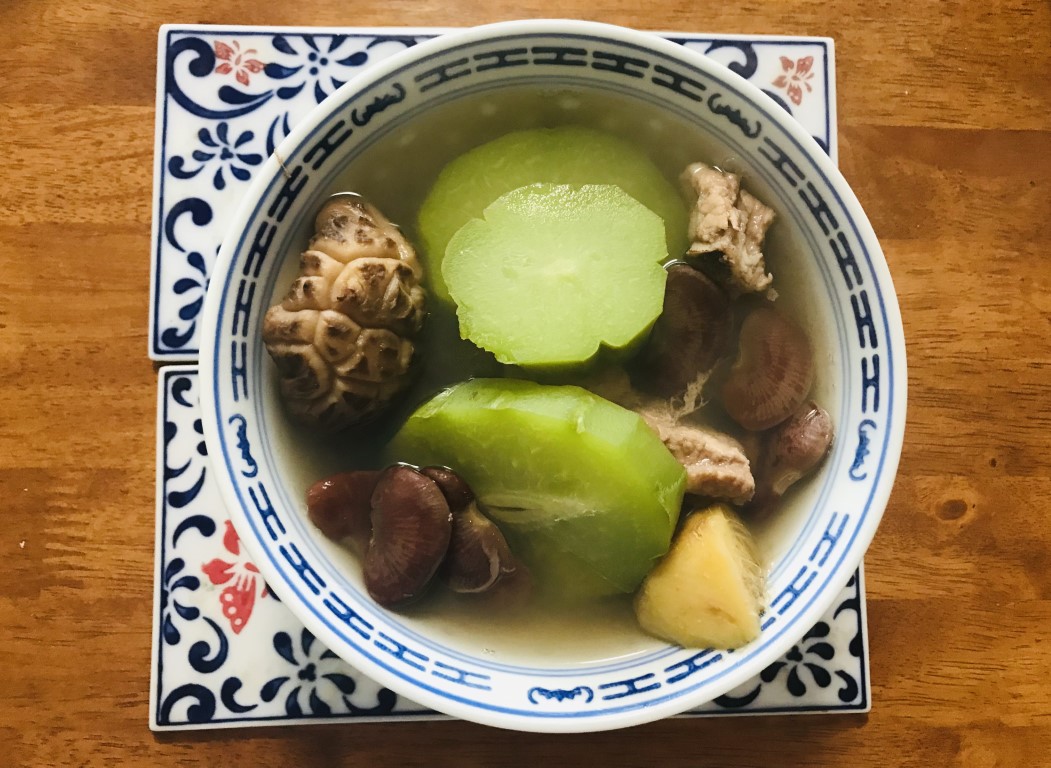
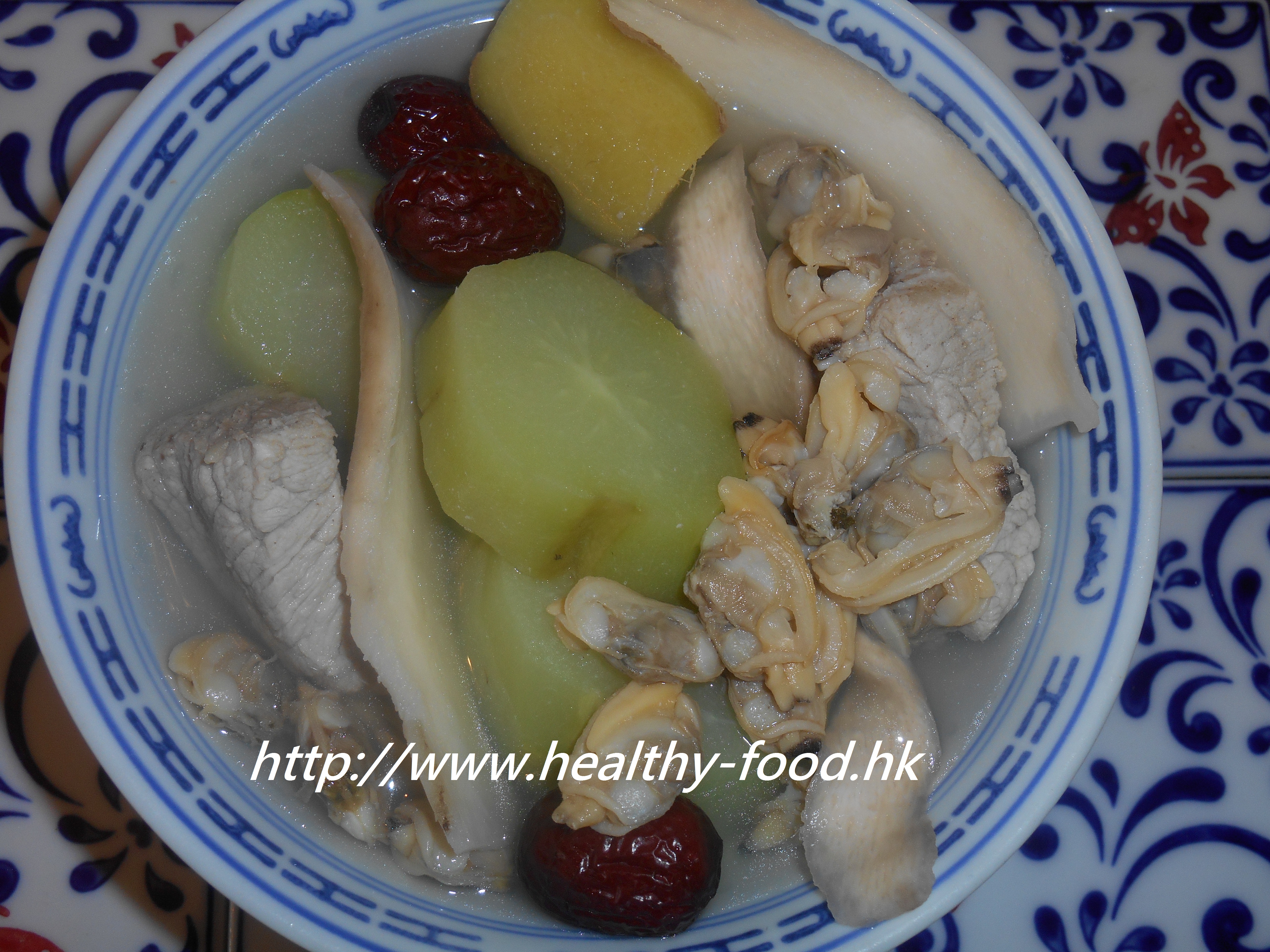
Chayote, Fresh Chinese Yam and Hyacinth Bean Pork Soup
Traditionally used to strengthen the digestive system, reduce dampness, and support overall constitution and energy
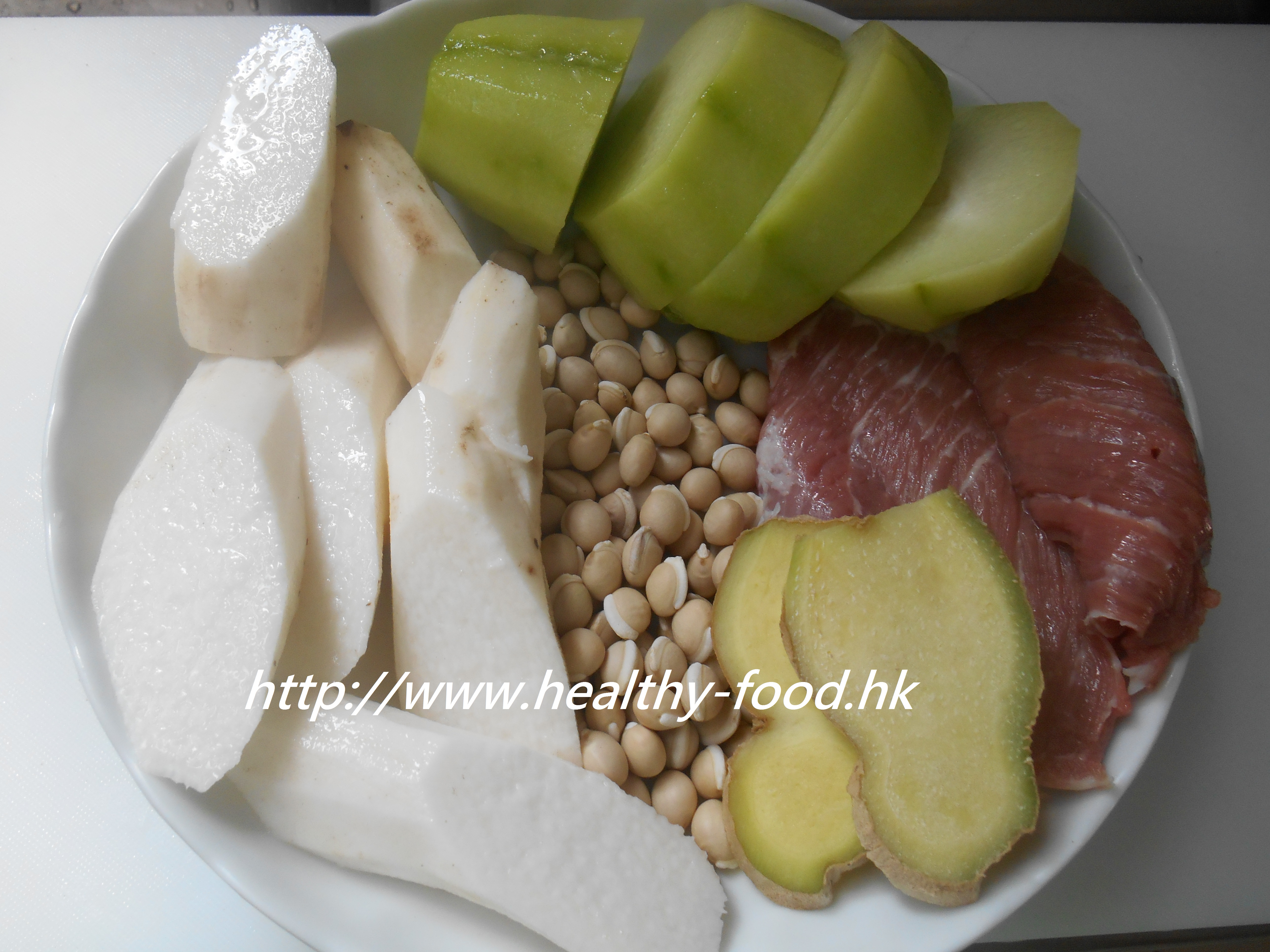
Why people make this soup
When the weather keeps switching between hot and rainy, people with a naturally weaker constitution tend to feel it in their digestion first — heavier, bloated, low-energy, and prone to catching every passing bug. This is a soup for those moments. Chayote is a vegetable that deserves far more attention outside Asia. Modern nutritional research finds it unusually well-rounded in its micronutrient profile — notably high in zinc, which is important for children’s development, and in folate, which matters for anyone planning a pregnancy. Traditional Chinese medicine additionally values it for moving stuck qi in the liver and stomach, easing bloating, and supporting the metabolism. Paired with fresh Chinese yam and hyacinth bean, both classic spleen-and-stomach tonics, and grounded with ginger, this is the kind of quietly capable soup that you can return to every week without getting bored.
Who it suits / who should be cautious
- Suitable for all ages including infants (omit salt for babies under one year), children, elderly, and pregnant women
- Particularly helpful for those with digestive weakness, bloating, heaviness or dampness, or mild constitutional fatigue
- Beneficial for people managing high blood pressure, diabetes, or water retention — the diuretic and blood-pressure-supportive properties of chayote are well recognised in modern research
- Also noted in Chinese food therapy for supporting men’s vitality and reproductive health
- Generally very neutral in nature; those with strong yin deficiency may want to add a small amount of ophiopogon (mai dong) or goji berries
Why these ingredients (the food-therapy logic)
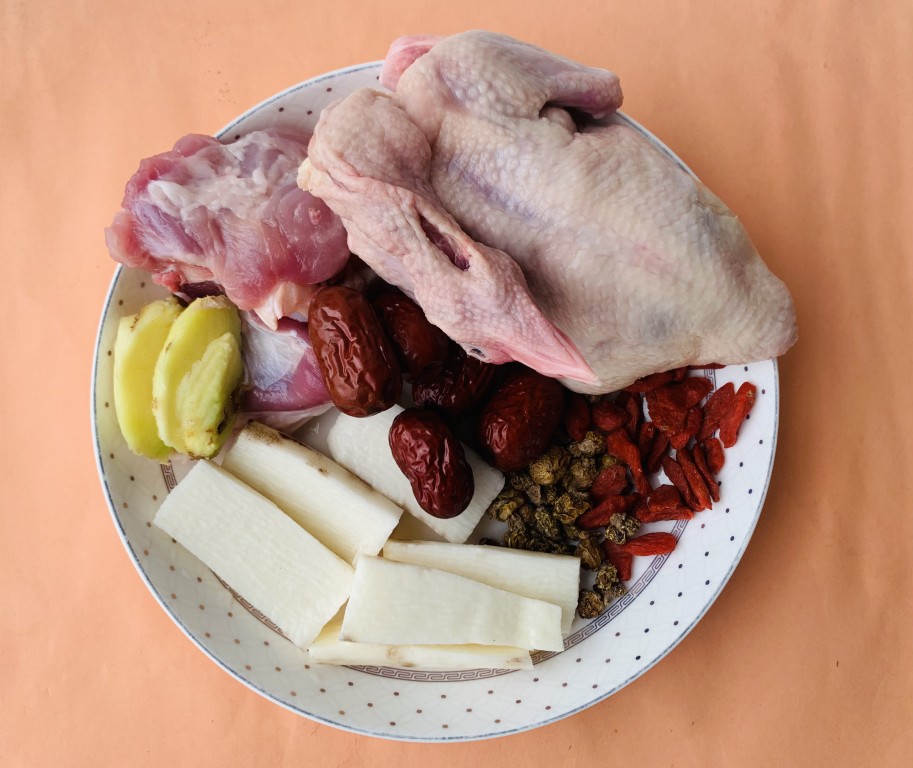
- Chayote (he zhang gua): Modern research has found it supports healthy blood pressure, helps the body excrete excess sodium, and contains compounds associated with vasodilation; traditional usage values it for regulating liver qi, easing chest tightness and bloating, and strengthening the stomach; its zinc content makes it particularly valuable for growing children
- Fresh Chinese yam (xian huai shan): A cornerstone of Cantonese food therapy for strengthening the spleen and stomach, supporting lung function, and nourishing kidney qi; the fresh version has a pleasant texture and slightly more pronounced effect than dried
- Dry-fried hyacinth beans (chao bian dou): Traditionally used to strengthen the spleen, resolve dampness, and ease digestive heaviness; the dry-fried version has a slightly stronger effect than raw
- Ginger (sheng jiang): Warms the stomach, aids absorption of the other ingredients, and prevents any excessive cooling from the other ingredients
- Lean pork: Provides protein and a savoury base without excessive fat
Ingredients (4–5 bowls)
| Ingredient | Amount | Notes |
|---|---|---|
| Chayote | 2 pieces (~500 g) | Peel and cut into chunks |
| Fresh Chinese yam (xian huai shan) | 150 g (~4 liang) | Peel and cut into chunks; can substitute 1 liang dried if fresh unavailable |
| Dry-fried hyacinth beans (chao bian dou) | 1 liang (~37 g) | Rinse and soak briefly; substitute 1 liang black-eyed peas (mei dou) if unavailable |
| Fresh ginger | 3 slices | |
| Lean pork | 300 g (~half jin) | Sliced; blanch to remove impurities |
Method
- Slice the lean pork and blanch in boiling water for 1–2 minutes; discard the blanching water.
- Peel and cut the chayote and fresh Chinese yam into large chunks.
- Rinse and briefly soak the dry-fried hyacinth beans.
- Place all ingredients into a pot with 8 bowls (about 2 litres) of cold water.
- Bring to a boil, then reduce heat and simmer for 1.5 hours, until the liquid reduces to about 4–5 bowls.
- Serve; eat the solid ingredients along with the broth.
Bro Niu’s tips
This soup has a naturally sweet, clear flavour that most people — including picky children — enjoy. You can add corn (sweet-corn) and carrot without any problem; they complement the other ingredients and add extra natural sweetness. If you cannot find hyacinth beans, black-eyed peas make a good substitute. Dried Chinese yam (1 liang) can replace fresh with similar effect. For babies and young children, do not season with salt. This soup is fine to drink in autumn and winter as well.
Community questions answered (selected)
-
Q (Amy): What is the difference between regular hyacinth beans and dry-fried hyacinth beans? Can I use regular ones here? Bro Niu: Dry-fried hyacinth beans have a slightly stronger spleen-strengthening and dampness-resolving effect. Regular hyacinth beans work fine too.
-
Q (Lili): If I don’t have hyacinth beans, what can I substitute? Bro Niu: You can use 1 liang of black-eyed peas (mei dou) as a substitute.
-
Q (Holden): Can I add sweet corn to this soup? My family loves corn. Are there other spleen-strengthening or dampness-clearing soups that also work with corn? Bro Niu: Yes, you can add corn. Corn is good for urination, dampness clearance, and lowering blood sugar.
Published July 14, 2016 · Adapted and translated for Nourilo from a traditional home-kitchen recipe. Approx. 4 min read.