Herbal & Flower Teas
Ophiopogon and Golden Monk Fruit Tea
traditionally associated with nourishing yin, moistening the lungs, and relieving thirst and heat-related irritability
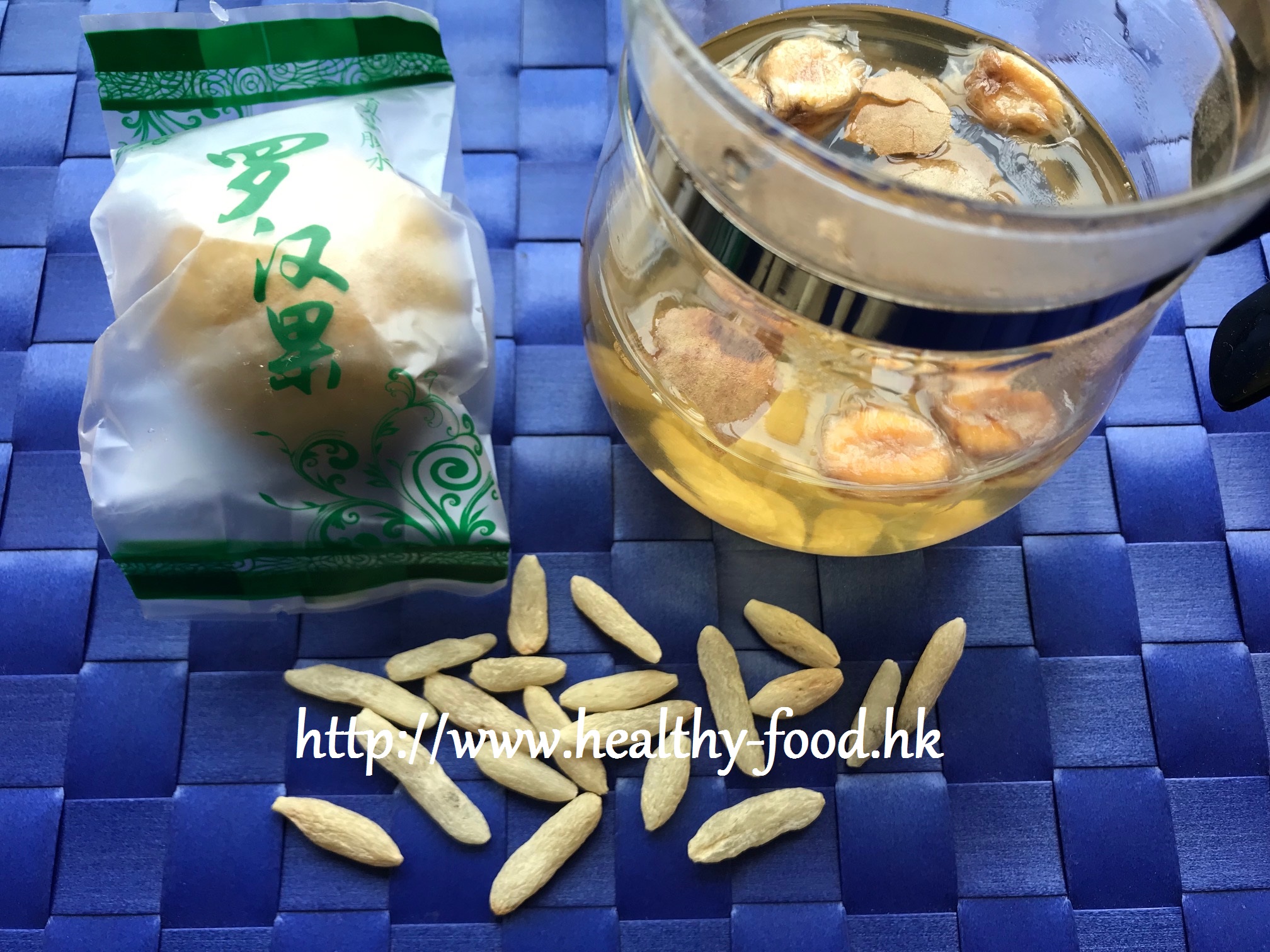
Why people make this tea
Summer heat tends to dry people out — a sweaty commute, long days, air-conditioned offices — and the result is often a persistent dry throat, a craving for cold drinks, and a general sense of restlessness or irritability that cold water alone does not fix. In Cantonese food therapy, this is a yin-deficiency pattern: the body’s cooling, moistening reserves have been depleted. Ophiopogon (mai dong) is a slender, sweet-tasting root that has been used in Chinese medicine for centuries specifically for this pattern — moistening the lungs, nourishing the heart, and encouraging the body to generate its own fluids. Paired with golden monk fruit — a low-temperature-roasted version of the traditional dried monk fruit, which avoids the smoky flavour of conventional preparation — the result is a tea that is naturally very sweet, pleasant enough to drink cold or warm, and associated with helping manage blood sugar rather than raising it. Bro Niu keeps this tea on regular rotation in summer.
Who it suits / who should be cautious
- People experiencing thirst, dry throat, heat-related irritability, or a dry, persistent cough in hot weather.
- Suitable for people managing blood sugar — the sweetness of golden monk fruit comes from mogrosides, not regular sugar, and is not associated with raising blood glucose.
- People with a cough caused by cold and wind (feng han ke sou — chills, thin clear mucus) should not use this tea; it is suited to yin-deficiency dry cough, not cold-type cough.
- Women during their menstrual period can safely drink this tea.
Why these ingredients (the food-therapy logic)
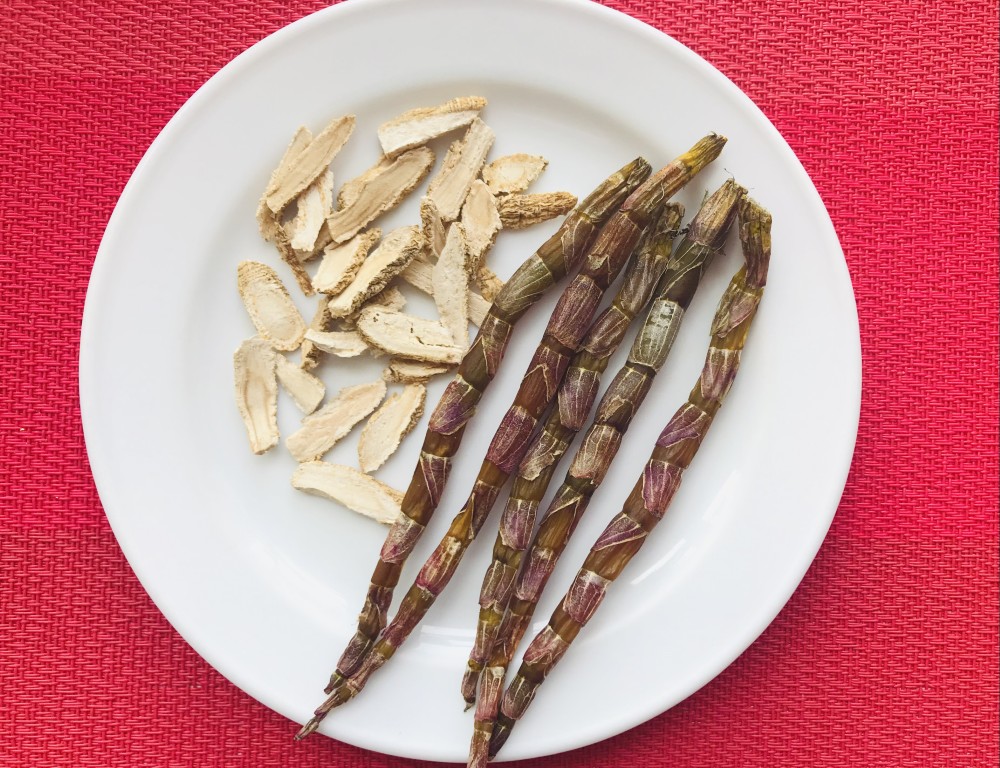
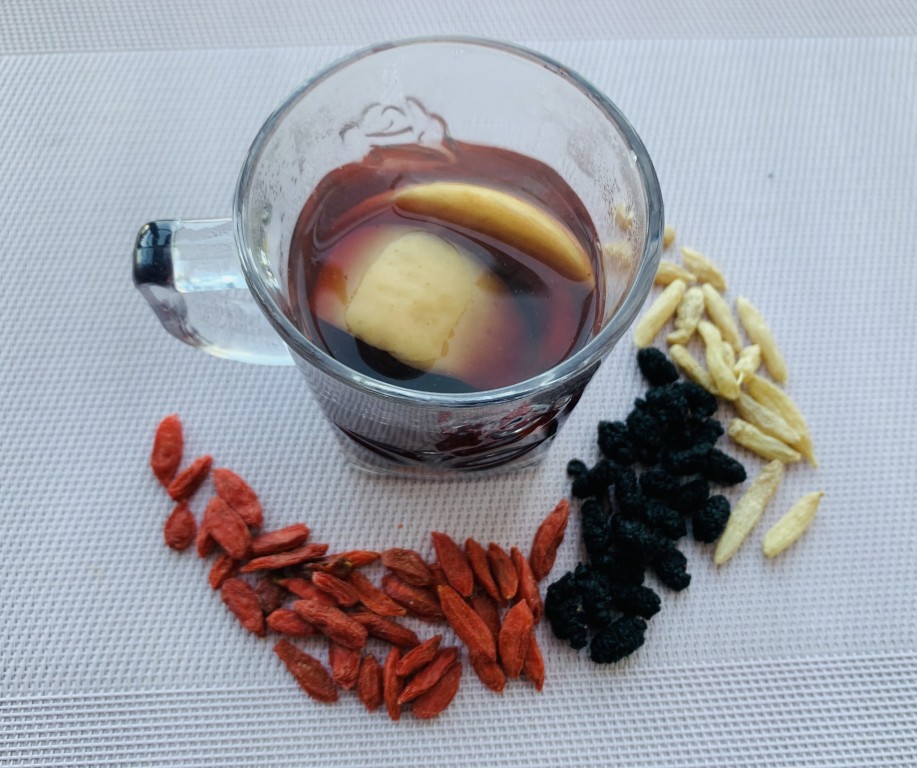
- Ophiopogon root (mai dong): A slightly cold, sweet root in the lily family; associated with nourishing yin, moistening the lungs, clearing heart heat, and generating body fluids. Research has noted antibacterial activity and an association with lowering blood lipids and cholesterol.
- Golden monk fruit (jin luo han guo): Low-temperature-roasted monk fruit, which retains the clean sweet flavour without the smoky notes of traditional preparation. Its sweetness comes from mogrosides (approximately 300 times sweeter than sugar by weight) which are not absorbed as glucose. Associated with clearing heat, moistening the lungs, and supporting blood sugar balance.
Ingredients (2 cups)
| Ingredient | Amount | Notes |
|---|---|---|
| Ophiopogon root (mai dong) | 1 tablespoon | ~6–8 g |
| Golden monk fruit | 1/6 of a fruit | Crush gently before brewing |
Method
- Gently crush the golden monk fruit piece.
- Place the monk fruit and ophiopogon root in a small pot or teapot.
- First rinse with a pour of boiling water, then discard this rinse water.
- Pour in fresh boiling water (approximately 400–500 ml) and steep for 15 minutes.
- Drink warm or at room temperature. Re-steep with more hot water until the flavour is spent.
- Alternatively, simmer over a low flame for 15 minutes for a slightly stronger brew.
Bro Niu’s tips
- Ophiopogon has traditional associations with inhibiting certain bacteria and with lowering blood lipids and cholesterol, making it a useful daily tea for many people.
- For yin-deficiency cough (dry cough, little or no phlegm), this tea is very helpful. Cold-and-wind coughs should not use it.
- In summer, if you are sweating heavily, try adding 3 qian (9 g) of five-flavour berry (wu wei zi) to the ophiopogon — the sour-sweet combination is associated with nourishing yin and reducing excessive sweating.
- Women during their period can drink this tea without concern.
Community questions answered (selected)
-
Q (Stephanie, reader): What is the difference between golden monk fruit and ordinary monk fruit? Bro Niu: Golden monk fruit is dried at low temperature, so it has none of the smoky flavour of conventionally dried monk fruit. Once brewed, the tea looks almost like plain rock-sugar water and has a clean, delicate sweetness — without raising blood sugar. Most Chinese herbal stores carry it now.
-
Q (Gigi, reader): Can this be boiled on a stove rather than steeped? And can it be drunk often given the high sweetness? Bro Niu: Yes, you can simmer it over a flame for 15 minutes. The sweetness comes from monk fruit’s natural mogrosides — using up to 1/4 of a fruit daily is no problem, even for regular use.
-
Q (reader, anonymous): Can this tea be drunk during the menstrual period? Bro Niu: Yes, this tea can be drunk during the period.
Published May 27, 2020 · Adapted and translated for Nourilo from a traditional home-kitchen recipe. Approx. 3 min read.