Soups
Huai Shan, Two Winters and Abalone Chicken Soup (Huai Shan Er Dong Bao Yu Ji Tang)
traditionally used to nourish yin, generate fluids, and support blood sugar management alongside medical care
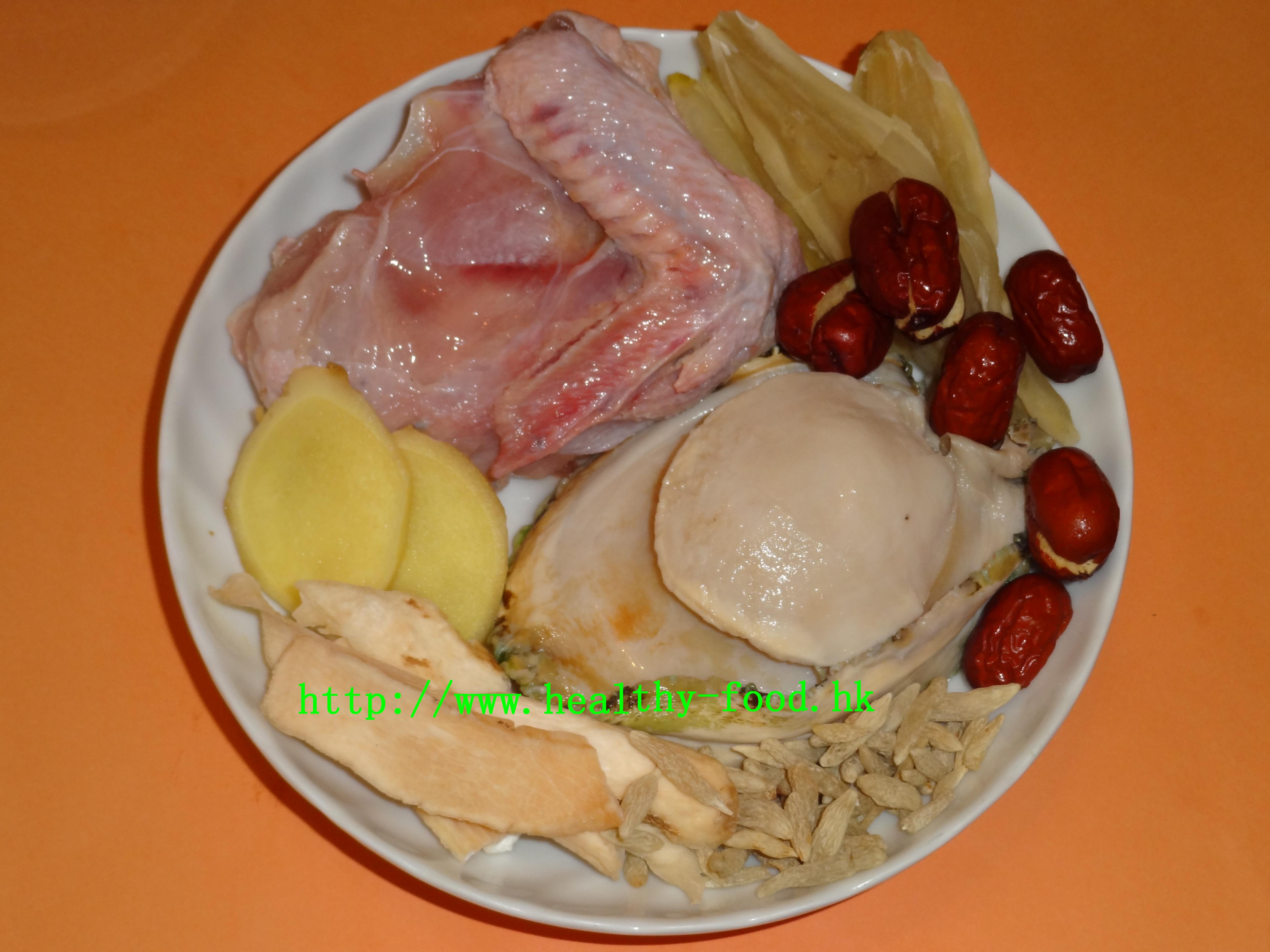
Why people make this soup
One of the most common patterns in traditional Chinese dietary guidance for diabetes is addressing “excessive stomach fire” combined with yin deficiency — the cluster of symptoms that includes persistent thirst, dry mouth and throat, fatigue, weight loss despite eating, and dry, hard stools. This beautiful soup brings together Chinese yam (a gentle blood-sugar-supporting food used for centuries), along with two classic yin-nourishing herbs — tian dong and mai dong — and the prized abalone, to create a dish that is both medicinal in tradition and genuinely delicious. Skinless chicken provides clean protein without excess fat. The whole family can enjoy this soup, not just those managing diabetes.
Who it suits / who should be cautious
- People with diabetes who present with symptoms of yin deficiency: persistent thirst, dry throat, fatigue, and tendency toward dryness.
- Also beneficial as a general nourishing soup for the whole family — brightens the eyes and moistens the skin.
- Those with active fever or runny nose should wait until they recover before drinking this soup.
- Tian dong is the more cooling of the two herbs; if you have a very cold constitution, consider reducing tian dong slightly and increasing mai dong.
Why these ingredients (the food-therapy logic)
- Chinese yam (huai shan): Sweet, neutral, and widely used in traditional cooking for both the spleen and the kidneys. Modern research has explored its polysaccharide content in the context of blood sugar; traditionally it is used to tonify qi and yin together, reduce excessive thirst, and support digestive absorption.
- Tian dong (asparagus tuber): Cool and sweet. Traditionally used to nourish kidney yin, clear deficiency heat, and moisten the lungs and intestines. Helpful for dry throat and constipation.
- Mai dong (ophiopogon root): Sweet and slightly cold. Nourishes stomach and lung yin, calms the heart, and relieves irritability and dryness. Works in close synergy with tian dong.
- Abalone (bao yu): Highly prized in Cantonese cooking and medicine alike. Associated with nourishing liver and kidney yin, calming liver yang, and brightening vision. The shell (shi jue ming) is used separately in Chinese medicine for eye and liver conditions.
- Silkie or free-range chicken (skinless): Provides clean protein and qi-tonifying action without the heating effect of conventional broiler chicken.
Ingredients (4 bowls / serves 3–4)
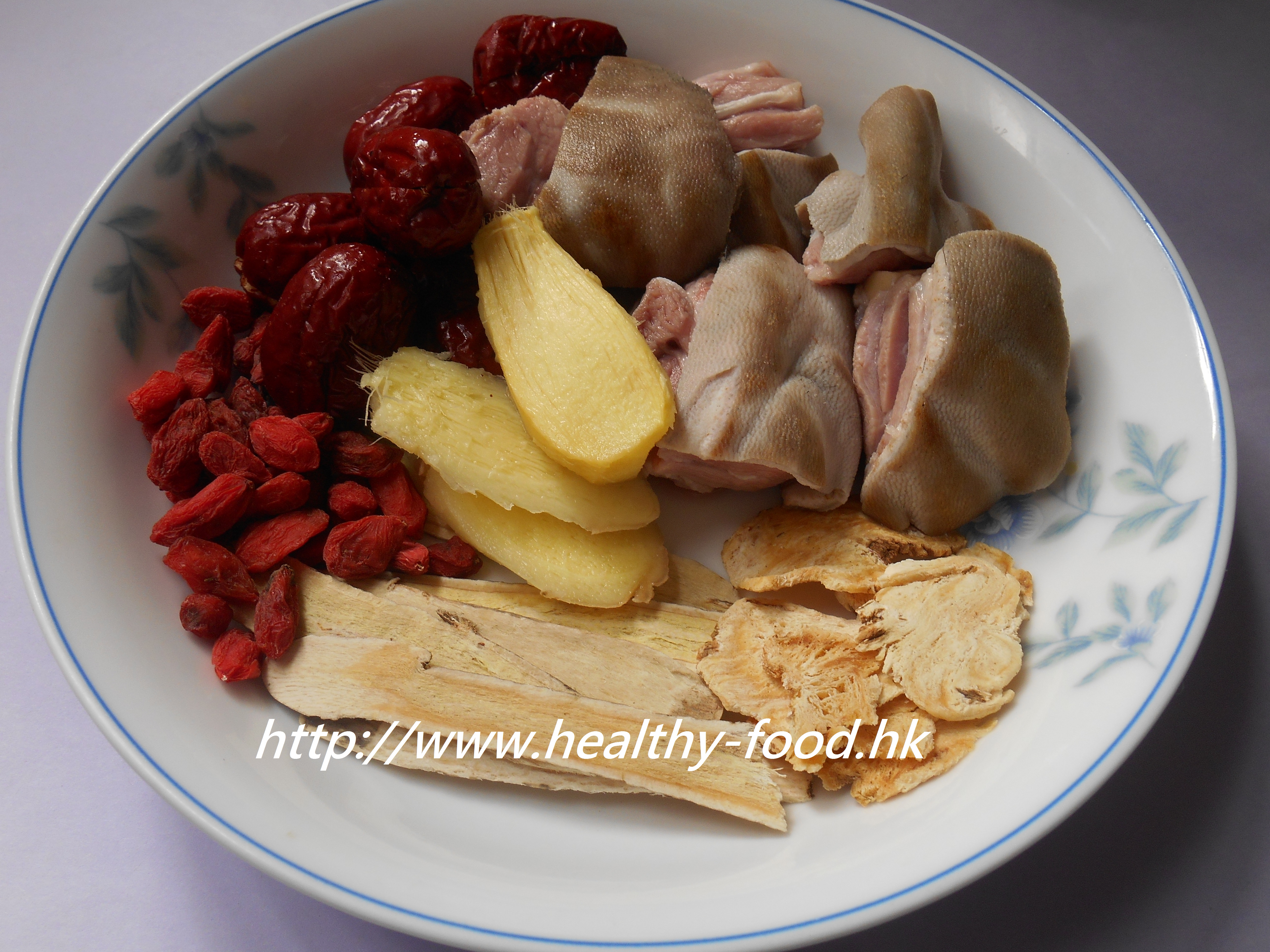
| Ingredient | Amount | Notes |
|---|---|---|
| Chinese yam (huai shan) | 37 g (1 liang) | Dried slices, rinsed |
| Asparagus tuber (tian dong) | 37 g (1 liang) | Rinsed |
| Ophiopogon root (mai dong) | 37 g (1 liang) | Rinsed; no need to remove the small central fiber for home use |
| Fresh ginger | 3 slices | |
| Red dates | a few | |
| Chicken (skin removed) | half a chicken | Blanched to remove impurities |
| Fresh or frozen abalone | 1 piece | Intestinal tract removed, rinsed, blanched briefly |
Method
- Remove the intestinal tract from the abalone, rinse, and blanch briefly in boiling water. Set aside.
- Blanch the skinless chicken in boiling water for a few minutes to remove impurities; discard blanching water. Rinse.
- Rinse and soak all dried herbs (huai shan, tian dong, mai dong, dates) briefly.
- Place all ingredients in a large pot and add 8 bowls (about 2 liters) of cold water.
- Bring to a boil, then reduce to a gentle simmer and cook for about 2 hours, until the soup has reduced to approximately 4 bowls.
- Serve the soup and enjoy the chicken and abalone to taste. Season lightly with salt if desired.
Bro Niu’s tips
If you cannot find frozen fresh abalone (ji dong qing bian bao), substitute with 5–6 small fresh nine-hole abalone (jiu kong bao), or use dried conch (xiang luo gan) or fresh fish instead. This soup also has a beautiful effect on the skin and eyes — it is genuinely lovely for the whole family, not only those managing blood sugar. Mai dong does not need to have the tiny central fiber removed for home cooking; that practice was historically debated even in classical texts.
Community questions answered (selected)
-
Q (Babi): Can pregnant women drink this soup? What is the difference between tian dong and mai dong? Bro Niu: Pregnant women can drink this soup. Both tian dong and mai dong nourish yin and moisten dryness, but mai dong also calms the heart and nourishes the stomach; tian dong nourishes the kidneys more deeply and is slightly more cooling. That is why they are often used together.
-
Q (reader, Zeng B Mum): If I don’t use abalone, what can I substitute? Bro Niu: You can replace the abalone with dried conch (xiang luo gan), frog legs (tian ji), or fresh fish — all work well in this soup.
-
Q (reader): Can corn and carrot soup be given to both adults and children? Is corn cooling? Bro Niu: Corn and carrot soup is suitable for both adults and children — it is not cooling. (Note: corn with its silk — mai xu — is particularly associated with supporting blood sugar balance in traditional practice.)
Published April 30, 2012 · Adapted and translated for Nourilo from a traditional home-kitchen recipe. Approx. 4 min read.