Soups
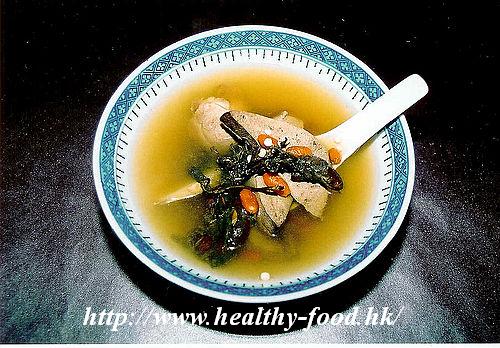
Night-Blooming Jasmine Flower Pork Liver and Lean Pork Soup
traditionally used to nourish the liver, support clear vision, and ease eye inflammation
Why people make this soup
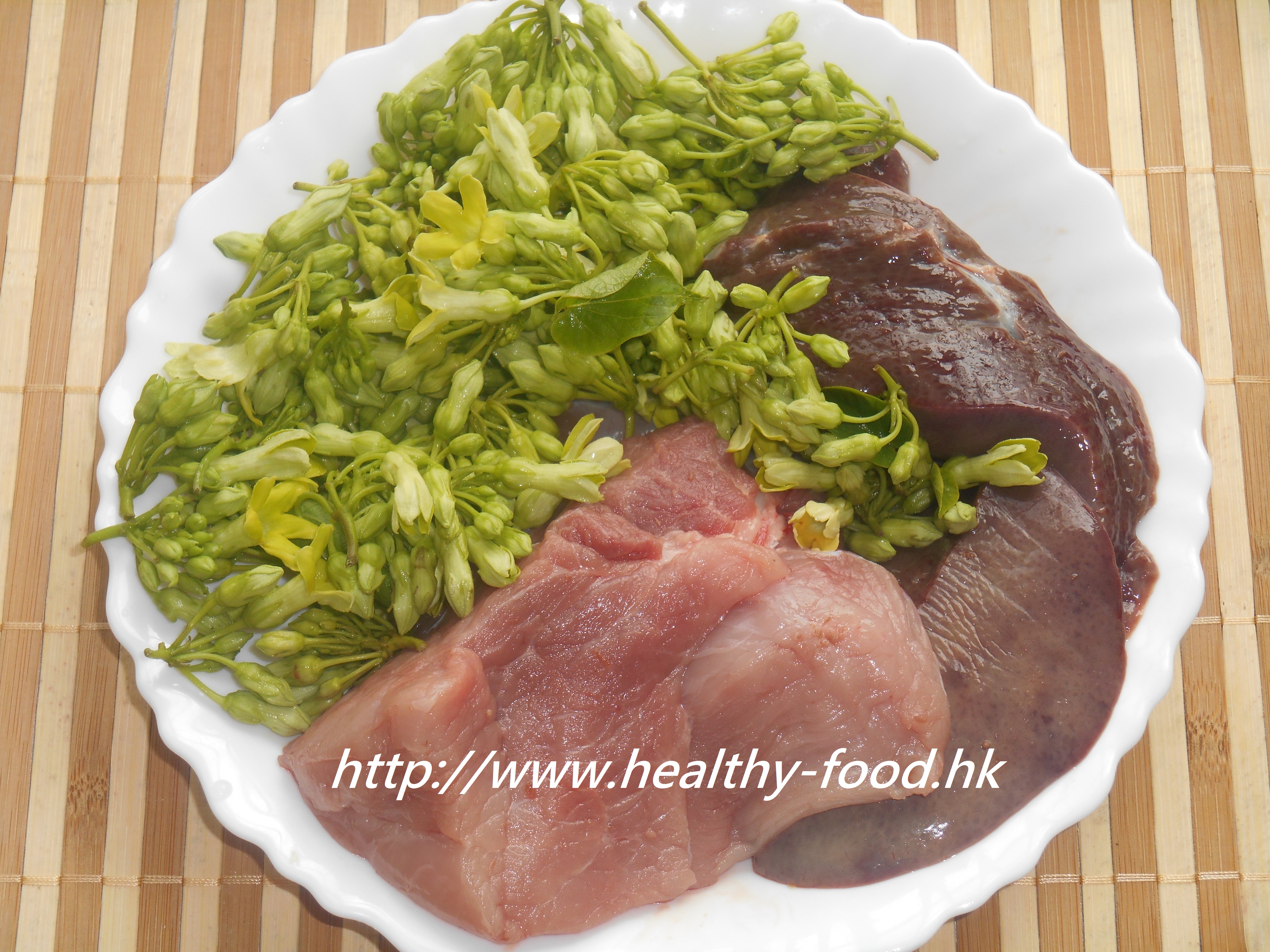
In Chinese food therapy, flowers in general are associated with liver-calming and vision-supporting properties, and night-blooming jasmine (ye xiang hua) is particularly valued. This fragrant climbing vine flower is warm in nature — meaning people with a cold constitution can enjoy it without worry, unlike many liver-calming ingredients that are cooling. It is traditionally used to help with both acute and chronic eye inflammation (conjunctivitis), and the combination with pork liver makes a soup that smells and tastes far more interesting than its simple ingredient list suggests. That kind of cooking — fragrant, comforting, and genuinely nourishing — is exactly what traditional food therapy is about.
Who it suits / who should be cautious
- Suited for most adults, including those with a tendency toward cold, as the flowers are warming in nature.
- Particularly helpful for those who spend long hours in front of screens, experience redness or discharge from the eyes, or are recovering from mild eye inflammation.
- Fresh pork liver is a rich source of iron and vitamin A, which supports eye health from a nutritional standpoint as well. However, those who are advised to limit organ meats for cholesterol reasons should use a smaller portion or substitute with extra lean pork.
Why these ingredients (the food-therapy logic)
- Night-blooming jasmine (ye xiang hua / Telosma cordata): Traditionally described as warming in nature, this fragrant climbing vine flower is used to clear liver heat, brighten vision, and dispel the clouding of the eye (mo). Its warm nature makes it more broadly applicable than cooler vision-supporting herbs.
- Pork liver (zhu gan): In Chinese food therapy, the liver of an animal is used to nourish the human liver — a principle sometimes called “eating like to support like.” Pork liver is also one of the highest natural sources of vitamin A and iron, both important for vision and blood health.
- Fresh ginger (sheng jiang): Adds warmth, removes any strong organ-meat odour, and helps the digestive system process the richness of the liver.
Ingredients (2–3 servings)
| Ingredient | Amount | Notes |
|---|---|---|
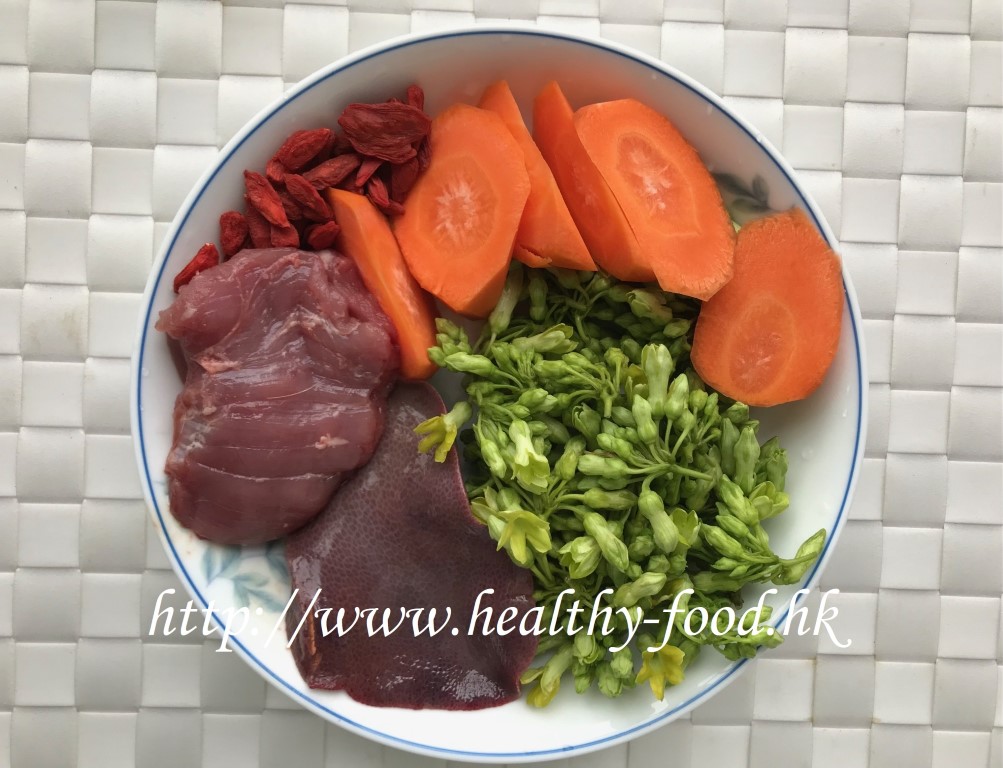
| Night-blooming jasmine flowers | ~115 g (3 liang) | Soak in lightly salted water before using |
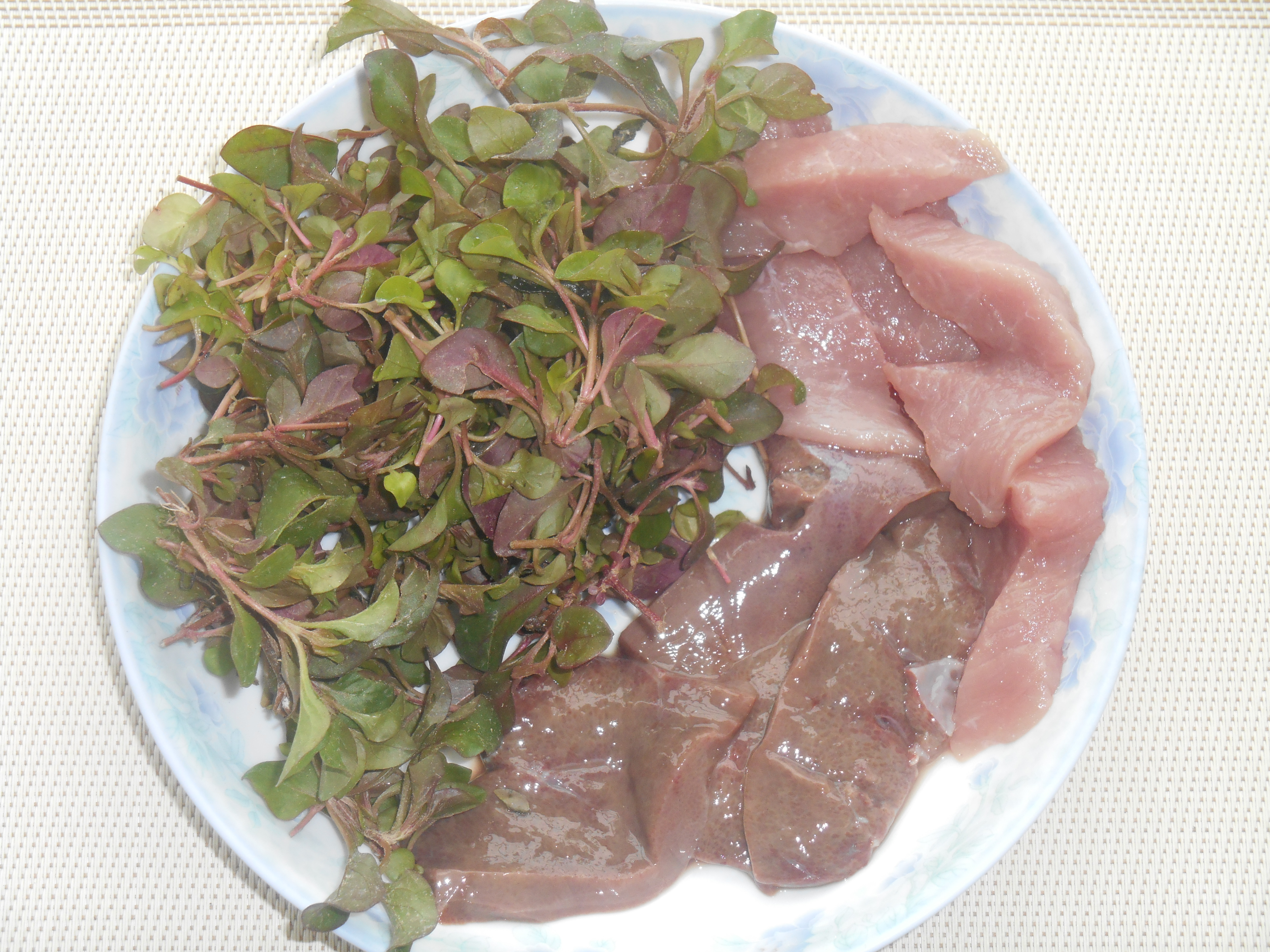
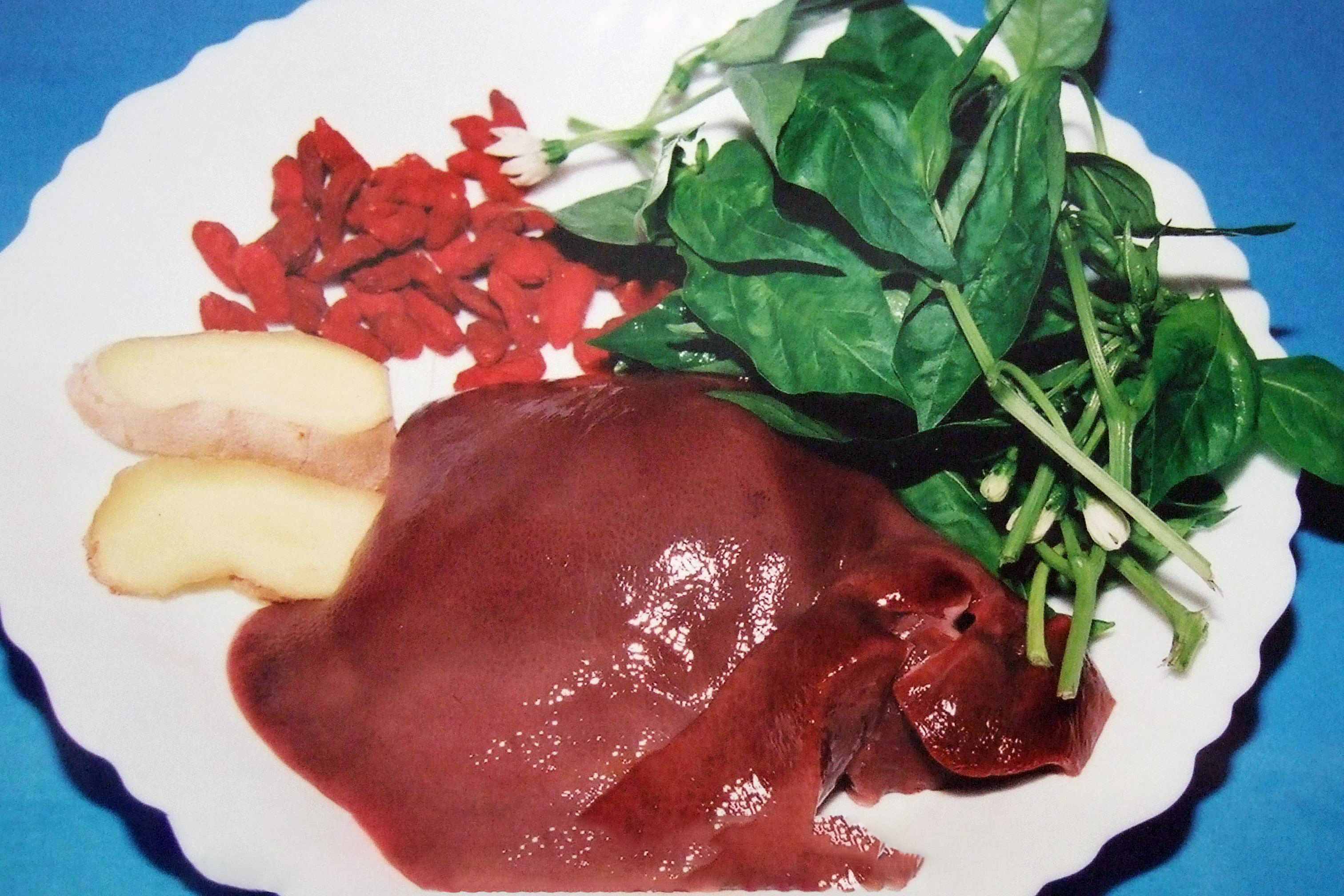
| Pork liver | ~100–150 g | Soak in lightly salted water 30 min, slice thin |
| Lean pork | ~100 g | Slice thin |
| Fresh ginger | 2 slices | |
| Salt, seasoning | To taste | |
| Water | 5 bowls (~1 L) |
Method
- Soak the night-blooming jasmine flowers in lightly salted water for a few minutes — this draws out any small insects hiding inside the buds. Rinse and drain.
- Soak the pork liver in lightly salted water for about 30 minutes to draw out blood, then rinse clean and slice thinly. Slice the lean pork thinly as well.
- Bring 5 bowls of water to a rolling boil. Add the pork liver and lean pork slices and return to a boil.
- Add the night-blooming jasmine flowers and continue to boil for about 5 minutes.
- Season with salt, and serve the soup with all the ingredients.
Bro Niu’s tips
When buying night-blooming jasmine, choose buds that are large and still closed (not yet open) — these are considered to have a stronger fragrance and more nourishing properties. The flowers are versatile: they also work well stir-fried with egg, cooked in a meat-slice stir-fry, or mixed into noodle broth. The brief soak in salted water is important to expel any tiny insects that may have taken up residence in the tight flower buds. Night-blooming jasmine is available at Chinese or Asian grocers when in season.
Community questions answered (selected)
-
Q (Kit): My eyes have been producing discharge and feeling a bit itchy lately. How can I improve this? Bro Niu: You can brew a tea with honeysuckle (jin yin hua) and chrysanthemum (ju hua). Alternatively, simmer 1 liang (30 g) of prunella vulgaris (xia ku cao) with 3 qian (9 g) of chrysanthemum and some rock sugar in 5 bowls of water, reduced to 2 bowls. This has the effect of clearing liver heat and reducing eye cloudiness. Take for 3 consecutive doses.
-
Q (kei): I am over 40 and have noticed my vision and presbyopia worsening quite significantly in recent years. Is there anything that can help? Bro Niu: (Note: Bro Niu’s response referred to a different query at the time, but for age-related vision concerns he consistently recommends:) Black goji berries (hei gou qi zi) contain a very high concentration of anthocyanins that support the retinal cells and can be beneficial for vision. Brew them as a tea, using about 1 tablespoon per serving, and eat the berries after steeping — that is where the benefit lies. For macular degeneration or serious vision changes, please see an ophthalmologist.
Published June 13, 2015 · Adapted and translated for Nourilo from a traditional home-kitchen recipe. Approx. 4 min read.