Soups
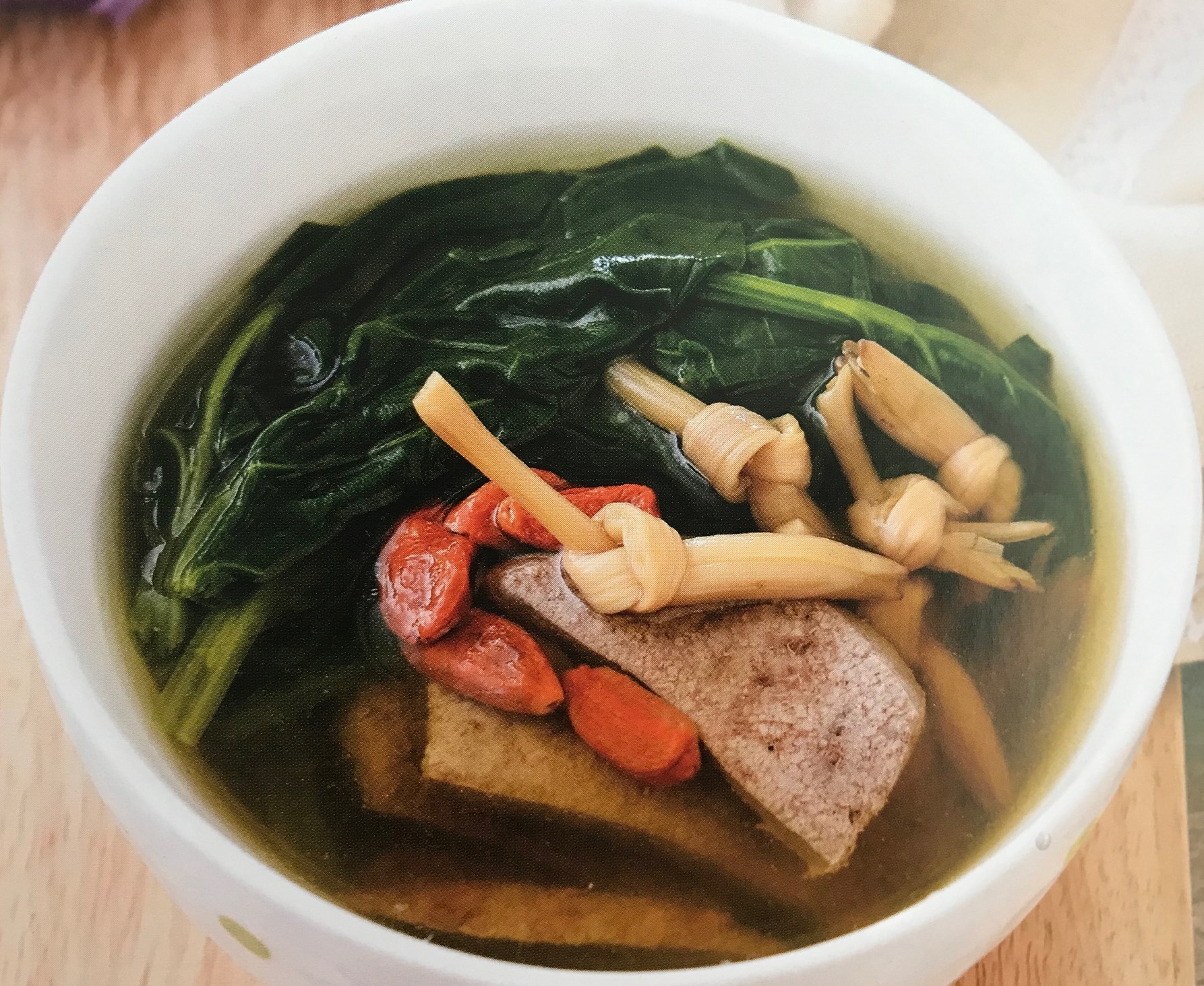
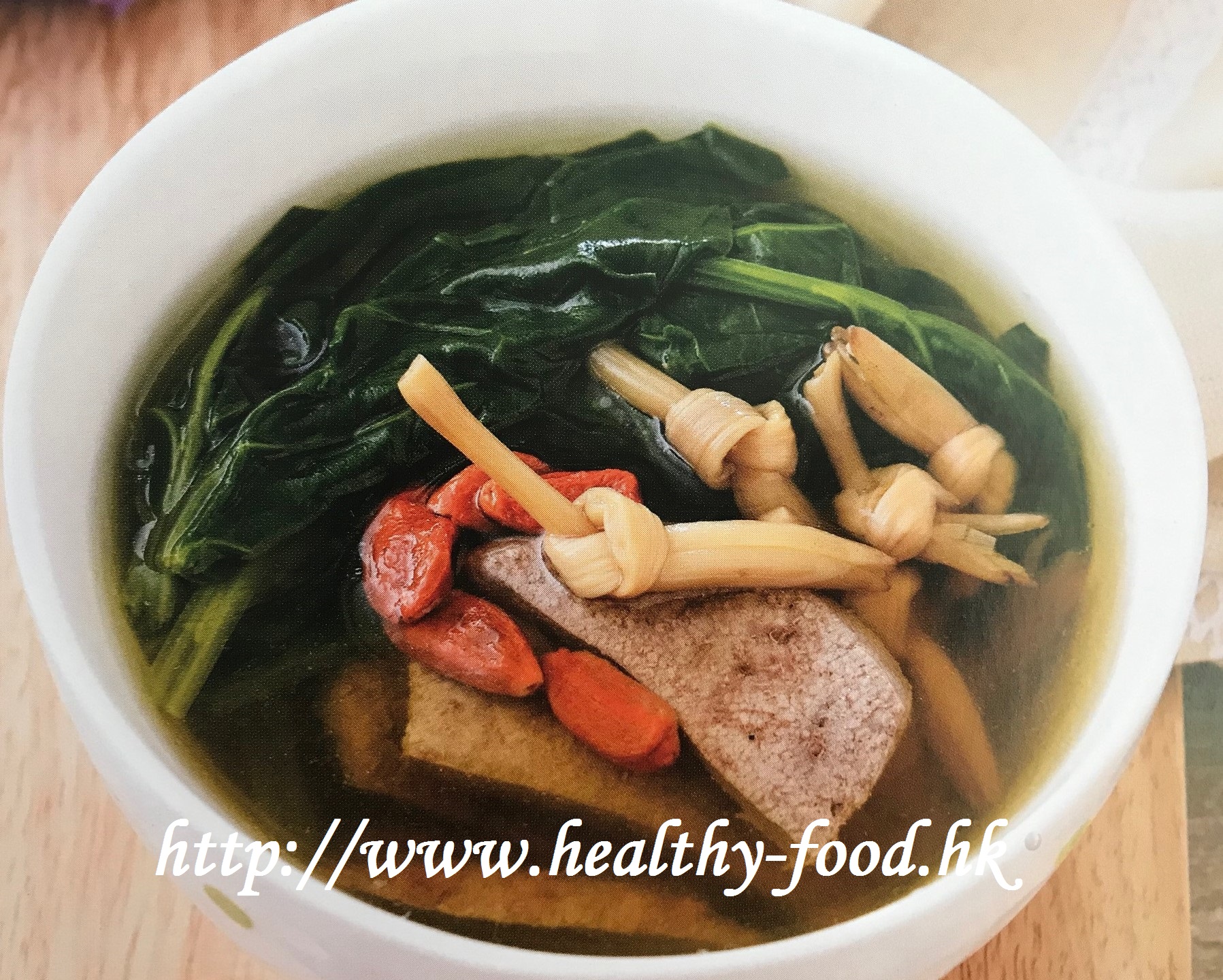
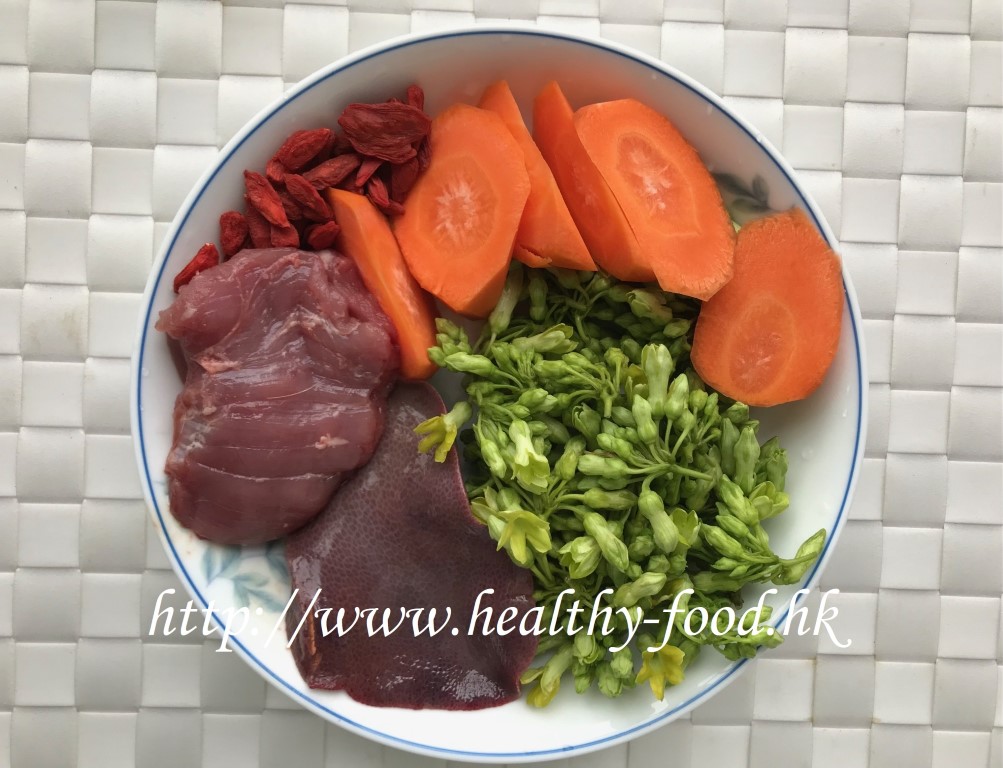
Night Jasmine, Wolfberry, Carrot and Pork Liver Soup
traditionally associated with nourishing the liver, supporting eye health and freshening the breath
Why people make this soup
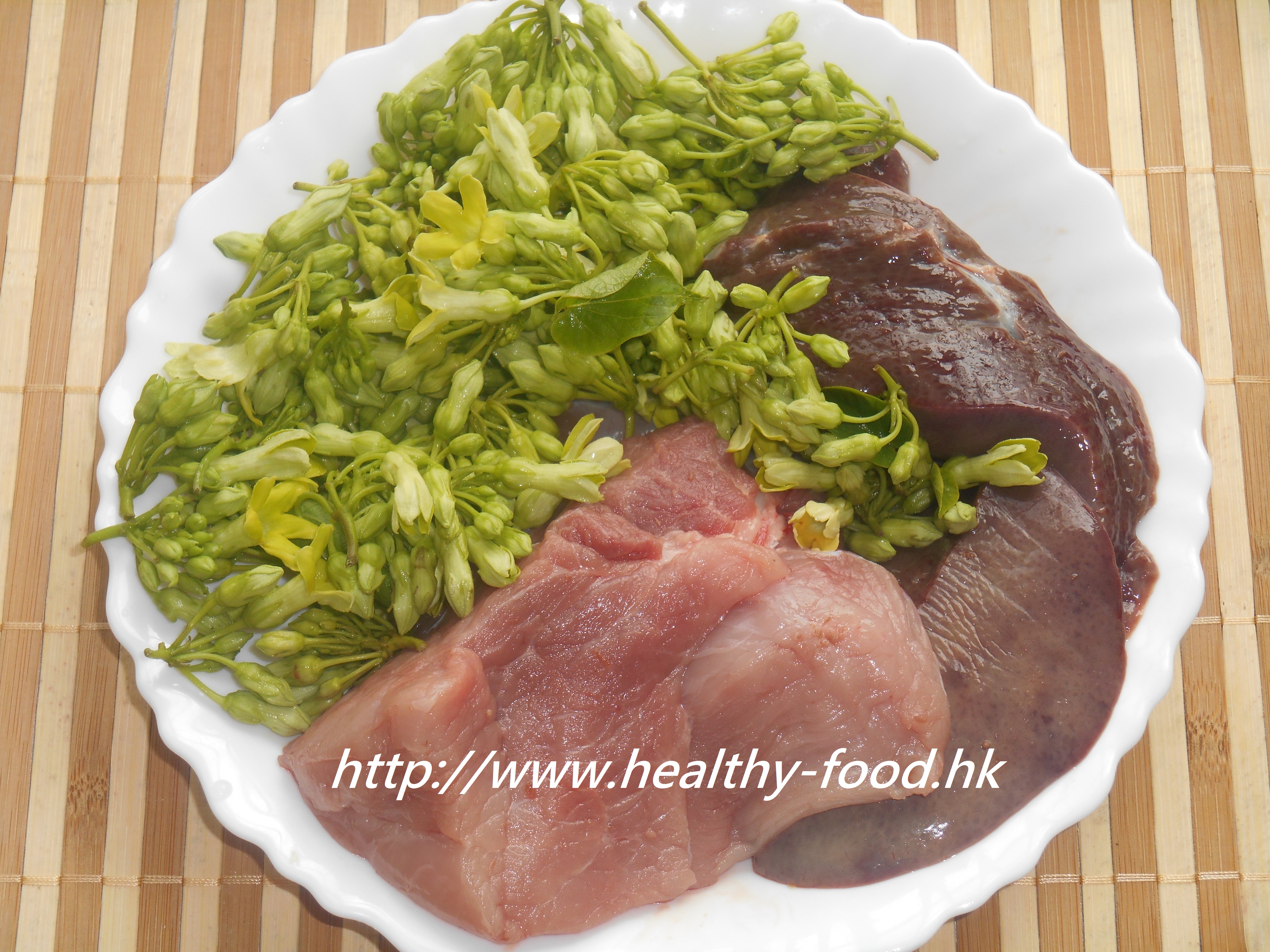
Night jasmine (ye xiang hua) is a climbing vine with highly fragrant flowers, available at Chinese or Asian grocers in small boxes or bundles. The flower buds — especially the plump, tightly closed ones that have not yet opened — have a delicate aroma and a pleasant taste whether simmered in broth or stir-fried with egg. In traditional food therapy, the plant is considered helpful for clearing stagnation from the liver and improving the eyes. Combined with wolfberries and carrot (both long associated with eye health in both Eastern and Western nutrition), and bolstered by pork liver which is genuinely rich in vitamin A and iron, this soup quietly delivers a concentrated dose of nutrients in a very drinkable, pleasant-tasting form. The bonus benefit: it is traditionally said to freshen breath and clear that stale taste people sometimes notice after long hours in a mask.
Who it suits / who should be cautious
- Suitable for most adults and older children; light and easy to digest
- Those who spend long hours on screens or under artificial light, or who experience tired or dry eyes, may find this soup particularly worthwhile
- People prone to depression, rib-area tension or qi stagnation may benefit from the night jasmine’s traditional circulation-supporting properties
- Those with gout should be aware that organ meats are moderately high in purines; enjoy in moderation
- Pregnant women should consult their doctor about pork liver intake (high vitamin A content); moderate amounts in soup are generally considered acceptable
Why these ingredients (the food-therapy logic)
- Night jasmine buds (ye xiang hua): Neutral in nature, mildly sweet; traditionally considered to clear the liver and support vision; folk medicine also attributes mild pain-relieving and blood-circulating properties to the plant
- Wolfberries (gou qi zi): One of the best-known Cantonese food-therapy ingredients for the eyes; associated with nourishing liver and kidney yin and brightening vision
- Carrot (gan sun / hong luo bo): Rich in beta-carotene (a vitamin A precursor); traditionally used to clear heat and support the eyes
- Pork liver (zhu gan): Nutritionally dense in vitamin A and iron; in food-therapy thinking, “like nourishes like” — liver foods are associated with supporting the liver organ
Ingredients (4–6 servings)
| Ingredient | Amount | Notes |
|---|---|---|
| Night jasmine buds (ye xiang hua) | ~113 g (3 liang) | Choose plump, closed buds; rinse gently |
| Wolfberries (gou qi zi) | ~11 g (3 qian) | Soak briefly to rinse; add early in cooking |
| Carrot (gan sun) | 1 medium | Peel and slice |
| Pork liver | ~150 g or to taste | Slice thinly; rinse well |
| Lean pork | ~100 g or to taste | Slice thinly |
| Water | 6 bowls (~1.5 L) |
Method
- Rinse the night jasmine buds gently and set aside.
- Briefly soak and rinse the wolfberries.
- Peel the carrot and cut into thin slices.
- Slice both the pork liver and lean pork into thin pieces; rinse the liver well under running water.
- Bring 6 bowls of water to a rolling boil. Add the pork liver, lean pork and wolfberries. Cook at a lively simmer for about 15 minutes.
- Add the night jasmine buds and carrot slices. Continue cooking for a further 4–5 minutes until the flowers are just tender.
- Serve immediately. Eat the broth and all the solid ingredients together.
Bro Niu’s tips
For the best result, choose night jasmine buds that are plump and have not yet opened — these have the most fragrance and the best texture. If you can only find fully opened flowers, they still work, but the flavour is lighter. Folk tradition associates night jasmine with calming emotional restlessness and easing rib-area tension — so if you have been feeling a bit flat or knotted inside, this soup might be a gentle way to address that alongside its more well-known eye-supporting benefits.
Community questions answered (selected)
-
Q (Kiwi): Can a pregnant woman drink this soup? I wake up every morning with very bad breath and a bitter taste in my mouth. Bro Niu: During pregnancy, it is better to use a different soup for that issue. Try a soup with soybean sprouts, snow fungus, tofu and dried oysters — use whatever amounts seem right, and the whole family can drink it. It helps clear heat from the lungs and stomach, nourishes yin and reduces fire, and is beneficial for both the mother and baby.
-
Q (May): My 8-year-old son has evening nasal allergy symptoms before sleep — he keeps sniffling. Once he is asleep, his breathing is fine. Is there a food-therapy remedy? Bro Niu: You can crush 6–8 magnolia buds (xin yi hua) and steep them as a tea for your son. Add a little honey to improve the flavour. Drink it about 2 hours before bed. Try three consecutive servings and see if it helps.
Published April 19, 2022 · Adapted and translated for Nourilo from a traditional home-kitchen recipe. Approx. 4 min read.