Soups
Mung Bean & Seaweed Soup
Traditionally associated with reducing internal heat, supporting cholesterol balance, and aiding weight management
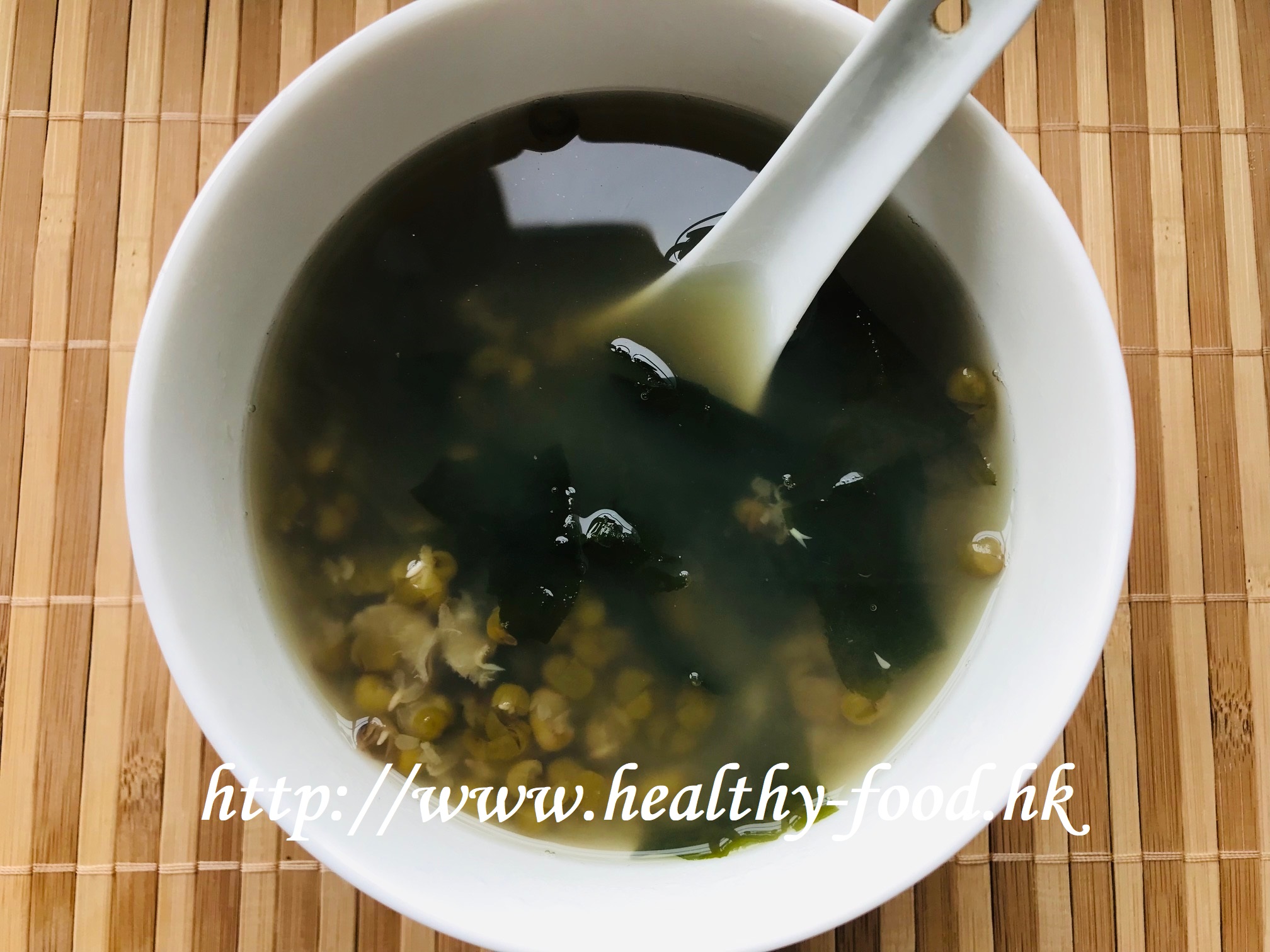
Why people make this soup
Seaweed is one of those superfoods hiding in plain sight at the supermarket — you can grab a packet, toss a small handful into a soup or noodle dish, and you have quietly added a wealth of vitamins and minerals to your meal. Seaweed comes in many forms (kelp, wakame, hijiki, large-leaf or small-leaf varieties, spirulina), and all of them share certain qualities: they are rich in natural iodine, B12, vitamins C and E, and minerals like calcium, iron, and potassium. Researchers have been looking into the special polysaccharides in seaweed that seem to have immune-supporting and antioxidant properties.
Paired with mung beans — a staple of Chinese medicinal cooking for clearing heat and supporting liver function — this soup is about as simple and approachable as food therapy gets. It is traditionally considered a good choice for people who have been overdoing the spicy food or barbecue, those dealing with constipation, or anyone who wants a regular, gentle nudge toward better cholesterol numbers and cleaner blood. In spring especially, Bro Niu recommends eating more green foods as part of liver-care seasonal cooking.
Who it suits / who should be cautious
- People with a tendency toward internal heat — oily skin, constipation, or discomfort after heavy, spicy, or fried food
- Those looking for a regular, low-effort soup to support healthy cholesterol levels
- People with high blood pressure or a history of cardiovascular concerns who want gentle dietary support
- Caution: Mung beans are cooling in nature. Those with a cold constitution, weak digestion, or a tendency toward loose stools should have this soup less frequently and in smaller amounts. Not recommended as a daily staple for those with a weak stomach.
Why these ingredients (the food-therapy logic)
- Mung beans (lu dou): One of the most used cooling ingredients in Chinese food therapy; their polysaccharides are associated with supporting blood lipid balance, and they are traditionally used to help the body clear food-related toxins (including certain pesticide residues and heavy metal accumulation over time)
- Dried seaweed (hai zao): Contains special polysaccharides, iodine, antioxidant vitamins, and plant-based minerals; traditionally associated with clearing heat, dissolving phlegm, and supporting cardiovascular health; the many varieties of sea algae share broadly similar properties
- Rock sugar (bing tang): Added for sweetness and to balance the cooling nature of both main ingredients; use just enough to taste pleasant
Ingredients (3–4 bowls)
| Ingredient | Amount | Notes |
|---|---|---|
| Mung beans | ~75 g (2 liang) | Soaked and rinsed |
| Dried seaweed | 1 small handful | Rinsed briefly under cold water |
| Rock sugar | To taste | Add near the end |
| Water | 6 bowls (~1.2 L) |
Method
- Soak and rinse the mung beans; rinse the dried seaweed quickly under cold water.
- Add 6 bowls of water and the mung beans to a pot. Bring to a boil, then reduce to a low simmer and cook for about 1 hour, until the mung beans are soft and beginning to break apart.
- Add the rock sugar and seaweed. Stir until the sugar has dissolved, then cook for another 2–3 minutes.
- Taste, adjust sweetness, and serve warm or at room temperature.
Bro Niu’s tips
This soup is also traditionally thought to help the body cope with certain food-related toxins, including alcohol. It is particularly beneficial for people with a tendency toward constipation, those who are overweight, and anyone managing elevated cholesterol or blood lipids. Those with habitually cold or weak digestion should keep portions modest. If you would like this as a savoury soup rather than a sweet one, simply omit the rock sugar and pair it with a main meal.
Community questions answered (selected)
-
Q (Polly / reader): People often say women should not eat mung beans, but I slept much better after having them in soup. Can I keep making seaweed and mung bean soup, or should I space it out? Bro Niu: Mung beans cool the blood but do not cause blood deficiency — they are perfectly fine in moderate amounts during summer. Aim for about three times a week.
-
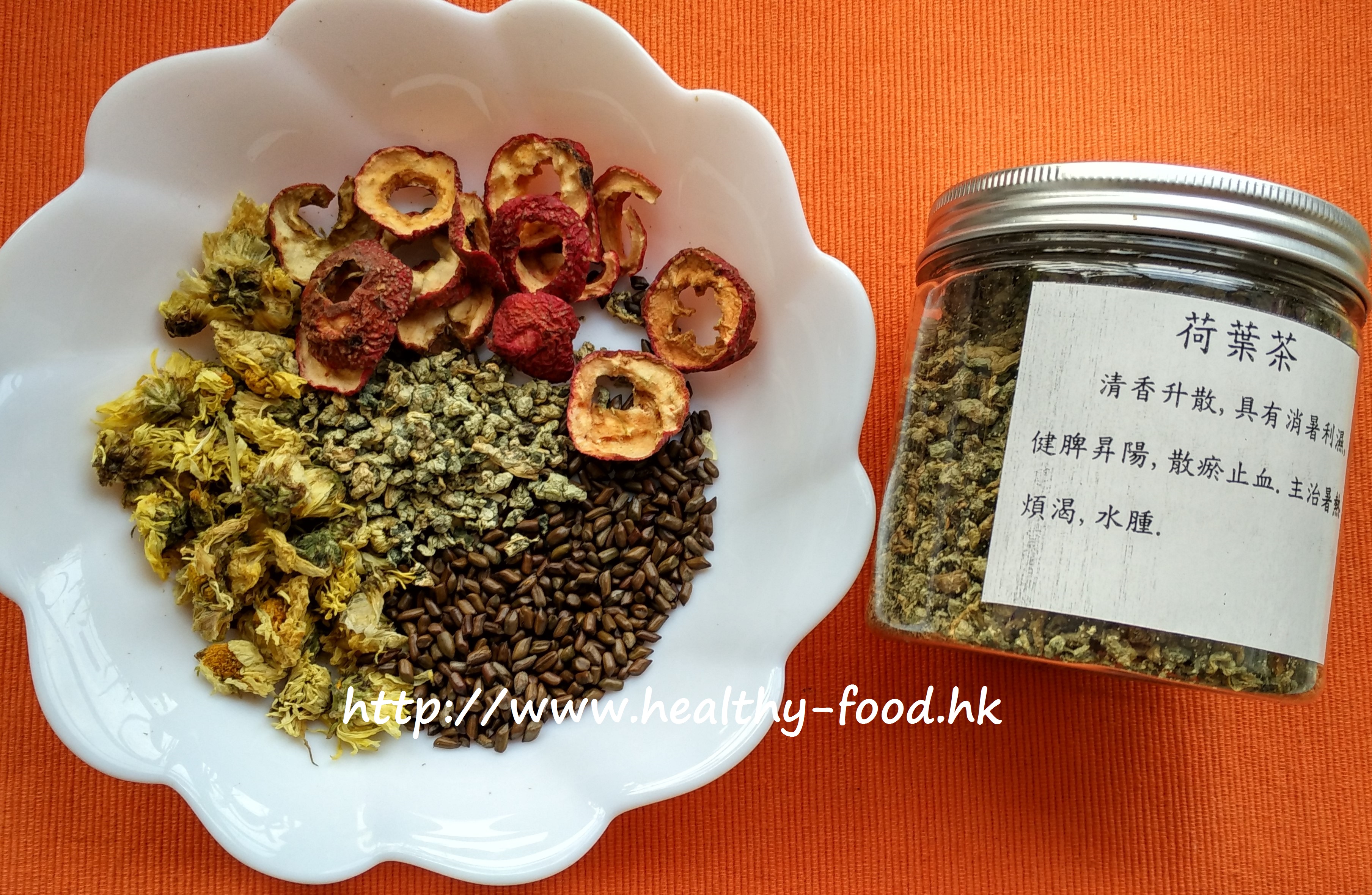
Q (Crystal / reader): My health check showed borderline high blood pressure and early-stage fatty liver. Is there a herbal tea or soup that can help? Bro Niu: Try putting hawthorn berries (shan zha), roasted cassia seeds (chao jue ming zi), and chrysanthemum into a tea bag, steep one bag daily in hot water, and keep refilling until the flavour fades. One month of this should show some improvement.
Published December 28, 2021 · Adapted and translated for Nourilo from a traditional home-kitchen recipe. Approx. 4 min read.