Herbal & Flower Teas
Hawthorn Cassia Chrysanthemum Lotus Leaf Tea
traditionally used to support liver health, manage weight, and assist with high cholesterol and blood-sugar balance
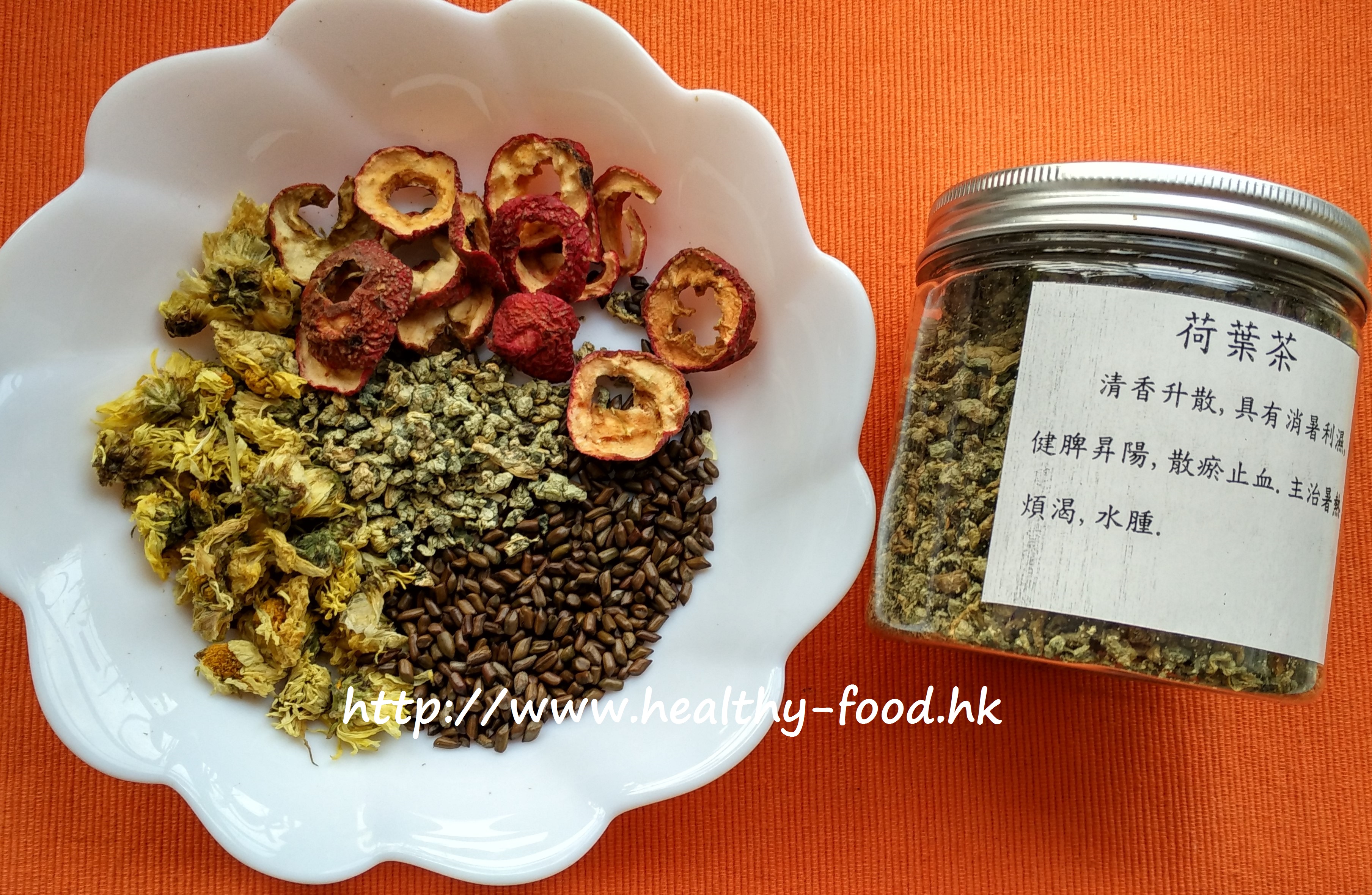
Why people make this tea
Fatty liver has become one of the most common liver conditions in modern life. The non-alcoholic form is closely linked to excess weight, diabetes, and metabolic imbalances; research suggests roughly one in three middle-aged adults may have some degree of it. It often goes unnoticed, though fatigue and a vague discomfort around the liver area are sometimes reported. While lifestyle changes — more movement, a lighter diet, reaching a healthy weight — remain the foundation of managing fatty liver, Bro Niu recommends this simple daily tea as a practical dietary support for people who are also working on those lifestyle changes. The four-ingredient blend is specifically chosen for those with obesity, elevated triglycerides/cholesterol/blood sugar, or confirmed non-alcoholic fatty liver.
Who it suits / who should be cautious
- Suited to adults with non-alcoholic fatty liver, excess weight, elevated blood cholesterol, triglycerides, or blood sugar.
- Best enjoyed as an afternoon tea.
- People with a cold constitution (always chilly, prone to loose stools) should modify: Bro Niu notes chrysanthemum and lotus leaf are cooling in nature and may not suit everyone. In that case, use hawthorn and toasted cassia seed with a piece of dried tangerine peel (chen pi) instead.
- Chrysanthemum and lotus leaf are cooling — those with weak, cold digestion or sensitivity to cold foods should take care.
Why these ingredients (the food-therapy logic)
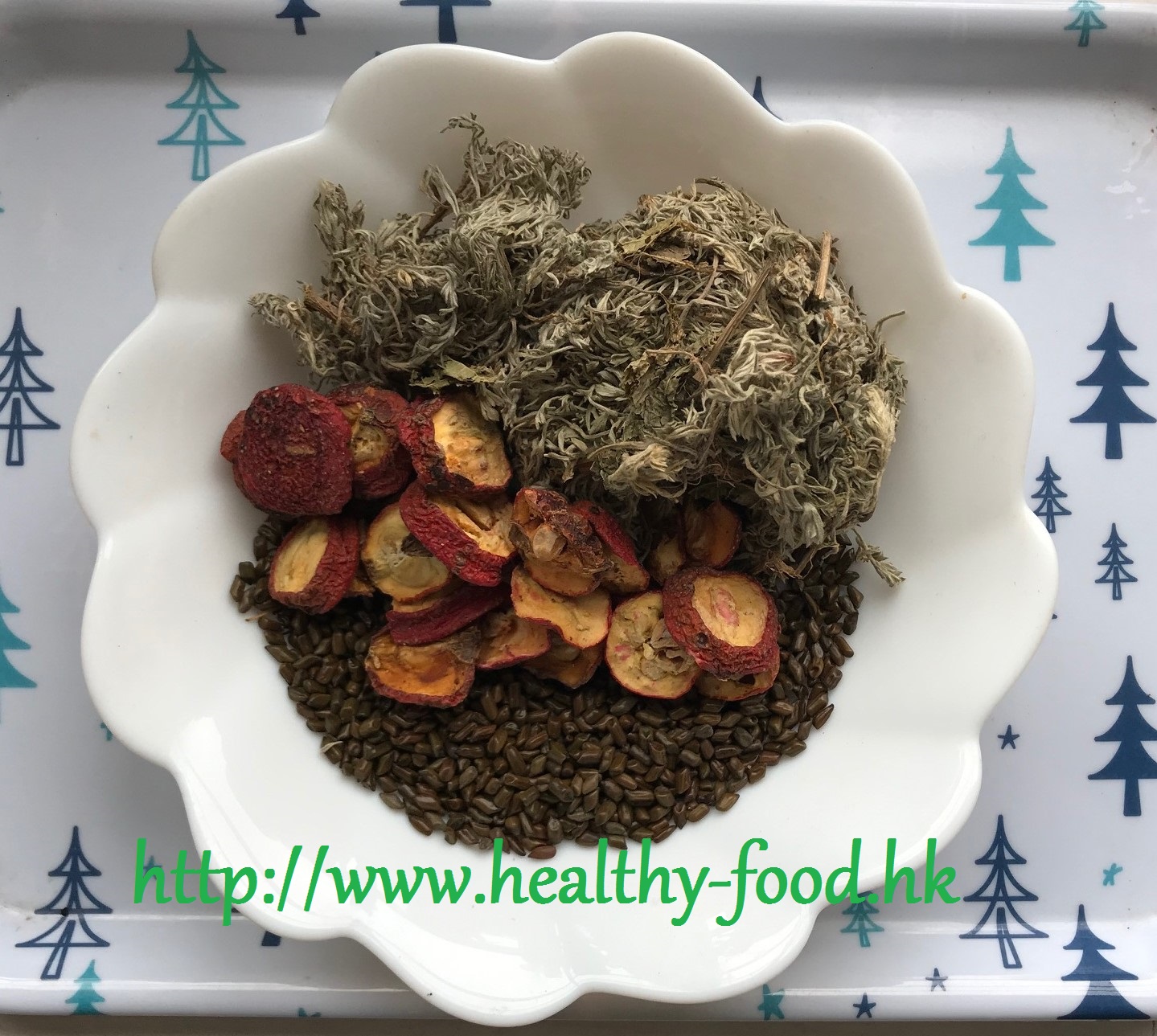
- Hawthorn berries (shan zha): One of the most widely used food-therapy ingredients for digestive and cardiovascular wellness. Traditionally associated with dissolving food stagnation (especially after fatty meals), supporting fat digestion, and promoting circulation. Northern hawthorn (bei shan zha) is generally considered stronger in effect.
- Cassia seeds (jue ming zi): Traditionally considered to clear liver heat, support vision, and promote bowel regularity. Dry-roasting them in a pan beforehand makes them easier to steep and releases their flavour more readily. They are one of the most studied Chinese herbs for cholesterol-related concerns.
- Chrysanthemum (ju hua): A classic cooling herb associated with clearing liver heat, calming eye strain, and relieving headaches. Pairs well with cassia for liver-related support.
- Lotus leaf (he ye): The same ingredient used in the summer heat soup — here applied for its traditional association with dispersing stagnant fat, supporting digestion, and assisting with weight management.
Ingredients (1 pot, refillable)
| Ingredient | Amount | Notes |
|---|---|---|
| Hawthorn berries (shan zha) | 1 tablespoon | |
| Dry-roasted cassia seeds (chao jue ming zi) | 1 tablespoon | Toast in a dry pan first if buying raw |
| Dried chrysanthemum flowers (ju hua) | 1 tablespoon | |
| Dried lotus leaf pieces (he ye) | 1 tablespoon | Or about 1 tablespoon shredded dried lotus leaf |
Method
- Place all four ingredients in a teapot or large mug.
- First, pour in a splash of hot boiling water, swirl briefly, and discard — this rinse washes away any dust or impurities.
- Add fresh boiling water and allow to steep for 10 minutes before drinking.
- Refill with hot water and continue steeping until the flavour is fully spent.
- Enjoy 3–5 times per week as an afternoon tea.
Bro Niu’s tips
For best results with the cassia seeds, dry-toast them in a clean, oil-free pan for about 7 minutes before storing. Once toasted, keep them in a jar and use directly — they steep much more easily and the flavour is richer. Bro Niu’s preferred lotus leaf for this tea is the pre-toasted shredded version sold in herb shops, which brews up fragrant and clear. If you only have untoasted dried lotus leaf from a pharmacy, shred it finely before use.
Community questions answered (selected)
-
Q (Apple): Bro Niu, my husband has fatty liver and also gout — is there a soup or tea that helps both? Bro Niu: For gout, you can try simmering fresh green papaya with a pinch of green tea leaves and pure coconut water in a double-boiler for an hour — drink 4–5 servings. For the fatty liver, keep using hawthorn, toasted cassia seed, and chrysanthemum steeped as a daily tea.
-
Q (小李): Bro Niu, I always feel damp and cold inside. Can I still drink this tea? Bro Niu: For a cold, damp constitution, stick with the hawthorn and toasted cassia seed for steeping, and add a piece of shredded dried tangerine peel. The chrysanthemum and lotus leaf are both cooling, so skip those for now.
-
Q (小李): How do I choose good hawthorn at the market? Some look plump and bright, others are dull and irregular. Bro Niu: There are two main types — northern hawthorn (bei shan zha) and southern hawthorn. Northern hawthorn has slightly yellowish flesh and is generally considered to have a stronger effect. That is the one worth looking for.
Published June 13, 2019 · Adapted and translated for Nourilo from a traditional home-kitchen recipe. Approx. 4 min read.