Tonic Drinks & Waters
Fresh Mulberry Tonic Wine
traditionally used to nourish liver and kidney yin, support vision, ease tinnitus, promote sleep, and support healthy hair and bowel regularity
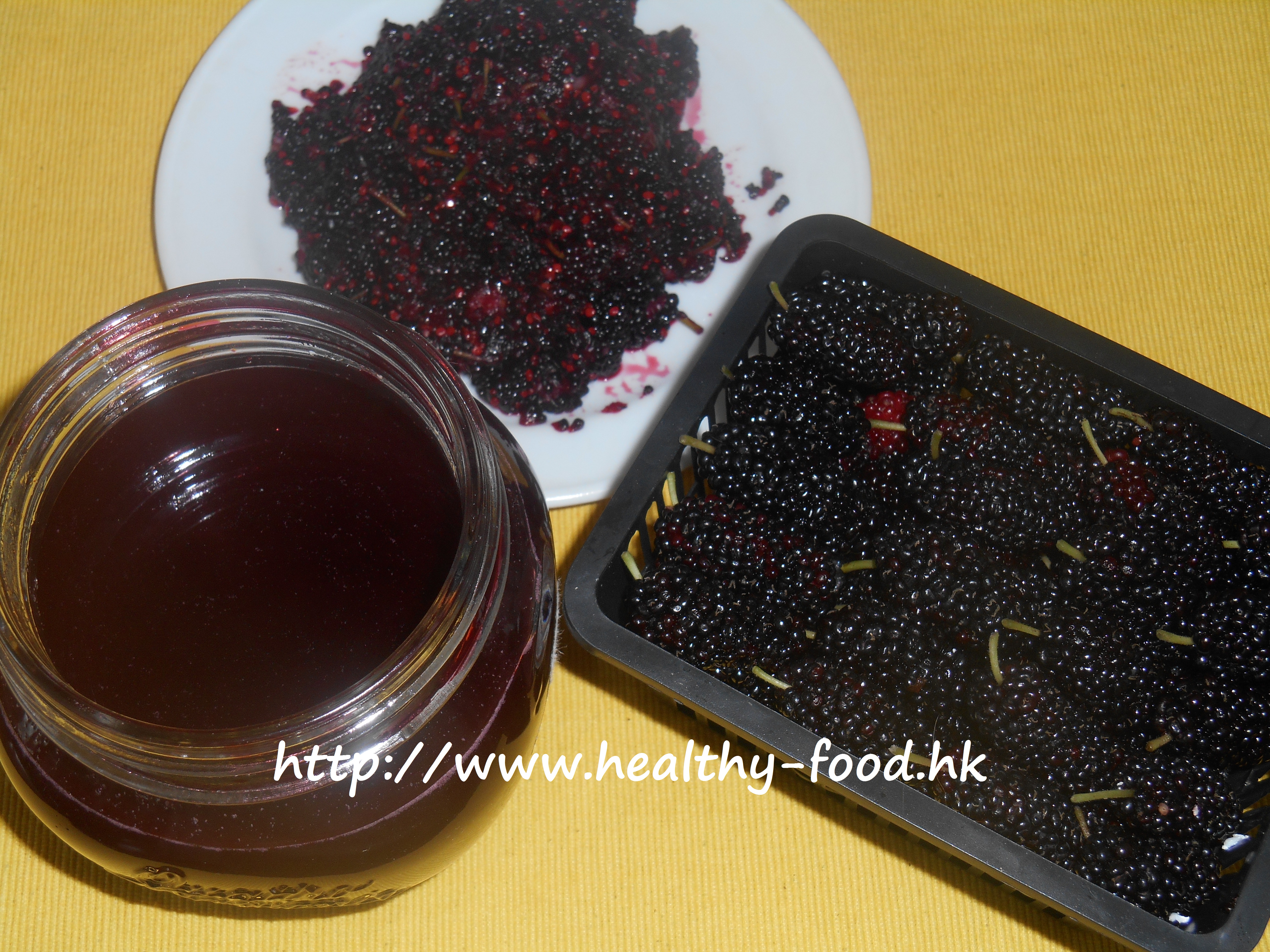
Why people make this wine
When mulberries come into season — those plump, deep-purple or red-brown berries that appear for only a brief window each year — it is the perfect time to make a batch of this tonic wine. Mulberries are one of the most highly regarded fruits in Chinese food therapy for liver and kidney yin nourishment. They are associated with the cluster of symptoms that in Chinese medicine point to a depleted liver-kidney yin pattern: dizziness, tinnitus, insomnia, hair that is going grey too early, and a persistent dry quality to the throat, eyes, or cough. Macerating the cooked fruit in rice wine extracts the active compounds and preserves them; a small daily measure keeps the benefits working steadily over weeks. The taste is pleasant — gently sweet, fruity, and warming.
Who it suits / who should be cautious
- Well suited to adults with signs of liver-kidney yin deficiency: dizziness, tinnitus, insomnia, premature grey hair, dry eyes or cough, constipation, or lower-limb joint aching and swelling
- Also associated with supporting lower urinary tract comfort and kidney function
- Those with diarrhoea or loose stools: avoid — mulberry has a moistening, bowel-loosening effect
- Diabetics: omit the sugar or use the minimum amount; moderate daily intake volume
- Not suitable for minors, pregnant women, or those who cannot consume alcohol
Why these ingredients (the food-therapy logic)
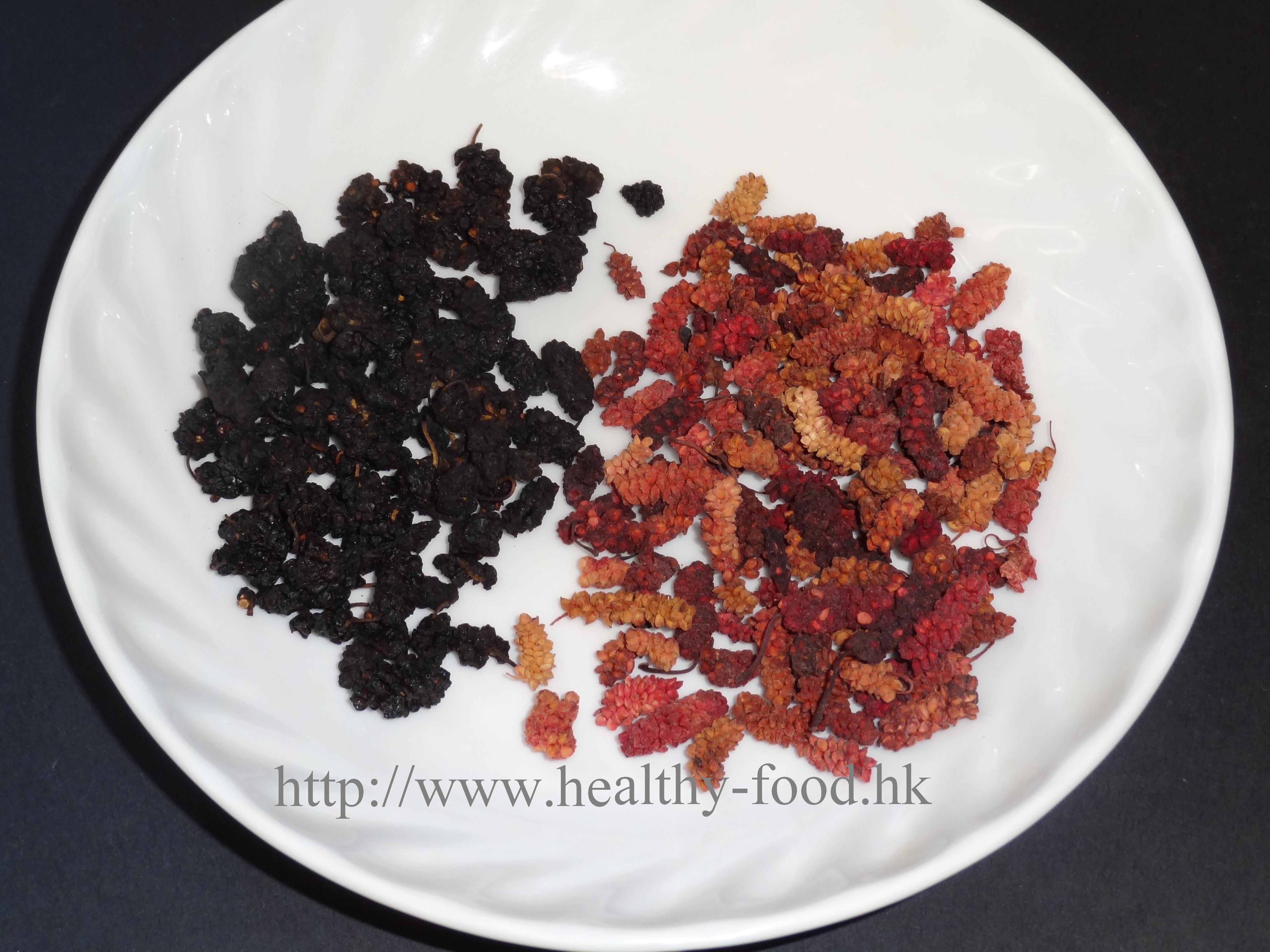
- Fresh mulberries (xian sang shen): Rich in anthocyanins, polyphenols, and resveratrol. Traditionally considered one of the finest fruits for nourishing yin of the liver and kidneys — the two organs most associated in Chinese medicine with vision, hearing, hair, sinews, and bones. The deep-purple or dark red-brown berry is preferred; paler berries have less potency.
- Rice wine or osmanthus wine: The alcohol acts as a solvent and preservative, drawing out fat-soluble and water-soluble plant compounds from the mulberry. Osmanthus wine adds a gentle floral sweetness. Rice wine is warming in nature, which balances the slightly cool nature of fresh mulberry.
- Raw cane sugar: Adds mild sweetness and is traditionally considered to have a gentle warming and dispersing action; makes the tonic more palatable.
Ingredients (1 bottle, ~900 mL)
| Ingredient | Amount | Notes |
|---|---|---|
| Fresh mulberries | ~300 g | Rinse and drain well |
| Rice wine or osmanthus wine | 900 mL | Available at supermarkets |
| Raw cane / brown sugar | 1 tablespoon | Can reduce for diabetics |
Method
- Rinse the fresh mulberries under cold water and drain well. Even fresh fruit can harbour insect larvae invisible to the eye, so a brief gentle heat step is important for safety.
- Place the mulberries and brown sugar in a glass pot or clay pot; add no water.
- Simmer over low heat for 10 minutes, stirring gently.
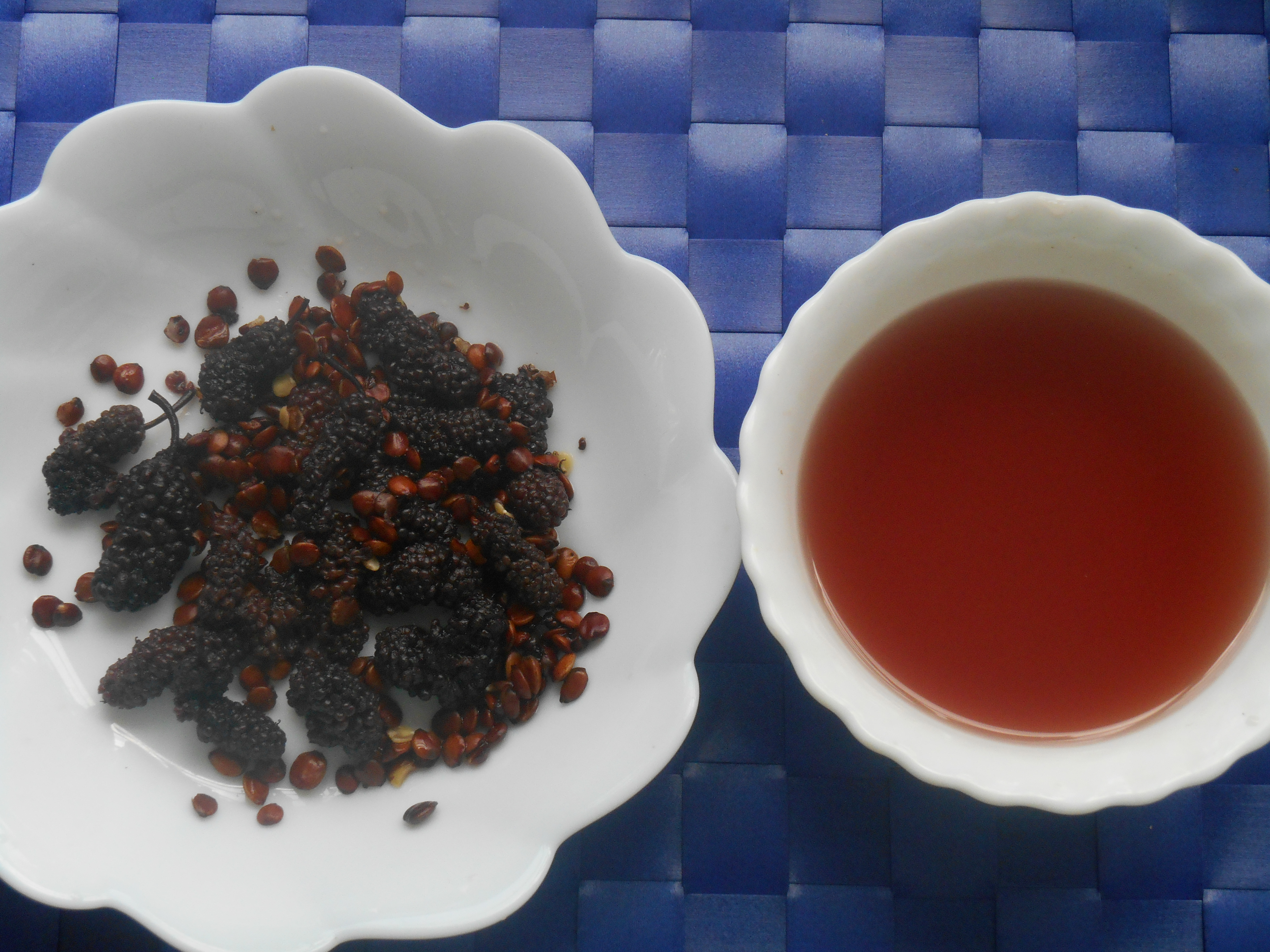
- Using a coffee filter or fine strainer, press the juice and pulp through into a clean glass bottle.
- Pour in the rice wine or osmanthus wine.
- Seal and leave to macerate for 2–3 days before drinking.
- Take 10–15 mL per day (roughly 2–3 teaspoons). Do not exceed this amount.
Bro Niu’s tips
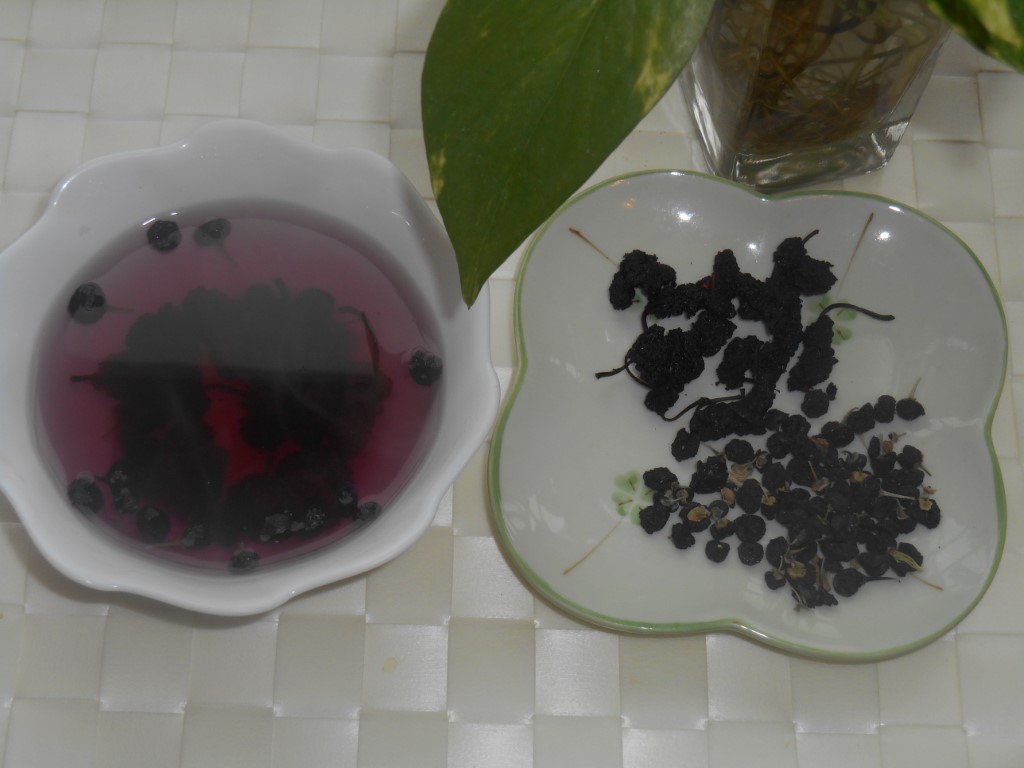
An alternative, more thorough method: after the brief simmer, allow the mulberry mixture to cool completely, then pour it into the glass bottle with all the solids included and add the wine. After 3 days, strain out the solids and store the clear wine — this method extracts more compounds and the result is considered more potent. This tonic is particularly associated with lower-limb joint aching, lower back pain, and urinary difficulty. For those with cold hands and feet (qi-blood deficiency alongside liver-kidney yin deficiency): adding dried longan flesh (yuan rou / long yan rou) to the maceration adds a warming and blood-nourishing dimension. Fresh mulberries are generally available in spring (May to June); deep-purple dried mulberries are available year-round at Chinese or Asian grocers and can be substituted — steam them briefly for 7 minutes, allow to cool, then macerate in wine for 2 weeks.
Community questions answered (selected)
-
Q (Mag): Can Shaoxing huadiao wine be used for the maceration instead? If using dried mulberries, should they be steamed and then placed in the wine with the solid pieces? Bro Niu: Yes, steam the dried mulberries for 7 minutes, allow them to cool, then place them (solids included) into the bottle and pour over the huadiao wine. Store in a cool spot. After 2 weeks the wine is ready. Do not add the berries to the wine while they are still warm.
-
Q (珍珍, regarding her mother’s ear-ringing after illness): My mother had a throat abscess three weeks ago and recovered, but now feels dizzy, nauseous, and has strong tinnitus (which has been a long-standing issue). What can help? Bro Niu: Tinnitus can be due to kidney deficiency or inflammation affecting the ear — please see a doctor to check whether there is residual ear infection. Try simmering processed fo-ti (zhi shou wu), mulberries, goji berries, and black soybeans with lean pork: 8 bowls of water cooked to 4 bowls, taken over 2 days. This combination is associated with nourishing the liver and kidneys and supporting recovery from tinnitus.
-
Q (宽心): What type of wine is best for diabetics to use? Should the sugar be omitted? When is the best time of day to drink it? Bro Niu: Diabetics can use this tonic but should use the minimum sugar or none at all. There is no specific best time of day; just take 10–15 mL once daily.
Published January 17, 2017 · Adapted and translated for Nourilo from a traditional home-kitchen recipe. Approx. 4 min read.