Congee & Porridge
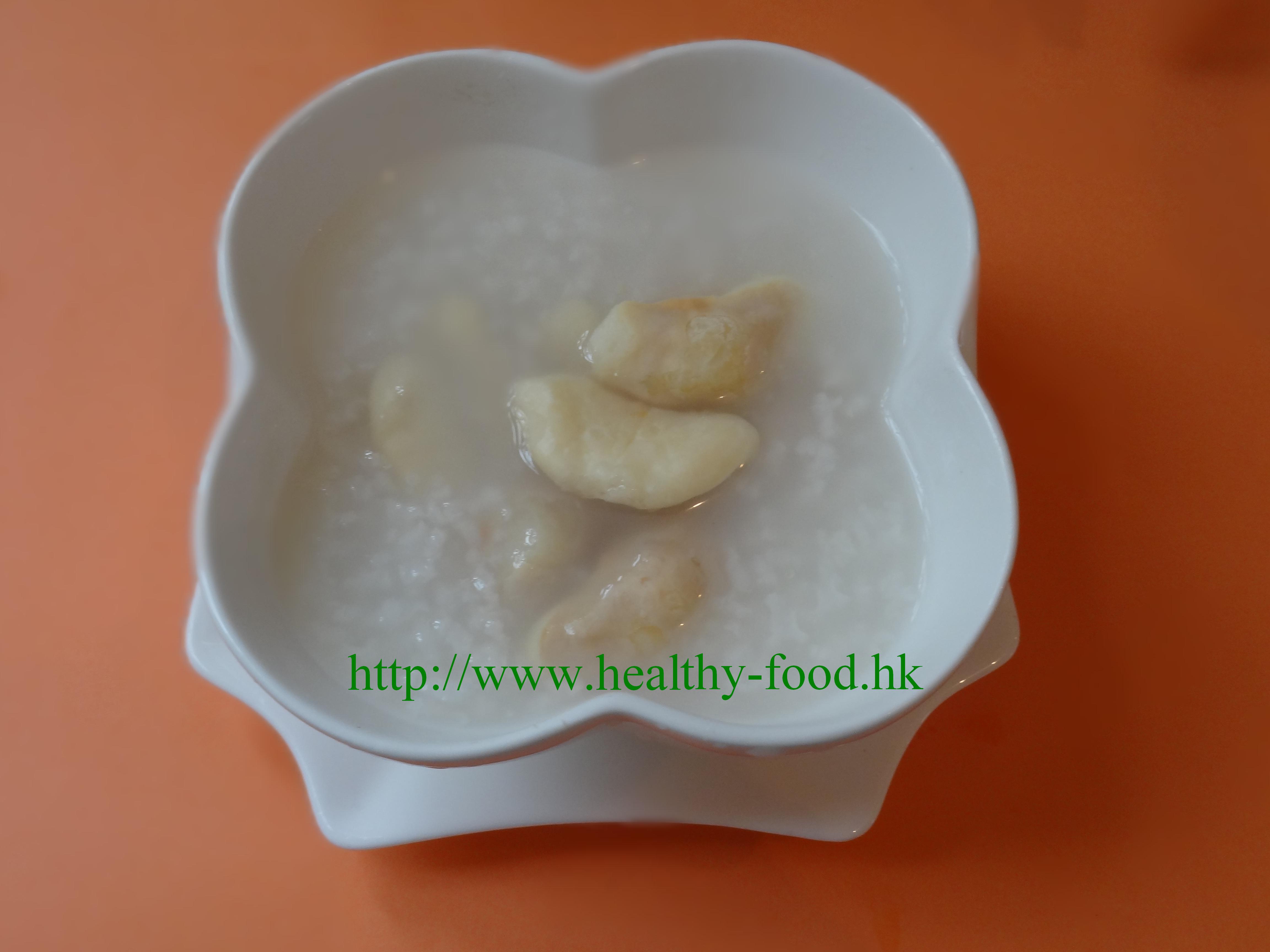
Mung Bean and Lily Bulb Congee
Traditionally used to clear heat, calm the heart, and ease fire-related restlessness
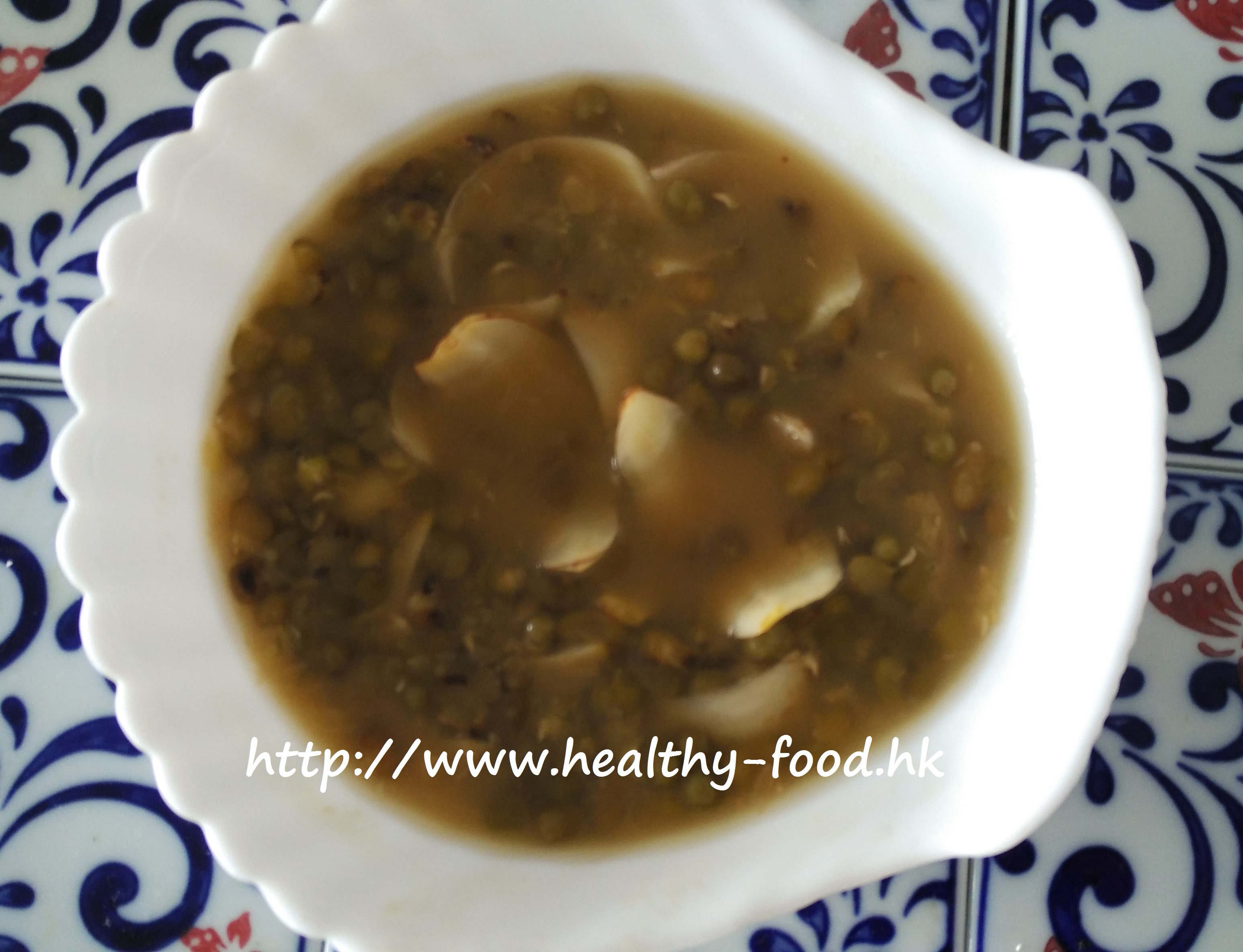
Why people make this congee
In Chinese food therapy, different types of internal “fire” are associated with different sets of symptoms. Liver fire shows up as red eyes, easy anger, bitter taste in the mouth, and headaches. Stomach fire as bad breath, thirst, bloating, and constipation. Heart fire as mouth sores, insomnia, and restlessness. Lung fire as dry cough and a dry nose and mouth. Kidney fire — often described as a deficiency fire rather than a true excess — shows up as dizziness, tinnitus, hearing loss, sore teeth, night sweats, and disturbed sleep. This simple congee, with mung bean’s well-known cooling and detoxifying properties combined with the calming, heart-supporting lily bulb, addresses several of these presentations at once. It is easy to make, pleasant to eat, and a reliable go-to when the body feels overheated from the inside.
Who it suits / who should be cautious
- Particularly helpful for those experiencing dizziness, tinnitus, dental pain, dry mouth at night, restlessness, or insomnia from excess internal heat
- Also suitable for those with stomach fire, lung fire, or heart fire
- People prone to acne or eczema may also benefit
- Those with a cold-type, spleen-deficient constitution should eat this moderately, as mung beans are cooling in nature
- Children can eat this; adjust portions to age
Why these ingredients (the food-therapy logic)
- Mung beans (lu dou): One of the most well-known cooling and detoxifying foods in Chinese dietary therapy; clears heat, resolves toxins, supports the skin, and calms heat-related restlessness
- Dried lily bulb (bai he): Traditionally used to clear heat from the lungs and heart, calm the spirit, and ease insomnia, anxiety, and irritability from heat; a gentle, nourishing ingredient with a pleasant mild taste
- White rice: Provides a modest amount of starchy substance to make a loose congee; just one tablespoon is enough — the main texture comes from the mung beans
- Rock sugar (bing tang): Cooling and moistening sweetener; preferred over cane sugar for heat-clearing formulas
Ingredients (3 bowls)
| Ingredient | Amount | Notes |
|---|---|---|
| Mung beans | 75 g (2 liang) | Soak and rinse |
| Dried lily bulb | 37 g (1 liang) | Soak and rinse |
| White rice | 1 tablespoon | Just a small amount for texture |
| Rock sugar | To taste | Add and dissolve at the end |
| Water | 6 bowls (~1.5 L) | Reduces to about 3 bowls |
Method
- Soak and rinse the mung beans and dried lily bulb.
- Combine mung beans, lily bulb, and rice in a pot with 6 bowls of water.
- Bring to the boil, then reduce to a low simmer.
- Cook for 1 hour, stirring occasionally, until the congee reaches a soft, porridge-like consistency.
- Add rock sugar and stir until dissolved. Serve warm.
Bro Niu’s tips
Winter is a season when internal heat easily builds up, especially from rich, warming food and dry weather. This mung bean and lily bulb congee is useful not just for kidney fire — it also helps with stomach fire, lung fire, and heart fire. Those prone to skin breakouts or eczema may find regular servings helpful. People with a cold-natured, spleen-deficient constitution should limit their intake of this cooling dish. For those who prefer a savoury version, the congee can be eaten without the sugar.
Community questions answered (selected)
-
Q (Bee): My son is 6 years old. Can I use the same quantities for him? And how much rice is the right amount? Can I add south and north apricot kernels and south jujube dates? Can the leftovers be kept overnight and reheated? Bro Niu: For congee, just 1 tablespoon of white rice is enough. You can add about 1 tablespoon of apricot kernels and 3–4 south jujube dates. Leftovers can be stored in the fridge and reheated the next day, but it’s best to finish it the same day if possible.
-
Q (Alvin): I often unconsciously bite my tongue while sleeping, wake up from pain, have a bitter taste, dry mouth, and poor sleep. What herbal tea would suit me? Bro Niu: You can try boiling self-heal (xia ku cao, 5 qian), chrysanthemum (ju hua, 3 qian), and water chestnuts (6 pieces) in 5 bowls of water down to 2 bowls. Add a little rock sugar for taste. Three doses in a row.
Published December 12, 2019 · Adapted and translated for Nourilo from a traditional home-kitchen recipe. Approx. 3 min read.