Congee & Porridge
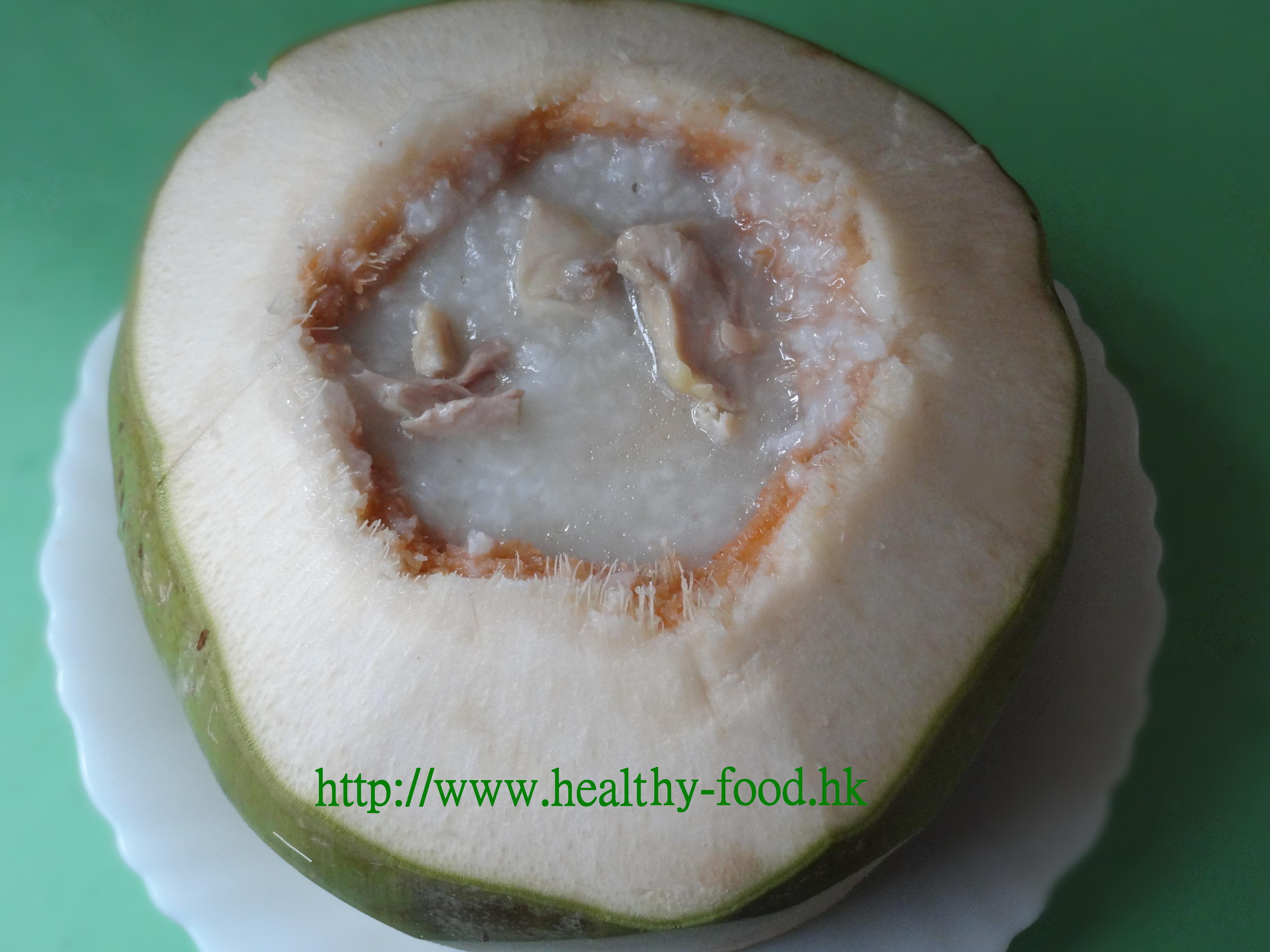
Fresh Water Chestnut Congee
Traditionally associated with clearing summer heat, calming thirst, and supporting digestive balance
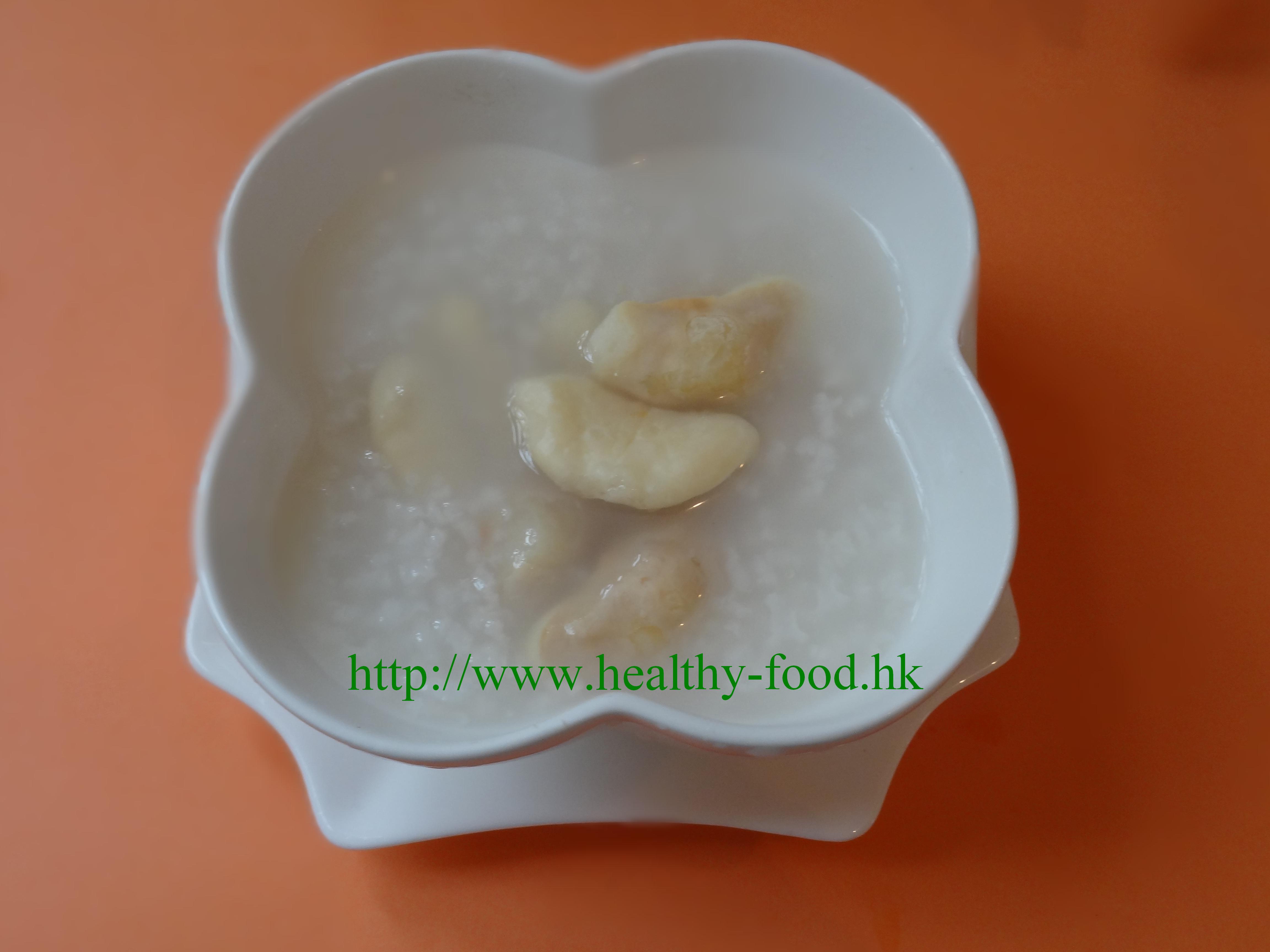
Why people make this congee
The water chestnut used here is not the familiar white, crunchy one used in stir-fries (which in Chinese is called ma ti). This is ling jiao — the water caltrop, with its distinctive hard dark shell and soft, floury interior — a seasonal ingredient with a long history in both cooking and Chinese herbal tradition. Pre-shelled ling jiao makes it much more practical to cook with, as the shell of this particular water plant is notoriously hard to crack open by hand. In summer, it makes a gentle, sweet congee that feels soothing on a hot day. Available at Chinese or Asian grocers during the season; look for pre-shelled pieces for convenience.
Who it suits / who should be cautious
- Suitable for most people as a summer congee, particularly those feeling overheated, thirsty, or bloated
- Also good for people who have overindulged in alcohol — water chestnut has a traditional reputation for supporting sobriety
- Do not eat excessive amounts in a single sitting — overconsumption can cause abdominal bloating
Why these ingredients (the food-therapy logic)
- Water chestnut (ling jiao / Trapa natans): Sweet and neutral in nature; traditionally associated with calming the stomach, clearing summer heat, relieving thirst, supporting urination, and helping with milk production in nursing mothers; in research contexts, the shells (cooked) have been associated with potential benefits for certain digestive cancers, though this remains an area of ongoing study rather than clinical evidence
- White rice: Gentle, warming, and easy on the stomach; the base for any good congee
Ingredients (2–3 servings)
| Ingredient | Amount | Notes |
|---|---|---|
| Fresh water chestnut (ling jiao, shelled) | ~75 g (2 liang) | Rinse well |
| White rice | as needed | Wash and rinse |
| Water | enough for congee consistency | Adjust to preference |
Method
- Rinse the shelled water chestnut pieces and the rice.
- Combine both in a pot with enough water to make a congee.
- Bring to a boil, then reduce to a low simmer.
- Cook for about 1.5 hours, stirring occasionally, until the congee is smooth and the water chestnut is very soft and floury.
- Serve at your preferred consistency, adjusting water as needed.
Bro Niu’s tips
The optional addition of coix seed (yi mi, 1 liang) and red dates (hong zao, 8 pieces) makes this congee more nourishing and particularly suitable for those who tend toward puffiness or fluid retention. For those interested in the cancer-supportive angle of this ingredient: it is the shell of the ling jiao that is traditionally said to have the most concentrated benefit. Cooking the whole chestnut (shell included) in water for an extended time and drinking the resulting liquid is the traditional approach. Fresh ling jiao is available only seasonally — Bro Niu suggests buying extra and drying the shelled flesh in the sun for later use. The shell is where much of the plant’s therapeutic reputation lies, so cooking with it intact (then discarding before eating) makes sense if you are using this for ongoing wellness support.
Community questions answered (selected)
-
Q (Paul): I am a nasopharyngeal cancer patient. Can I cook the water chestnut with its shell in the congee? Bro Niu: Yes — cook the water chestnut with its shell intact. Adding coix seed (1 liang) and a spoonful of brown rice or whole-grain rice to the pot is even better. Cook as a congee and consume regularly over several months. For cancer support purposes, it is the shell that carries most of the traditionally valued action — so cooking it whole makes sense. When fresh ling jiao is in season, buy extra and dry the shelled flesh so you have a supply for later in the year.
-
Q (W): I have a benign fibroid in my breast. Can I eat this congee? Can I also drink gynostemma tea (jiaogulan)? Bro Niu: Yes, water chestnut congee is fine for you. Gynostemma tea (jiaogulan / jin sang zi) is cooling in nature, but you can add a piece of tangerine peel and a few red dates to balance out the cooling quality, and it is suitable to drink regularly. Red dates do not contain oestrogen — this is a common misconception. They are safe for people with fibroids.
-
Q (Ling): My menstrual flow has become very scanty. What food therapy can help? Bro Niu: Scanty periods can be supported with a soup of black wood ear mushroom (2 pieces) and red dates (10 pieces) cooked with a quarter of an old hen. Take this two to three times a week. Five bowls of water cooked down to two. This traditionally supports and encourages healthy menstrual flow.
Published June 26, 2012 · Adapted and translated for Nourilo from a traditional home-kitchen recipe. Approx. 4 min read.