Soups
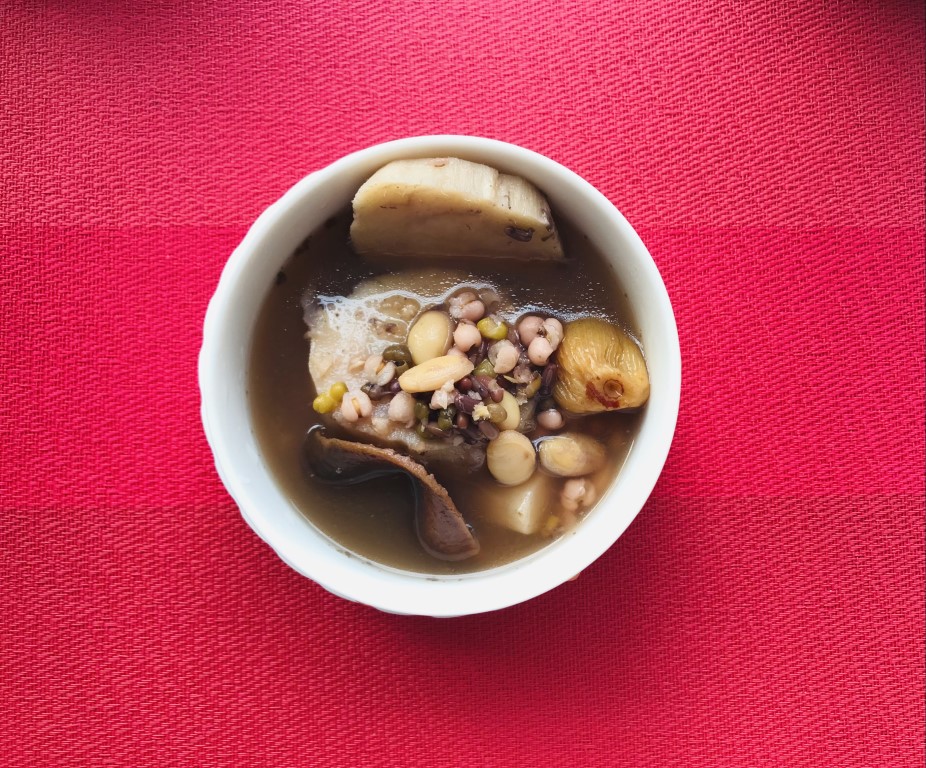
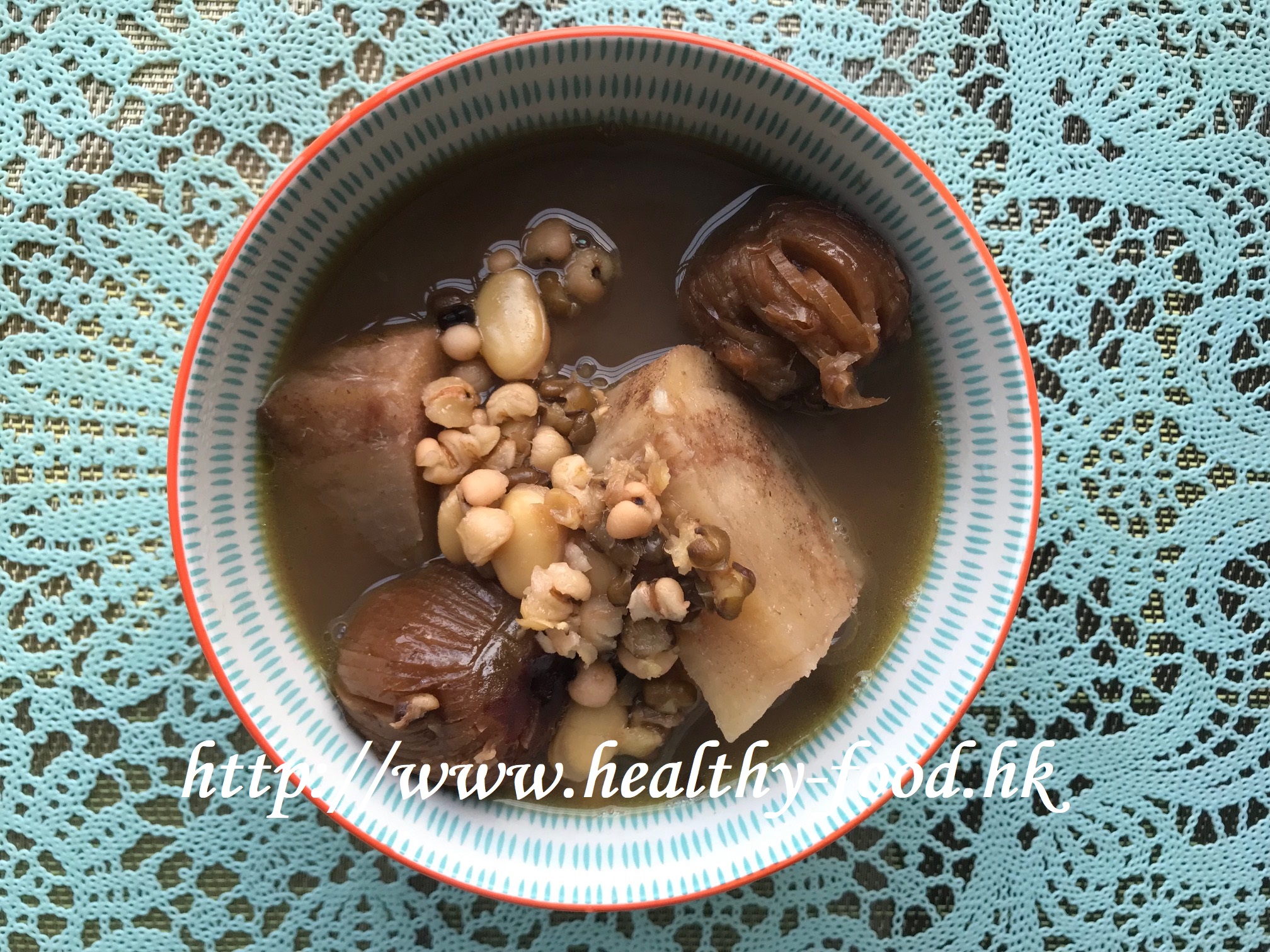
Kudzu Root, Adzuki Bean and Poria Soup
Traditionally used to clear heat, reduce dampness, and ease tension from overheating
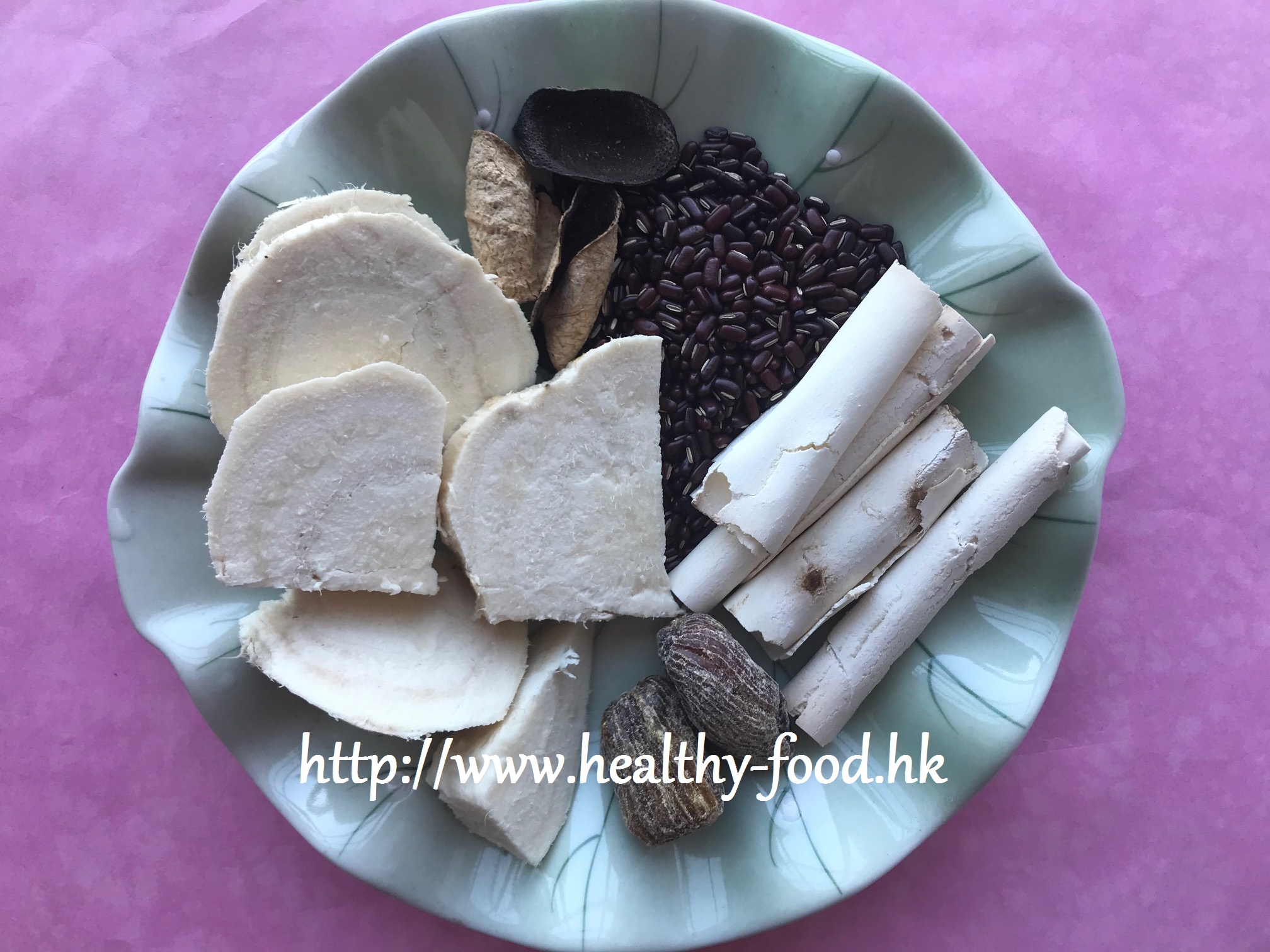
Why people make this soup
In winter, the temptation to eat warming, spicy, or rich foods can lead to a build-up of internal heat — the kind that manifests as neck and shoulder stiffness, a sense of heat in the body, tiredness, or mild irritability. In Chinese food therapy, kudzu root (fen ge) is one of the go-to ingredients for this situation. It clears heat from the stomach and muscles, and is particularly associated with relieving that heavy, tight feeling in the neck and shoulders that comes from too much heat or stress. Paired with adzuki beans and poria — both classic spleen-supporting, dampness-draining ingredients — plus dried tangerine peel and honey dates for balance, this soup is easy to make and genuinely pleasant to eat on a winter evening. It is also suitable for people with high blood pressure, elevated blood lipids, and cardiovascular concerns.
Who it suits / who should be cautious
- Suitable for the whole family, including toddlers
- Particularly helpful for those who feel internal heat, neck-shoulder tension, fatigue, or irritability after eating rich or spicy food
- Also suitable for people managing high blood pressure or high blood lipids
- Those with weak digestion should not eat too much of the cooked kudzu root itself
Why these ingredients (the food-therapy logic)
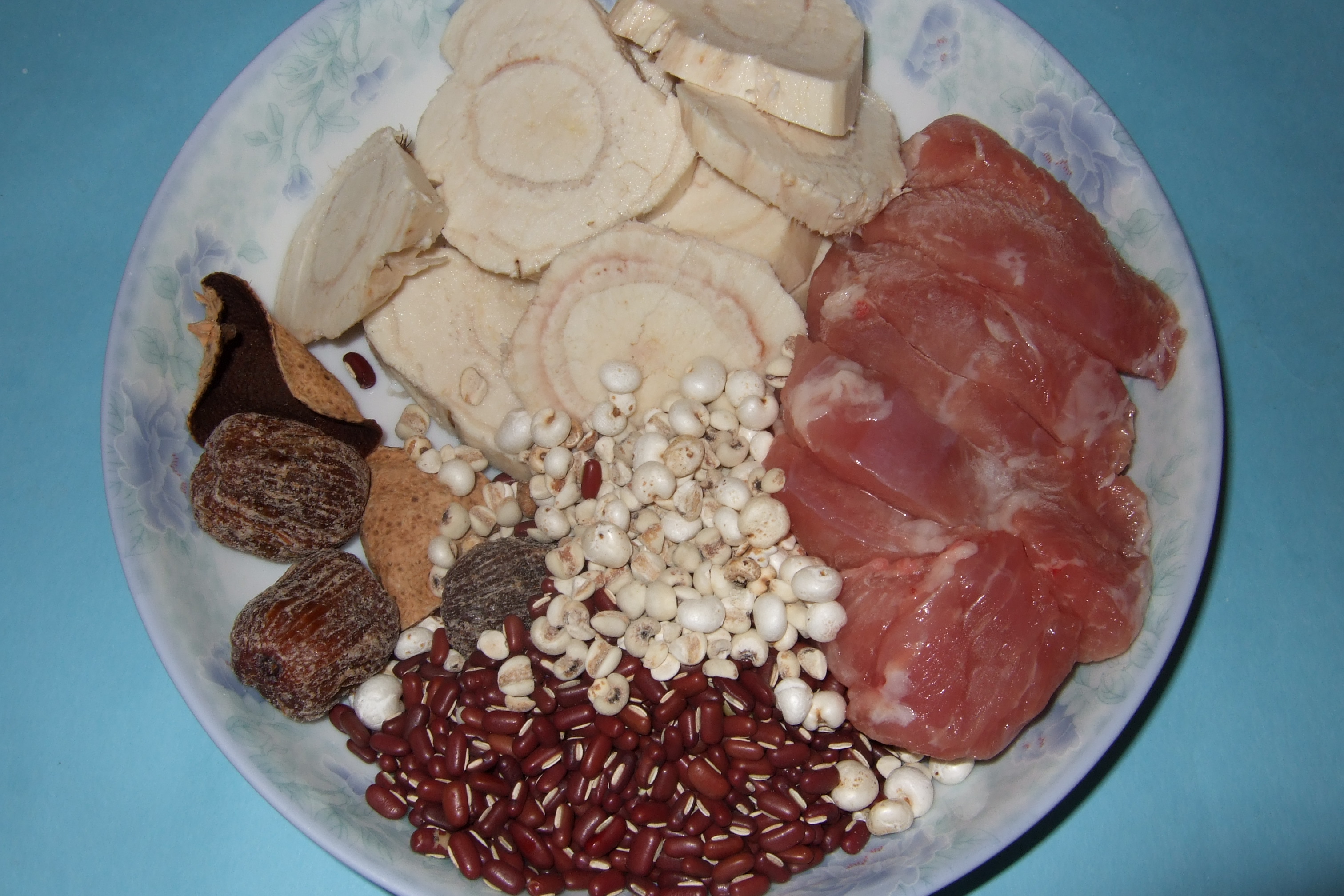
- Kudzu root (fen ge / ge gen): Clears stomach heat and disperses external heat from the muscles; traditionally associated with relieving neck-shoulder tightness from excess heat; also associated with lowering blood pressure
- Adzuki beans (chi xiao dou): Drains dampness, supports the spleen, and moves water; provides a mild earthy flavour
- Poria (fu ling): A classic qi- and spleen-supporting mushroom fungus; calms the mind gently while draining dampness
- Dried tangerine peel (chen pi): Moves qi in the middle burner, eases bloating, and helps the other ingredients digest well
- Honey dates (mi zao): Naturally sweet; softens the overall flavour and helps relieve irritability and body aches
Ingredients (5 bowls)
| Ingredient | Amount | Notes |
|---|---|---|
| Kudzu root | 600 g (1 jin) | Remove outer skin, wash, cut into chunks |
| Adzuki beans | 75 g (2 liang) | Soak and rinse |
| Poria | 19 g (5 qian) | Rinse and soak briefly |
| Dried tangerine peel | 1 piece | Rinse |
| Honey dates | 2–3 pieces | |
| Water | 10 bowls (~2.5 L) | Reduces to about 5 bowls |
Method
- Peel and wash the kudzu root; cut into large chunks.
- Rinse and soak the adzuki beans and poria.
- Combine all ingredients in a pot with 10 bowls of water.
- Bring to the boil, then reduce to a low simmer.
- Cook for 2–3 hours until the soup reduces to about 5 bowls.
- Serve the broth; the kudzu root can also be eaten.
Bro Niu’s tips
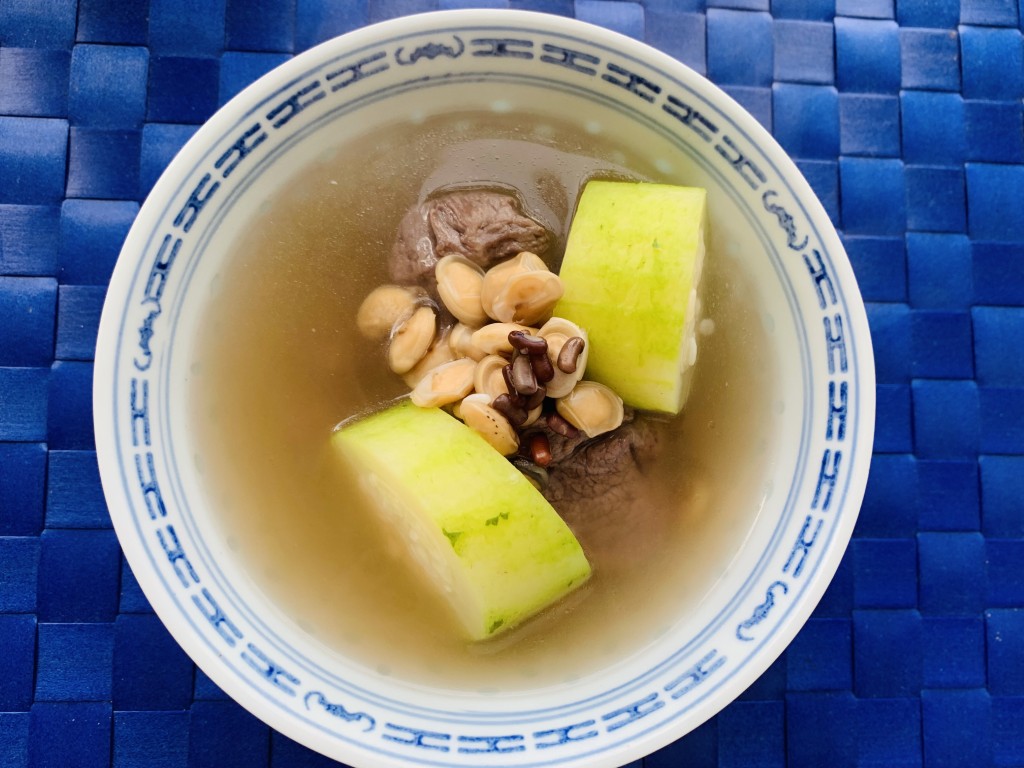
Winter kudzu is at its sweetest and most flavourful. When choosing kudzu root, look for pieces that taper at both ends — these tend to have less fibre and a sweeter, finer texture. This soup is suitable for all ages. Those with weak digestion should moderate how much of the cooked kudzu they eat. Alternatively, if kudzu is unavailable, winter melon makes a reasonable heat-clearing, dampness-draining substitute.
Community questions answered (selected)
-
Q (Amy): What is the difference between regular poria (fu ling) and earth poria (tu fu ling)? Bro Niu: They are quite different. Poria (fu ling) is a fungus that supports the spleen and drains dampness. Earth poria (tu fu ling) is a root herb in the rhizome family that clears heat and detoxifies.
-
Q (月 reader): I have stomach heat, liver fire, and insufficient blood. I also feel cold in my back and head. Can I drink this soup? Bro Niu: Yes, this soup is suitable for stomach heat and liver fire. It is appropriate for you.
-
Q (Yuki): Can a 2.5-year-old drink this soup? Bro Niu: Yes, toddlers can drink this soup.
Published December 9, 2019 · Adapted and translated for Nourilo from a traditional home-kitchen recipe. Approx. 3 min read.