Soups
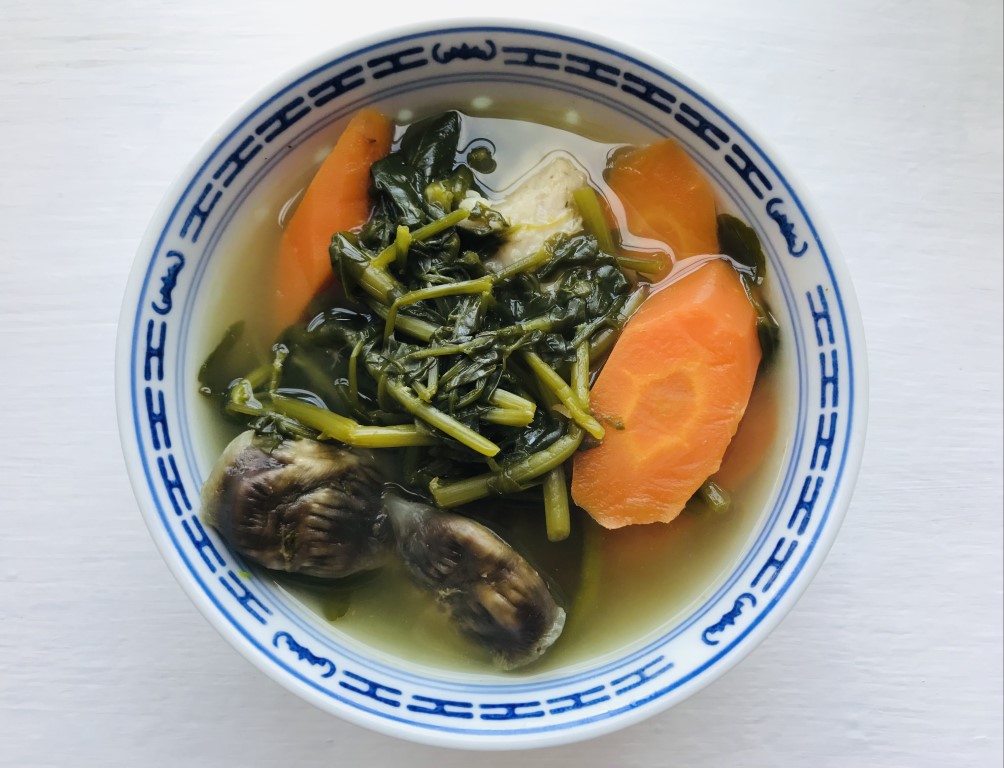
Dried Cabbage, Carrot and Preserved Duck Kidney Soup
Traditionally used to nourish yin, clear digestive heat, and support the intestines when the mouth has an unusual sweet sensation
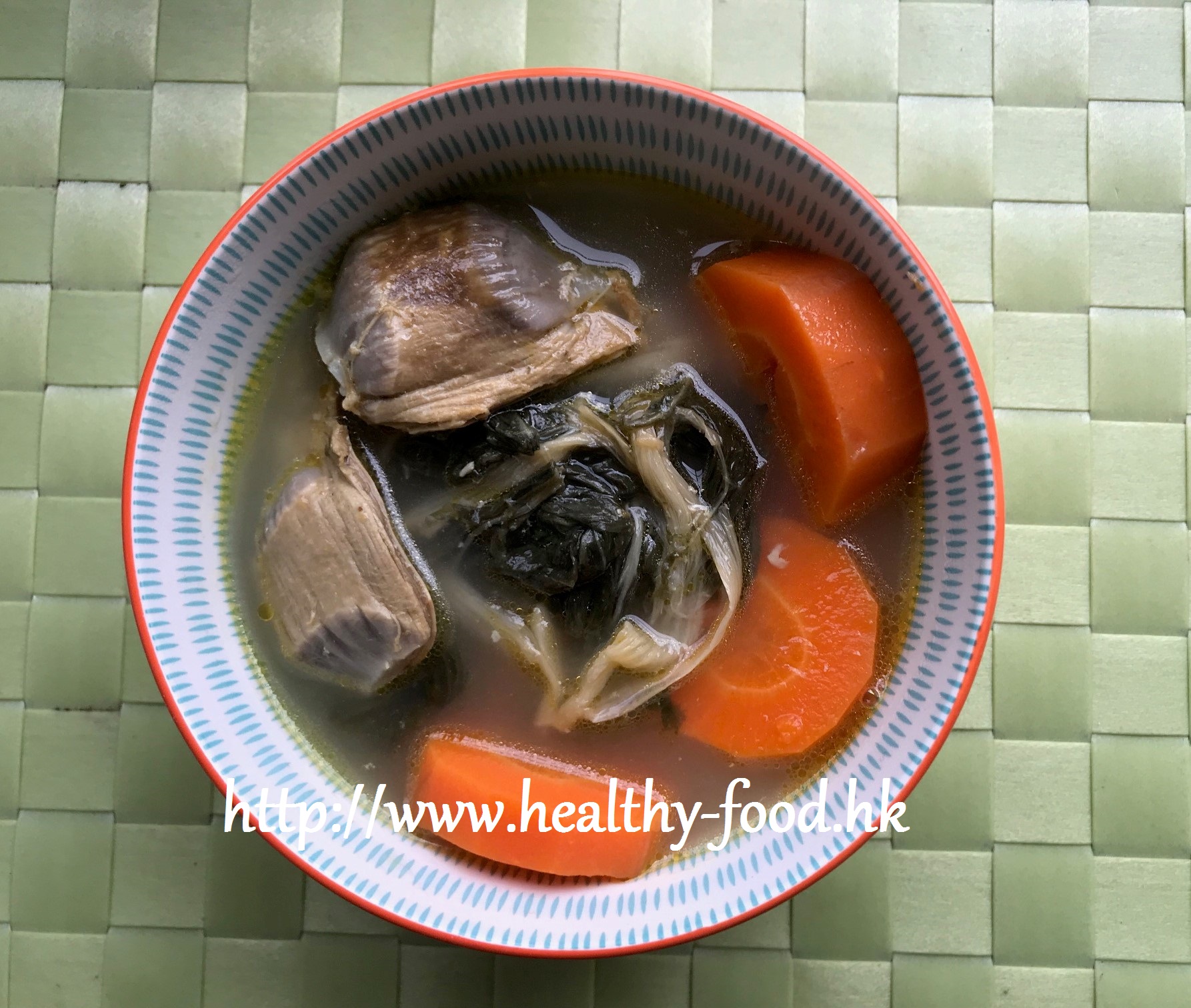
Why people make this soup
A lingering sweet sensation in the mouth — not from eating something sweet — is something many people experience without thinking much of it. In traditional Chinese medicine, this is associated with the spleen and digestive system. When the digestive system is out of balance, amylase levels in saliva can rise and stimulate the taste receptors on the tongue, creating that odd, mild sweetness. TCM further distinguishes between a “deficiency heat” pattern (fatigue, poor appetite, low energy) and an “excess heat” pattern (strong thirst, yellow urine, constipation). This soup is aimed at the excess heat type, using dried cabbage and preserved duck kidney to gently clear heat and support smooth digestion.
Who it suits / who should be cautious
- Suited for people who experience a sweet taste in the mouth along with thirst, warm sensations, dry stools, or a mild burning sensation internally — what TCM describes as “excess heat” in the spleen-stomach.
- The soup is fragrant and mild enough for all ages, including older family members.
- Particularly helpful for those with a tendency towards constipation, inner heat, dry or sore throat, or red and irritated eyes.
- Those with very cold constitutions may find this soup too cooling for daily use; enjoy it a couple of times a week.
Why these ingredients (the food-therapy logic)
- Dried cabbage (bai cai gan): Sun-dried Napa cabbage concentrates its cooling, moistening properties. Traditional Chinese food therapy considers it helpful for clearing heat from the stomach and intestines and gently lubricating the bowels.
- Carrot (gan sun / hong luo bo): Neutral to slightly sweet in nature, carrot supports the spleen and aids digestion. It also provides beta-carotene and natural sweetness that balances the soup’s overall flavour.
- Preserved duck kidney (chen ya shen): Aged and dried duck kidney is a distinctively Cantonese ingredient. TCM regards it as helpful for clearing lingering heat from the digestive organs; its mild, savoury aroma also stimulates the appetite.
- Dried tangerine peel (chen pi): Helps regulate qi, ease bloating, and harmonise the other ingredients. Also improves the overall fragrance of the soup.
Ingredients (3–4 bowls)
| Ingredient | Amount | Notes |
|---|---|---|
| Organic dried cabbage (bai cai gan) | 75 g (2 liang) | Soak to rehydrate, rinse thoroughly, cut into sections |
| Carrot (gan sun) | 1 medium | Peel and cut into large chunks |
| Preserved duck kidney (chen ya shen) | 2 pieces | Soak, rinse, blanch briefly to reduce saltiness |
| Dried tangerine peel (chen pi) | 1 piece | Rinse |
Method
- Soak the dried cabbage in cold water for about 20 minutes to rehydrate; rinse well and cut into sections.
- Peel and chop the carrot into large chunks.
- Soak the preserved duck kidneys in water for about 20 minutes, then blanch briefly in boiling water to reduce excess salt and any strong smell.
- Place all ingredients together in a pot with 7 bowls (about 1.75 litres) of water.
- Bring to the boil, then reduce to a medium-low simmer for 1.5 hours until about 4 bowls of liquid remain.
- Serve warm. The soup is delicious eaten together with the cooked ingredients.
Bro Niu’s tips
This is a naturally fragrant, lightly savoury soup that the whole family can enjoy — children included. Beyond the sweet-taste complaint it targets, it is also a good everyday soup for anyone who feels internal heat, has mild throat dryness, or tends to have sluggish bowels. The organic dried cabbage, when properly soaked and rinsed, gives the broth a wonderfully clean, slightly grassy sweetness. Organic varieties are preferred because dried cabbage concentrates whatever was on the original leaves. This recipe makes 3 to 4 servings.
Community questions answered (selected)
-
Q (visitor): How many people is this recipe for? Bro Niu: This is a 3–4 person serving.
-
Q (DON): After thyroid surgery (half-removal), I have a very cold constitution and am very thin. What can I eat in the days following the surgery? Bro Niu: After surgery you can have minced pork congee, adding 3–4 slices of astragalus (bei qi) to aid wound healing. In general, avoid raw and cold foods. You can double-boil a meat soup with codonopsis root (dang shen), astragalus (bei qi), Chinese yam (huai shan), red dates, and longan flesh — any lean meat works — once or twice a week to support recovery.
Published March 4, 2019 · Adapted and translated for Nourilo from a traditional home-kitchen recipe. Approx. 3 min read.