Herbal & Flower Teas
Hyacinth Bean Flower Tea (Nan Dou Hua Cha)
traditionally used to strengthen the spleen, resolve summer dampness, and ease loose stools
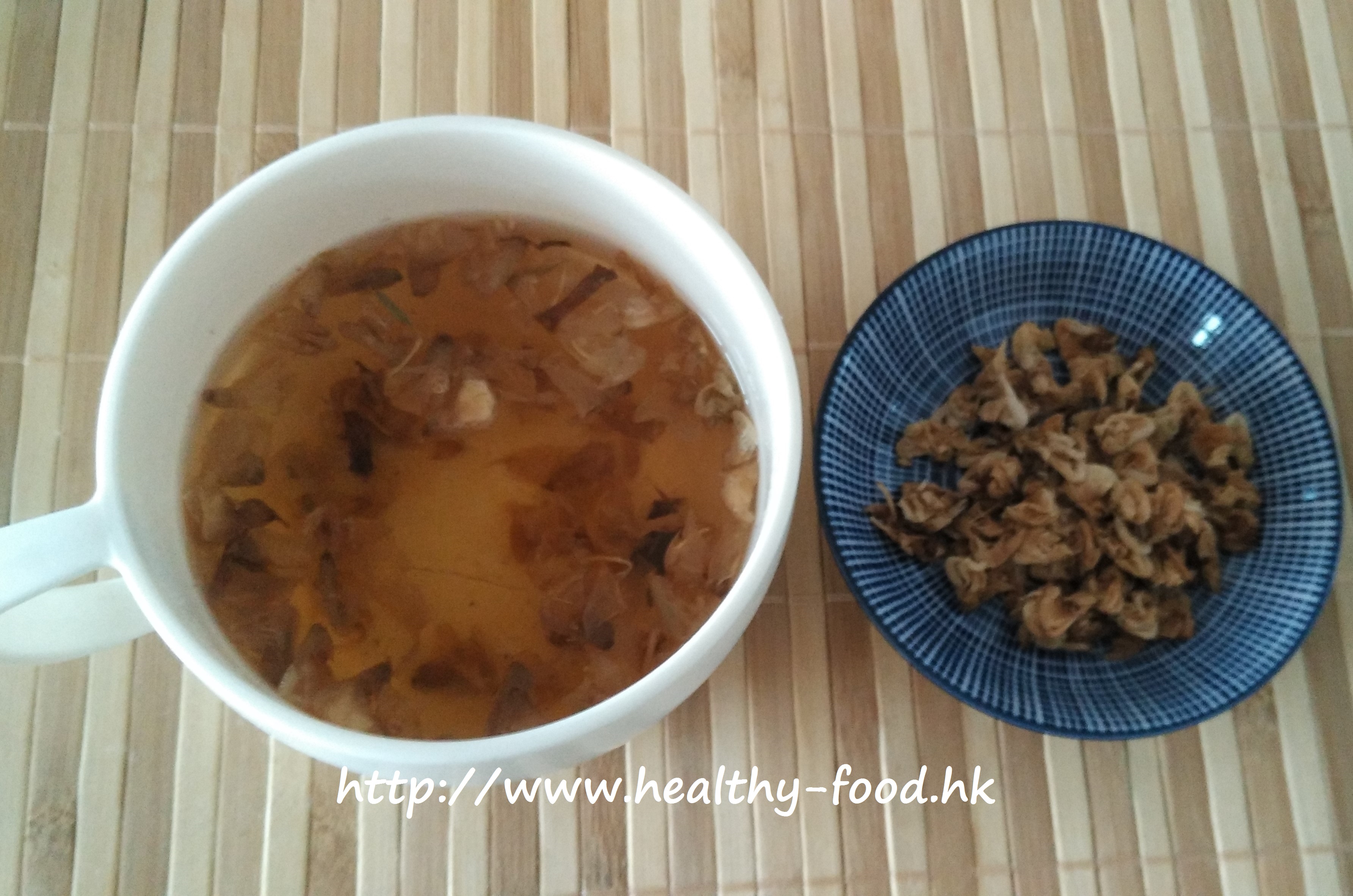
Why people make this tea
There are two varieties of hyacinth bean flower — red and white. The white flower is what you want here. In traditional Chinese medicine, white enters the qi level (the energetic layer associated with respiration, circulation, and transformation), while red enters the blood level and is used differently. The white flower has a long history of use during the humid summer months: it clears summer-heat and dampness, regulates the middle burner (digestive center), and is traditionally associated with calming conditions like summer diarrhea, enteritis, and damp-related vaginal discharge. Brewed on its own, it has a gentle sweetness with a faint, pleasant beaniness — something between a delicate tea and a light tisane.
Method
- Place the dried flowers in a small teapot or infuser.
- Pour off the first rinse of just-boiled water immediately (this cleans the flowers).
- Re-fill with freshly boiled water and steep for 5 minutes.
- Pour and drink. The flowers can typically be re-steeped once more.
Nourilo’s Tips
Dried white hyacinth bean flowers are available at Chinese herb shops and Asian grocery stores, and are one of the most affordable herbal teas around. After drying, they turn a warm golden color.
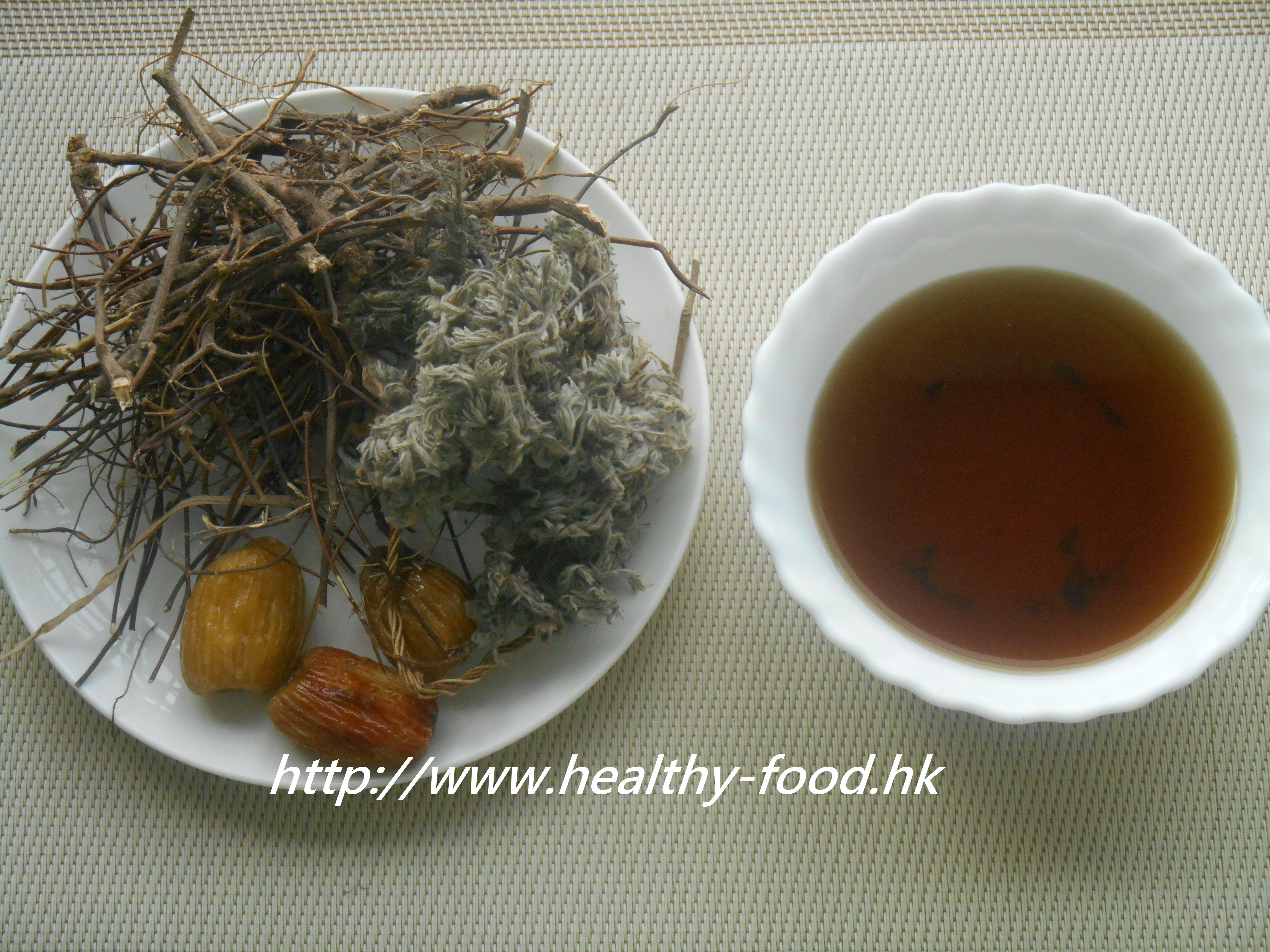
For anyone with spleen-dampness as an underlying pattern (fatigue, bloating, loose stools on a regular basis), a simple compound tea works even better: 10 g each of poria (fu ling), white atractylodes (bai zhu), and hyacinth bean skin (bian dou yi), with a piece of dried tangerine peel (chen pi) and 2 honey dates (mi zao) — simmer for 30 minutes. It is not cold in nature.
Comments
Join the conversation — sign in or create a free account to comment.
Continue with GoogleLoading comments…