Herbal & Flower Teas
Dandelion Tea
traditionally associated with clearing heat, supporting liver and gallbladder function, and reducing inflammation
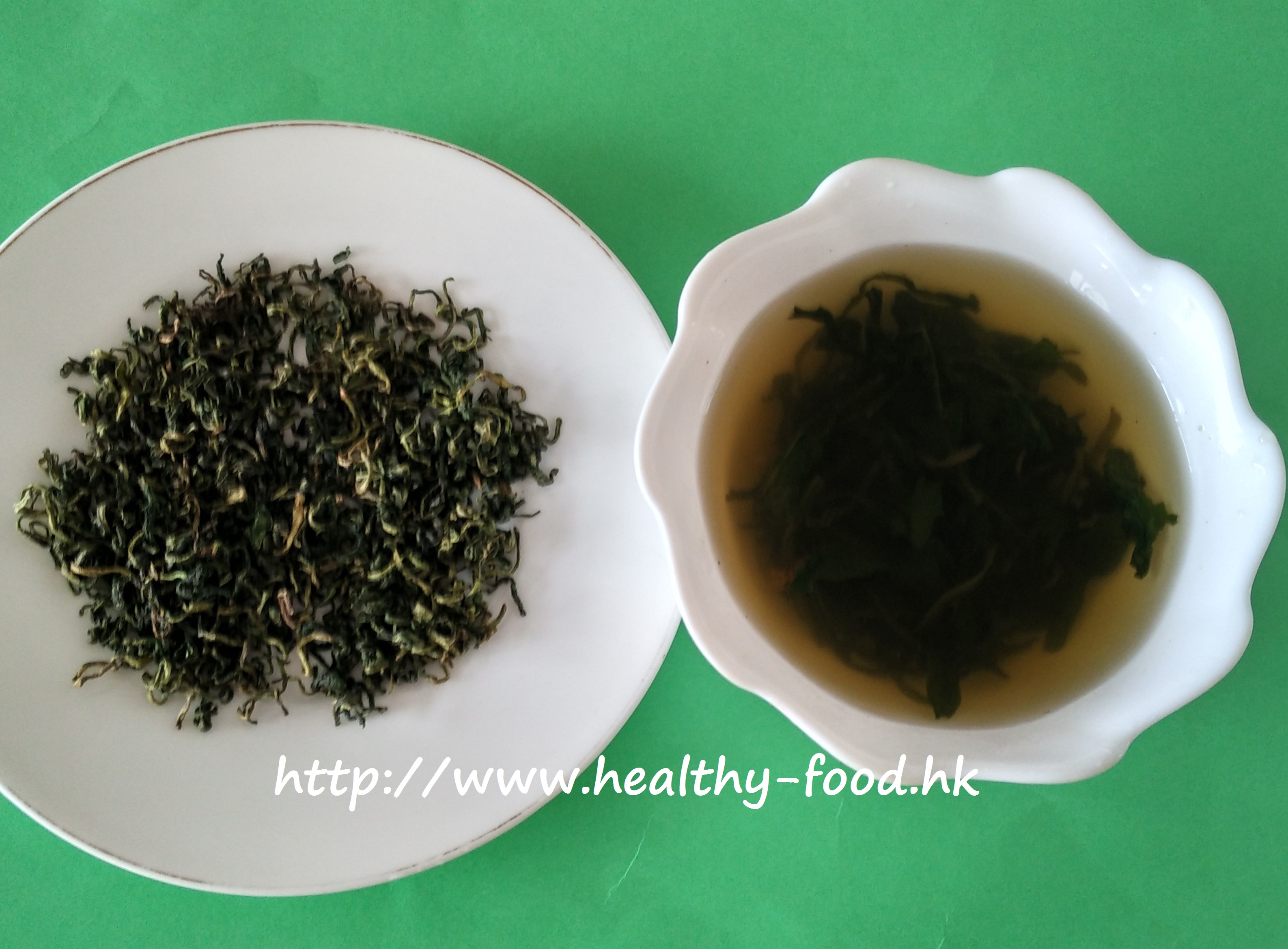
Why people make this tea
Dandelion (pu gong ying) is one of the most versatile cooling herbs in the Chinese food-therapy canon, with a long history of use for conditions ranging from skin infections and eye inflammation to stomach and urinary tract concerns. It is now widely available in a clean, tea-leaf style preparation — light, fragrant, and not at all bitter — making it easy to brew as a regular daily cup. The lecithin it contains is specifically noted for supporting liver function and helping prevent liver fibrosis — making it a sensible regular brew for those with high cholesterol, gastritis linked to H. pylori, or a tendency toward heat-related digestive discomfort.
Who it suits / who should be cautious
- Suitable for those experiencing heat-related symptoms: red sore eyes, constipation, gastric ulcer discomfort, or high cholesterol
- Also beneficial for individuals with H. pylori gastritis who want regular herbal support
- People with a spleen-stomach cold constitution (often cold, loose stools, low energy) should avoid
- Those with low blood pressure should avoid
- If the cooling nature concerns you, adding a piece of dried tangerine peel (chen pi) to the brew will moderate it
Why these ingredients (the food-therapy logic)
- Dandelion (pu gong ying): Contains lecithin (supports liver health), polyphenols, and anti-inflammatory compounds; traditionally indicated for boils and skin infections, conjunctivitis, mumps, mastitis, gastritis, urinary tract infections, and pelvic inflammation; antiviral and antibacterial properties widely cited in Chinese herbal references
Ingredients (1 cup, re-steepable)
| Ingredient | Amount | Notes |
|---|---|---|
| Dried dandelion tea | 1 tablespoon (~3 g) | Leaf-form tea, not raw whole plant |
| Boiling water | ~250 ml |
Method
- Place the dandelion tea into a teapot or cup.
- Pour a small amount of boiling water over it as a rinse, then discard that water immediately.
- Add fresh boiling water, cover, and steep for 5 minutes.
- Drink slowly; re-steep until the flavour fades.
Bro Niu’s tips
This tea benefits those with red or swollen eyes, constipation, gastric ulcers, or high cholesterol. However, people with a spleen-stomach cold constitution and those with low blood pressure should not use it. If you find it slightly cooling for your constitution, add a piece of dried tangerine peel (chen pi) to the steeping pot — its warm nature balances the cooling quality of dandelion.
Community questions answered (selected)
-
Q (Maggie): If I worry the dandelion tea is too cooling, can I add ginger? Bro Niu: Adding dried tangerine peel (chen pi) is better — it reduces the cooling nature without altering the flavour as much as ginger would.
-
Q (Anne): After drinking the tea my tongue feels slightly bitter at the back. Is that normal? Bro Niu: Dandelion does have a subtle bitterness. If you are concerned about the cooling effect, add a piece of dried tangerine peel (chen pi) when steeping — it has a warming quality that balances things out.
-
Q (Cherry): My 21-month-old child has mumps, the swelling has not gone down yet. Can he drink dandelion tea? Bro Niu: Yes, if the swelling has not yet subsided, dandelion tea is appropriate. Adding a small pinch each of honeysuckle (jin yin hua) and chrysanthemum flowers (ju hua) makes it even more effective — drink for 3 consecutive days.
Published April 23, 2018 · Adapted and translated for Nourilo from a traditional home-kitchen recipe. Approx. 3 min read.