Congee & Porridge
Pumpkin and Mung Bean Congee
Traditionally enjoyed to support healthy blood sugar
Why people make this congee
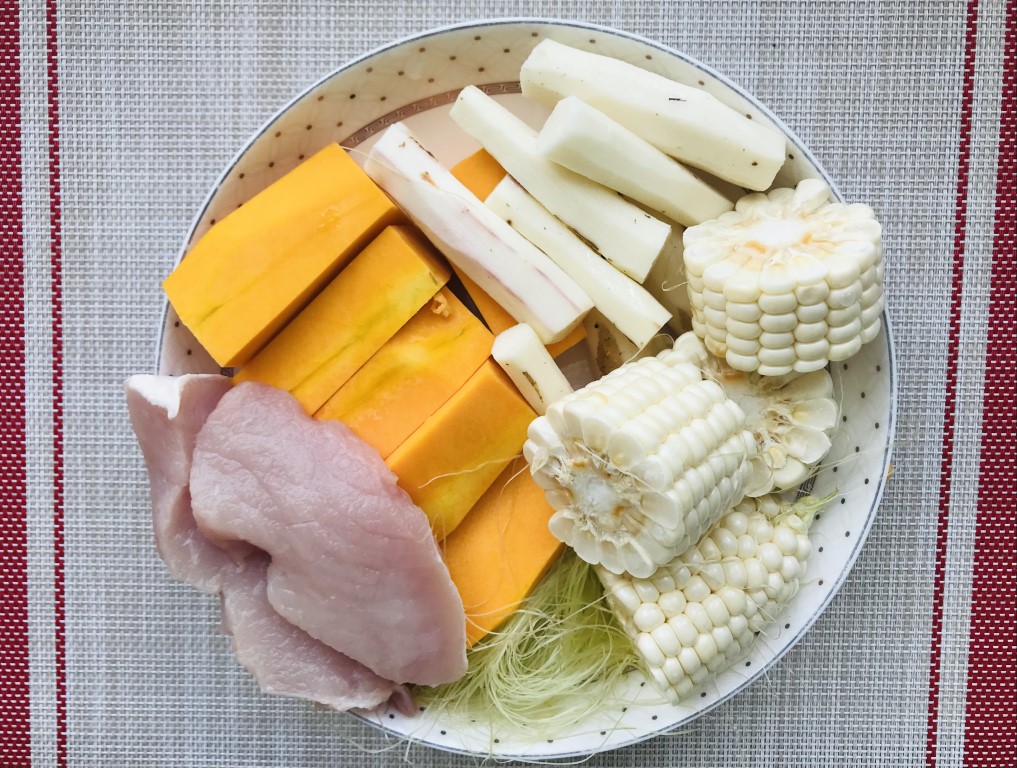
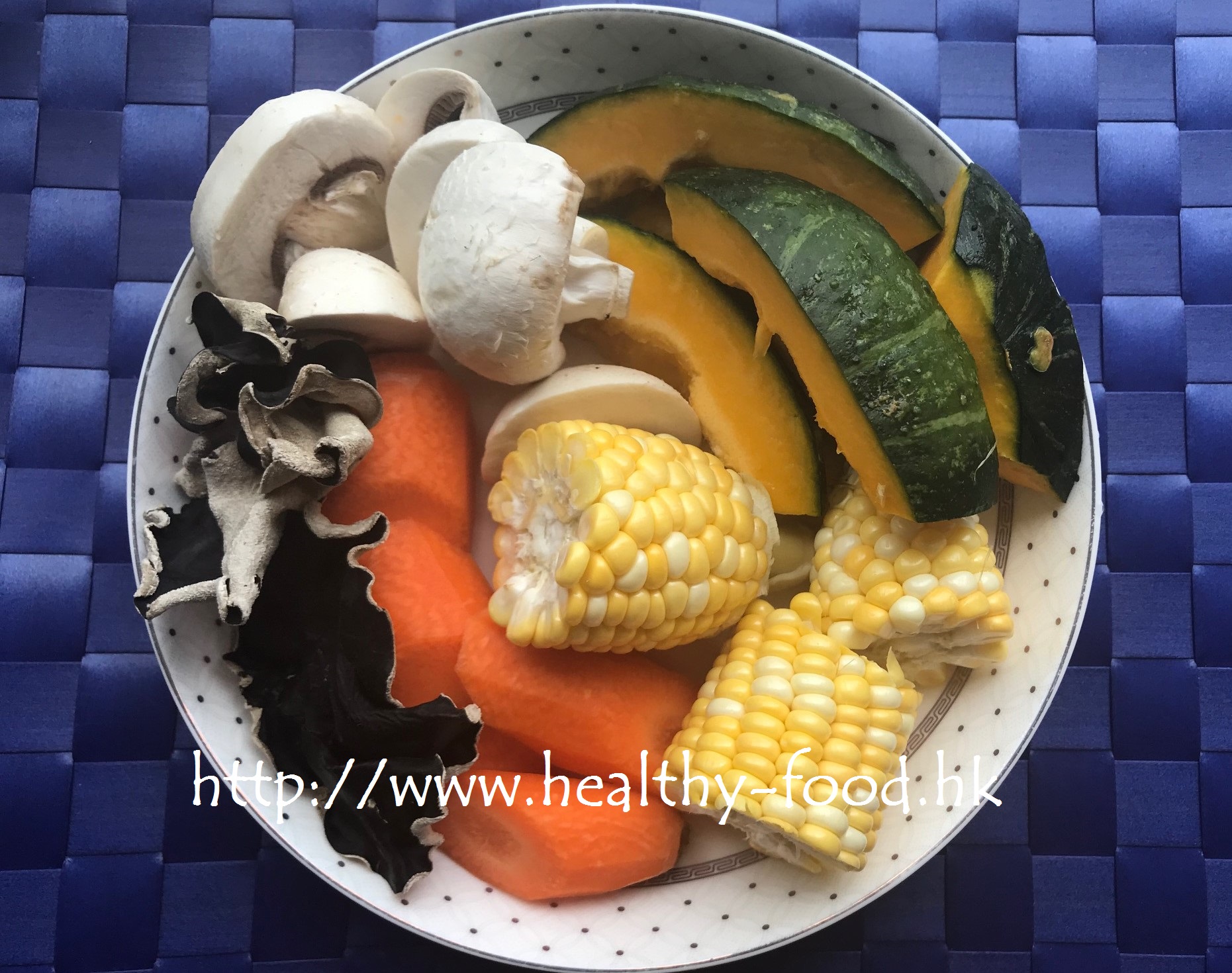
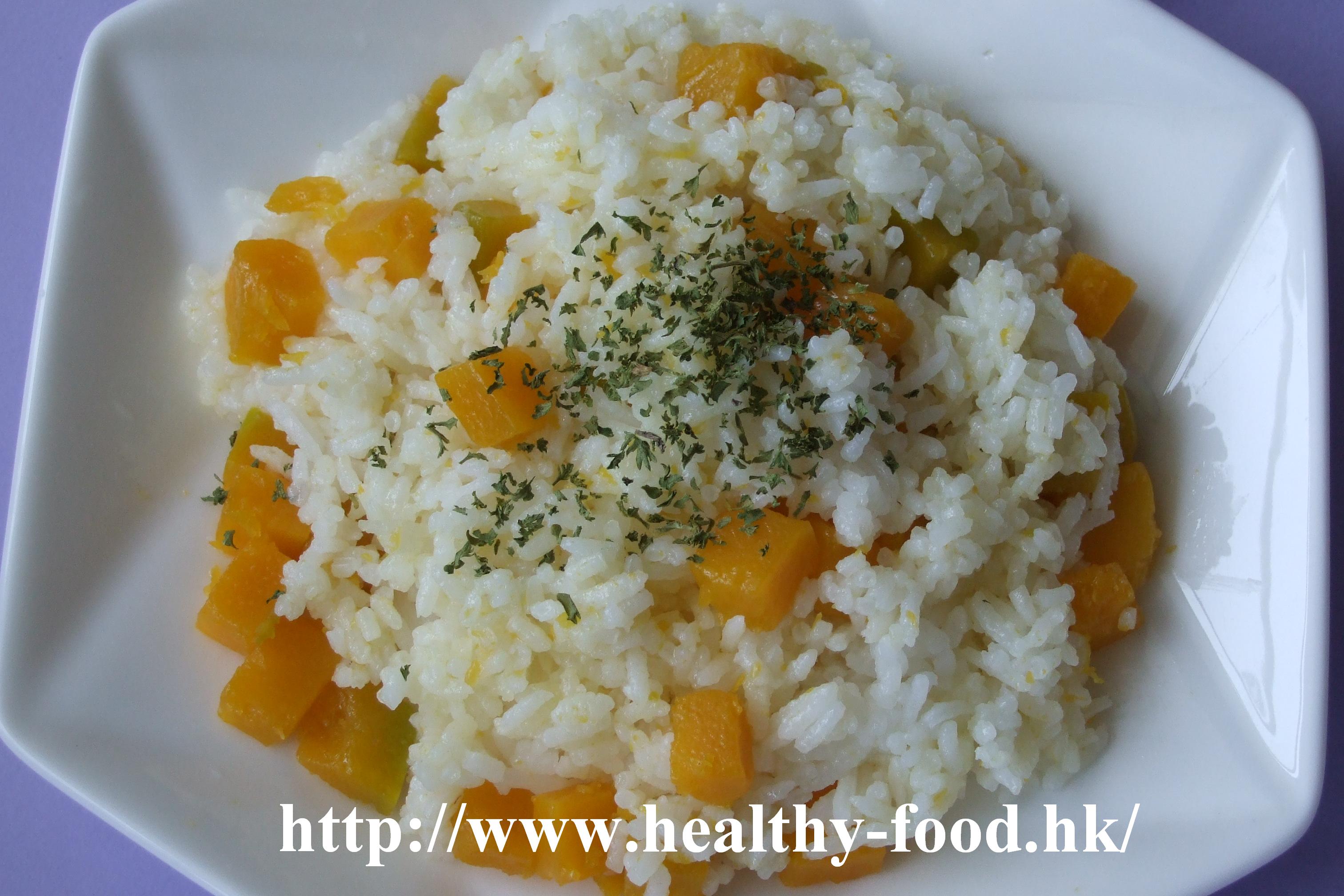
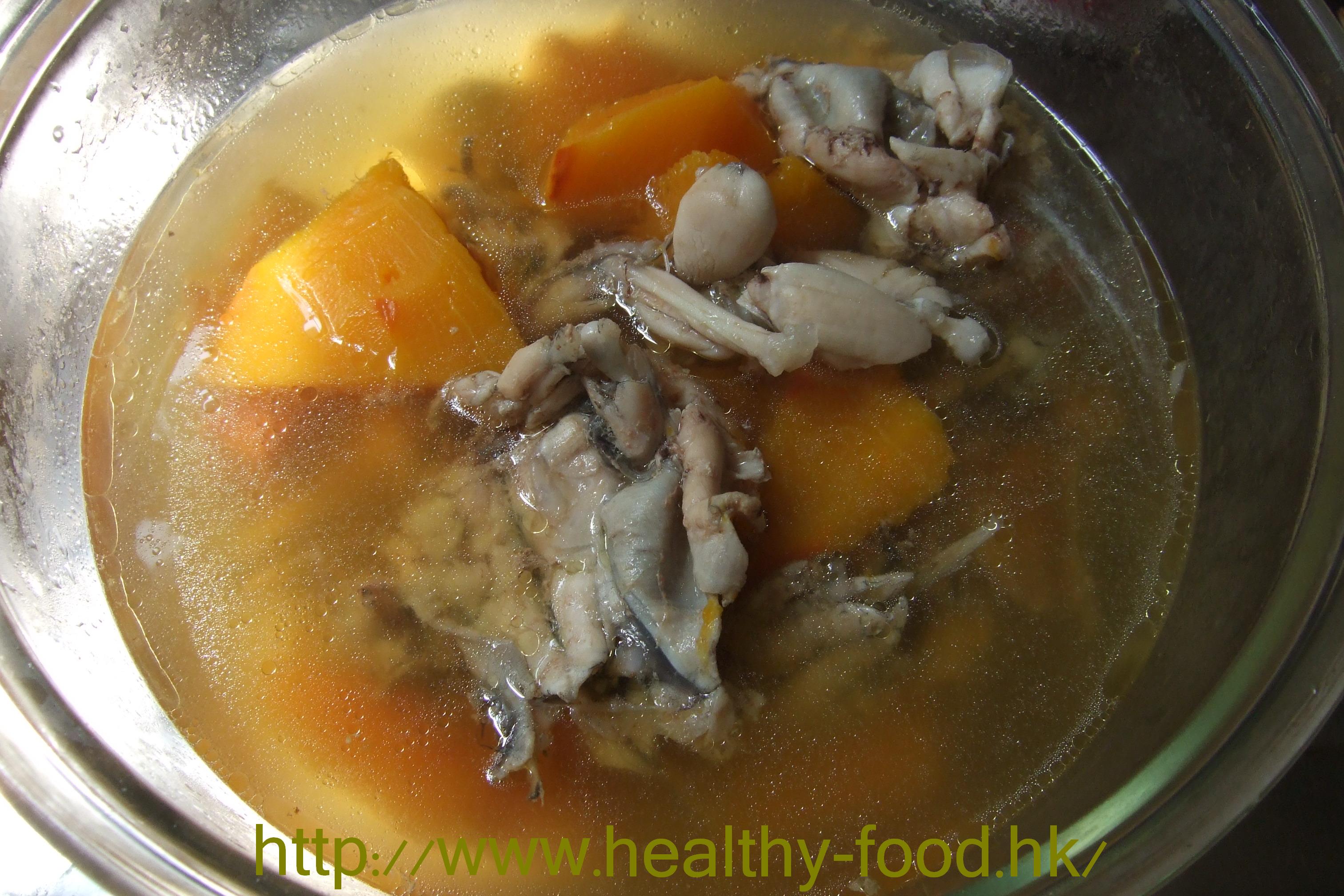
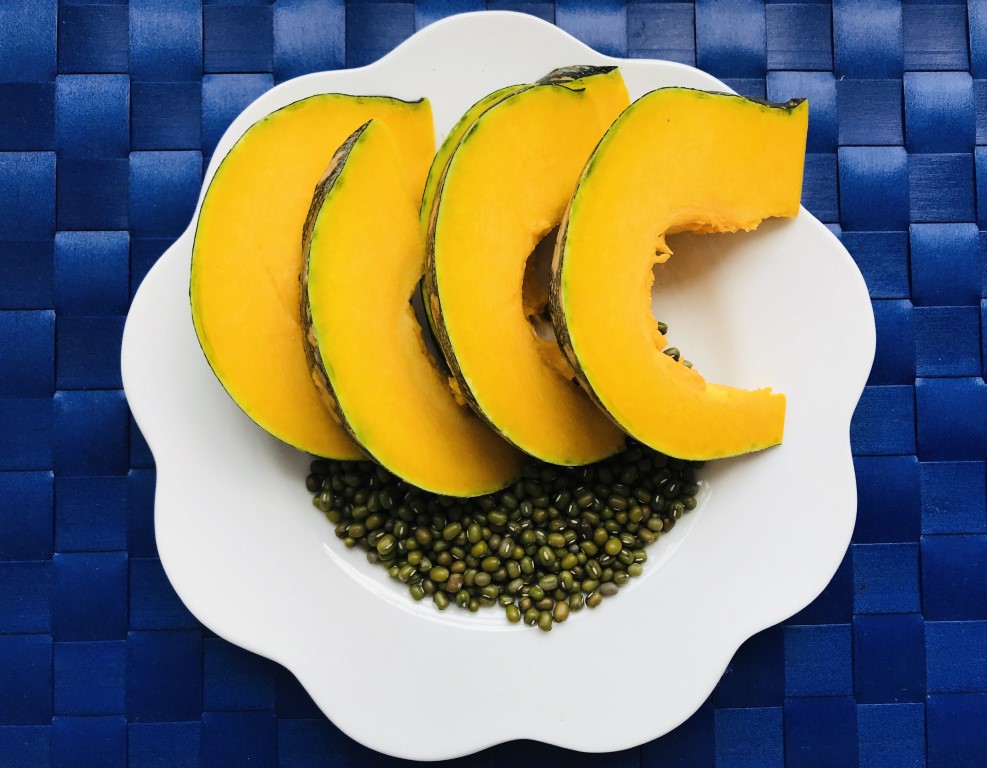
Pumpkin comes in many varieties, costs little, and is delicious every which way — stir-fried, stewed, pan-fried, or in soup and congee. Because it is warming by nature, it even suits people with a cooler constitution. In the heat of summer many people reach for mung bean soup to cool down, and Bro Niu’s clever twist is to cook mung beans with pumpkin: it still relieves the summer heat, but is not too cooling, which makes it especially friendly for those watching their blood sugar.
Who it suits / who should be cautious
- People managing their blood sugar who want a gentle, naturally sweet dish
- Those who want a summer-cooling congee that is not too cold for the stomach
- Mild and suitable for young and old
- Caution: people who are spleen-weak with qi stagnation or have damp-heat are traditionally advised not to eat it; pumpkin should not be eaten together with mutton or shrimp
Why these ingredients (the food-therapy logic)
- Pumpkin (nan gua): warming by nature; traditionally said to support the middle and boost qi. It carries the trace element cobalt, which is associated with supporting normal insulin activity and is traditionally valued for helping keep blood sugar in check.
- Mung beans (lu dou): traditionally clearing to summer heat; they carry soluble fibre associated with slowing sugar absorption, and are also traditionally enjoyed to ease constipation.
Ingredients (2–3 bowls)
| Ingredient | Amount | Notes |
|---|---|---|
| Pumpkin | ~300 g | Peeled, seeds removed, cut into chunks |
| Mung beans | ~75 g | Soak and rinse |
Method
- Peel the pumpkin, remove the seeds and cut into chunks. Soak and rinse the mung beans.
- Put everything in a pot with 6 bowls of water and cook until the pumpkin is soft and falling apart and the mung beans have cooked down to a purée. Serve.
Bro Niu’s tips
This congee is fragrant and sweet, suitable for young and old, and taken regularly is traditionally associated with supporting healthy blood sugar, blood lipids and cholesterol. But pumpkin should not be eaten with mutton or shrimp, and those who are spleen-weak with qi stagnation or have damp-heat should not eat it.
Community questions answered (selected)
-
Q (A): My 60-something cousin had a knee replacement 3 months ago; the surgical area often feels hot and painful. She also has bowel polyps and high cholesterol. Any food therapy? Bro Niu: Try fresh tian qi (notoginseng) ~11 g, ji xue teng ~19 g and 4 figs in a lean pork soup — traditionally helps ease pain, move the blood and gently relieve constipation. Take for 3 doses. If it often feels hot, it may be inflammation, so see a Chinese medicine practitioner. Use 6 bowls of water, simmer 1 hour to 2 bowls, taken over a day.
-
Q (reader): My nearly-3-year-old has had an allergic cough for a month, mostly in the morning, sometimes with a little phlegm. The crocodile-meat and tiger-milk lingzhi soup helped at night. What else can help the morning cough? Bro Niu: If there is phlegm, use su zi and lai fu zi ~11 g each in a tea bag, cooked into a congee or lean pork soup; take for 3 doses to help a phlegmy cough.
Published April 19, 2023 · Adapted and translated for Nourilo from a traditional home-kitchen recipe. Approx. 3 min read.