Soups
Corn Silk, Carrot, and Pork Pancreas Soup
traditionally used to support blood sugar balance and kidney health
Why people make this soup
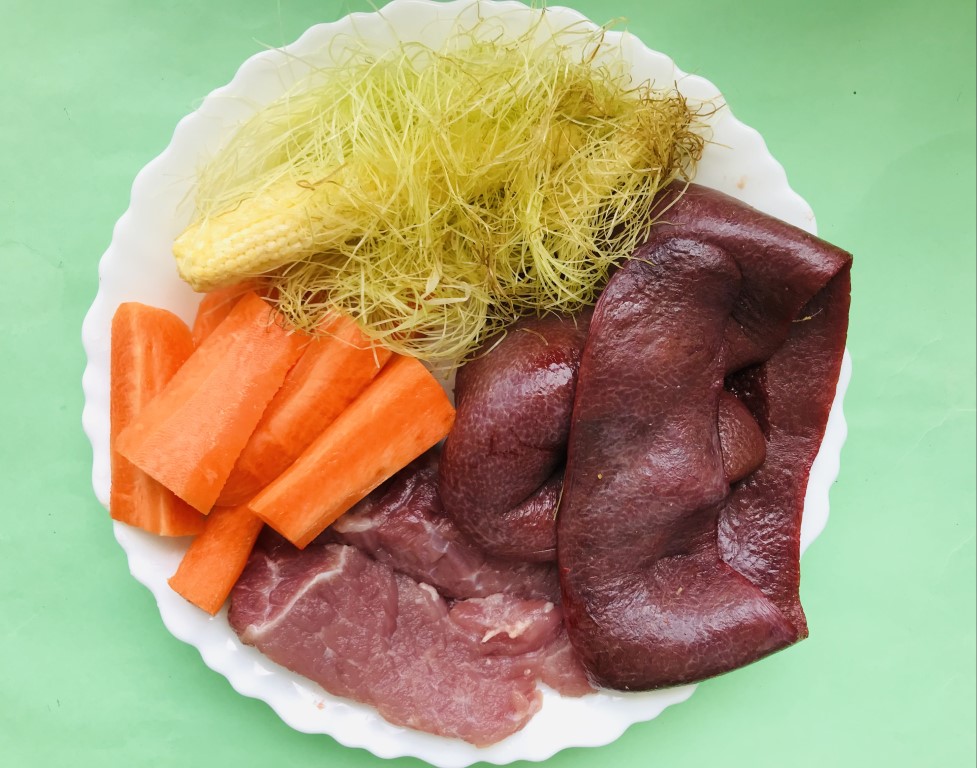
In traditional Cantonese food therapy, corn silk — the silky threads from corn cobs — has long been valued for its gentle diuretic action and its association with supporting kidney function and blood sugar balance. Available at Asian grocery stores and larger supermarkets wherever fresh corn is sold, it is a quietly nourishing ingredient that many families in southern China turn to when someone in the household is managing diabetes or simply wants to eat more thoughtfully.
Paired here with carrot and pork pancreas, this becomes a warmly satisfying soup. Pork pancreas — known in Cantonese cooking as “pig’s crossbred organ” (猪横脷) — is the pig’s actual pancreas. Classical Chinese food therapy holds to the idea that like nourishes like, and since the pancreas is central to insulin production, using it as an ingredient has a certain intuitive appeal to traditional cooks. Whether or not one subscribes to that logic, pork pancreas is a genuinely delicious, mild-tasting organ meat that adds depth to the broth.
Who it suits / who should be cautious
- Suitable for adults and children; the soup is mildly sweet and pleasant for the whole family.
- People with high cholesterol or cardiovascular concerns: enjoy the broth, but limit or avoid eating the organ meat itself.
- This soup is not a substitute for diabetes medication. Please continue to follow your doctor’s treatment plan.
Why these ingredients (the food-therapy logic)
- Corn silk (su mi xu): Traditionally associated with diuretic and blood sugar-supporting properties; used in folk medicine across Asia for kidney and urinary health.
- Carrot (hong luo bo): Rich in beta-carotene (provitamin A); traditionally associated with clearing heat from the stomach and lung, aiding digestion, and supporting blood formation.
- Pork pancreas (zhu heng pi): In classical food therapy, the pancreas is thought to strengthen the spleen and stomach, support digestion, and moisten lung dryness — following the “like nourishes like” principle for those with compromised insulin function.
- Lean pork (shou rou): Adds flavour and protein to the broth, making it more satisfying.
Ingredients (4 bowls)
| Ingredient | Amount | Notes |
|---|---|---|
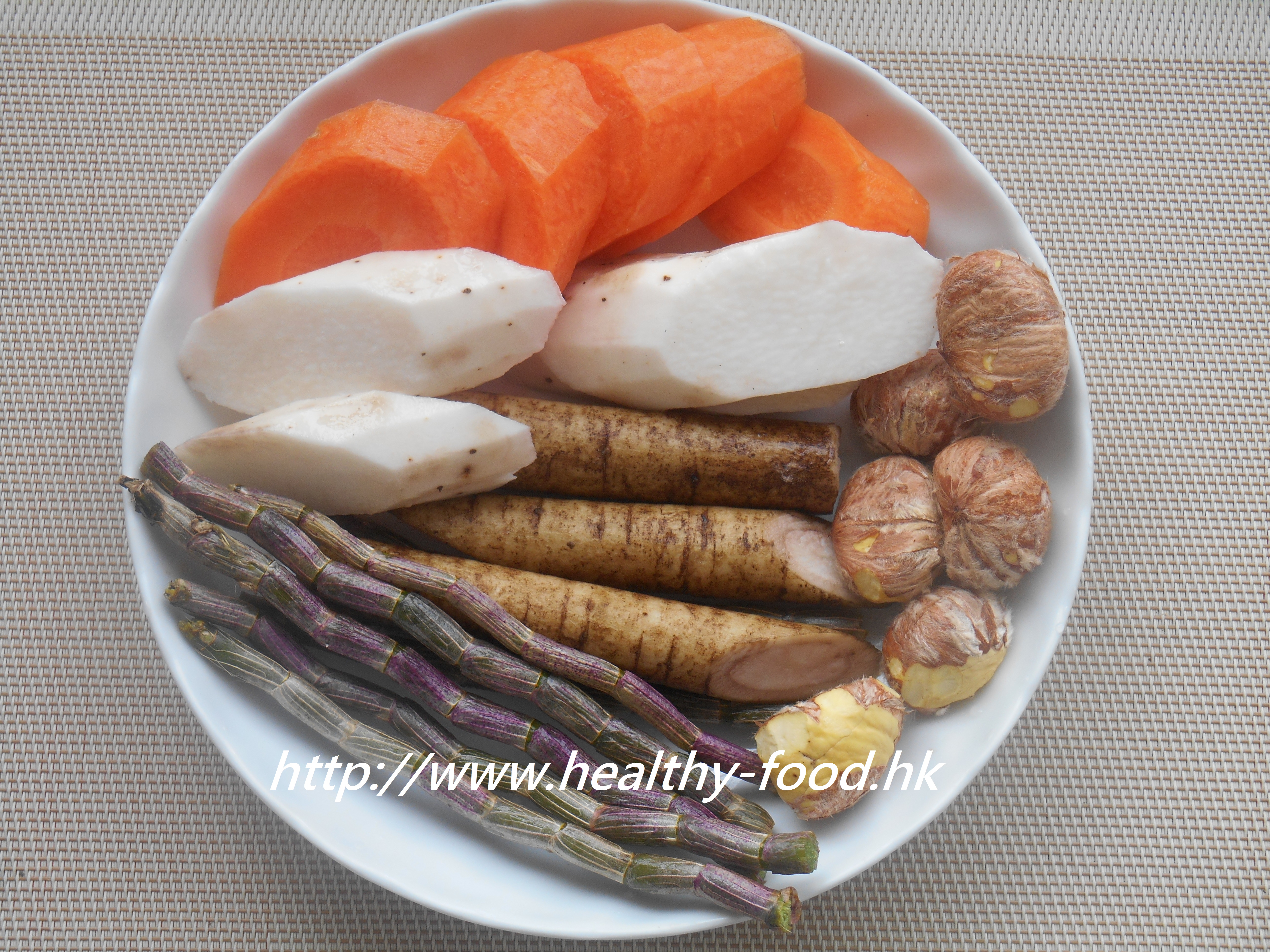
| Fresh corn silk | ~75 g (2 liang) | Rinse well; use fresh for best flavour |
| Carrot | 1 medium | Peeled and cut into chunks |
| Pork pancreas | 1 piece (~200 g) | Trim away white fatty membrane; cut into pieces |
| Lean pork | ~225 g (6 liang) | Sliced thick; blanched first |
| Water | 7 bowls (~1.75 L) | — |
Method
- Rinse the corn silk thoroughly under running water.
- Peel the carrot and cut into large chunks.
- Trim the white fatty membrane from the pork pancreas, rinse well, and cut into pieces.
- Slice the lean pork into thick pieces. Blanch the lean pork in boiling water for 1–2 minutes, then drain and rinse.
- Add corn silk, carrot, and lean pork to a pot with 7 bowls of water. Bring to a boil, then simmer for 45 minutes.
- Add the pork pancreas and simmer for a further 15 minutes until the soup reduces to about 4 bowls.
- Season lightly with salt if desired, and serve.
Bro Niu’s tips
This soup comes out clear, sweet, and pleasant — suitable for all ages. The key tip: add the pork pancreas at the end, not from the beginning. If it cooks too long, the broth will turn grey and murky. Cooked pork pancreas is actually quite delicious — try dipping it in a little light soy sauce with a few drops of sesame oil.
Community questions answered (selected)
- Q (reader): I have high cholesterol — can I drink this soup? Bro Niu: Pork pancreas is an internal organ and is not ideal for people with high cholesterol to eat regularly. However, drinking just the broth without eating the organ meat, and doing so only occasionally, should be fine.
Published December 24, 2022 · Adapted and translated for Nourilo from a traditional home-kitchen recipe. Approx. 3 min read.