Soups
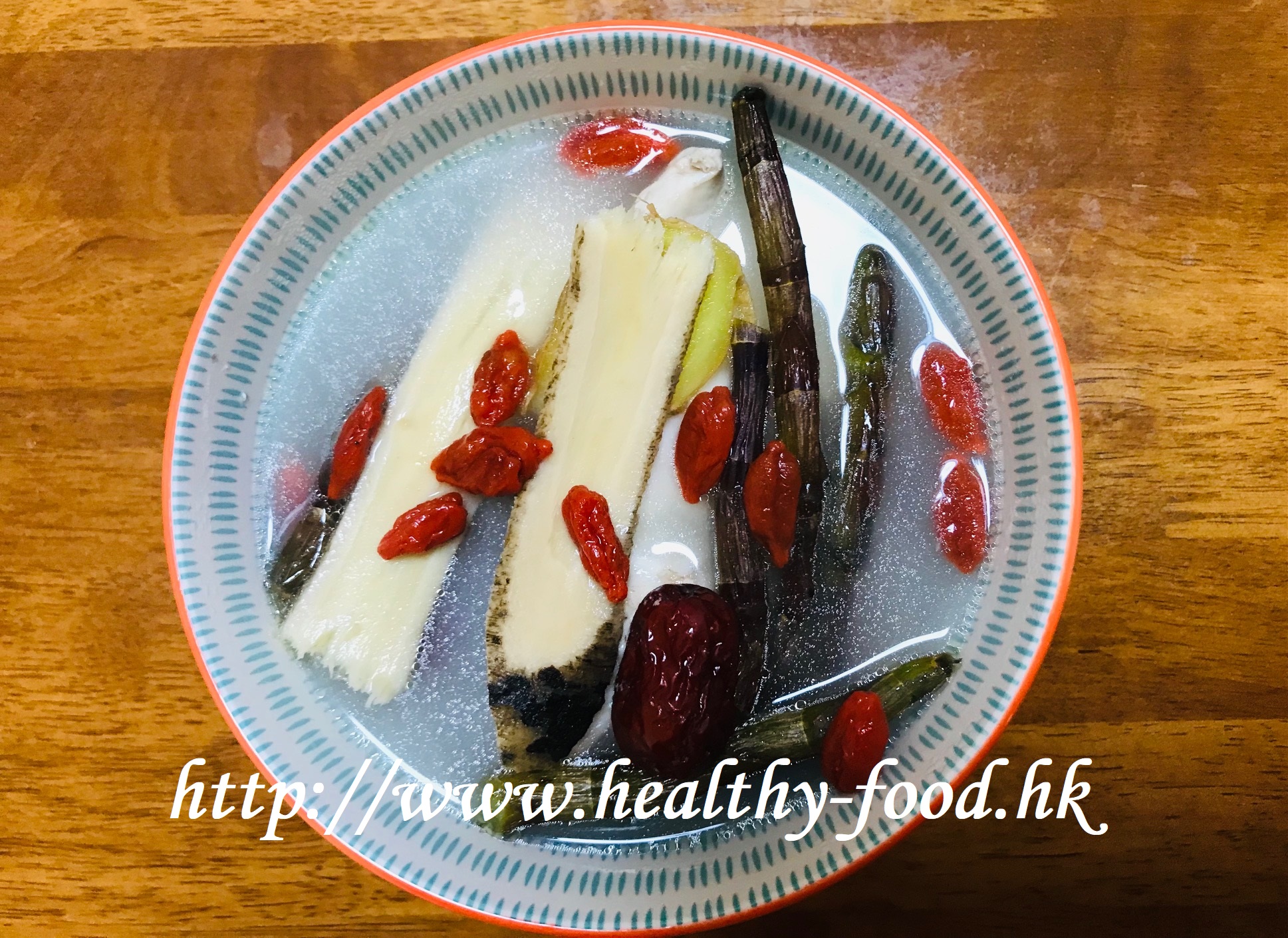
Codonopsis, Astragalus, Chinese Yam and Lotus Seed Lean Pork Soup
Traditionally used to support qi and blood and aid recovery after surgery
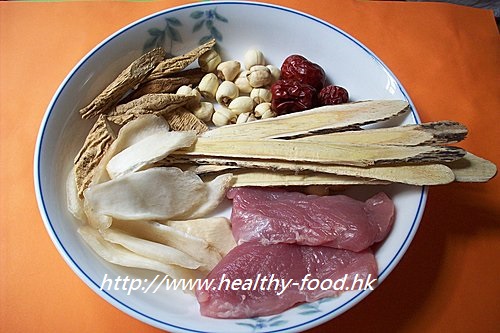
Why people make this soup
Medicine keeps advancing, and many operations are now done by minimally invasive (“micro”) techniques that lower the risks. Even so, Bro Niu notes, any surgery takes something out of the body — it loses blood and qi — and patients may feel dizzy, weary and pale, sweat easily, feel sleepy, or feel restless afterward. The right gentle nourishment after surgery can make a real difference. This soup uses ingredients traditionally chosen to support the spleen and stomach and to build qi and blood, the kind of supportive base many families turn to during recovery.
Who it suits / who should be cautious
- Suits people convalescing after an operation; gentle enough for the whole family.
- Also traditionally favoured for post-childbirth recovery.
- A note on astragalus (bei qi): it is “dual-direction” — traditionally a larger amount (around 38 g / 1 tael) is associated with lowering blood pressure, while a smaller amount (around 11 g / 3 qian) is associated with raising it. Adjust with that in mind, and if you have a blood-pressure condition, take advice.
- After surgery, follow your doctor’s timing for when to resume normal foods. As a rule of thumb Bro Niu says you can start once discharged — but check with your own care team.
Why these ingredients (the food-therapy logic)
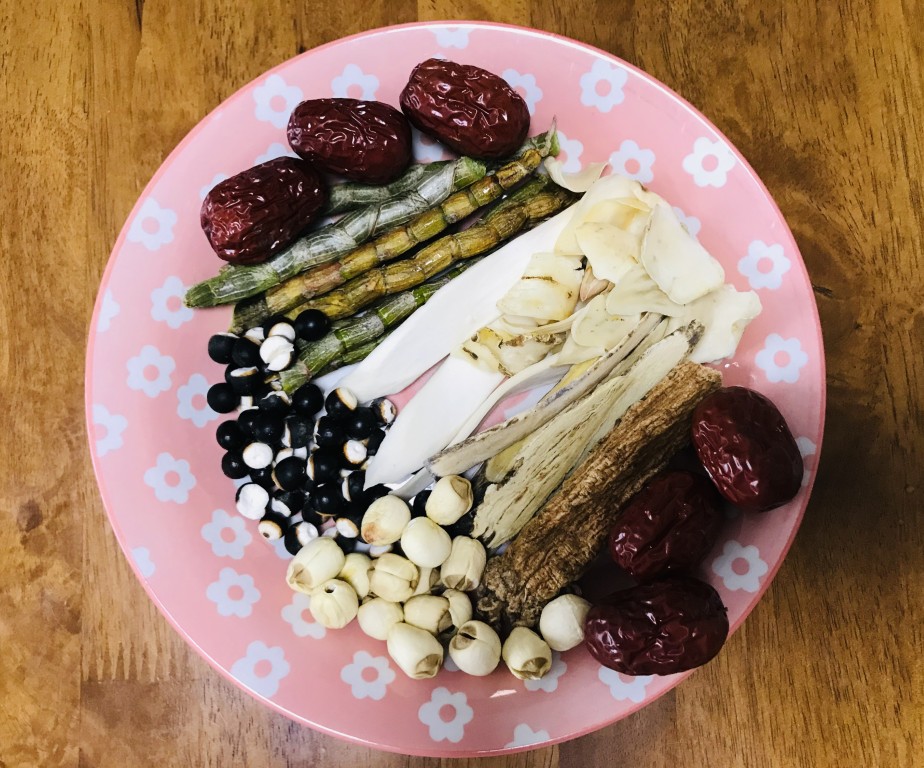
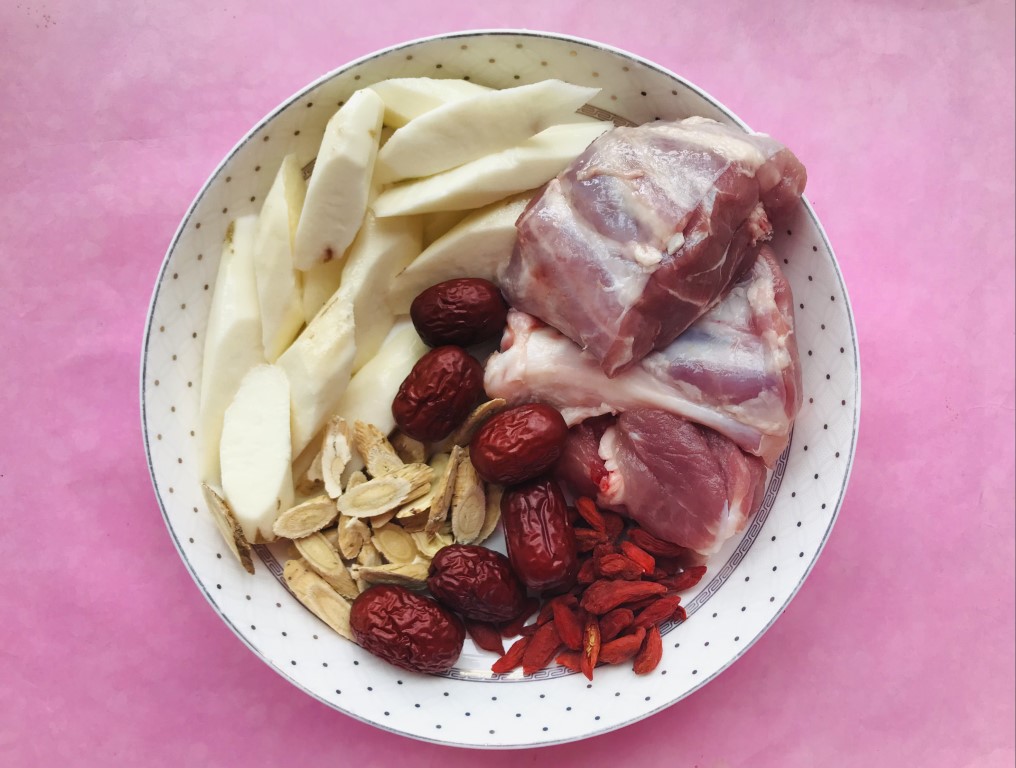
- Codonopsis (dang shen): a gentle qi tonic traditionally used to rebuild strength.
- Astragalus (bei qi): traditionally used to support qi and the body’s surface defences; dual-direction on blood pressure (see cautions).
- Chinese yam & lotus seed (huai shan, lian zi): traditionally support the spleen and stomach and steady digestion.
- Red dates (hong zao): traditionally nourish the blood; you can add fox nut (qian shi) if you want firmer stools.
Ingredients (2 servings)
| Ingredient | Amount | Notes |
|---|---|---|
| Codonopsis (dang shen) | ~19 g | Use ~11 g if you have high blood pressure |
| Astragalus (bei qi) | ~19 g | Dual-direction on blood pressure — see cautions |
| Chinese yam (huai shan) | ~38 g | |
| Lotus seed (lian zi) | ~38 g | |
| Red dates (hong zao) | 8, pitted | |
| Lean pork (shou rou) | half a catty (~300 g) |
Method
- Wash all the ingredients.
- Put everything into a pot with 8 bowls of water.
- Bring to a boil, then simmer for about 2 hours, down to roughly 2 bowls.
- Serve, ideally split into two bowls across the day.
Bro Niu’s tips
This soup is also very well suited to post-childbirth recovery. As a guide, 1 qian is about 3.7 g and 1 tael about 37 g — but since this is a soup, not a strict medicine, counting a tael as roughly 35 g is fine and easier to work with. If you would like firmer stools, add about 38 g of fox nut (qian shi) to cook along with it; the whole family can then share the soup.
Community questions answered (selected)
- Q (Cat): How long after surgery can this be taken? Bro Niu: You can use it once you have been discharged from hospital.
- Q (Anna): Can people with high blood pressure drink this soup? Bro Niu: Astragalus is a dual-direction herb — about 38 g (1 tael) is associated with lowering blood pressure, and about 11 g (3 qian) with raising it; if you have no blood-pressure condition it is not affected. So leave out the codonopsis and use 1 tael of astragalus.
- Q (Rita Leung): My husband is having an angioplasty (“tong bo zai”); he has high blood pressure and high cholesterol. After surgery, can he have codonopsis, or what soup can I make? Bro Niu: After surgery he can use astragalus and codonopsis to support qi, but keep codonopsis under about 11 g; astragalus is dual-direction, around 38 g lowers and around 11 g raises blood pressure. Pair with goji and red dates, and avoid high-fat meats — use lean pork, skinless chicken breast or fresh fish.
Published December 21, 2013 · Adapted and translated for Nourilo from a traditional home-kitchen recipe. Approx. 3 min read.