Herbal & Flower Teas
Lemongrass and Green Apple Tea
traditionally associated with promoting circulation, relieving mild joint stiffness, and supporting digestion
Why people make this tea
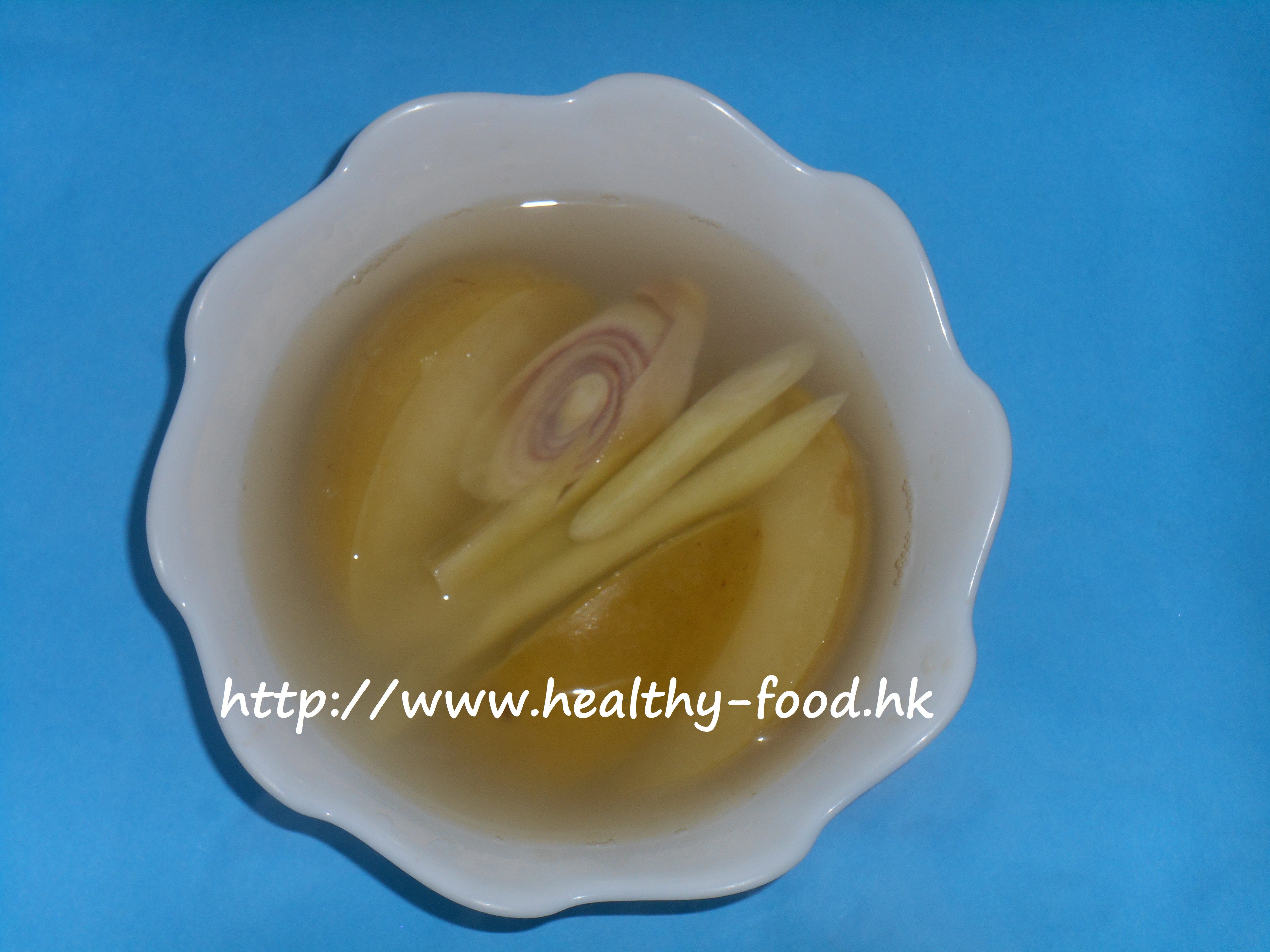
Lemongrass — known in Chinese as xiang mao (fragrant grass) because of its bright lemon scent — has long been used across Southeast and East Asia as a warming, circulation-moving drink. Green apple adds natural sweetness and a pleasant tartness, and the two together create a tea that is genuinely enjoyable: warming to the stomach, smooth on the throat, and aromatic enough to brighten up an afternoon. Bro Niu came across an old wellness claim about this combination supporting knee cartilage and decided to simply try it — he found the flavour delightful and the effect gentle but real. Whether or not the cartilage claim holds up, it is a good-tasting everyday drink with sensible traditional backing.
Who it suits / who should be cautious
- Suitable for all ages, including the elderly; good for people with cold extremities, mild digestive upset, a tendency toward low mood, or mild joint stiffness
- Helpful for cold-related headaches, loose stools, and mild feelings of depression
- Those with excess stomach acid or a history of peptic ulcer: drink with caution, as the apple adds mild acidity
Why these ingredients (the food-therapy logic)
- Lemongrass (xiang mao): Contains essential oils with warming, circulation-promoting properties. Traditionally associated with relieving rheumatic discomfort, headaches, mild depression, and digestive complaints. In traditional Chinese medicine, green is associated with the liver — which governs the sinews — so green apple is considered more appropriate for tendon and joint-related uses than other apple colours.
- Green apple (qing ping guo): Associated with generating fluids, relieving thirst, supporting stomach function, and contributing natural pectin for gut motility. Also associated with mild detoxification and antioxidant properties.
Ingredients (2–3 cups)
| Ingredient | Amount | Notes |
|---|---|---|
| Lemongrass | 4–5 stalks | Rinse and slice into pieces |
| Green apple | 2 medium | Wash, keep skin on, remove core, cut into chunks |
| Water | 4 bowls (~800 mL) | — |
Method
- Rinse the lemongrass and cut into thin slices or roughly chop.
- Wash the green apples; keep the skin on (for pectin), remove the core, and cut into chunks.
- Place lemongrass and apple in a pot with 4 bowls of water.
- Bring to the boil, then reduce to a simmer and cook for 20 minutes.
- Strain or ladle directly into cups. Drink warm.
Bro Niu’s tips
Lemongrass is available year-round at shops selling Southeast Asian ingredients — typically very affordable. Green apples are stocked in most supermarkets. This tea requires no added sugar — the apple provides natural sweetness. It is suitable for all ages and makes a pleasant cold-weather drink. Those with stomach hyperacidity should moderate their intake. If you cannot find green apples, any apple variety can be used, though green apple is traditionally preferred for its liver-and-sinew associations.
Community questions answered (selected)
-
Q (HC~): If I use regular Japanese-style red apples instead of green apples, does it work the same way? Bro Niu: Any apple is nutritious and beneficial. In Chinese medicine thinking, “green enters the liver”, and the liver governs the sinews — so for anything related to tendons, ligaments, and joints, green apple is traditionally considered the better choice. But using another variety is certainly not harmful.
-
Q (Ms. Leung): Can this tea be drunk every day? Bro Niu: Drink 4 portions consecutively, then take a 3-day break before the next 4 servings. That cycle is generally sufficient for most people.
-
Q (Maggie Ho): My left eye has been breaking tiny blood vessels every week for three months. Doctors say there is nothing to worry about if vision is unaffected. Is there a food remedy? Bro Niu: First, please monitor your blood pressure. If blood pressure is normal, try making selfheal spike tea (xia ku cao) regularly — sold as a ready-made granule drink in many shops. Adding a little chrysanthemum to the brew is even better.
Published December 16, 2016 · Adapted and translated for Nourilo from a traditional home-kitchen recipe. Approx. 3 min read.