Congee & Porridge
Apple, Red Date and Glutinous Rice Sweet Congee
Low-purine; traditionally nourishes the heart and spleen and supports those managing uric acid
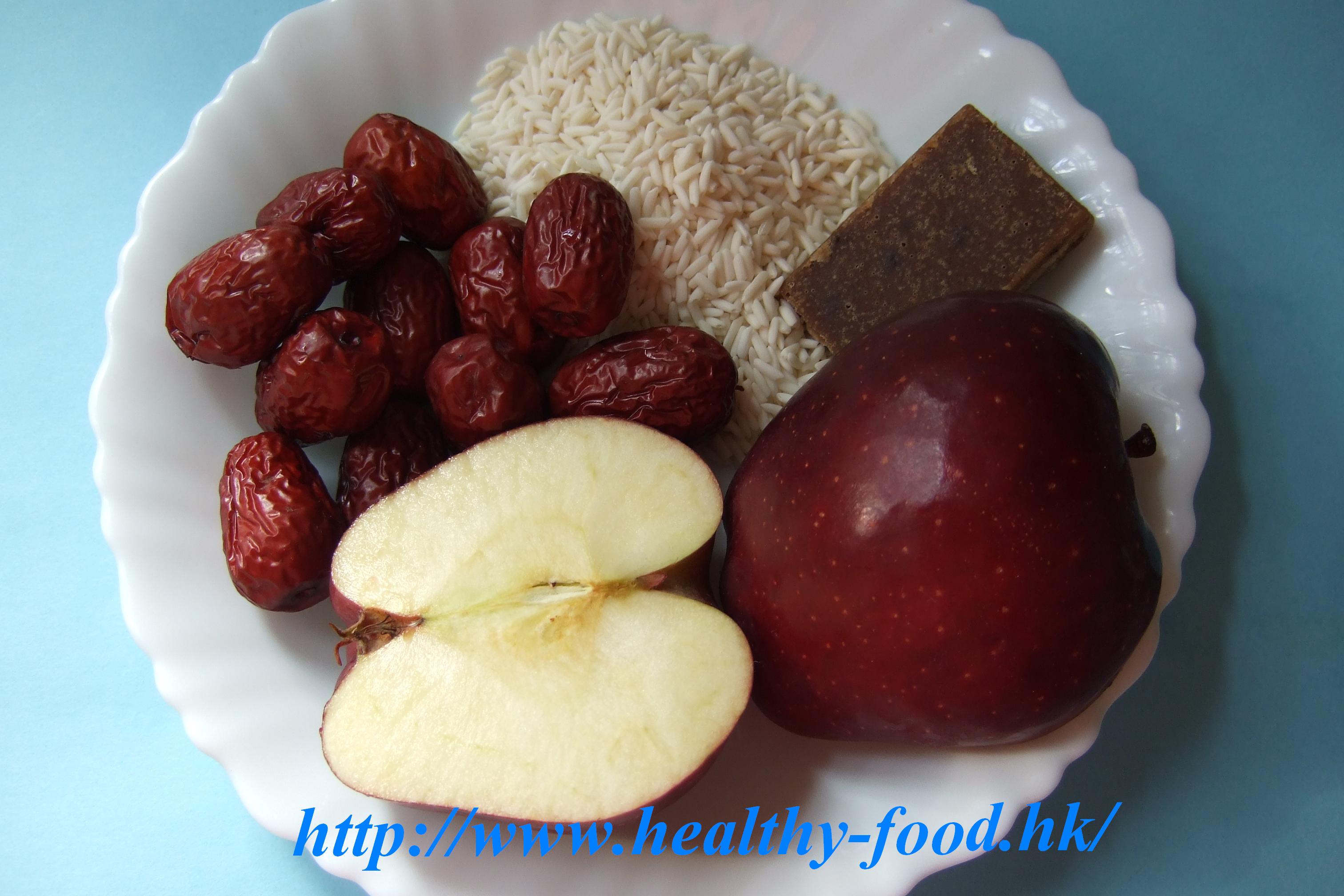
Why people make this congee
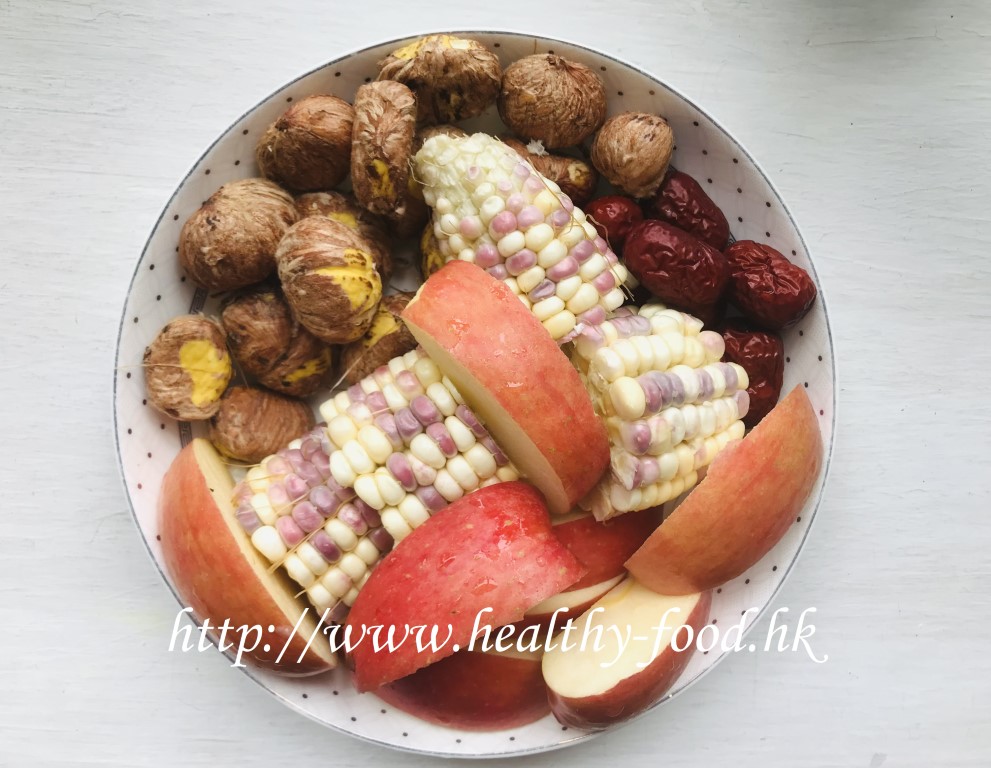
Hong Kong is a fruit paradise, and apples are everywhere — crisp, sweet and easy. Apples are essentially purine-free, so for people managing gout, eating more apples is traditionally associated with less uric-acid build-up and helping the body clear uric acid. Cooked with red dates, glutinous rice and slab sugar into a sweet congee, it’s a comforting bowl traditionally said to nourish the heart and spleen while being friendly for those watching uric acid.
Who it suits / who should be cautious
- Adults managing gout or high uric acid; also traditionally said to benefit those watching blood pressure or blood lipids
- Not suitable for people with diabetes (glutinous rice is high-GI) — a red-bean-and-barley congee is a better choice for them
- Not ideal for those with gastritis or yin-deficient internal heat
- For ongoing gout, please see a doctor
Why these ingredients (the food-therapy logic)
- Apple (ping guo): essentially purine-free; traditionally associated with helping clear uric acid.
- Red dates (hong zao): traditionally nourish the blood and the spleen.
- Glutinous rice (no mi): a low-purine grain, traditionally said to warm the stomach and tonify qi.
- Slab sugar (pian tang): sweetens; the red-date slab sugar shown carries a nice date fragrance.
Ingredients (1 pot)
| Ingredient | Amount | Notes |
|---|---|---|
| Apples | 2–3 | Peeled, cored, diced |
| Red dates | 15 | Pitted |
| Glutinous rice | ~75 g | Washed |
| Slab sugar | To taste | Red-date slab sugar is nice here |
Method
- Peel, core and dice the apples; pit the red dates.
- Add the washed glutinous rice and water, and simmer into a congee of medium thickness.
- Stir in slab sugar until dissolved. Eat as you like.
Bro Niu’s tips
The slab sugar in the photo is red-date slab sugar, with a lovely date aroma — available in supermarkets. This congee is also traditionally said to benefit those with high blood pressure or high blood lipids.
Community questions answered (selected)
-
Q (Pauline): My grandmother-in-law has high blood pressure, diabetes, gout and dementia. Can she have this congee, given glutinous rice is high-GI? Bro Niu: With diabetes, this congee isn’t very suitable. Instead, make a red-bean and barley congee — it’s good for uric acid, dementia and blood pressure. Red beans carry B vitamins (good for dementia) and very little purine, so they suit high uric acid.
-
Q (Stella): I’ve heard glutinous rice is bad for bone or joint problems — does this congee affect joint pain? Bro Niu: Glutinous rice is traditionally said to tonify and warm the stomach; it’s a low-purine food and suits gout. It isn’t a problem for bone/joint patients, but it isn’t ideal for those with gastritis or yin-deficient internal heat.
-
Q (Cara): How many grams is one qian? Bro Niu: One qian is about 3 grams.
Published October 23, 2010 · Adapted and translated for Nourilo from a traditional home-kitchen recipe. Approx. 2 min read.